
Yamashiro Kodo adventure courses
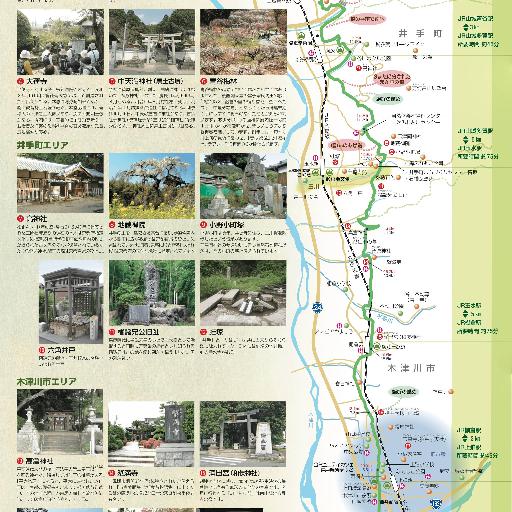
山背古道は、京都府南部の木津川市・井出町・城陽市にまたがって伸びる、全長およそ25kmの散策道で、古道沿いには数多くの歴史的な寺院や遺跡などがみられます。小野小町ゆかりの地や今昔物語集にも出てくるお寺を訪ねながら、ウォーキングを楽しんでみませんか?
 Posted byStroly更新日:
 すべてのスポット情報
53件のスポット
 Yamashiro Ancient Trail Quiz
龍福寺(りゅうふくじ) | Ryufuku-ji Temple
Yamashiro Ancient Trail Quiz
 開く
開く
<探検クイズ> 龍福寺の門をくぐってすぐ右側に、ほこらが2つあります。むかって左側のほこらにある石仏は左手を体のどこかへあてています。それはどこ? おでこ × おでこ ≪ Close ほお ○ ほお ≪ Close むね × むね ≪ Close <Trail Quiz> IGo through the Ryufuku-ji temple gate and immediately on your right are 2 small shrines. The stone buddha at the shrine on the left is touching a part of his body with his left hand. Which part? Forehead × Forehead ≪ Close Cheek ○ Cheek ≪ Close Chest × Chest ≪ Close
西光院 | Saiko-in Temple
Yamashiro Ancient Trail Quiz
開く<探検クイズ> 西光院の門前に2つの銅像があります。むかって右側の座っている像が右手にもっているものはなに? かさ × かさ ≪ Close たんざく × たんざ ≪ Close 筆 ○ 筆 ≪ Close <Trail Quiz> In front of the gate at Saiko-in stand two bronze statues. What is the sitting statue on the right holding in it's right hand? An umbrella × An umbrella ≪ Close A strip of paper × A strip of paper ≪ Close A writing brush ○ A writing brush ≪ Close
水度神社 (みとじんじゃ)| Mito-jinjya Shrine
Yamashiro Ancient Trail Quiz
開く
<探検クイズ> 水度神社の本殿は、国の重要文化財に指定されています。何時代に建てられたものでしょうか?ヒント:参道をのぼり、境内に入ってすぐ左側にある木製の解説板の由来記を最後までよく見てね。 室町時代 ○ 室町時代 ≪ Close 平安時代 × 平安時代 ≪ Close 桃山時代 × 桃山時代 ≪ Close <Trail Quiz> The inner shrine of Mito-jinjya has been designated as an Important Cultural Property. In what period was it built? (Hint: Go up the entrance way and into the grounds of the shrine. Immediately on your left you will find an explanation of the shrine written on a wooden board. Be sure to read until the end! Muromachi Period ○ Muromachi Period ≪ Close Heian Period × Heian Period ≪ Close Momoyama Period × Momoyama Period ≪ Close
森山遺跡 | Moriyama Ruins
Yamashiro Ancient Trail Quiz
開く<探検クイズ> 森山遺跡には縄文時代(今から約4,000年前)から○○時代(約1,400年前)までの集落のあとがのこっています。さて、何時代まで?ヒント:西側の階段のところに2枚の解説板があるよ。左側のものを見てみよう。 弥生時代 × 弥生時代 ≪ Close 古墳時代 ○ 古墳時代 ≪ Close 奈良時代 × 奈良時代 ≪ Close <Trail Quiz> At the Moriyama Ruins are remains of a settlement between the Jomon Period (about 4,000 years ago) and another Period (about 1,400 years ago). Which is the other Period? (Hint: At the stairs on the west side are 2 explanation boards. Take a look at the one on the left! Yayoi Period × Yayoi Period ≪ Close Kofun Period ○ Kofun Period ≪ Close Nara Period × Nara Period ≪ Close
大智寺 (だいちじ)| Daichi-ji Temple
Yamashiro Ancient Trail Quiz
開く
<探検クイズ> 本尊の文殊菩薩坐像は、行基(ぎょうき)というお坊さんが泉川(いずみかわ)(今の木津川)に架けた橋の、ある部分からつくったとされています。それは何?ヒント:境内の解説板をよく見てみよう。 柱 ○ 柱 ≪ Close 屋根 × 屋根 ≪ Close 石 × 石 ≪ Close <Trail Quiz> The principal image of worship at this temple is the seated statue of Manjusri-bodhisattva. A monk named "Gyouki" used a piece of the bridge built over the Izumi-kawa river (now Kizu-gawa river) to build this statue. What piece of the bridge did he use? (Hint: Look at the explanation board inside the temple grounds.) Pillar ○ Pillar ≪ Close Roof × Roof ≪ Close Stone × Stone ≪ Close
石造地蔵菩薩坐像 | Stone Statue of Seated Bodhisattva (Kshitigarbha)
Yamashiro Ancient Trail Quiz
開く<探検クイズ> 高さ4.58mあり日本一の石地蔵として有名ですがお堂がありません。なぜ、ないのでしょうか?ヒント:石地蔵の前の石段わきにある解説板を見てみよう。 途中で作るのを中止した × 途中で作るのを中止した ≪ Close 戦火(応仁(おうにん)の乱)で焼けた ○ 戦火(応仁(おうにん)の乱)で焼けた. ≪ Close 木津川の洪水で流された × 木津川の洪水で流された ≪ Close <Trail Quiz> Standing at 4.58m tall this statue is famous as for being Japan's tallest stone image of Kshitigarbha-bodhisattva. However, there is no temple. Why? (Hint: Read the explanation board which is next to the stone steps in front of the statue.) They stopped building half-way through. × They stopped building half-way through. ≪ Close It was burnt down in the Onin War. ○ It was burnt down in the Onin War. ≪ Close It got destroyed by a Kizu-gawa river flood. × It got destroyed by a Kizu-gawa river flood. ≪ Close
上狛環濠集落 (かみこまかんごうしゅうらく)| Kamikoma Moated Settlement
Yamashiro Ancient Trail Quiz
開く<探検クイズ> 環濠集落のまわりを囲んでいた堀は、かつては幅も広く水も豊かで地元では「○○の川」と呼ばれていました。何と呼ばれていた?ヒント:堀のわきにたっている解説板をさいごまでよーく読んでね。 浦の川 ○ 浦の川 ≪ Close 天の川 × 天の川 ≪ Close 堀の川 × 堀の川 ≪ Close <Trail Quiz> The ditch which surrounds this moated settlement was once filled with a large expanse of water and was known as what river? (Hint: Next to the ditch stands the explanation board. Be sure to read it until the very end!) Inlet River ○ Inlet River ≪ Close Heaven's River × Heaven's River ≪ Close Ditch River × Ditch Riverr ≪ Close
不動川 (ふどうがわ)| Fudo-gawa River
Yamashiro Ancient Trail Quiz
開く
<探検クイズ> 山背古道を横断し、木津川(きづがわ)に流れこむ川の1つである不動川は、水面が地面よりも高い位置にあるため堤防も高く作られています。このような形をした川のことを何というでしょう? 天井川 ○ 天井川 ≪ Close 床下川 × 床下川 ≪ Close 天の川 × 天の川 ≪ Close <Trail Quiz> Crossing the Yamashiro ancient trail is the Fudo-gawa river which feeds into the Kizu-gawa river. The water level of this river is higher than the surrounding land and so high levee walls have been built. What do we call this kind of river? Ceiling River ○ Ceiling River ≪ Close Under Floor River × Under Floor River ≪ Close Heaven's River × Heaven's River ≪ Close
綺原神社 (かんばらじんじゃ) | Kambara-jinjya Shrine
Yamashiro Ancient Trail Quiz
開く<探検クイズ> 鳥居をくぐるとすぐ右側にある手水舎。ここで口から水を出している動物はなに? うし ○ うし ≪ Close ねこ × ねこ ≪ Close いぬ × いぬ ≪ Close <Trail Quiz> As you pass through the shrine gate you will find a purification fountain on the right. Water is pouring out from the mouth of an animal at this fountain. What animal? Cow ○ Cow ≪ Close Cat × Cat ≪ Close Dog × Dog ≪ Close
橘諸兄(たちばなのもろえ)公旧跡 | Tachibana no Moroe Historic Spot
Yamashiro Ancient Trail Quiz
開く<探検クイズ> 奈良時代、井手の地に生きた橘諸兄はどのような身分の人だったでしょうか?ヒント:橘諸兄公旧跡の石碑に「井手□□□とあるよ。」 右大臣 × 右大臣 ≪ Close 左大臣 ○ 左大臣 ≪ Close 内大臣 × 内大臣 ≪ Close <Trail Quiz> Tachibana-no-Moroe lived in the Ide area during the Nara Period. What kind of social ranking did he hold? (Hint: A clue connecting him to Ide is written on the stone monument at this historic spot.) Udaijin (Junior Minister of State) × Udaijin (Junior Minister of State) ≪ Close Sadaijin (Senior Minister of State) ○ Sadaijin (Senior Minister of State) ≪ Close Naidaijin (Minister of the Interior) × Naidaijin (Minister of the Interior) ≪ Close
小野小町塚 | The Grave of Ono-no-Komachi
Yamashiro Ancient Trail Quiz
開く<探検クイズ> 石垣の上に小野小町が詠んだ歌の碑があります。歌の中に出てくる花の名前は?ヒント:近くの玉川の堤にいっぱい植わっているよ。 桜 × 桜 ≪ Close 撫子 × 撫子 ≪ Close 山吹 ○ 山吹 ≪ Close <Trail Quiz> Above the stone wall is an inscription of a poem written by Ono-no-Komachi. What is the name of the flower which appears in the poem? (Hint: Many are growing on the banks of the nearby Tama-gawa river.) Cherry Blossom × Cherry Blossom ≪ Close Dianthus × Dianthus ≪ Close Yamabuki (Japanese rose) ○ Yamabuki (Japanese rose) ≪ Close
玉津岡神社 (たまつおかじんじゃ) | Tamatsuoka-jinjya Shrine
Yamashiro Ancient Trail Quiz
開く<探検クイズ> 玉津岡神社には、人の身体の一部をかたどった絵馬が奉納されています。それはどのぶぶん?ヒント:階段をのぼりきって、すぐ右側にある建物の天井を見てね。 足のうら × 足のうら ≪ Close 手のひら ○ 手のひら ≪ Close 親指 × 親指 ≪ Close <Trail Quiz> Dedicated to Tamatsuoka-jinjya are many wooden plaques on which a part of the human body is printed. Which part? (Hint: Look at the ceiling of the building on the right at the top of the stairs.) Soles of the feet × Soles of the feet ≪ Close Palms of the hands ○ Palms of the hands ≪ Close Thumb × Thumb ≪ Close
多賀(たが)の果樹園 | Taga Fruit Farm
Yamashiro Ancient Trail Quiz
開く<探検クイズ> いろんな作物がつくられている果樹園。その中に、背の低い木がたくさんならんでいる畑がありますが、ここでは何を作っているのでしょうか?ヒント:南山城の特産品で、みんながよく飲んでいるもの。 お茶 ○ お茶 ≪ Close コーヒー × コーヒー ≪ Close 牛乳 × 牛乳 ≪ Close <Trail Quiz> Many kinds of products are made at this fruit farm. In the farm are fields of lots of small trees. What is made here? (Hint: People are often drinking this speciality product from Minami-yamashiro!) Tea ○ Tea ≪ Close Coffee × Coffee ≪ Close Milk × Milk ≪ Close
高神社 (たかじんじゃ) | Taka-jinjya Shrine
Yamashiro Ancient Trail Quiz
開く<探検クイズ> 長い階段をのぼりきるとあらわれる、緑につつまれた高神社の境内。その本殿はいつの時代のもの?ヒント:拝殿入口、むかって左側にある柱型の案内板を見てね。 室町時代 × 室町時代 ≪ Close 桃山時代 ○ 桃山時代 ≪ Close 江戸時代 × 江戸時代 ≪ Close <Trail Quiz> As you arrive at the top of the long stairs you will find the grounds of Taka-jinjya surrounded in green. What period does the inner shrine date back to? (Hint: Take a look at the explanation on the left as you enter the worship hall. Muromachi Period × Muromachi Period ≪ Close Momoyama Period ○ Momoyama Period ≪ Close Edo Period × Edo Period ≪ Close
市辺天満神社 (いちのべてんまんじんじゃ) | Ichinobe-tenman-jinjya Shrine
Yamashiro Ancient Trail Quiz
開く<探検クイズ> 市辺天満神社の鳥居をくぐってすぐ右側に石の歌碑があります。歌にかかれている季節は次のうちどれでしょうか? 冬 × 冬 ≪ Close 春 ○ 春 ≪ Close 夏 × 夏 ≪ Close <Trail Quiz> pass through the gate of Ichinobe-tenman-jinjya you will find a stone poem inscription on your righthand side. Which of the following seasons is written about in the poem? Winter × Winter ≪ Close Spring ○ Spring ≪ Close Summer × Summer ≪ Close
 tourist information
泉橋(せんきょう)寺 石造地蔵菩薩坐像 | Senkyou-ji Temple Stone seated statue of Kshitigarbha (Jizo Bodhisattva)
tourist information
開く天平13年(741年)、泉川(今の木津川)に橋を架けた僧行基が建立した49院の1つとされています。同寺の石地蔵は鎌倉時代の作とされ、高さ4.58mで坐像の石仏では日本一の大きさといわれています。 This temple is one of 49 temples built in the thirteenth year of the Tenpyo era (741), by the Buddhist priest Gyouki, who built the bridge across the Izumi-kawa river (now the Kizu-gawa river). The stone image of Jizo Bodhisattva, created in the Kamakura Period, is said to be the largest seated stone Buddha statue at 4.58m tall.
惣墓五輪塔 | Sobaka Five-ring Pagoda
tourist information
開く花崗岩で造られていて、正応5年 (1292年)の刻銘があります。年代の明らかな五輪塔として歴史的にも貴重で、重要文化財に指定されています。 Built out of granite, there is an inscription dating the pagoda to the fifth year of the Shouou era (1292). A pagoda such as this clearly showing the year it was built is historically very precious. It has been designated as an Important Cultural Property.
岡田国(おかだくに)神社 | Okadakuni-jinjya Shrine
tourist information
開く生国魂命(いくくにたま の みこと)と菅原道真を主祭神とする。創建は斉明天皇5年(659年)9月。昭和58年、4万坪の境内地の一部が日本住宅公団に買却され、その代金によって新社殿が建立された。旧社殿は舞台を中心に拝殿・氏子詰所を配する旧相楽郡地域に伝わる社殿配置形態を止めている。室町時代の惣の祭礼の姿を伝えると考えられて、京都府登録文化財となり保存されている。 Ikukunitama-no-Mikoto and Sugawara-no-Michizane are the main enshrined deities. The shrine was founded in September of the fifth year of the reign of Empress Kogyoku (659). In 1983, part of the approximately 132,400m² precinct was purchased by the Japan Housing Corporation and the money was used to construct a new shrine building. The old shrine building, in keeping with the old Soraku District, had the stage at its center surrounded by the hall of worship and parishioners office. This layout has been handed down and used in the new building. The village festival which dates back to the Muromachi Period is an integral part of the shrine and as such the Okadakuni-jinjya is preserved as a Cultural Property registered by the Kyoto Prefectural Government.
青谷梅林 | Aodani Plum Grove
tourist information
開く青谷梅林の起源についてはあきらかではありませんが、後醍醐天皇の皇子宗良(むねよし)親王の歌に「風かよふ 綴喜(つづき)の里の梅が香を 空にへだつる 中垣ぞなき」とあることから鎌倉末期ころにはすでに梅林のあったことが知られています。およそ20haの面積に府内随一の約 1 万本の梅が花を咲かせ、芳しい香りにより観梅客を魅了しています。例年2月下旬~3月上旬の見頃にあわせ、「春は城陽から」をキャッチフレーズに梅まつりが開催されます。 The origins surrounding Aodani Plum Grove are not clear, however it is known that the plum grove must have been in existence towards the end of the Kamakura Period due to the poem written by Emperor Godaigo’s son Prince Muneyoshi, “Wind roams in Tsuzuki No fence in the sky To disturb the flow Of the scent of plums". The plum grove is home to over 10,000 plum trees, the highest number in Kyoto prefecture, and covers about 20 hectares. The fragrant scent of the plum blossom attracts visitors from all around. On an average year between the end of February and beginning of March, Joyo City holds a plum festival with the catch phrase being “Spring starts with Joyo City”.
高神社 | Taka-jinjya Shrine
tourist information
開く和銅4(711)年創立。慶長9 (1604)年に建てられた三間社流造り(さんげんしゃ ながれづくり)の現在の本殿は京都府指定文化財に指定。鎌倉時代の獅子頭や町内の歴史が綴られた古文書の多くが保管されているゆかりの深い神社。鎮守の森は京都百選のひとつ。 Founded in the 4th year of the Wadou era (711). The main shrine, built in the 9th year of the Keichou era (1604) has been designated as a Kyoto Prefectural Cultural Property. This shrine has a long and distinguished history, keeping many ancient pieces of literature about the area and Kamakura Period lion masks. The grove of the shrine is listed as one of Kyoto’s top 100 places to see.
地蔵禅院 | Jizozen-in Temple
tourist information
開く井手の里を一望できる高台にあり、参道や院内から眼下に広がる風景は京都百景のひとつに選ばれています。毎春、見事に咲き誇る「しだれ桜」は京都府の天然記念物に指定されています。 The temple situated high above commands full views of Ide-no-Sato. From the approach to the shrine, and from within, it is possible to look out to the wide vistas below, which are selected as one of Kyoto’s top 100 places to see. Every spring, the spectacular bloom of the weeping cherry blossom is designated as a Kyoto Natural Treasure.
玉臺寺はもともと真言系寺院で、狛の弁才天社の宮寺として、山城国一揆の中心となった国人、狛氏の保護下にあった。江戸時代に入り、狛氏がこの地を去ると、廃れてきたが、妙心(みょうしん)寺の僧智堪(ちたん)和尚がこの地に入り荒廃した玉臺寺を再建した。本尊の十一面観音立像は室町時代の作とされる。狛弁財天社は、一族の守護神として、狛野荘の荘官をしていた狛但馬守頼久(こま たじま の かみ よりひさ)が永享九年(1437年)に造営したものであると伝えられている。 Gyokudai-ji was originally a temple of the Shingon sect in Koma area, a temple for Benzaiten-sha that worshiped Benzaiten, the Goddess of Wealth, Music, Eloquence, and Water. The temple was protected under the Koma clan who were the leading figures of the uprising in Yamashiro Province. At the beginning of the Edo Period, as the Koma clan left this place, it fell into disuse. The dilapidated Gyokudai-ji Temple was rebuilt by Monk Chitan, the Buddhist priest in charge of Myoshin-ji. The principal image of Juichimen Kannon (eleven-headed Kannon) is said to be made in the Muromachi Period. Koma-Benzaiten-sha, as a guardian deity of the Koma clan, was said to have been built in the ninth year of the Eikyou era (1437) by Koma Tajima-no-Kami Yorihisa, the provost of Komano-no-Sho estate.
椿井(つばい)大塚山古墳 | Tsubai-Otsukayama Tomb
tourist information
開く全国でも屈指の大きさを誇る前方後円墳で、出土した30数枚の三角縁神獣鏡(さんかくぶちしんじゅうきょう)は、卑弥呼の鏡といわれ、「邪馬台国畿内説」の最大根拠になっています。 Called “The Mirrors of Himiko”, 30 triangular-rimmed mirrors were excavated from this foremost and largest keyhole shaped burial mound in the country, giving us great reason to believe in the existence of “Yamatai Kingdom” in the Kinai area, an historical Japanese State thought to have existed between the second and third centuries.
涌出宮(わきでのみや)(和伎(わき)神社)| Wakideno-miya Shrine (Waki Shrine)
tourist information
開く創建は古代に遡り、境内全域が弥生時代の集落跡という有形無形の文化財の宝庫です。2月に行われる「いごもり祭」は南山城地方最古の祭です。 The shrine dates back to ancient times and is considered a treasure trove of both tangible and intangible Cultural Properties. The entire shrine precinct forms the remains of a settlement dating back to the Yayoi Period. The “Igomori Festival” held in February each year is the oldest festival in the Minami Yamashiro region.
蟹満寺(かにまんじ)| Kaniman-ji Temple
tourist information
開く白鳳期朱期(680年代)に建立されたと伝えられ、「古今著聞集」や「今昔物語集」に出てくる蟹の恩返しの縁起と国宝の釈迦如来坐像で有名です。 Said to have been built in the late Hakuho Period (c. 680), this temple is famous for the seated Buddha statue, which is a National Treasure, and the lucky sign of kani-no-ongaeshi, the crab which repays a favor, mentioned in the Kokon Chomonju (lit. A Collection of Notable Tales Old and New) and the Konjaku Monogatarishu (lit. Anthology of Tales from the Past).
高倉神社 | Takakura-jinjya Shrine
tourist information
開く平安時代末期の後白河(ごしらかわ)法皇の第二皇子以仁王(もちひと おう)を祀る神社で、隣接して以仁王の御墓がある。「平家物語」によると、平家に追われた以仁王は、南都の興福寺(こうふくじ)をたよって都を落ちる途中、この地「光明(こうみょう)山の鳥居の前」で流れ矢に当たって落命(1180年)されたとある。 Adjoining this shrine, which worships Emperor Go-Shirakawa’s Second Prince Mochihito Ou of the late Heian Period, is the resting place of Mochihito. According to The Tale of the Heike, Mochihito, who was being chased by Heike while fleeing the capital in order to rely on the Kofuku-ji Temple of the southern capital, was killed here in 1180 by a stray arrow in front of the shrine gate of Mt.Komyo.
蛙塚 | Kawazu-zuka Grave (Frog Grave)
tourist information
開く「井手」と「かはづ」は共に古来から多くの歌に詠まれてきた。町内には蛙塚の他蛙橋、蛙の手水舎がある。 Ide and Kawazu (another name for frog) were often read about in ancient poems. Within the town are frog graves, frog bridges and frog purification fountains.
橘諸兄公旧跡 | Tachibana-no-Moroe Historic Spot
tourist information
開く奈良時代に聖武(しょうむ)天皇のもとで左大臣として活躍すると同時に万葉集の編者としても知られる橘諸兄はこの地を愛し別荘を構えました。その別荘跡です。 Under Emperor Shomu during the Nara Period, at the same time as acting as Senior Minister of State, Tachibana-no-Moroe was also known to be a compiler of the Manyoshu, the oldest existing collection of Japanese poetry. He loved this area and set up a villa for himself. These are the remains of his villa.
六角井戸 | Rokaku-Ido (Hexagon-shaped Well)
tourist information
開く橘諸兄(たちばな の もろえ)の邸宅・玉井頓宮の名残といわれる井戸。 This well is said to be a relic of the Tamai Tongu, a temporary residence of Tachibana-no-Moroe.
小野小町塚 | The Grave of Ono-no-Komachi
tourist information
開く小野小町は晩年、井堤寺(いでじ)に住み、玉川提(たまがわ つつみ)を散歩したという伝承があります。玉津岡神社の参道沿いに建つ自然石を積んだ塚は、その小町の墓と伝えられています。 In oral tradition it is said that in the last years of Ono-no-Komachi’s life she lived at Ide-ji Temple and would walk along the banks of the Tama-gawa river. It is said that the stones piled up along the approach to Tamatsuoka-jinjya Shrine are the grave of Ono-no-Komachi.
中天満(なかてんまん)神社(黒土古墳)| Nakatenman-jinjya Shrine (Kurotsuchi Kofun)
tourist information
開く祭神は菅原道真(すがわら の みちざね)公。創立、由緒は詳しくはないが、神殿棟札によれば、慶長11年(1606年)8月とある。明治6年8月村社格に列し、明治41年4月幣撰料供進社に指定される。例祭は10月16日。本殿の左右に末社があり、右は蛭子(ひるこ)神社(祭神蛭子命(ひるこ の みこと))左は須久禰(すくな)神社(祭神少彦名命(すくなひこ の みこと))。神社周囲に黒土古墳が10基ある。 The enshrined deity is Sugawara no Michizane. The history and establishment of this shrine is not entirely clear, however, according to a plaque in the shrine, it dates to August of the eleventh year of the Keichou era (1606). Ranked among the village shrines in August 1873, it was designated as an official ceremonial place of worship in April of 1908. It’s annual festival is held on 16 October each year. To the left and right of the main shrine are two lesser shrines. To the right is Hiruko-jinjya (enshrined deity is Hiruko-no-Mikoto) and to the left is Sukuna-jinjya (enshrined deity is Sukunahiko-no-Mikoto). Surrounding the shrine are 10 black soil burial mounds.
大蓮寺(だいれんじ)| Dairen-ji Temple
tourist information
開く池徳寺(ちとくじ)と号する浄土宗知恩院(じょうどしゅう ちおんいん)の末寺で、元和2年(1616年)僧純誉大念(じゅんよ だいねん)によって創建されたと伝えられる。本尊は阿弥陀如来であり、脇に観音勢士菩薩(せいし ぼさつ)を祀る。本堂脇壇には、善導(ぜんどう)大師と法然(ほうねん)上人の像があり、別に不動明王像がある。境内には、甘薯の種芋を持ち帰り、栽培普及に努めた嶋利兵衛(しま りへえ)の甘藷を象った墓、長池(ながいけ)宿碑がある。 It is said that Dairen-ji was established as a branch temple of Chion-in (headquarters of the Jodo sect) called Chitoku-ji, in the second year of the Genna era (1616) by the Buddhist priest Junyo Dainen. By the side of the principal image of Amitabha Tathagata, Kannon Bosatsu, the Goddess of Mercy and Seishi Bosatsu, the Bodhisattva of Wisdom are worshipped. Within the shrine are statues of the Buddhist saints Zendou and Honen. Also present is the Acala, the God of Fire. Within the temple grounds, is a monument and gravestone, shaped like a sweet potato, in memory of Shima Rihei, who brought back potato seeds to help spread the cultivation of sweet potatoes.
森山遺跡 | Moriyama Ruins
tourist information
開く木津川を見渡せる丘陵に広がる縄文時代から古墳時代にかけての集落遺跡です。現在は、遺跡公園として遺構の一部が復元されています。 On the hills overlooking the Kizu-gawa river these settlement remains date back from between the Jomon and Kofun Periods. Now, a part of what the settlement would have looked like has been recreated in the Moriyama Ruins park.
水度神社 (みとじんじゃ)| Mito-jinjya Shrine
tourist information
開く創建の時期ははっきりしませんが、平安時代初期の文献に名前が出ています。本殿は文安5年(1448年)の建築で重要文化財に指定されています。 It is not clear when this shrine was founded, however the name has been found in literature of the early Heian Period. The inner shrine was built in the fifth year of the Bun’an era (1448) and has been designated as an Important Cultural Property.
久世神社(くぜじんじゃ)| Kuse-jinjya Shrine
tourist information
開く創建は明らかではありませんが、重要文化財に指定されている本殿は室町時代末期に建てられたものです。本殿の笹竜胆(ささりんどう)の透彫は一見の価値があります。 It is not clear when the shrine was founded, however the inner shrine, designated as an Important Cultural Property, was built towards the end of the Muromachi Period. The gentian ornamental work on the shrine is well worth seeing.
 Information center
松屋 | Matsuya
Information center
開く定休日 火曜日 住所 城陽市長池北清水27 電話番号 0774-52-0031 Closed Tuesday Address 27 Kitashimizu, Nagaike, Jōyō-shi Telephone 0774-52-0031
青谷コミセン | Aodani Community Center
Information center
開く定休日 月曜日・祝日、年末年始 住所 城陽市市辺五島7-1 電話番号 0774-53-8273 Closed Monday, National Holidays and New Year Address 7-1 Gotō, Ichinobe, Jōyō-shi Telephone 0774-53-8273
城陽酒造 | Joyo Shuzo (or Joyo Sake Brewery)
Information center
開く定休日 日曜日・祝日(12月のみ日曜日も営業) 住所 城陽市奈島久保野34-1 電話番号 0774-52-0003 Closed Sunday and National Holidays(Open Sundays in December) Address 34-1 Kubono, Nashima, Jōyō-shi Telephone 0774-52-0003
想い月夢工房 | Omoizuki-Yume Workshop
Information center
開く定休日 不定期 住所 城陽市市辺城下69 電話番号 0774-52-3543 Closed Unscheduled days Address 69 Shiroshita, Ichinobe, Jōyō-shi Telephone 0774-52-3543
梅工房 | Ume Workshop
Information center
開く定休日 日曜日 住所 城陽市中出垣内73-5 電話番号 0774-39-7886 Closed Sunday Address 73-5 Degaito, Naka, Jōyō-shi Telephone 0774-39-7886
脇本常香園 | Wakimoto Jokoen
Information center
開く定休日 日曜日・祝日 住所 井手町多賀北口5-5 電話番号 0774-82-3102 Closed Sunday and National Holidays Address 5-5 Taga Kitaguchi, Ide-chō Telephone 0774-82-3102
魚又 | Uomata
Information center
開く定休日 日曜日・祝日 住所 井手町多賀北口5-5 電話番号 0774-82-3102 Closed Wednesday Address 10 Taga Tōnangumi, Ide-chō Telephone 0774-82-2205
まちづくりセンター椿坂 | Tsubakizaka Community Center
Information center
開く定休日 日曜日・祝日 住所 井手町多賀北口5-5 電話番号 0774-82-3102 Closed New Year and August Address 44 Ide Ishibashi, Ide-chō Telephone 0774-82-3838
杉山弘文堂 | Sugiyama Kobundo (or Sugiyama Photo Store)
Information center
開く定休日 日曜日・祝日 住所 井手町多賀北口5-5 電話番号 0774-82-3102 Closed Sunday Address 4-3 Ide Kashihara, Ide-chō Telephone 0774-82-2777
玉水駅前休憩所 さくら | Sakura Rest House - Tamamizu Station
Information center
開く定休日 日曜日・祝日 住所 井手町多賀北口5-5 電話番号 0774-82-3102 Closed Sunday Address 4-10 Ide Kashihara, Ide-chō Telephone 0774-82-3174
福井商店 | Fukui Store
Information center
開く定休日 日曜日・祝日 住所 井手町多賀北口5-5 電話番号 0774-82-3102 Closed Unscheduled days Address 8-4 Minaminodashiba, Yamashirochō Kamikoma, Kizugawa-shi Telephone 0774-86-4733
コミュニティカフェ 井戸端処 ぼっこ | Community Café Bokko
Information center
開く定休日 水曜日・土曜日・日曜日 住所 木津川市山城町上狛坤町1-5 電話番号 0774-86-2233 Closed Wednesday, Saturday, Sunday Address 1-5 Hitsujisaruchō, Yamashirochō Kamikoma, Kizugawa-shi Telephone 0774-86-2233
みつはし書店 | Mitsuhashi Bookstore
Information center
開く定休日 年始休・不定休 住所 木津川市木津町池田52-1 電話番号 0774-72-1322 Closed New Year and other unscheduled days Address 52-1 Ikeda, Kizumachi, Kizugawa-shi Telephone 0774-72-1322
社団法人 木津川市観光協会 | Kizugawa Tourist Information Center
Information center
開く定休日 年末年始 住所 木津川市州見台1丁目1番地1-1ガーデンモール木津川2F 電話番号 0774-73-8191 Closed New Year Address 2F Garden Mall Kizugawa, 1-1-1 Kunimidai, Kizugawa-shi Telephone 0774-73-8191
(株)平山宅建 | Hirayama Takken Co,. Ltd. (or Hirayama Housing Co,. Ltd.)
Information center
開く定休日 水曜日 住所 城陽市寺田水度坂15-405 電話番号 0774-54-1289 Closed Wednesday Address 15-405 Mitosaka, Terada, Jōyō-shi Telephone 0774-54-1289
チェリー | Cherry
Information center
開く定休日 日・祝日 住所 城陽市寺田水度坂16-186 電話番号 0774-56-6008 Closed Sunday and National Holidays Address 16-186 Mitosaka, Terada, Jōyō-shi Telephone 0774-56-6008
ミドリヤスポーツ | Midoriya Sports
Information center
開く定休日 水曜日 住所 城陽市寺田水度坂15-156 電話番号 0774-52-0808 Closed Wednesday Address 15-156 Mitosaka, Terada, Jōyō-shi Telephone 0774-52-0808
一般社団法人 城陽市観光協会 | Joyo City Tourism Association
Information center
開く定休日 火曜日・年末年始 住所 城陽市寺田樋尻44-8 電話番号 0774-56-4029 Closed Tuesday and New Year Address 44-8 Hijiri, Terada, Jōyō-shi Telephone 0774-56-4029