
高野山, 和歌山県:吉田初三郎 (1922)
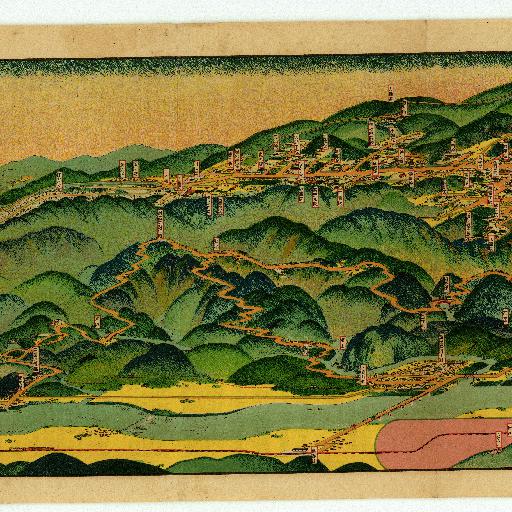
備考<br>・折りたたみ28cm<br>・大正11年1月10日印刷 大正11年1月15日發行<br>・資料課の袋には「1921」とあり<br>・裏に高野山案内あり<br><br> ランドマークに追加した絵葉書はサンプルとして高野山アーカイブ(https://archives.koyasan-u.ac.jp/)を利用させていただきました。
 Posted by高野山アーカイブ更新日:
 すべてのスポット情報
47件のスポット
 SPOT
SPOT

日本語 English 简体中文 重 世 --> 景教碑の傍にあります。遺言により、ゴルドン夫人の遺骨は朝鮮民主主義人民共和国の金剛山(クムガンサン)と高野山奥之院に分骨されて葬られました。 ゴルドン夫人は1851年生まれで、スコットランドの貴族ジョン・エドワード・ゴルドンと結婚して、ビクトリア女王に女官として仕えました。オックスフォード大学に入学して、比較宗教学を学んで、キリスト教と仏教の根本同一を確信したのでした。特に、空海と景教の関係を研究しました。晩年の6年間は京都ホテルに滞在して、研究の日々を送りました。大正十四年(1925)逝去、74歳でした。当時の高野派管長の土宜法龍師とは親交が深く、高野山での葬儀の際は高野山大学・高野山中学を挙げて盛大におこなわれました。 ICP WH --> The grave lies beside the Keikyōhi (Nestorian stele). Mrs. Gordon's remains were divided and buried in Kumgangsan in the Democratic People’s Republic of Korea and Koyasan's Okunoin, according to her will. Mrs. Gordon was born in 1851, married the Scottish noble John Edward Gordon, and served in the court of Queen Victoria. She read comparative religion at Oxford University, and became convinced that Christianity and Buddhism share an identical root. In particular, she studied the relationship between Kūkai and Nestorius. For the last six years of her life she resided in a Kyoto hotel, and devoted herself to research. She passed away in 1925 at the age of 74. She enjoyed a deep friendship with Dogi Hōryū, head priest of the Koya school, and her funeral at Koyasan was a stately affair, involving Koyasan University and Koyasan Junior High School. 重 世 --> 墓是在景教碑的旁边。按照戈登夫人的遗言,她的遗骨被分别埋葬于朝鲜民主主义人民共和国的金刚山和高野山奥之院。 戈登夫人出生于1851年,与苏格兰贵族约翰·爱德华·戈登结婚,并且是侍奉维多利亚女王的女官。她入学牛津大学,学习比较宗教学,确信基督教和佛教的根基是一致的。她特别研究了“空海”和景教之间的关系。她在晚年的6年间入住京都酒店,度过了研究的每一天。她在1925年(大正十四年)逝世,享龄74岁。当时的高野派首长“土宜”法龙师与她交往甚深,在高野山的葬礼之际,高野山大学和高野山中学也都盛大举行了。
日本語 English 简体中文 重 世 --> 伽藍の西端に位置しています。背後には山があり、御社山(みやしろやま)と呼ばれています。 本殿は二社あり、丹生明神(にうみょうじん)、高野明神(こうやみょうじん)を祀っています。その他、総社(そうじゃ)として、十二王子(じゅうにおうじ)・百二十伴神(ひゃくにじゅうばんしん)を祀っています。手前には拝殿があり、山王院(さんのういん)といいます。 正暦五年(994)七月六日と久安五年(1149)五月十二日には、山上で火災が起こりましたが、ともに被害報告はなく、無事であったと考えられています。但し、その後やや朽ちて、承安二年(1172)に修復されました。永正十八年(1521)二月十二日に火災が起こり、この時初めて焼失しました。 文禄三年(1594)の豊臣秀吉登山を契機として、木食応其(もくじきおうご)による伽藍再興の一環として、御社も再建されました。以降、遷宮の記録はありますが、焼失の記録はみられません。 明治四年(1871)五月七日、明治政府の神仏分離政策によって、丹生・高野両明神の御神体は、天野の丹生都比売神社(にうつひめじんじゃ)へ遷宮となり、本殿の二社は金剛界(こんごうかい)・胎蔵(たいぞう)の両「大日堂(だいにちどう)」とすることになりました。丹生・高野の二柱が伽藍へ戻ってくるのは、明治十二年(1879)十二月九日のことになります。 拝殿では、毎年旧暦五月三日に、山王院(さんのういん)竪精(りっせい)が営まれています。 ICP WH --> Located on the west side of Danjō Garan. The mountain to the rear of the shrine is known as Miyashiro-Yama. There are two deities enshrined in the main building: Niu Myōjin and Kōya Myōjin. The site overall also enshrines Jūniōji and Hyakunijū Banshin. There is a house of worship near the entrance, known as Sannōin. Fires broke out on July 6, 994 and May 20, 1149, but there is no report of damage caused by either of them, so it is assumed that the shrine was not affected. The shrine deteriorated subsequently and was repaired in 1172. It was destroyed by fire for the first time on February 12, 1521. In 1594, the shrine was rebuilt as part of the renewal of Danjō Garan undertaken by Mokujiki Ōgo to coincide with Toyotomi Hideyoshi's visit to Koyasan. There are other records of rebuilding subsequently, but none of damage by fire. On May 7, 1871, as part of the Meiji government's Buddhist-Shinto separation policies the objects associated with deities Niu Myōjin and Kōya Myōjin were relocated to Niutsuhime-jinja Shrine in Amano, and the two shrines in the main building became Dainichidō halls for the Kongōkai and Taizō Buddhist traditions. It was on December 9, 1879 that Niu Myōjin and Kōya Myōjin were finally returned to the Danjō Garan. The Sannōin Rissei ceremony is held at the house of worship on May 3 of the lunar calendar each year. 重 世 --> 位于寺院‘坛上伽蓝’的西端。它后面有一座山,被称为御社山。 两个神社都有本殿,供奉着‘丹生明神’、‘高野明神’。另外,作为总神社供奉着‘十二王子神’、‘百二十伴神’。最前面有拜殿,被称为山王院。 994年(正历五年)7月6日和1149年(久安五年)5月12日,山上发生了火灾,但没有收到受害报告,估计应该是平安无事。但是,之后稍有腐朽,于1172年(承安二年)已修复。在1521年(永正十八年)2月12日发生火灾,此时首次被烧毁。 1594年(文禄三年)藉“丰臣秀吉”登山的机会,并作为“木食应其”高僧复兴‘伽蓝’寺院的一个项目,御社也重建了。之后,虽有迁移神殿的记录,但没有看到被烧毁的记录。 1871年(明治四年)5月7日,根据明治政府的神佛分离政策,丹生、高野兩明神的御神体,迁往至天野的‘丹生都比売神社’兩神社的本殿是全刚界、胎藏界的兩个‘大日堂’(安置了大日如来佛的堂)。丹生、高野的二神返回‘伽蓝’寺院是在1879年(明治十二年)12月9日。 关于拜殿,每年旧历5月3日,举行‘山王院竖精’的法事。(竖精:僧侣以讨论方式钻研佛教真言的仪式之一)
六時の鐘(ろくじのかね)
SPOT
 開く
開く
日本語 English 简体中文 重 世 --> 元和四年(1618)、福島正則が亡き両親のために建立したものです。高野山の僧が、一日の時を報せる鐘が山上にないと嘆いていたところを酌んでのことでした。 寛永七年(1630)十月四日に鐘と鐘楼は火災で焼け落ちますが、正則の息子正利が寛永十二年(1635)四月十二日に再建しました。現在の鐘はこのときのものです。 鐘楼は、宝暦三年(1753)六月、明和八年(1771)七月と補修を重ねていましたが、文化六年(1809)七月に火災で焼けました。その後は仮の堂を建てていましたが、天保六年(1835)に再建しました。 ICP WH --> This bell tower was built in 1618 by Masanori Fukushima for his deceased parents. Fukushima is said to have acted in response to the monks of Koyasan lamenting the lack of a bell to mark the time of day. The bell and its tower were destroyed in a fire on October 4, 1630, but rebuilt on April 12, 1635 by Fukushima's son, Masatoshi. The present-day bell dates from this time. The bell tower underwent repairs in June 1753 and July 1771, but was destroyed in a fire in July 1809. A temporary replacement was constructed at that time, but the original tower was reconstructed in 1835. 重 世 --> 1618年(元和四年),武将“福岛正则”为已故的父母建立的。同时也是考虑到高野山的僧侣怨叹山上没有报时钟。 于1630年(宽永七年)10月4日大钟和钟楼由于火灾烧塌, 不过,“正则”的儿子“正利”于1635年(宽永十二年) 4月12日重建。现在的大钟就是在那个时候的大钟。 钟楼于1753年(宝历三年)6月、1771年(明和八年)7月反复维修,但于1809年(文化六年)7月因火灾燃烧了。此后虽建造了临时的楼房,不过在1835年(天保六年)重建了。
日本語 English 简体中文 重 世 --> この塔は、仁和三年(887)、光孝天皇の勅命により、真然(しんぜん)僧正が建立しました。作者不明の金剛界(こんごうかい)五仏(ごぶつ)を安置しています。本尊の大日如来は創建当時のもので、高野山で最古の仏像とされています。最初に建てられた塔は、後に損壊しますが、その時期や原因はわかっていません。 天治元年(1124)に鳥羽院が高野山へ御幸されたのを契機として、大治二年(1127)頃に再建されます。二度目の損壊は、長年の風雪により朽ち果てました。延応二年(1240)に高野山の住僧達が勧進活動を行っていますが、この時の再建がいつであったかは不明となっています。天授三年(1377)、火災により西塔は三度目の損壊となりました。応永六年(1399)に、珠阿弥陀仏(じゅあみだぶつ)という僧が主体となって再建されたと考えられています。永正十八年(1521)、西院谷から起こった火災により、四度目の損壊となりました。三光上人という僧が、西塔再興の綸旨(りんじ)を賜って、各地を勧進活動した結果、天文十六年(1547)に再建されました。寛永七年(1630)、落雷により五度目の損壊となります。天保五年(1834)に再建していますが、この時の再建は、英寂(えいじゃく)・覚道(かくどう)・乗如(じょうにょ)という僧が三代に渡って成し遂げた、正智院(しょうちいん)の独力によるものでした。 この塔で行われていた法会には、長日行法・修正会があり、そのうちの修正会は、金堂で行われる修正会の後に開催されました。 ICP WH --> This pagoda was built by the senior priest Shinzen in 887 on the orders of Emperor Kōkō. Consecrated within it is a statue of the Kongōkai-gobutsu (five buddhas of Kongō world) by an unknown artist. The principal sacred object, a Dainichi Nyorai, dates from the time of the pagoda's establishment, and is said to be the oldest Buddha image in Koyasan. The original pagoda was later destroyed, but the timing and cause are unclear. Its reconstruction in 1127 was occasioned by the visit of Emperor Toba to Koyasan in 1124. The second time the pagoda collapsed was from deterioration after many years of wind and snow. In 1240 the chief priests of Koyasan raised donations for its reconstruction, but it is unclear when exactly the reconstruction was carried out. In 1377 the pagoda was destroyed by fire for a third time. It is thought that the reconstruction took place in 1399 under the leadership of the monk Juamidabutsu. In 1521 it was destroyed for a fourth time by a fire which began in Saiindani. The high monk Sankō was entrusted with an imperial missive to reconstruct the pagoda, and conducted fund-raising activities in various locations. These culminated in the reconstruction in 1547. The pagoda was destroyed for a fifth time following a lightning strike in 1630. It was rebuilt in 1834. The reconstruction was performed over three generations from the Shōchiin Temple: Eijaku, Kakudō, and Jōnyo. The Shūshō-e (New Year's ceremony) and Chōjitsu-gyōbō (conference spanning many days) ceremonies were conducted here. The Shūshō-e ceremony was established after the one of the same name held in the Kondō hall. 重 世 --> 此塔是887年(仁和三年)“真然”僧主奉光孝天皇圣旨而建立的。安置着金刚界五佛,其作者不明。正佛大日如来佛是创建塔当时的佛像,被认为是在高野山最古老的佛像。最初建造的塔,后来被损毁,但其时间和原因尚不清楚。 1124年(天治元年)以天皇“鸟羽院”出行高野山作为契机,于1127年(大治二年)期間重建。第二次的损毁是因遭受多年的风雪而完全腐朽了。1240年(延应二年),高野山的常驻僧侣们为重建进行了化缘活动,但不清楚此时的重建为何时。在1377年(天授三年),由于火灾西塔第三次被损毁。 推测是在1399年(应永六年),以“珠阿弥陀佛”的僧侣为主重建的。在1521(永正十八年),由于西院谷发生的火灾,而遭到第四次的损毁。称“三光上人”的僧侣,奉赐西塔复兴的圣旨,在各地实行化缘活动,结果于1547年(天文十六年)获得重建。在1630年(宽永七年),由于被雷击遭到了第五次的损毁。 于1834年(天保五年)重建,此时的重建是由正智院的僧侣“英寂”、“觉道”、“乘如”通过三代独自努力才完成的。 在这座塔举行的法事有:长日行法(终日修行佛道)、修正会(正月祈福法事)。其中,西塔的修正会是在金堂举行的修正会之后才开办的。

日本語 English 简体中文 重 世 --> 大黒天を安置しています。元々この場所には参籠所(さんろうじょ)があり、御供所は御廟の西側に川を挟んだ形で建てられていましたが、損壊した際に現在の位置へ移動しています。 この堂には、御廟の弘法大師空海へ毎日食事を供える生身供(しょうじんぐ)という大事な勤めがあり、それは現在も行われています。御供所となったのは天文十三年(1544)以降であると考えられており、それ以前は承仕(じょうじ)宿と呼ばれていた建物が、同じ機能を果たしていました。また、行人方(ぎょうにんがた)は、天文年間(1532-1555 )あたりから、ここに二十四名からなる後見(こうけん)という役職を置き、御廟前の燈籠堂(とうろうどう)にて香・花・灯明を供えるなど、各種の勤めを担当していました。 ICP WH --> The Gokusho enshrines Daikokuten (Mahakala). The Sanrōjo (Place of prayer) originally stood on this spot, and the Gokusho was constructed across the river on the western side of the Gobyō (Mausoleum of Kōbō Daishi). It was moved to its present location after it became damaged. The Gokusho has an important role in the Shōjingu ceremony of presenting daily meals to Kōbō Daishi Kūkai at the Gobyō. It is thought that this site became the Gokusho in 1544. Prior to that, a building called the Jōji-shuku performed the same function. From the Tenbun period (1532-1555), the gyōningata group of monks here established posts for 24 men referred to as kōken (guardians). They were responsible for a range of different tasks, including placing offerings of incense, flowers and votive lights at the Tōrōdō (Lantern hall) in front of the Gobyō. 重 世 --> 安置着大黑天财神。当初这个地方是参笼所。以前的御供所是在御庙的西侧,隔着河流建造的,但在损毁后,就被移到现在的位置。 在这座楼房中有一项重要事务,就是每天为御庙的弘法大师“空海”供奉食物的‘生身供’仪式,仍然延续至今。推测这里成为御供所是在1544年(天文十三年)以后,在此以前是被称为僧房的建筑物,履行相同的職能。另外,武僧是从1532~1555年(天文年代)开始,在这里设置了由24个人组成的监护官职,在御庙前的灯笼堂负责供奉香、花、烛火等各种事务。
日本語 English 简体中文 重 世 --> 信長は高野山と対峙して高野攻めを行いました。本能寺の変があり、信長は没して高野山は難を逃れました。しかしながら、奥之院には信長の五輪塔が存在します。砂岩製で、総高230㎝。五輪塔そのものの形式は、江戸時代中頃のものです。おそらく、後年になって信長の供養が高野山で執り行われて、造立された五輪塔と考えられます。 ICP WH --> Nobunaga opposed Koyasan and engaged in a offensive campaign against it. Nobunaga died in the Honnōji Incident, and Koyasan was saved. Nevertheless, the Gorintō pagoda of Oda Nobunaga stands in Okunoin. It is 230cm high and constructed of sandstone. The shape of the pagoda itself dates back to the middle of the Edo era. It is probable that the pagoda was erected some time after Nobunaga's death, when a memorial was held for him at Koyasan. 重 世 --> “信长”与高野山宗教派对峙并进攻高野。因本能寺事变,“信长”驾崩,高野山逃脱了灾难。然而,在奥之院存在着“信长”的五轮塔。它是砂岩制的,塔总高为230厘米。五轮塔本身的形式是江户时代中期的形式。估计可能是后来“信长”的祭祀要在高野山举办而建造的五轮塔。
日本語 English 简体中文 重 世 --> 山王院の北側に位置します。最初の鐘は、鋳造や損壊の年代について、くわしくは不明ですが、木食応其(もくじきおうご)が、天文十六年(1547)に鋳造しており、その鐘が損壊し、元文元年(1736)にふたたび鋳造されています。 ICP WH --> Located on the north side of Sannōin. Details such as the date of casting and dismantling of the original bell are unknown, but the monk Mokujiki Ōgo cast a bell in 1547. That bell was later dismantled and re-cast in 1736. 重 世 --> 它位于山王院的北侧。关于最初的钟,其铸造和损坏的年代不详, 但据说是高僧“木食应其”于1547年(天文十六年),该钟损坏后,在1736年(元文元年)再次被铸造。 现在只剩下这个‘不动坡口’的女人堂了。
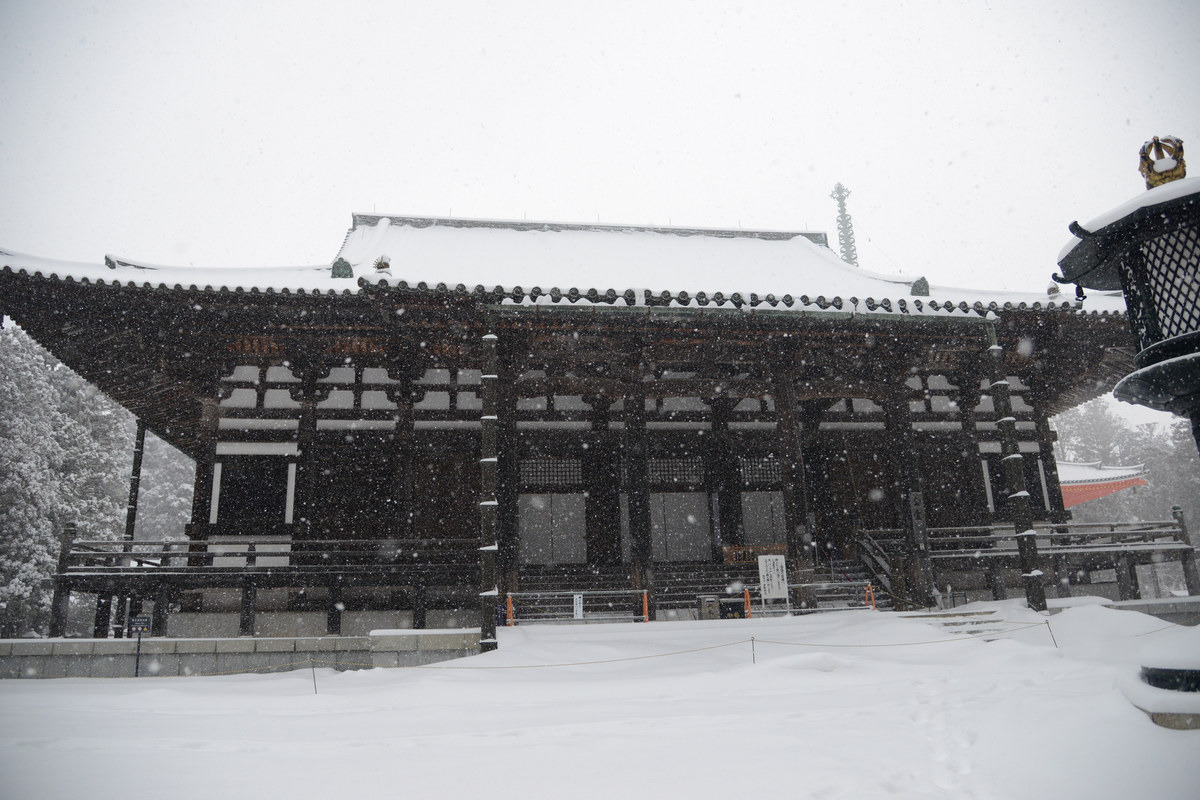
日本語 English 简体中文 重 世 --> 本尊は薬師如来と同体とされる阿閦如来(あしゅくにょらい)です。 この堂は、弘仁十年(819)に弘法大師空海が建立し、最初は講堂と称していました。その後御願堂(ごがんどう)となり、金堂へと変わっていきました。 正暦五年(994)七月六日、落雷にて焼失しました。この後、再建を計画しましたが、当時の紀伊国司による妨害などにより難航したとされています。この時の再建が、いつのことなのかはわかりませんが、久安五年(1149)五月十二日に落雷によって二度目の焼失をしていますので、それ以前であると考えられます。 二度目の再建は短期間でなされ、翌久安六年(1150)七月には完成しました。貞治三年(正平十九年 1364)九月の時点では、また金堂は損壊しており、復旧は応永十九年(1412)のことになります。落慶法要の供養導師は第百四十一世検校の覚実(かくじつ)でした。永正十八年(1521)二月十二日に火災にて焼失します。天正十三年(1585)に、豊臣秀吉が木食応其(もくじきおうご)に再建を命じ、天正十四年(1586)九月七日に至って完成しました。寛永七年(1630)十月七日、落雷にて焼失し、再建されますが、その後も、『紀伊続風土記』には享保年間(1716-1736 )、万延元年(1860)にも再建されたという記述があり、それぞれの時期を遡る形で焼失していることが考えられます。 昭和元年(1926)十二月二十六日に、火災のため焼失します。昭和九年(1934)に再建しますが、一層となりました。これが現在見ることのできる堂となっています。 現在、この堂では、修正会(しゅしょうえ)、常楽会(じょうらくえ)、彼岸会(ひがんえ)、不断経(ふだんぎょう)、結縁灌頂(けちえんかんじょう)など、非常に多くの法会が営まれています。 ICP WH --> The principal sacred objects here are Yakushi Nyorai and Ashuku Nyorai, said to be one and the same deity. The hall was constructed in 819 by Kōbō Daishi (Kūkai) and was originally called the Kōdō, and later the Gogandō, before becoming the Kondō (golden hall). It was burned down after being struck by lightning on July 6, 994. Reconstruction was planned subsequently, but proceeded with difficulty owing in part to obstruction by the governor of Kii. It is unknown when the reconstruction was completed, but the hall was once again destroyed by fire following a lightning strike on May 12, 1149, so the reconstruction must have preceded this date. The second reconstruction was prompt, being completed in July 1150. As of September 1364 the hall had been destroyed again, and was not rebuilt until 1412. The dedication ceremony for the reconstruction was conducted by the 141st temple administrator of Koyasan, Kakujitsu. The hall was lost again to fire on February 12, 1521. In 1585, Toyotomi Hideyoshi ordered the priest Mokujiki Ōgo to rebuild it, and this work was completed on September 7, 1586. The hall was struck by lightning on October 7, 1630 and rebuilt again, but the Kii Shokufudoki also records reconstructions in the Kyōhō period from 1716-36 and in 1860, suggesting that it was also destroyed by fire prior to each of those dates. The hall was once again destroyed in a fire on December 26, 1926. It was rebuilt in 1934 as a single-level structure, which is the form the hall takes today. The hall currently houses an extremely large number of Buddhist ceremonies, including Shūshō-e (New Year's ceremony), Jōraku-e (ceremony held on February 15, the anniversary of Buddha's death), Higan (ceremony held in equinoctial week), the Fudangyō (intoning of the Anupada-sutta scripture), and Kechien-kanjō (ceremony of connection with Buddha). 重 世 --> 正佛是被认为与药师如来佛同体的阿閦如来佛。 金堂是819年(弘仁十年)弘法大师“空海”建造,最初称为讲堂。后来,改为御愿堂,又改为了金堂。 在994年(正历五年)7月6日,它受雷击被烧毁。在此之后,曾计划重建,但据说由于受当时的纪伊国行政官僚的干扰等难以进展。此时的重建,就不知道是什么时候了。不过,在1149年(久安五年)5月12日因受雷击第二次被烧毁,因此重建被认为是那个时候的以前。 第二次重建是在翌年1150年(久安六年)7月短时间完成的。据说于贞治三年(正平十九年 1364)9月,金堂又受损坏,修复是在1412年(应永十九年)。落成典礼法事的供奉导师是第一百四十一代寺院事务监督的“觉实”。1521年(永正十八年)2月12日因火灾被烧毁。 在1585年(天正十三年)“丰臣秀吉”命令高僧“木食应其”重建,直至1586年(天正十四年)9月7日才完成。1630年(宽永七年)10月7日被雷击烧毁后,虽重建,但此后,在《纪伊国地方志》有记述,1716~1736年(享保年代)、1860年(万延元年)也被重建,追溯各个时期可推测都是被烧毁的。 在1926年(昭和元年)12月26日,因火灾被烧毁。于1934年(昭和九年)重建,但它只有一层,就是现在我们能夠参观的殿堂。 目前,在这个殿堂,修正会(正月祈福法事)、常乐会(释迦忌日祭奠)、彼岸会(春分秋分供奉祖先的法事)、不断经(一定期间不断念经为死者祈祷)结缘灌顶(授权与佛结缘,为佛教仪式)等等,运行着非常多的法事。
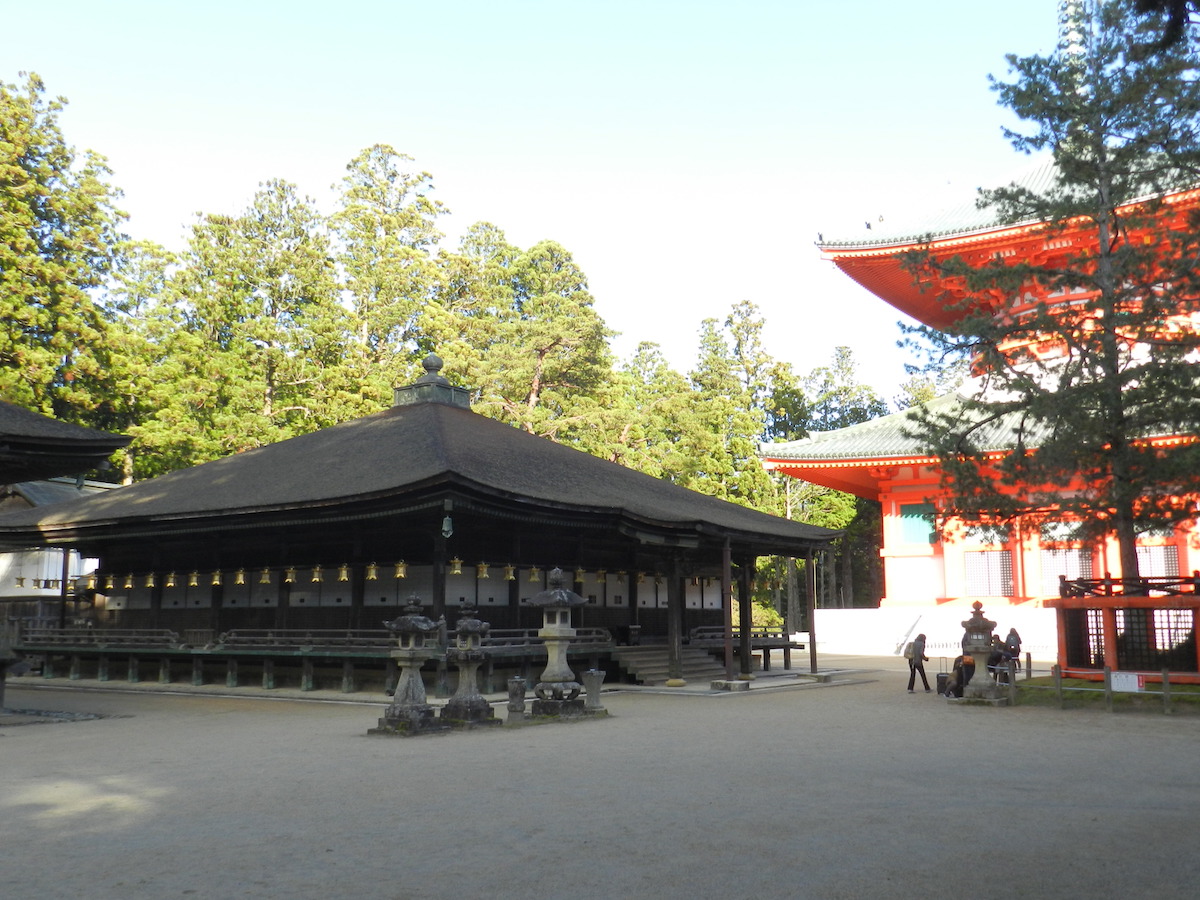
日本語 English 简体中文 重 世 --> 御影堂と呼ばれるようになったのは、弘法大師空海御入定後に大師の御影(みえい)を安置するようになってからのことで、大師在世の頃は、御持仏堂(ごじぶつどう)・念誦堂(ねんじゅどう)・御庵室(ごあんしつ)と呼ばれていたと考えられています。 この堂は、正暦五年(994)、久安五年(1149)に伽藍の堂塔が多く焼失した際には難を遁れましたが、永正十八年(1521)に火災によって焼失してしまいました。その後、天文二年(1533)夏に、弘法大師700年御遠忌(ごおんき)に合わせて再建されています。 再建の記録は少ないですが、修復は何度か行われており、承暦三年(1079)、正平十五年(1360)、応永十九年(1412)、寛正六年(1465)、大永三年(1523)、寛文二年(1662)、文化二年(1805)に実施されています。現在の建物は、弘化四年(1847)に再建されたものです。 御影堂では、長日行法(ちょうじつぎょうぼう)、尊勝陀羅尼(そんしょうだらに)、御影供(みえく)、正御影供(しょうみえく)、御遠忌(ごおんき)などが営まれており、正御影供は明治六年(1873)に太陽暦が導入されてからは新旧二つ開催されることになりました。現在、旧正御影供(旧暦三月二十一日に開催されます)の時には、御影堂の内部を拝見することができます。 ICP WH --> This building is said to have earned the name Miedō (portrait hall) after an image of Kōbō Daishi (Kūkai) was enshrined here after his death. During Kōbō Daishi's lifetime, the hall is thought to have been known by the names Gojibutsu-dō, Nenju-dō, and Goan-shitsu.。 The hall escaped harm in the major fires that destroyed many of the buildings of the Garan in 994 and 1149, but it was destroyed in the fire of 1521. The hall was rebuilt in summer 1533, to coincide with the Go-onki, a ceremony held every 50 years to commemorate the death of Kōbō Daishi. The 1533 Go-onki was the 14th such ceremony, so it marked the 700th anniversary of Kōbō Daishi death. There are few records of rebuilding, but repair work on the hall was carried out in 1079, 1360, 1412, 1465, 1523, 1662, and 1805. The present-day hall was constructed in 1847. The hall hosts ceremonies including Chōjitsu-gyōbō (conference spanning many days), Sonshō-darani (long ceremony to preach about meritorious acts of Sonshō-bucchōson), Mieku (monthly ceremony with image of Kobo Daishi on his death anniversary), Shō-mieku (annual ceremony with image of Kobo Daishi on his death anniversary), and Go-onki. Since the solar calendar was officially adopted in 1873, the Shō-mieku ceremony has been held twice annually on both solar and lunar dates. The hall is open to visitors on the lunar calendar date of the Shō-mieku ceremony (lunar March 21). 重 世 --> 被称为御影堂的是由于弘法大师“空海”入定后,將大师的佛像安置在那里。据说大师在世的时候,被称为御持佛堂、念诵堂、御庵堂。 这座殿堂在994年(正历五年)、1149年(久安五年),‘伽蓝’寺院的许多堂塔被烧毁时逃脱了灾难,但在1521年(永正十八年)因火灾被烧毁。之后,在1533年(天文二年)夏天,缀合弘法大师700周年的忌日祭奠重建。 之后,在1533年(天文二年)夏天,缀合弘法大师700周年的忌日祭奠重建。重建的记录很少,不过曾在以下年代维修过多次:1079年(承历三年)、1360年(正平十五年)、1412年(应永十九年)、1465年(宽正六年)、1523年(大永三年)、1662年(宽文二年)、1805年(文化二年)。目前的建筑是在1847年(弘化四年)重建的。 在御影堂执行长日行法(终日修行佛道)、尊胜陀罗尼(念咒尊胜佛经)、御影供(供奉佛像法事)、正御影供(正供奉佛像法事)、御远忌(50周年后的忌日祭奠)等,正御影供自从1873年(明治六年)引入太阳历以来,变为新旧两次举办。现在,旧的正御影供(于旧历3月21日举行)的时候,能夠观拜御影堂的内部。
根本大塔(こんぽんだいとう)
SPOT
開く
日本語 English 简体中文 重 世 --> 本尊は胎蔵大日如来です。この塔が最初に建立された時期は不明ですが、弘法大師空海により、弘仁十年(819)に建立された金堂よりは後のこととされています。場所を選定した際、地中から剣・経軸・輪宝が出土したという伝承があります。その内、剣・輪宝は元の場所に戻し、経軸は転軸山へ埋めたそうです。 正暦五年(994)七月六日、落雷にて焼失。この頃、高野山は荒廃しており、復興は中々進みませんでした。再建されるのは康和五年(1103)十一月二十五日のことになります。久安五年(1149)五月十二日、落雷にて本尊の頭部と脇士(わきじ)三体を残し、その他は焼失しました。久寿三年(1156)に再建し、建久九年(1198)に修復を行っていますが、その三十六年後には損壊しています。遍照光院(へんじょうこういん)の良印(りょういん)が朝廷・鎌倉幕府に再建を訴え、嘉禎四年(1238)三月十九日に再建しました。また、元応二年(1320)四月二日、文安三年(1446)八月には修造が加えられています。しかし、永正十八年(1521)二月十二日、火災により焼失しました。文禄三年(1594)の豊臣秀吉登山を契機として、翌文禄四年(1595)正月二十一日から大塔の再建が始まり、慶長二年(1597)三月二十一日に落慶供養が執り行われました。寛永七年(1630)十月七日に落雷で焼失した際には、第二百三十一世検校(けんぎょう)の宥盛(ゆうせい)法印が責任を負い、高野山を出ることになりました。宥盛は江戸幕府に大塔の再建を陳情し、寛永二十年(1643)頃再建されました。宥盛は功績を認められ、寛永八年(1631)には帰山を許可されました。 天保十四年(1843)、火災にて焼失し、その後しばらくは、礎石のみを残す状態でした。昭和十二年(1937)に鉄筋コンクリート造りで再建され、今に至っています。 ICP WH --> The principal sacred object here is a Taizō Dainichi Nyorai. The original date of construction of the pagoda is unknown, but it is said to be later than the Kondō (golden hall) constructed by Kōbō Daishi (Kūkai) in 819. Legend has it that swords, scrolls for pilgrims, and wheel-shaped treasures were dug out of the earth on the site selected for construction of the pagoda. The swords and treasures were returned to their original resting place, and the scrolls buried on Mt. Tenjiku. The pagoda was destroyed by fire on July 6, 994. Many parts of Koyasan had also fallen into disrepair by this stage, and reconstruction did not proceed smoothly. The pagoda was finally reconstructed on 25 November, 1103. Following a lightning strike on May 12, 1149, all but the head of the sacred object and three side statues were destroyed by fire. The pagoda was reconstructed in 1156 and repairs were carried out in 1198, but it was damaged again in 1234. The priest of Henjōkōin Temple, Ryōin, successfully lobbied the imperial court and Kamakura Shogunate to reconstruct the pagoda, and it was completed on March 19, 1238. Repair work on the pagoda was also undertaken on April 2, 1320, and in August 1446. However, the pagoda was once again destroyed in a fire on February 12, 1521. Reconstruction work occasioned by Toyotomi Hideyoshi's visit to Koyasan in 1594 was commenced on January 21, 1595, and a completion ceremony was held on March 21, 1597. When the pagoda was destroyed by fire following a lightning strike on October 7, 1630, the 231st temple administrator of Koyasan, Yūsei took responsibility and left Koyasan. Yūsei petitioned the Edo Shogunate to rebuild the pagoda, and this was completed in 1643. Yūsei's efforts were acknowledged by the granting of permission for him to return to Koyasan in 1631. The pagoda was destroyed in a fire in 1843, and only the foundation stone remained in place for a considerable period thereafter. The current construction of reinforced concrete was completed in 1937. 重 世 --> 正佛是胎藏大日如来佛。这个塔最初被修建的时期不明,但推测是由弘法大师“空海”于819年(弘仁十年)建造的金堂以后才建的。传说在选定地方的时候,从地下发掘出剑、佛经轴、轮宝 据说将其中的剑、轮宝放回原地,将佛经轴埋至转轴山。 994年(正历五年)7月6日,受雷击被烧毁。此时,高野山被荒废,复兴久久没有进展。重建是在1103年(康和五年)11月25日。1149年(久安五年)5月12日,因受雷击,剰下正佛的头部和三尊胁侍佛像,其他都被烧毁。于1156年(久寿三年)重建并于1198年(建久九年)进行修复,不过在三十六年后被损毁。遍照光院的“良印”向朝廷和镰仓幕府上诉重建,于1238年(嘉祯四年)3月19日重建。此外,在1320年(元应二年)4月、1446年(文安三年)8月进行了修缮。可是,1521年(永正十八年)2月12日,由于火灾被烧毁。1594年(文禄三年)的“丰臣秀吉”登山作为契机,从翌年1595年(文俸禄四年)1月21日开始重建大塔,1597年(庆长二年)3月21日举行了落成典礼的供奉。1630年(宽永七年)10月7日由于受雷击被烧毁的时候,第二百三十一代寺院事务监督的“宥盛法印”承担烧毁责任,离开了高野山。“宥盛”向江户幕府请愿重建大塔,于1643年(宽永二十年)重建。“宥盛”的功绩受到承认,1631年(宽永八年)获得批准归山。 在1843年(天保十四年),它因火灾被烧毁了,之后很长时间只残留着基石的状况。于1937年(昭和十二年)用钢筋混凝土构造重建,至到今时。
灯籠堂(とうろうどう)
SPOT
開く日本語 English 简体中文 重 世 --> ここでは、スマートフォン・タブレット等の現地使用をご遠慮下さい。 御廟前に南向きに立ちます。古くは「礼殿」「礼堂」、または「拝殿」と称していました。空海の甥の真然が建立したと伝えます。ここは御廟を拝する場所でした。 「燈籠堂」と称されるようになったのは、長和五年(1016)祈親上人が同堂で誓火を捧げたことによります。この献火は「祈親燈(別名:貧女の一燈)」と称されて、白河法皇の「白河燈」、昭和天皇による「昭和燈」とともに、現在も火種を絶やさずに献燈され続いています。この他、燈籠堂にはたくさんの方々の願いが込められた多数の燈籠が奉納されて、堂内で灯火されています。 現在の燈籠堂は、昭和四十年(1965)高野山開創1150年を記念して改築されました。 ICP WH --> Please refrain from using devices such as smartphones or tablets here. This hall stands in front of the Gobyō (Mausoleum of Kōbō Daishi), facing south. In the past it has variously been called "Reiden (House of ceremony)", "Reidō (Hall of ceremony)" and "Haiden (House of worship)".It is said that the hall was built by Shinnen, nephew of Kūkai. It was a place where people worshipped the Mausoleum. It became known as Tōrōdō (lantern hall) because the high priest Kishin Shōnin pledged an oath of fire here in 1016.This oath of fire was called the Kishintō (Kishin lantern, also known as the poor woman's lamp). Together with the Shirakawatō of Cloistered Emperor Shirakawa and the Shōwatō of Emperor Showa,its flame has never been allowed to die. The hall also contains many other burning lanterns representing the fervent wishes of numerous other individuals. The present-day Tōrōdō was renovated in 1965 to commemorate the 1,150th anniversary of Koyasan's founding. 重 世 --> 请勿在此地使用智能手机、平板电脑等。 它位于御庙前的朝南方向。古时,它被称为‘礼殿’、‘礼堂’或‘拜殿’。传说是大师“空海”的侄子“真然”建立的。这里曾是拜御庙的地方。 它被称为‘灯笼堂’是因为1016年(长和五年)“祈亲”高僧在该堂奉献誓火而命名。这个献火点灯被称为‘祈亲灯(又名:贫女的一灯)’,它与白河法皇的‘白河灯’、昭和天皇的‘昭和灯’一様是不灭火种至今一直延续着献灯。此外,灯笼堂里奉纳着充滿了无数人们愿望的许多灯笼,在堂内点亮灯火。 目前的灯笼堂是于1965年(昭和四十年)为纪念开创高野山1150周年而重建。
日本語 English 简体中文 崇源院とは、江戸幕府第二代将軍の徳川秀忠夫人「お江(ごう)」のことです。高さは8m以上もあります。高野山で最も大きな石塔で、「一番石塔」と称されています。立てた人物は、お江の子供の駿河大納言徳川忠長です。 お江は寛永三年(1626)九月十五日に逝去します。五輪塔の銘文には寛永四年(1627)九月十五日とあります。没後一年後のことですので、お江の一周忌の時に立てられた五輪塔であることを示しています。花崗岩製で、瀬戸内から産出された石材を、水運を利用して紀ノ川から荷揚げしたものと思われます。高野山へは人力で運び込まれたことが分かっています。 Sugenin "is Mrs. Hidetada Tokugawa "Ogō" of the second Edo Shogunate brigadier forces. There is the height more than 8m. It is called "1st stone" in the biggest tower for the repose of souls in Mt. Koya-san. The person whom I put up is Suruga chief councillor of state Tadanaga Tokugawa of the child of Mrs. Gō. Mrs. Gō dies on (1626) September 15 for Kanei era three years. The inscription of the five-ring tower has it with (1627) September 15 for Kanei era four years. Because it is one year later, I show that it is a five-ring tower put up at the time of one round mourning of Mrs. Gō after death. It is made by granite, and it seems that I unloaded building stones produced from Setouchi from Kinokawa using transportation by water. It is revealed that it was carried by human power to Mt. Koya-san. 和崇资源院,作在"江"的事情上江户幕府第2费将军的德川秀忠夫人。高度也有超过8m。被在最大的石塔在高野山称为"第一名石塔"。推举了的人物是江的小孩的駿河大納言徳川忠長。 江在寛永三年(1626)9月15日去世。对奥林匹克塔的标题,和寛永四年(1627)9月15日有。因为是死后一年后来所以正显示作为被把在江的一周忌的时候竖起来了的奥林匹克塔的。人们认为使用水运,把被用花岗岩制造的从濑户内出产了的石料从纪之川上卸下来了。高野山知道被用人力搬进了。
日本語 English 简体中文 重 世 --> ここでは、スマートフォン・タブレット等の現地使用をご遠慮下さい。 御廟の西側に立ちます。八角宝形造(ほうぎょうづくり)の建物です。創建の年は明らかにしませんが、文禄5年(1596)正月二十九日の燈籠堂炎上の時に類焼して、同年三月二十日木食応其(もくじきおうご)により再建されています。 現在の骨堂は昭和二年(1927)弘法大師御入定1100年御遠忌事業の一つとして建立されたものです。現在も、全国から宗旨や宗派を問わず、故人の御遺骨が納められています。 ICP WH --> Please refrain from using devices such as smartphones or tablets here. Standing on the western side of the Gobyō (Mausoleum of Kōbō Daishi), this building is roofed in the shape of an octagonal pyramid.It is unclear when the hall was originally constructed, but it was burnt down on January 29, 1596, in the same fire that destroyed the Tōrōdō (Lantern hall), and rebuilt by Mokujiki Ōgo on March 20 of the same year. The present day Kotsudō was constructed in 1927 as one of the memorial projects to commemorate the 1,100th anniversary of Kōbō Daishi Kūkai's entry into Nirvana.The remains of those who have passed away are preserved here even today, regardless of denomination or sect. 重 世 --> 请勿在此地使用智能手机、平板电脑等。 它位于御庙的西侧,是八角攒尖顶的建筑物。虽然创建年份不明确,但1596年(文禄5年)1月29日的灯笼堂失火的时候被延烧,于同年3月20日由“木食应其”高僧重建。 現现在的骨灰堂是1927年(昭和二年)作为弘法大师入定1100周年的忌日法事之一而建造的。 现在仍有从全国各地不论其宗教或教派,都来安放故人的遗骨。
日本語 English 简体中文 重 世 --> 慶長の役における敵味方の戦死者を弔うため、島津義弘・忠恒父子が建立しました。 石碑には、戦闘は慶長二年(1597)八月十五日と同十月一日に行われ、石碑の建立は慶長四年(1599)六月上旬とあります。この時期朝鮮半島は「李氏朝鮮」時代ですが、碑文には「高麗国」とあります。 この石碑は、元々は現在の位置にはなく、御供所(ごくしょ)付近にありました。石碑の隣にある石塔は、『紀伊国名所図会』では「松平サツマ」とあり、島津家のものであることがわかります。石碑と石塔は共に島津家のものであるため、後年になってまとめられたものと考えられます。 ICP WH --> This monument was erected by a father and son, Shimazu Yoshihiro and Shimazu Tadatsune, to commemorate those who fought and died on both sides in the Keichō campaign. The stone monument records that battles took place on August 15 and October 1, 1597, and that the monument itself was erected in early June 1599. At this time, the Korean peninsular was under the control of the Joseon dynasty, but the monument refers to it as "Goryeo". This stone monument was originally located near the Gokusho (Place of daily offering). The stone tower next to the monument is described in Kii-no-kuni Meisho Zue (Places of Interest in Kii Province) as 'Matsudaira Satsuma', indicating it was the work of the Shimazu family. It is thought that the stone monument and tower, both erected by the Shimazu family, were subsequently relocated to be next to each other. 重 世 --> 这是“岛津义弘、忠恒”父子为了哀悼万历朝鲜战役中敌军和盟军战死者而建立的。 石碑上记载,战斗是在1597年(庆长二年)8月15日和10月1日进行,石碑建立是在1599年(庆长四年)6月上旬。在此期间,朝鲜半岛是‘李氏朝鲜’时代,但题词是‘高丽国’。 这座石碑当初不是在现在的位置,而是在御供所的附近。石碑旁边的石塔,《纪伊国名胜图》中的记载是‘松平萨摩’,可知是属于岛津家的。由于石碑和石塔都属于岛津家族,推测后来被归拢到一起了。
日本語 English 简体中文 重 世 --> 昭和十五年(1940)五月十七日に、豊公会(ほうこうかい)(豊臣秀吉の奉賛会)により立てられた秀吉の五輪塔です。 江戸時代後期に出版された『紀伊国名所図会(きのくにめいしょずえ)』には、秀吉の五輪塔が描かれていますが、現在のところ発見されていません。現在は豊臣家墓所に建てられています。前面には、秀吉の母の大政所や弟の秀長、浅野長政らの五輪塔が並んでいます。 秀吉の五輪塔の内部には、秀吉の衣冠束帯姿の古い木像が納められています。 ICP WH --> This pagoda in memory of Toyotomi Hideyoshi was erected by Hōkōkai (association of devotees of Toyotomi Hideyoshi) on May 17, 1940. A five-ringed pagoda dedicated to Toyotomi Hideyoshi is depicted in "Kii-no-kuni Meisho Zue (Places of Interest in Kii Province)". However, this pagoda has not been discovered as yet. The present-day pagoda stands at the Toyotomi Clan mausoleum. In front of it stand other five-ringed pagodas such as those of Hideyoshi's mother Ōmandokoro, his younger brother Hidenaga and his retainer Asano Nagamasa. Inside, the pagoda contains an old wooden image of Hideyoshi in traditional court attire. 重 世 --> 1940年(昭和十五年)5月17日,由丰公会(“丰臣秀吉”的赞助会)建造了“秀吉”的五轮塔。 在江户时代后期出版的《纪伊国名胜图》中描绘着“秀吉”的五轮塔,但目前在那里并未被发现。现在“秀吉”的五轮塔是建于丰臣家族的墓地。前面排列着“秀吉”的母亲“大政所”、“秀吉”的弟弟“秀长”和“浅野长政”等人的五轮塔。 在五轮塔的内部,收纳着“秀吉”公卿穿着礼服的全身旧木雕像。
日本語 English 简体中文 重 世 --> 光秀のものと伝える五輪塔ですが、銘文はありません。砂岩製で、高さは178㎝です。全体に割れて、破損しています。今の石塔が造られた時代は、江戸時代中頃と推定されます。 この明智光秀の石塔には、何度造り直しても破損する、との伝承があります。主君である織田信長を討った謀反人としての光秀のイメージが、高野山においても伝えられてきたのでしょう。 ICP WH --> This pagoda carries no inscription, but is traditionally said to be dedicated to Mitsuhide. Standing 178cm tall, it is carved of sandstone. The whole structure is cracked and damaged. The present-day structure is thought to have been erected in the mid-Edo era. It is traditionally said that this stone pagoda for Akechi Mitsuhide always becomes damaged, no matter how many times it is rebuilt. The image of Akechi Mitsuhide as a rebel who betrayed his master Oda Nobunaga has been passed down through generations at Koyasan. 重 世 --> 该塔没有铭文,但传说是“光秀”的五轮塔。是由砂岩制成,高178厘米。整体已龟裂破烂。目前的石塔建造时代估计是江户时代中期。 传说这座“明智光秀” 的石塔即使多次重建亦会破损。“光秀” 作为讨伐君主“织田信长”的造反者形象在高野山也有传说。
中の橋(なかのはし)周辺
SPOT
開く日本語 English 简体中文 この橋は、一の橋・御廟橋(みみょうのはし)間にあることから中の橋と呼ばれます。また手水谷(ちょうずだに)に架けられているため、手水橋(ちょうずばし)とも呼ばれていたそうです。 『高野山秘記(こうやさんひき)』では、この谷を流れる川の名前を美志頭万利(みしづまり)川と記載しています。 この橋のたもとには、棺掛桜(かんかけざくら)・汗流地蔵(あせかきじぞう)・姿見の井戸(すがたみのいど)があります。まず、棺掛桜には、嵯峨天皇の棺が飛んできて掛けられたという伝承がありますが、『高野山秘記』では、棺が到着したのは伽藍北側の真言堂後山(しんごんどううしろやま)とされています。また『紀伊続風土記(きいしょくふどき)』でも、後世の人が嵯峨天皇の行跡を讃えて、この場所に桜を植えたと記しています。 汗流地蔵は、造像の由来はわかっていません。衆生救済のため、様々な地獄へ赴き、責め苦を受けるといわれています。 姿見の井戸には、井戸の中を覗き、姿が映らなかった場合は、その人が三年以内に亡くなるという俗説がありますが、元々は薬井(くすりい)と呼ばれ、その水は病を癒やすといわれています。 なお、この橋には、寛永二年(1625)から同三年(1626)の間に架け替えたという記録が残されています。 The name of this bridge comes from its position in the middle (naka), between Ichinohashi (First bridge) and Mimyōnohashi (Mausoleum bridge). Spanning Chōzudani valley, it was also called Chōzubashi bridge. In Kōyasan Hiki (Secret Records of Koyasan) the name of the river that runs through this valley is recorded as Mishizumari river. The Kankake (hanging coffin) Zakura sakura tree, Asekaki (sweating) Jizō statue and Sugatami no Ido (mirror well) all lie at the foot of the bridge.It is said that the coffin of Emperor Saga flew through the air and landed in the Kankakezakura sakura tree. But according to Kōyasan Hiki the coffin landed against Shingondō Ushiroyama mountain, which stands to the north of the temple buildings. According to the Kii Shokufudoki (Records of Kii) the sakura tree was planted by later generations to pay homage to the work of Emperor Saga. Asekaki Jizō was created by an unknown sculptor. It is said that the Jizō travels to various hells and undergoes torture in order to relieve human suffering. There is a popular belief that those who gaze into the Sugatami no Ido well and do not see their reflection in the waters below are destined to die within three years.However, the well was originally named Kusuri-i (Medicine well), and it is said that its waters can cure disease. It is recorded that Nakanohashi bridge was rebuilt from 1625 to 1626. 这座桥被称为‘中之桥’是因为它位于‘一之桥’和‘御庙桥’中间。此外,据说由于它架于‘手水谷’,故亦被称为‘手水桥’。 在《高野山秘记》中,流淌在这个山沟的河流名称记载为‘美志头万利川’。 在桥脚有挂棺樱、流汗地藏、观姿井。首先,关于挂棺樱,传说它飘挂在嵯峨天皇的棺材之上,但在《高野山秘记》中,认为棺材是运至伽蓝北侧的真言堂后山。此外《纪伊国地方志》也记述,后人们赞颂嵯峨天皇的品行并在这个地方种植了樱花树。 关于流汗地藏,造像的来历不祥。据说它为救济众生,前往各种各样的地狱受尽折磨。 姿关于观姿井,民间传说如果窥视井里,照不到自己的话,那个人将会三年以内死亡,但据说它原本叫做药井,井水可以治愈疾病。 此外,有存留的记述,这座桥梁在从1625年(宽永二年)至1626年(宽永三年)期间曾重新架设过。
景教碑(けいきょうひ)
SPOT
開く日本語 English 简体中文 重 世 --> 正式には、大秦景教流行中国碑(だいしんけいきょうりゅうこうちゅうごくひ)といいます。16世紀、明時代の末に長安の崇聖寺の境内で発掘された古碑です。ネストリウス派(景教:古代キリスト教の教派の1つ)の教義や中国への伝来などを刻しています。唐代の建中二年(781)に建立されたもので、古代キリスト教関連の古碑ということで世界的に有名です。現在は西安碑林博物館に保管されています。景教が長安で布教されていたことを示す貴重な記録となっています。 高野山奥之院の景教碑は、イギリスの宗教学者であるエリザベス・ゴルドン夫人が明治末年に建てた同碑の複製です。同夫人は、中国に留学した弘法大師も、景教と何らかの接触があったと考えたのでした。 ICP WH --> The stele's proper name in Japanese is Daishin Keikyō Ryūkō Chūgōkuhi, (Memorial of the propagation in China of the luminous religion from Daqin). This ancient stele was unearthed in the 16th century, in the last years of China's Ming dynasty, in the grounds of Chongsheng Temple in Chang'an. It is inscribed with the doctrine of Nestorianism (an ancient Christian sect) and its transmission to China.The stele was erected in 781, the second year of the Jianzhong era in the Tang Dynasty, and is famous around the world as an historical memorial related to ancient Christianity. The stele is now preserved in the Forest of Stone Steles Museum in Xi'an. It represents a valuable record of the propagation of Nestorianism in Chang'an. The Nestorian stele in Koyasan Okunoin is a replica of this stele, erected at the end of the Meiji era by the English religious scholar Elizabeth Gordon. Mrs. Gordon believed that Kōbō Daishi, who studied in China, somehow came in contact with Nestorianism. 重 世 --> 正式称为‘大秦景教流行中国碑’。它是16世纪明朝末期,在长安的崇圣寺院内出土的古石碑。它刻着‘聶斯脫里主義’(景教∶古代基督教的教派之一)的教义和传到中国的由来等。由于它是在唐朝781年(建中二年)建造,与古代基督教有关联的古石碑,因此在世界上很出名。它目前保存在西安石林博物馆,是一个标示了景教在长安传教的珍贵记录。 高野山奥之院的景教碑是英国宗教学者伊丽莎白·戈登夫人在明治末年复制该碑建造的。该夫人认为曾在中国留学的弘法大师也与景教有过某些接触。
日本語 English 简体中文 この柳にまつわる伝承には、かつて、この場所に大蛇がいて、弘法大師空海によって追い払われ、大蛇のいた場所に柳が生えたとする説、弘法大師が大蛇を柳に変えたとする説、柳の形が蛇がうねるようにみえることから名づけられた説があります。 蛇柳(Salix eriocarpa)という種類の柳が実在していますが、この柳がそれに該当するかは不明です。また、山内で重い罪を犯した者がこの柳の下に生き埋めにされるという話もあり、この刑罰を石子詰め(いしこづめ)といいます。石子詰めは必ず深夜に行われたと伝わっています。柳と川の位置関係も絵図によって異なっており、川の流れが変化している可能性があります。 現在、柳の木はなく、この柳があったとされる場所には、供養塔が建てられています。 Among the traditions associated with this willow tree, there is a story that the place where it stands was once home to a great snake, which was driven away by Kōbō Daishi Kūkai. A willow tree then grew on the spot. Some say that Kōbō Daishi transformed the great snake into a willow tree, while others say that the name came from the tree's long, snake-like branches. There is a species of willow tree called snake willow (Salix eriocarpa), but it is uncertain whether or not this tree belonged to that species. It is also said that those who committed grievous crimes in Koyasan were executed by being buried alive under this tree, in a punishment known as ishikozume (burial under stones). It is said that ishikozume was always carried out in the middle of the night.The relative locations of the willow and the river differ among the various maps, and it is possible that the river has changed its course over time. The willow tree no longer exists, and a memorial tower has been erected where it once stood. 关于这棵柳树有各种传说,有说是,以前这个地方有一条大蛇,被弘法大师“空海”趕走了,大蛇曾在的地方长出了柳树;有说是,弘法大师把大蛇变成柳树;有说是,因为柳树的形状看起来象蛇一様弯弯扭扭而命名。 蛇柳这一品种的柳树确实存在,但这棵柳树是否该品种并不明确。此外,传说在山里犯了重罪的人会被活埋在这棵柳树下,这种刑罚称为石子活埋。据说石子活埋必定是在深夜进行。柳树和河流的位置关系也因图而异,这可能是由于河流的流动变化所致。 现在这里已没有柳树,在这棵柳树的原来位置建造了一座供奉塔。
日本語 English 简体中文 ここから先は、スマートフォン・タブレット等の現地使用をご遠慮下さい。 --> 別名を荒川経蔵(あらかわきょうぞう)・金泥一切経蔵(きんでいいっさいきょうぞう)といいます。六角六面のため「六角経蔵」と呼ばれますが、元々、八角で建立する予定であったようです。 平治元年(1159)、美福門院(びふくもんいん)藤原得子(ふじわらのなりこ)により、夫である鳥羽院の菩提を弔うため建立され、快慶の作とされる本尊の釈迦如来、四天王、深沙大将(じんじゃだいしょう)、執金剛神(しゅこんごうしん)と、紺紙金泥の『一切経』が安置されました。『一切経』の表題は美福門院が自筆しました。その際、紀伊国安楽川荘(あらかわのしょう)(現和歌山県紀の川市)が寄進されています。 永正十八年(1521)の火災の際には被害を免れましたが、年月を経て老朽化しました。その後、木食応其(もくじきおうご)の発願により再建が行われ、天正十九年(1591)に落慶供養が執り行われました。 文化六年(1809)に火災によって焼失し、文政年間(1818-1831)に再建されました。現在の建物は、昭和九年(1934)に再建されたものです。 Please refrain from using devices such as smartphones or tablets from this point. --> This scripture depository is also known as Arakawa Kyōzō and Kindei Issai Kyōzō. The name Rokkaku Kyōzō derives from its hexagonal (rokkaku) shape, but the original plan was to build it in octagonal shape. It was built in 1159 by the Empress consort Bifukumon'in (Fujiwara no Nariko) as a memorial to her late husband, Emperor Toba. The main objects consecrated here were a Shaka Nyorai, said to be the work of the artist Kaikei, a Shitennō, a Jinjadaishō, a Shukongōshin, and the complete Buddhist scriptures written in gold on indigo paper. The title of the scriptures was hand-written by Bifukumon'in. The Arakawanoshō estate in Kii (present-day Kinokawa city of Wakayama prefecture) was also donated at this time. The depository escaped damage in the fire of 1521, but became dilapidated over time. It was rebuilt on the request of Mokujiki Ōgo, with a completion ceremony held in 1591. It was destroyed by fire in 1809, and rebuilt in the Bunsei period (1818-1831). The current building dates from 1934. 从这里开始,请勿使用智能手机、平板电脑等。 --> 别名又称为荒川经藏、金泥一切经藏。因为它是六角六面的形状,所以被称为‘六角经藏’,但据说原本计划是用八角形建造。 1159年(平治元年),皇后“美福门院·藤原德子”,为她丈夫“鸟羽院”天皇祈冥福而建立,并安置着造佛师“快庆”制作的本尊神釈迦如来佛、四天王、深沙大将、执金刚神和 绀纸金泥的‘一切经’。 ‘一切经’的标题是“美福门院”皇后亲自书写。当时,她还捐赠了纪伊国安乐川庄(现在的和歌山县纪之川市)。 在1521年(永正十八年)火灾时幸免受害,但是随着岁月流逝老化了。之后,根据高僧“木食其应”的祈愿进行重建,于1591年(天正十九年)举行了落成典礼供奉法事。 在1809年(文化六年)由于火灾被烧毁,并在1818~1831年(文政年代)重建。现在的建筑是于1934年(昭和九年)重建的。
日本語 English 简体中文 ここから先は、スマートフォン・タブレット等の現地使用をご遠慮下さい。 --> 東塔(とうとう)の東から六時鐘(ろくじのかね)の辺りまでの通路を蛇原といいます。『高野山秘記(こうやさんひき)』では、壇上を龍の頭として、龍が西向きに横たわっていると見立て、この通路は龍の腹としています。「蛇腹」とも書かれます。 山上に横たわっていた蛇は、弘法大師にとって、高野山開創の障害とされ、大師から立ち退きを求められましたが、蛇は無視したため、大師によって体中に毒虫をまとわりつかされ、かゆみに耐えかねて立ち去ったと伝わっています。 高野山における蛇の伝承は、この蛇原のほか、奥の院の蛇柳(じゃやなぎ)や、笛・竹箒使用禁止の掟などがあります。 Please refrain from using devices such as smartphones or tablets from this point. --> Jabara is the name given to the path from the east of the Tōtō pagoda through to the area around Rokuji no Kane bell. The Kōyasan Hiki (Secret Records of Koyasan) states that if the Danjō represents the head of a dragon whose body lies out to the west, this path is the belly of the dragon. Its name, Jabara, can also be written in characters meaning "dragon's belly." It is said that a great snake (dragon) lying along the mountaintop was obstructing Kōbō Daishi's efforts to establish Koyasan, and ignoring the Daishi's requests to leave. The Daishi therefore placed venomous insects all over the snake's body, causing an irresistible itching which prompted the dragon to leave. This Jabara path is not the only remnant of legends of the great snake of Koyasan. Others include the Jayanagi (snake willow) of Okunoin, and the prohibition on the use of items such as whistles and bamboo brooms which are said to attract snakes. 从这里开始,请勿使用智能手机、平板电脑等。 --> 从东塔东边到‘六时的钟’附近的通道称为蛇原。在《高野山秘记》中,假设将坛上视为龙头,龙身朝西躺卧,蛇原通道就是龙的腹部。也被写为‘蛇腹’。 据说,躺在山上的蛇是对弘法大师开创高野山的障碍,大师要求它撤离,但由于蛇不理会,大师便在它身上放毒虫缠身,蛇痒得难以忍受而离开了。 高野山里蛇的传说,除了这个蛇原,还有奥之院的蛇柳,以及禁止使用笛子和竹扫帚的规则等々。
日本語 English 简体中文 国 世 建造物自体が国宝に指定されています。高野山に現存する最古の建造物です。八条女院(はちじょうにょいん)の発願によって、建久九年(1198)に行勝(ぎょうしょう)上人が建立したと伝えられています。 現在は壇上伽藍の中にありますが、本来は伽藍北側の山を越えた、一心院谷(いっしんいんだに)という場所に建てられており、明治四十一年(1908)に解体修理をした際、現在の場所へ移築されることになりました。また、この堂には、四人の飛騨匠(ひだのたくみ)が自由に建築しましたが、僅かなズレもなく完成したという伝承があります。 本尊の不動明王は重要文化財に、八大童子は国宝に指定されています。中でも八大童子像は、仏師運慶(うんけい)のグループが制作したとされています。 NT WH The building itself is the oldest surviving in Koyasan, and is classified as a National Treasure. It is said to have been constructed in 1198 by the priest Gyōshō on the wishes of the Imperial Princess Hachijō-nyoin. Today it is located inside Danjō Garan, but it was originally built in an area called Isshin'in-dani, beyond the mountain to the north of Danjō Garan. It was moved to its present location when it was dismantled for repairs in 1908. Tradition says that the building's parts were built by four master artisans from Hida each according to their own designs, but assembled without the slightest misalignment. The national government has designated the sacred Fudō-myōō figure as an Important Cultural Property, and Hachidai-dōji as a National Treasure. The sculpture of Hachidai-dōji is said to have been created by a group led by the Buddhist sculptor Unkei. 国 世 建筑物自身被指定为国宝,是高野山现存最古老的建筑物。据说,是在皇女“八条女院”的祈愿,由“行胜”大师于1198年(建久九年)建立的。 它目前位于‘坛上伽蓝’寺院的里面,但本来是建于翻过‘伽蓝’北侧山后称一心院谷的地方。在1908年(明治四十一年)拆卸修理时,移建到现在的地方。此外,传说这座楼房是由四名‘飞驒匠’(飞驒地区技术高明的工匠)自主建造完成的,却是一丝不差。 正佛的不动明王被指定为重要文化财产,八大童子被指定为国宝。其中,据说八大童子佛像是由“运庆”造佛师的团体制作。
日本語 English 简体中文 重 世 --> ここでは、スマートフォン・タブレット等の現地使用をご遠慮下さい。 御廟の東側に立つ、三間四面の宝形造(ほうぎょうづくり)の建物です。慶長四年(1599)、石田三成が母の菩提のために建立したもので、国指定重要文化財となっています。 中には三成が奉納した高麗版一切経6200帖余りが納められていました。同経典も国指定重要文化財で、今は高野山霊宝館に収蔵されています。この経典は、元は対馬の宗氏が所蔵していたものです。母親思いの三成の心情を、経蔵と経典は今に伝えています。 ICP WH --> Please refrain from using devices such as smartphones or tablets here. Standing on the east side of the Gobyō (Mausoleum of Kōbō Daishi), this building has a polygonal roof with three bays and four eaves.It was constructed in 1599 by Ishida Mitsunari and dedicated to the repose of his mother's soul. It has now been designated a National Important Cultural Property. A Goryeo Korean version of the complete Buddhist scriptures comprising 6200 volumes dedicated by Mitsunari was previously stored here. This has also been designated a National Important Cultural Property, and is now preserved in the Koyasan Reihōkan Museum. These scriptures were originally kept by the Sō clan in Tsushima. Even today, this scripture house and the scriptures it contained pay testament to Mitsunari's feelings for his mother. 重 世 --> 请勿在此地使用智能手机、平板电脑等。 它立于御庙的东侧,是一座三間四面结构的攒尖顶建筑物。它是1599年(庆长四年),武将“石田三成”为了母亲的冥福而建造的,是国家指定的重要文化遗产。 在里面收纳着由“三成”供献的高丽版大藏经6200多帖。同一的经书都是国家指定的重要文化财产,现今被收藏在高野山灵宝馆。这本经书原本是‘对马国’的宗氏所收藏的。经藏和经书至今传述着“三成”惦记母亲的心情。
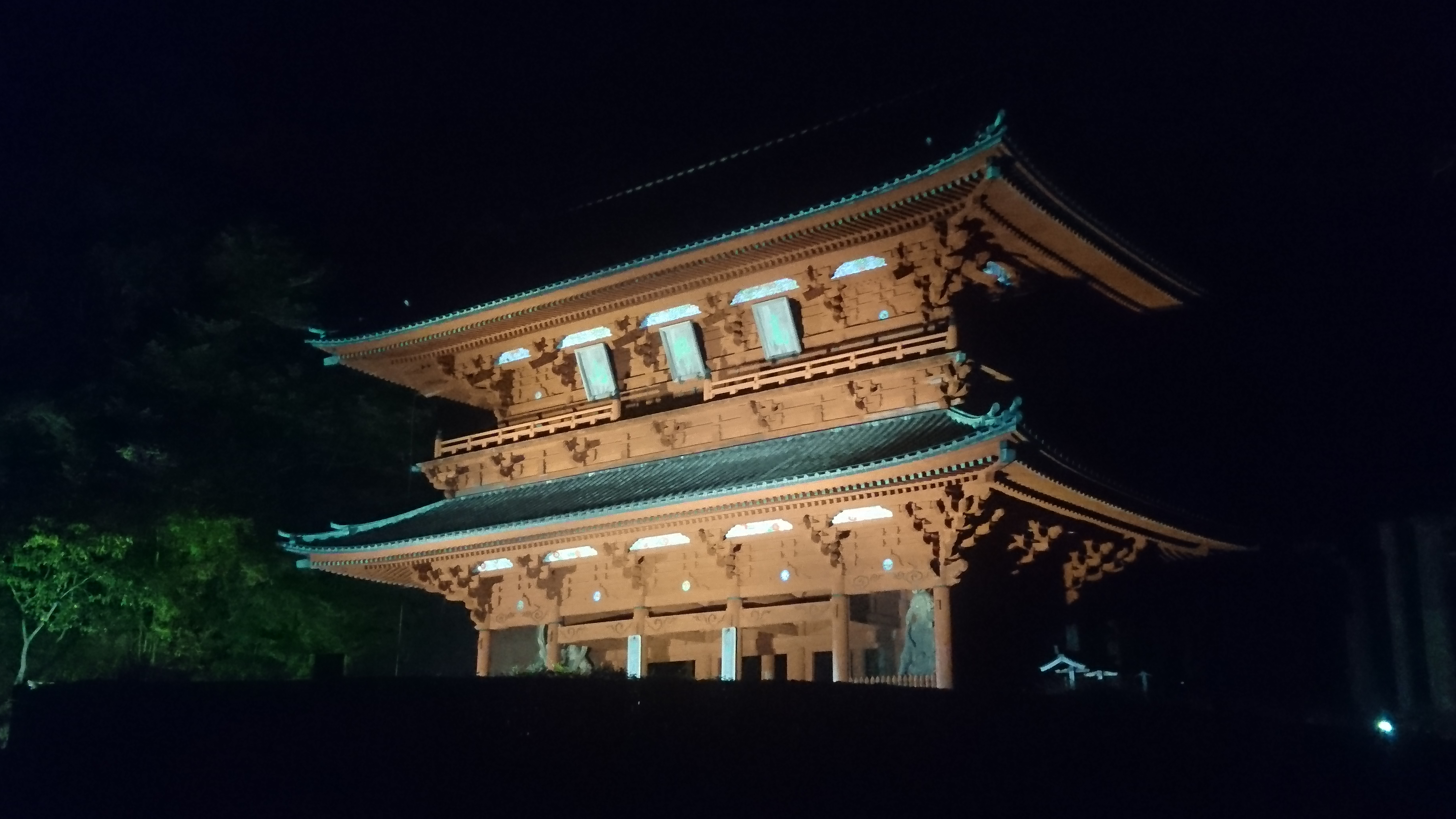
日本語 English 简体中文 重 世 元々は現在の場所より数百メートル下った所に、門ではなく鳥居が建てられていました。 保延年間(1135-1141)から永治元年(1141)にかけて、最初の門が建立されました。この時の額は藤原忠通の筆によるものでした。寛喜二年(1230)には改築が行われ、現在のような二階建ての門になりました。 天正五年(1577)五月、野火により焼失し、前休居士(ぜんきゅうこじ) が勧進活動を行いましたが、うまくいきませんでした。木食応其(もくじきおうご)が豊臣秀吉の遺命を受けて大門を造営し、慶長九年(1604)六月二十一日に完成しました。元禄元年(1688)正月二十八日に焼失し、宝永二年(1705)八月十七日に再建されています。現在の建物は、このときに再建されたもので、昭和六十一年(1986)に解体修理が行われました。 門には金剛力士像が安置されており、康意(こうい) ・運長(うんちょう)などの作とされています。これらの像も重要文化財に指定されています。 ICP WH Originally there was no gate here, but a torii arch several hundred meters further down in the valley. The first gate was built in the period from 1135 to 1141, and featured an inscription by Fujiwara no Tadamichi. In 1230 the gate was rebuilt in its present-day two-level design. The gate was burned in a forest fire in 1577. Trainee priest Zenkyū endeavored to raise funds for its reconstruction, but with little success. Priest Mokujiki Ōgo commenced work on the Daimon Great Gate in response to the dying wishes of Tyotomi Hideyoshi, and it was completed on June 21, 1604. The gate was destroyed by fire on January 28, 1688, and reconstructed on August 17, 1705. This reconstruction was temporarily dismantled for repairs in 1986, but remains to the present day. The statues of Kongō-rikishi enshrined in the gate are said to be the work of sculptors Kōi and Unchō. These statues are designated as Important Cultural Properties. 重 世 原本,距离现在数百米往下的地方,建立的并不是门而是神社牌坊。 从1135~1141年(保延年代)至到1141年(永治元年),建立了最初的门。此时的匾額是出于公卿“藤原忠道”的手笔。它在1230年(宽喜二年)重建,变成了像现在这样的两层楼门。 1577年(天正五年)5月,被一场野火烧毁,“前休居士”进行了化缘活动,但效益不佳。高僧“木食应其”奉“丰臣秀吉”的遗嘱建造‘大门’,于1604年(庆长九年)6月21日完成。1688年(元禄元年)1月28日被烧毁,并于1705年(宝永二年)8月17日重建。目前的建筑物就是此时重建的,在1986年(昭和六十一年)进行了拆卸修理。 在门里安置着一尊金刚力士像,据说是造佛师“康意”和“运长”等人的作品。这些雕像也被指定为重要的文化财产。
日本語 English 简体中文 重 世 元々は蓮華院(れんげいん)と称しており、本尊は十一面観音でした。伝承では、勧修寺東南院の済高(さいこう)が、この場所に弘法大師作の十一面観音を安置して修行していたところ、光の中に八葉の白蓮が現れたことから、寺院名を蓮華院としたとされています。 文禄三年(1594)三月に徳川家康が立ち寄ったことにより、その名字を拝借して寺名を大徳院と改めました。聖方(ひじりがた)の本山であり、北側に徳川家霊台を構えていました。このうち、現在は霊台が残っており、重要文化財に指定されています。 ICP WH Originally called Rengein, Daitokuin Temple was dedicated to the Eleven-faced Kannon. According to legend, Saikō of the Kajūji Tōnan'in Temple, while he was training to enshrine the Eleven-faced Kannon here, saw a vision of an eight-petaled white lotus flower in the light, and thus decided to name the temple Rengein (Lotus Flower Temple). Tokugawa Ieyasu stopped by here in March 1594, and it was renamed Daitokuin (Great Toku Temple) after him. It was the head temple for the hijirigata group of monks. Tokugawake Reidai (Tokugawa Clan Mausoleum) stood to the north of the temple. Today only the Mausoleum remains, and has been declared an Important Cultural Property. 重 世 原本被称为莲华院,正佛是十一面观音。传说,劝修寺东南院的僧侣“济高”,在这个地方安置弘法大师的十一面观音修行时,光亮中出现了八片白莲,由此寺院名便成为莲華院。 1594年(文禄三年)3月,“德川家康”曾经来访,因此借他的名字将寺院名改为了大德院。这里是僧侣“圣方”的宗派寺院,北边有“德川家灵台”的寺庙。其中,现在只剩下了灵台,被指定为重要文化财产。
孔雀堂(くじゃくどう)
SPOT
開く日本語 English 简体中文 重 世 --> 本尊の孔雀明王は、現在では仏師快慶(かいけい)の作と紹介されていますが、江戸時代には東寺長者延杲(とうじちょうじゃえんごう)の作とされていました。 正治元年(1199)、延杲が京都の神泉苑(しんせんえん)で『孔雀経』による雨乞いを行い、雨が降った褒美として、高野山に孔雀堂を建て、三人の阿闍梨(あじゃり)を配置することが許可されました。正治二年(1200)に完成し、後鳥羽院の御願所となりました。 永正十八年(1521)の火災によって焼失し、大永元年(1521)頃に再建されました。寛永七年(1630)にも焼失しましたが、正保三年(1646)に再建されました。 大正四年(1915)の「高野山名所絵はがき」によると、六角経蔵の近くに移築された時期もありました。現在の建物は、昭和五十九年(1984)の再建です。 ICP WH --> The main object consecrated here, a Kujaku Myōō, is currently attributed to the Buddhist artist Kaikei, but in the Edo era it was said to be produced by Engō, the head of Tōji temple. In 1199, Engō performed a prayer for rain at Shisen-en in Kyoto using the Kujakukyō scripture, and as a reward for the success of this prayer, permission was granted for the construction of Kujakudō in Koyasan and the assignment of three ajari or high monks to it. In 1200 it became the Emperor Go-toba's temple of prayer. It was rebuilt in 1521 after a fire destroyed it earlier in the same year. It was destroyed by another fire in 1630, and rebuilt in 1646. According to a postcard of famous sights in Koyasan dating from 1915, there was a time when the Kujakudō was relocated close to the Rokkaku Kyōzō. The building that exists today dates from a reconstruction in 1984. 重 世 --> 正佛的孔雀明王,现今是被介绍为造佛师“快庆”的作品,但在江户时代,却被视为东寺长老“延杲”的作品。。 在1199年(正治元年),长老“延杲”在京都的神泉苑以‘孔雀经’进行求雨,作为成功降雨的奖励,天皇下旨在高野山建立孔雀堂并设置了三位佛导师。该堂在1200年(正治二年)建成,并成为了“后鸟羽院”天皇的祈愿所。 永1521年(永正十八年)因火灾被烧毁,在1521年(大永元年)重建。1630年(宽永七年)又被烧毁,但在1646年(正保三年)又重建。 根据1915年(大正四年)的‘高野山名胜图明信片’,有一段时间它曾被移建到六角经藏附近。目前的建筑是1984年(昭和五十九年)重建的。
日本語 English 简体中文 重 世 --> 奥の院に数ある五輪塔(ごりんとう)の中で、銘文が確認できるもののうち、最も古いのがこの墓となります。 多田満仲は、六孫王(ろくそんおう)源経基(みなもとのつねもと)の嫡男で、多田源氏(ただげんじ)の祖とされています。 また、この墓の隣には、徳川頼宣の墓が建てられています。徳川頼宣は紀州徳川家の祖にあたる人物で、彼は多田満仲の墓の隣に葬られることを希望していました。また墓石の大きさも、多田満仲のそれを上回らないように注意していたといいます。 ICP WH --> 在奥之院内众多供奉塔之中,能确认到铭文的墓塔当中,最古老的就是这个坟墓了。 武将“多田滿仲”是六孙王“源经基”的嫡子,被视为多田源氏的祖先。 另外,在这个墓地的旁边还建造着“德川赖宣”的墓。“德川赖宣”是属于纪州德川家祖先的人物,是他希望葬在“多田满仲”的坟旁的。此外,据说他还关注到墓碑石的大小不要超过“多田滿仲”的墓碑石。 重 世 --> “信长”与高野山宗教派对峙并进攻高野。因本能寺事变,“信长”驾崩,高野山逃脱了灾难。然而,在奥之院存在着“信长”的五轮塔。它是砂岩制的,塔总高为230厘米。五轮塔本身的形式是江户时代中期的形式。估计可能是后来“信长”的祭祀要在高野山举办而建造的五轮塔。
勧学院(かんがくいん)
SPOT
開く日本語 English 简体中文 重 世 --> 弘安四年(1281)、北条時宗の建立とされています。この寺院は、名前の通り学問を勧めるために建てられ、その法会を学道法会(がくどうほうえ)といいます。また、この法会は学会(がくえ)とも略称されます。この法会は、源頼朝によって建久年間(1190-1199 )に始められた法会が母体となっています。 勧学院は、当初金剛三昧院(こんごうさんまいいん)に設置されました。当時の金剛三昧院は、鎌倉幕府の影響が強い寺院でした。現在の勧学院は、後宇多法皇の勅願により、文保二年(1318)に移転したものです。 大永元年(1521)二月十八日に、西院谷(さいいんだに)から出火した火災によって焼失しました。同年八月にすぐさま仮堂を建てて、学道法会を執行しました。その後再建されましたが、その時期は不明となっています。慶長年間(1596-1615)に、火災によって焼失しており、この時本尊が失われたため、普門院(ふもんいん)の快恵(かいえ)が自坊の本尊大日如来を寄進しました。 寛永三年(1626)~同五年(1628)には、盛り土をしての建て直しが行われています。これは、元々この場所は沢になっており、寺院を建設するには地盤がよくなかったことが理由となっています。寛永七年(1630)四月二十日に、落雷による大塔の炎上が原因となって、勧学院も延焼しました。この時は、本尊を脱出させることが精一杯の事態となりました。再建は、翌寛永八年(1631)のことになります。慶安三年(1650)三月十日、五之室谷(ごのむろだに)から出火した火災によって焼失し、学道法会は大会堂(だいえどう)ですることになりました。翌慶安四年(1651)七月に再建し、法会の場所も勧学院に戻りました。文化六年(1809)七月二十三日焼失。文化十年(1813)七月に再建されるまでの間、学道法会は山王院(さんのういん)にて行われました。 ICP WH --> Said to have been constructed by Hōjō Tokimune In 1281. As suggested by its name, the temple was built to encourage scholarship, and its gatherings are called gakudō hōe (scholarly conferences). The gatherings are also sometimes known simply as gakue. They originate in gatherings first held by Minamoto no Yoritomo In the period from 1190-1199. Kangakuin was originally located in Kongō Sanmaiin Temple. The Kamakura Shogunate exercised a strong influence on Kongō Sanmaiin at the time. Kangakuin was relocated to its present site in 1318, on the wishes of Cloistered Emperor Go-Uda. The temple was burned down on February 18, 1521 in a fire that began in Saiindani. A temporary building was constructed promptly in August of the same year, and the gakudō hōe conference was held there. It was rebuilt subsequently, but the timing is unclear. The temple was also ravaged by fire in the Keichō period (1596-1615), and its sacred image was lost. Kaie of Fumon'in Temple then donated his own image of Dainichi Nyorai. From 1626 to 1628, the temple was rebuilt on an embankment. This was because the area was originally a swamp, and made poor foundation for building a temple. In 1630, lightning struck the main pavilion, causing a fire which spread to Kangakuin. It took all the monks' efforts to salvage the sacred image from this fire. The temple was rebuilt in 1631. On March 10, 1650, the temple was burned down again in a fire that originated in Gonomuro-dani, and the Gakudō Hōe conference was held in the Daiedō Hall instead. After rebuilding in July 1651, the Gakudō Hōe returned to its home in Kangakuji. The temple burned down once again on July 23, 1809, and until it was rebuilt in July 1813, Gakudō Hōe conferences were hosted at Sannōin Temple. 重 世 --> 据说是“北条时宗”于1281年(弘安四年)建造的。这座寺院,顾名思义就是为了推广学问而建立的,它的法事被称为‘学道法会’,也被简称為‘学会’。这个法事是以“源赖朝”于1190~1199年(建久年代)开始的法事为基础。 劝学院当初是设置在金刚三昧院。当时的金刚三昧院是深受镰仓幕府影响的寺院。现在的劝学院,是依照“后宇多法皇”的祈愿,于1318年(文保二年)搬迁。 1521年(大永元年)2月18日,它由于从西院谷的失火引起火灾而被烧毀。同年八月立即建立临时楼堂,执行了学道法事。此后再重建了,但时期不详。在1596~1615年(庆长年代),由于火灾被火烧毁,此时失去了正佛,因此,普门院的“快惠”捐赠了自己寺院的正佛大日如来佛。 于1626~1628年(宽永三年~五年),是堆土又重建的。据说是因为这个地方本来是山沟,地盘不太适宜于建造寺院。1630年(宽永七年)4月20日,由于落雷大塔起火,劝学院也被延烧了。当时,全力以赴抢救了正佛。重建是在翌年1631年(宽永八年)。1650年(庆安三年)3月10日,由于从‘五之室谷’失火的火灾被烧毁,学道法事便在大会堂进行。翌年1651年(庆安四年)7月重建后,法事的地方也搬回了劝学院。1809年(文化六年)7月23日被烧毁。直到1813年(文化十年)7月重建的期间,学道法会是在山王院进行。
鐘楼堂(しょうろうどう)
SPOT
開く日本語 English 简体中文 重 世 --> この鐘は、一般的には「高野四郎(こうやしろう)」と呼ばれています。弘仁年間(810-824)に弘法大師空海が鋳造したのが始まりといわれ、この鐘を鳴らすことが高野山で鐘を鳴らす起源ともされています。 仁平年間(1151-1154)、建久年間(1190-1199)に鐘を鋳造したという記録が残っていますので、この辺りで堂の焼失及び再建があったと考えられます。その後、鐘は永正十八年(1521)二月十二日の火災によって焼け、天文十六年(1547)に鋳造されました。 文化七年(1810)に火災で灰燼と帰した後、天保四年に再建していますが、鐘自体は天文十六年鋳造のものをそのまま使用し、現在に伝えられています。 ICP WH --> This bell is commonly known as Kōya Shirō. It is said to have been cast originally by Kōbō Daishi (Kūkai) during the Kōnin period, and that the tradition of bell-ringing at Koyasan began with this bell. There are records of bells being cast in the Ninpei (1151-1154) and Kenkyū (1190-1199) periods, so the bell tower is thought to have been destroyed by fire and rebuilt around these times. The bell was subsequently destroyed in a fire on February 12, 1521, and cast again in 1547. The bell tower was reduced to ashes again in a fire in 1810 and rebuilt in 1833, but the bell itself remained the one cast in 1547, which continues to be used today. 重 世 --> 该大钟通常称为‘高野四郎’。据说最初是弘法大师“空海”在810~824年(弘仁年代)铸造的,敲响这个大钟也被作为在高野山敲钟的起源。 因为1151~1154年(仁平年代)和1190-1199年(建久年代)都留存着铸造了大钟的记录,所以估计在这段时期该堂曾被烧毁并重建过。此后,大钟是在1521年(永正十八年)2月12日的火灾被烧,于1547年(天文十六年)重新铸造。 钟楼堂在1810年(文化七年)由于火灾化为灰烬之后,于1833年(天保四年)重建,但大钟自身是使用了1547年(天文十六年)铸造的钟并传继到现在。
准胝堂(じゅんていどう)
SPOT
開く日本語 English 简体中文 重 世 --> 西御堂(にしみどう)・弥勒堂(みろくどう)ともいいます。本尊は准胝観音です。光孝天皇の御願として建立されたと伝えられています。元々食堂に安置されていた准胝観音が、天禄四年(973)に准胝堂へと移されており、この頃ではないかと考えられます。 いつのことかわかりませんが、西塔(さいとう)が壊れた時、塔内の仏像はこの准胝堂に避難させることになりました。その時の仏像は、そのまま西塔が再建されるまで准胝堂に安置され続けました。このことから、准胝堂を「西御堂」と呼ぶようになりました。この堂では、准胝悔過(じゅんていけか)、弥勒堂(みろくどう)三日陀羅尼(みっかだらに)が営まれていました。 現在の建物は、明治十六年(1883)に再建されたものです。 ICP WH --> This building is also known as Nishimidō and Mirokudō. The object consecrated here is a Juntei Kannon. It is said to have been built on the request of Emperor Kōkō. The Juntei Kannon was originally located in the dining quarters, but moved here in 973, and it is thought that the building was constructed around this time. The date is unclear, but at one point when the Saitō pagoda was destroyed, the sacred figures inside the pagoda were moved here to the Junteidō. They remained consecrated here until the Saitō was rebuilt. It is for this reason that the Junteidō is also known as the Nishimidō or west hall, a reference to Saitō or west tower. The Junteidō was used for the Junteikeka (ceremony of repentance and atonement to the Juntei Kannon) and Mirokudō Mikka Darani (ritual chanting in Mirokudō for three days). The current building dates from a reconstruction in 1883. 重 世 --> 也被称为西御堂、弥勒堂。正佛是准提观音。据说是依照光孝天皇的愿望而建造的。原本安置在食堂的准提观音是于973年(天禄四年)被移至准胝堂的,因此估计它就是此时建造的。 什么时候的事情已不清楚了,在西塔损坏的时候,塔内的佛像都被疏散到这个准胝堂了。当时的佛像一直安置在准胝堂,直到西塔重建为止。出于这个原因,准胝堂就被称作了‘西御堂’。在这个殿堂从事准胝忏悔法事、弥勒教三日咒语。 目前的建筑是于1883年(明治十六年)重建的。
轆轤峠(ろくろとうげ)
SPOT
開く日本語 English 简体中文 高野七口(こうやななくち)の一つ、大瀧口にある峠で、高野山を囲む女人道(にょにんみち)と熊野参詣をする街道とが通っています。ここには堂が建てられており、女性の参詣客が宿泊しました。 この峠からは、壇上伽藍を遙拝することができたため、女人禁制により山内へ入ることができなかった女性にとって、人気のスポットであったといえます。 『紀伊国名所図会(きのくにめいしょずえ)』では、案内役や荷物持ちの男性を従えた振袖姿の女性が描かれています。 This mountain pass is located at Otaki-guchi, one of the Seven Gates to Koyasan. The Nyonin-michi (women's route) that runs around Koyasan passes through it, as does a path on the Kumano pilgrimage route. The hall built here was used as overnight accommodation by female pilgrims. From this pass it was possible to pray at a distance to Danjō Garan, so it was a popular spot for women who were prohibited from entering Koyasan itself. Kii-no-kuni Meisho Zue (Places of Interest in Kii Province) contains pictures of women in long-sleeved kimono attended by male guides and porters. 它是高野七口的其中之一。是在大泷口的山巅,与环绕高野山的女人道和参拜‘熊野’的街道相通。这里建有楼房,女性参拜客人曾在此住宿。 因为从这个山巅,能够遥拜‘坛上伽蓝’寺院,所以对于因禁忌女人的规例而不能进山内女性来说,它是一个受欢迎的地点。 在《纪伊国地方志》中描绘着身穿和服的女性跟随着向导和提行李的男人。
愛染堂(あいぜんどう)
SPOT
開く日本語 English 简体中文 ここから先は、スマートフォン・タブレット等の現地使用をご遠慮下さい。 --> 建武元年(1334)、後醍醐天皇の勅命によって建立されました。後醍醐天皇の等身大の愛染明王を安置し、不断愛染王護摩(ふだんあいぜんおうごま)と長日談義(ちょうじつだんぎ)を行うことになりました。これらの法会は、愛染堂が完成する前から始められ、西塔がその会場とされました。 永正十八年(1521)の火災によって焼失し、その後再建されましたが、同じ時に炎上した大会堂(だいえどう)の方が、先に再建されたこともあり、その後、長日談義は大会堂で開催することになりました。 現在の建物は、嘉永元年(1848)に再建されました。 Please refrain from using devices such as smartphones or tablets from this point. --> This hall was built in 1334 on the order of Emperor Go-Daigo. A life-size image of the Emperor, Aizenmyō'ō, was consecrated within it, and the Fudan Aizen'ō-goma (unremitting rite of cedar-stick burning) and Chōjitsu Dangi ceremonies were held here. These ceremonies had begun before the Aizendō was completed, and were originally held in the Saitō pagoda. The Aizendō was destroyed by fire in 1521 and subsequently rebuilt. But the Daiedō which was destroyed in the same fire was rebuilt first, and the Chōjitsu Dangi came to be held there instead. The building plaque shows the current building was constructed in 1848. 从这里开始,请勿使用智能手机、平板电脑等。 --> 它是1334年(建武元年)奉“后醍醐天皇”的圣旨所建立的。这里安置了“后醍醐天皇”真人大小的爱染明王佛像,并不断进行爱染王的火供仪式和终日说教。这些法事在爱染堂建成之前已经开始,场地是在西塔。 由于1521年(永正十八年)的火灾被烧毁,此后重建,但因为同一时刻被火烧的大会堂先重建,之后终日说教就在大会堂举行了。 目前的建筑于1848年(嘉永元年)重建。
日本語 English 简体中文 ここから先は、スマートフォン・タブレット等の現地使用をご遠慮下さい。 --> 白河院の御願によって、醍醐寺三宝院の勝覚(しょうかく)が建立しました。塔の内部には、鳥羽院等身大の尊勝仏頂尊(そんしょうぶっちょうそん)と、不動明王・降三世明王(ごうざんぜみょうおう)が安置されました。大治二年(1127)に落慶供養が行われ、その際には、鳥羽院も高野山へ御幸し、勝覚が導師を勤めました。 応永二十四年(1417)、雷火によって焼失しましたが、文明四年(1472)に再建されました。その後、永正年間(1504-1521)・寛永年間(1624-1645)・文化年間(1804-1818)の三回に渡って火災により焼失しましたが、その都度再建されました。 現在の塔は、弘法大師入定1150年御遠忌の法会事業として、昭和五十九年(1984)に再建されたものです。 Please refrain from using devices such as smartphones or tablets from this point. --> This pagoda was built by the priest Shōkaku of Daigoji Sanbōin temple on the request of Emperor Shirakawa. The pagoda enshrines a Sonshō Bucchōson image of the same size as Emperor Toba, together with Fudō Myōō and Gōzanze Myōō figures. At the time of the pagoda's completion ceremony in 1127, Emperor Toba visited Koyasan and Shōkaku led the ceremony. A lightning strike in 1417 caused a fire which destroyed the pagoda, but it was rebuilt in 1472. The pagoda was destroyed by fire three times subsequently, in the Eishō period (1504-1521), Kan'ei period (1624-1645), and Bunka period (1804-1818), but it was rebuilt each time. The current building dates from a reconstruction in 1984, as part of a project to commemorate the 23rd Go-onki (1150th anniversary of Kōbō Daishi's death). 从这里开始,请勿使用智能手机、平板电脑等。 --> 依照“白河院”天皇的愿望,由醍醐寺三宝院的和尚“胜觉”建造。在塔内,安置了与“鸟羽院”天皇真人一般大的尊胜佛頂尊像、不动明王像、降三世明王像。在1127年(大治二年)进行落成典礼供奉法事,“胜觉”和尚担任导师。在当时,“鸟羽院”天皇也出行高野山。 1417年(应永二十四年)被雷击烧毁。但在1472年(文明四年)重建了。此后,1504~1521年(永正年代)、1624~1645年(宽永年代)和1804~1818年(文化年代)的三次遭遇火灾而被烧毁,不过,每次都将重建。 目前的塔是作为弘法大师入定1150周年忌日的法事事业,于1984年(昭和五十九年)重建的。
日本語 English 简体中文 --> 奥の院の中を流れる川を玉川といいます。この川の水に対し、古来より毒の有無について議論がなされてきました。毒があるという説には、川の中に毒虫がいるからという説、上流に砒素を含む鉱石があるという説、弘法大師空海と争った守敏(しゅびん)の怨念によるという説などがありますが、現在ではまったく誤りであり、清浄な水とされます。 --> Tamagawa is the name of the river that flows through Okunoin. It has been debated since ancient times whether or not the waters of this river are poisonous. Various theories exist about poison in the river water: that it contains venomous insects; that the rocks upstream contain arsenic; or that it was cursed by Shubin, a monk who quarreled with Kōbō Daishi Kūkai. These have all been shown erroneous today. In fact, the river water is clean and pure. --> 在奥之院内流动的河流称为玉川。对于这条河流的水,自古以来一直都在议论它是否有毒。认为有毒的说法之中,有的说因为河流中有毒虫;有的说上游有含砒霜的矿石;有的说是由于与弘法大师“空海”争斗的“守敏”僧官下诅咒等等,但现在都被视为完全错误。玉川的水是清澈的。
一の橋(いちのはし)
SPOT
開く日本語 English 简体中文 奥の院へ入る最初の橋です。いつ架けられたかは不明です。かつては三十七枚の木板でできており、その数は金剛界三十七尊を表示していました。 『高野山秘記』では、観賢(かんげん)僧正と弘法大師空海とのやりとりが記されています。それによりますと、弘法大師は、奥の院参拝客の帰りを、この橋まで見送ることにし、それは現在でも伝わっています。 寛正四年(1463)九月四日、明応二年(1493)八月十六日、天正十三年(1585)十一月、寛永二年(1625)ないし三年(1626)に修繕記録が残されています。 This is the first bridge that must be crossed to enter Okunoin. It is not clear when it was constructed. There were originally 37 wooden planks in the bridge, representing the 37 Buddhas of the Kongōkai (the diamond world). Kōyasan Hiki (Secret Records of Koyasan) contains a record of the communication between the high priest Kangen and Kōbō Daishi Kūkai. According to this record, Kōbō Daishi indicated that pilgrims who had finished praying at Okunoin should be accompanied as far as this bridge on their departure. This tradition has passed down to the present day. It is recorded that the bridge was restored on September 4th 1463, August 16th 1493, November 1585, and again in 1625 or 1626. 它是进入奥之院的第一座桥。何时建造不详。过去是由三十七块木板形成,这个数目是表示金刚界三十七尊神。 在《高野山秘记》中有“观贤”僧主和弘法大师“空海”的交往记录。通过记录可见,弘法大师是来到这座桥送别奥之院参拜客人的,此做法流传至今。 被留存的修缮记录是1463年(宽正四年)9月4日、1493年(明应二年)8月16日、1585年(天正十三年)11月、1625年(宽永二年)或1626年(宽永三年)。
日本語 English 简体中文 現在は、一つの堂を苅萱堂(かるかやどう)としていますが、かつては堂を含む区域一帯を「萱堂」と呼称していました。 後深草山安養寺成仏院(ごふかくさやまあんにょうじじょうぶついん)といい、千手観音を安置した観音堂が本堂となります。観音堂は本来道路に面していませんでしたが、明治時代に現在の位置に移動しました。開基は不明であり、中興は円慶(えんけい)阿闍梨とされています。 ある晩、円慶の所に高野明神(こうやみょうじん)が現れ、明神の命によって成仏院と名づけられました。この円慶の弟子に、苅萱道心(かるかやどうしん)として名高い円空(えんくう)がいました。この円空と妻子の説話は、「苅萱道心と石童丸の物語」として、今でも語り継がれています。 この堂を管轄する僧は、代々実名(じつみょう)の他に「覚心(かくしん)」と名乗ることになっていた時期があり、第五代昭玄(しょうげん)から第十九代明淳(めいじゅん)までは覚心の号を継承していたとされています。この中でも、第六代の心地覚心(しんちかくしん)は法灯国師(ほっとうこくし)として有名です。 In the present day, the name Karukayadō refers only to a single building, but in times past the name Kayadō was given to the area around and including the building. The main hall is a temple dedicated to Kannon, enshrining the Senshu Kannon (thousand-armed Kannon), and is called Gofukakusayama Annyōji Jōbutsuin. The temple dedicated to Kannon originally did not front onto the road, but was relocated to its present position during the Meiji era. It is unclear when the temple was founded. It was restored by the high monk Enkei Ajari. Kōya Myōjin (the great god Kōya) appeared to Enkei one night, and ordered that the temple should be named Jōbutsuin (temple of attaining Buddhahood). Enkū, famously known as Karukaya Dōshin, was one of Enkei's disciples. The narrative of Enkū and his family is still told today, as "Karukaya Dōshin to Ishidōmaru no Monogatari (The story of Karukaya Dōshin and Ishidōmaru". For a period of time, generations of monks charged with administrating the Kayadō took the title Kakushin as well as their real names. It is thought that each monk from the 5th monk Shōgen to the 19th monk Meijun took this title. The 6th monk, Shinchi Kakushin, was also famously known as Hottō Kokushi. 现在‘刈萱堂’是指只一座楼房,但以前是包括楼房的一带区域,通称‘萱堂’。 这里的‘萱堂’称为‘后深草山安养寺成佛院’,安置了千手观音的观音堂为正殿。观音堂原本不是面对道路的,但在明治时代搬到了现在的位置。寺院开创者不详,据说复兴者是“円庆”导师。 某个晚上,“高野明神”在“円庆”面前出现,奉“明神”之命而命名为成佛院。这个“円庆” 有一个门徒“円空”,是著名的“刈萱道心”。这个“円空”和他妻子的传说‘刈萱道心和石童丸的故事’,至今仍被流传。 管辖这个堂的僧侣,除了代代真名以外,有一段自称‘觉心’的时期,据说是从第五代“昭玄”到第十九代“明淳”继承了‘觉心’的号。其中,第六代“心地觉心”被称为“法灯国师”而闻名。
女人堂(にょにんどう)
SPOT
開く日本語 English 简体中文 重 世 --> 高野山へ入る道は、大別して七箇所あり、高野七口(こうやななくち)と呼ばれています。高野山は従来女人禁制とされており、女性は山内へ入ることができませんでした。そのため、山内の入口には、それぞれ女人堂が建てられていました。高野山参詣をする女性は、山内を囲む女人道(にょにんみち)を辿って移動し、各箇所の女人堂をめぐり、宿泊所などにして利用していました。 現在は、この不動坂口(ふどうさかぐち)の女人堂を残すのみとなっています。 ICP WH --> Roughly divided, there are seven different pathways to enter Koyasan, and these are known as the Seven Gates to Koyasan. Koyasan used to have a prohibition on women, and women were barred from entering the precinct. For this reason, Nyonindō, or women's temples, were built at the entrances to the precinct. Women coming to worship at Koyasan would travel along the Nyonin-michi (women's route) that surrounded the precinct, visiting each Nyonindō and using them for overnight accommodation. Today, the only remaining Nyonindō is the one here at Fudō-sakaguchi. 重 世 --> 进入高野山的路,大致有七处,被称作高野七口。高野山以前是禁忌女人的,所以女性是不能进入山内。因此,在山内的入口处,分别建造了女子堂。参拜高野山的女性,到各处的女人堂巡回和使用住宿处等,必需围绕山内的女人道沿路行走。 现在只剩下这个‘不动坡口’的女人堂了。
日本語 English 简体中文 ここから先は、スマートフォン・タブレット等の現地使用をご遠慮下さい。 --> 別名を龍王池といいます。池中の小島には善女龍王(ぜんにょりゅうおう)の祠があり、小島までは橋がかけられています。 室町時代ごろまで、このあたり一帯は湿地が広がっていました。弘安年間(1278-1288)に勧学院を建立する際、湿地は埋め立てられますが、勧学院の西側は池として残り、これが蓮池となりました。その後、宝永七年(1710)に現在のような方形に整えられました。 善女龍王の祠については、次のような話があります。明和年間(1764-1772)に、瑞相院(ずいそういん)の慈光(じこう)という僧がいました。彼は長年、善女龍王を勧請(かんじょう)したいという気持ちを持ち続けていましたが、実現の機会に恵まれませんでした。ある旱魃があった年、慈光は、不作への対策として、善女龍王をこの池に勧請することを寺の役所へ願い出たところ、周りの僧侶たちは皆喜んでこの提案を受け入れ、祠を建立することが決定しました。 明和八年(1771)になって祠が建立されました。 Please refrain from using devices such as smartphones or tablets from this point. --> This lotus pond is also known as Ryūō-ike. There is a small shrine to the Zennyo Ryūō (one of the deities invoked in prayers for rain) on a small island in the pond, connected to the mainland by a bridge. This whole area was marshland up to the Muromachi era (1336-1573). The marshland was reclaimed when the Kangakuin temple was built in the Kōan period (1278-1288), but the area to the west of Kangakuin remained a pond, and this became Hasu-ike. It was landscaped into its present form in 1710. There is a story about the Zennyo Ryūō shrine which goes as follows. In the Meiwa period (1764-1772), there was a monk called Jikō from the Zuisōin temple. Jikō had long wished for the coming of the Zennyo Ryūō deity, but had never been blessed with the opportunity. One year when there was a drought, Jikō requested the temple authorities to consecrate Zennyo Ryūō in the pond as a way to ward off harvest failure. The priests were delighted at this proposal, and decided that the shrine would be built. It was finally built in 1771. 从这里开始,请勿使用智能手机、平板电脑等。 --> 别名叫龙王池。在池中的小岛上有一个善女龙王的祠堂,并架有桥至小岛。 在室町时代以前,这附近一带都是一片湿地。在1278~1288年(弘安年代)建造劝学院的时候,把湿地填埋,但留下了劝学院西侧作为池塘,就成为了莲池。之后,在1710年(宝永七年)被修理为现在一样的矩形。 关于善女龙王的祠堂,有以下的故事。在1764~1772年(明和年代)瑞相院有一位叫“慈光”的僧人。他多年来一直等待邀请善女龙王下凡的机会,但没有实现。在某年的干旱,作为歉收的对策,“慈光”向寺院公务所提出要求在这个池塘邀请善女龙王下凡。当时,周围的所有僧侣都很高兴地接受这个提议并决定建造祠堂。 到1779年(明和八年)祠堂建成。
御廟橋(みみょうのはし)
SPOT
開く日本語 English 简体中文 ここから先は、スマートフォン・タブレット等の現地使用をご遠慮下さい。 現在の橋板は三十六枚となっています。もとは橋板が三十七枚であり、これは金剛界三十七尊を表示しています。橋板の裏面に三十七尊の種子(しゅじ)を書き、それが水面に浮かんで見えるように設計されていたともいわれます。 この橋には、罪の重い者は渡ることができないという伝承があります。この伝承をふまえてのことでしょうか、豊臣秀吉が諸大名を引き連れて登山した際、自分はこれまで多くの合戦で殺生を重ねており、もしかしたら橋を渡ることができないのではないかと思い悩みました。諸大名と共に奥の院参拝をする前日、木食応其(もくじきおうご)と二人で密かに橋を渡り、無事に渡ることができたことを確認した上で、当日に諸大名の前で橋を渡るところを見せ、自らに罪がないことを主張しています。 Please refrain from using devices such as smartphones or tablets from this point. There are 36 planks in the present-day bridge. It originally had 37 planks, representing the 37 Buddhas of the Kongōkai (diamond world).The bridge planks are inscribed with invocations symbolizing each of the 37 Buddhas, which are designed to be seen reflected in the surface of the water below. It is traditionally said that those who bear heavy sins will be unable to cross this bridge. Perhaps because of this saying, Toyotomi Hideyoshi, when he travelled to Koyasan with his Daimyōs, was troubled by the thought that he would not be able to cross the bridge after taking so many lives in battles. On the day before he planned to enter Okunoin with his Daimyōs to pray, he secretly visited the bridge, attended by Mokujiki Ōgo, and ascertained that he was in fact able to cross. The following day Hideyoshi made a great show of crossing the bridge without mishap in front of the assembled Daimyōs, and proclaimed himself free of sin. 从这里开始,请勿使用智能手机、平板电脑等。 现在的桥板是三十六块。原本的桥板是三十七块,表示着金刚界三十七尊神。它的设计是在桥板的背面写上三十七尊神的‘真言’,据说这样就可以看到那些文字倒映在水面。 传说罪孽深重的人是不能过渡这座桥的。可能是基于这个传说,当“丰臣秀吉”带领众诸侯登山的时候,焦虑到自己至今曾多次交战反复杀生,有可能不能渡桥。于是在与众诸侯一起去奥之院参拜的前一天,偷偷地与高僧“木食应其”两人渡桥,确认到能够安全渡过之后,当天就在众诸侯面前过桥显耀,宣称自己是无罪的。
日本語 English 简体中文 本尊は不動明王であり、当初は御廟の西側にあったといわれています。元々、護摩所・護摩堂と呼ばれてきましたが、江戸時代ごろからは不動院(ふどういん)と呼ばれるようになりました。 『紀伊続風土記(きいしょくふどき)』では、大御室(おおおむろ)性信入道親王(しょうしんにゅうどうしんのう)が高野山に籠もり、護摩や逆修(ぎゃくしゅ)を行っていた時に、何らかの施設を建立したのが最初ではないかと考えられています。 また『奥院興廃記(おくのいんこうはいき)』には、源頼朝の子である貞暁(じょうぎょう)が高野山で修行していた時に、新たに護摩堂を建てていることが記されており、この頃には護摩所は確実に存在していたと考えられます。その年代は、『風土記』では寛喜元年(1229)であるとしています。その後荒廃し、長弘(ちょうこう)によって、天文年間(1532-1555 )に再建計画が立てられます。再建には時間を要し、天正年間(1573-1593 )までかかりました。この時に現在の位置に移動しています。 現在の建物は、棟札(むなふだ)からわかるように、文化九年(1812)のものです。江戸時代、この堂は西院谷(さいいんだに)蓮上院(れんじょういん)の管轄下であり、蓮上院に対し年貢米を上納し、住職の進退も同院の指示を受けていました。 The Gomajo is dedicated to Fudō Myō'ō (the god of fire). It was originally located on the western side of the Gobyō (Mausoleum of Kōbō Daishi). Originallly called Gomajo or Gomadō, it became known as the Fudōin during the Edo era. In the Kii Shokufudoki (Records of Kii) it is suggested that the Gomajo began as some kind of building for Goma (fire-offering) and Gyakushu (prayer for posthumous peace), erected when Priestly Imperial Prince Shōshin (Ō-omuro) secluded himself at Koyasan. In addition, it is recorded in Okunoin Kōhaiki (Rise and fall of Okunoin) that the Gomajo was newly constructed at the time when Jōgyō, son of Minamoto no Yoritomo, underwent training at Koyasan. It therefore seems to be clear that the Gomajo already existed at that time. The Kii Shokufudoki records date back to 1229. The Gomajo later fell into ruin, but a plan to rebuild it was made by Chōkō during the Tenbun period (1532-1555).Reconstruction took a considerable time, and was only completed during the Tenshō period (1573-1593). It was at this time that the Gomajo was relocated to its present position. The present buildings date back to 1812, as can be seen from the inscription attached to the ridgepole. During the Edo era, Gomajo was placed under the administration of Sai'indani Renjōin Temple. It paid an annual rice tax to Renjōin Temple, which directed the appointment of its chief priest. 正佛是不动明王,原位于御庙的西侧。最初,一直被称为护摩所、护摩堂,但自从江户时代以来,就被称为不动院了。 《纪伊国地方志》中,据说最初可能是“大御室·性信入道亲王”在高野山修行, 进行火供、祈祷的时候,建立了某设施。 此外《奥院盛衰记》中,大将军“源赖朝”的孩子“贞晓”在高野山修行的时候, 有记载着新建护摩堂的事,可推想那时候护摩所确实存在。据《地方志》记述,那个年代是1229年(宽喜元年)。此后被荒废,由武将“长弘”于1532~1555年(天文年代)建立了重建计划。"由于重建需要时间,直到1573~1593年(天正年代)才完成。当时将它移到了现在的位置。 现在的建筑物从上梁记牌可知是1812年(文化九年)建造的。在江户时代,这座楼房是在西院谷莲上院的管辖之下,不仅向莲上院上缴地租米,住持的任免也要受该院的指示。
密厳堂(みつごんどう)
SPOT
開く日本語 English 简体中文 重 世 --> 覚鑁堂(かくばんどう)とも呼ばれています。建立時期は不明となっています。扁額の作者は、『紀伊続風土記(きいしょくふどき)』と『紀伊国名所図会(きのくにめいしょずえ)』で異なっており、『風土記』には泊如竹(とまりじょちく)=日章(にっしょう)の作とあり、『名所図会』では運敞(うんしょう)の作とあります。 建立後に荒廃していますが、享保年間(1716-1736 )に、智積院の僧徒が興教大師覚鑁(かくばん)を慕い復興しています。 ICP WH --> Also called the Kakubandō (Hall of Kakuban), its date of construction is unknown. The Kii Shokufudoki (Records of Kii) and Kii-no-kuni Meisho Zue (Places of Interest in Kii Province) disagree on the artist responsible for the tablet above the door. Kii Shokufudoki describes it as the work of Tomari Jochiku, also known as Nisshō, while Kii-no-kuni Meisho Zue attributes it to Unshō. After its construction the Mitsugondō fell into ruin, but was restored during the Kyōhō period (1716-1736) by the monks of Chishakuin Temple, in memory of Kōgyō Daishi Kakuban. 重 世 --> 亦被称为觉鍐堂。建立时期不详。匾额的作者,《纪伊国地方志》与《纪伊国名胜图》的记载有所不同,在《地方志》中是儒者“泊如竹(日章)”之作,而在《名胜图》中是僧人“运敞”之作。 它在建造后虽荒废,但在1716~1736年(亨保年代),智积院的僧徒因敬慕兴教大师“觉鍐”而复兴。
日本語 English 简体中文 重 世 --> ここでは、スマートフォン・タブレット等の現地使用をご遠慮下さい。 「ありがたや 高野の山の岩陰に大師はいまだおわしますなる」という有名な和歌があります。弘法大師空海は現在でもその身をこの世にとどめ、わたしたちに救いの手を差し伸べていらっしゃるという入定信仰を持つ御廟です。承和二年(835)三月二十一日、空海は弟子たちにより御廟に入ったのでした。御年62歳でした。 ICP WH --> Please refrain from using devices such as smartphones or tablets here. There is a famous Japanese poem that translates as "Heaven be praised, for saints still sit in the shade of the mountain rocks of Koyasan. "The Mausoleum is home to the Nyūjō belief according to which Kūkai, or Kōbō Daishi, attained Nirvana and is present in the world even today, holding out his hands to save us. Kūkai was interred here by his disciples on March 21 of the year 835. He was 62 years of age. 重 世 --> 请勿在此地使用智能手机、平板电脑等。 有首著名的日本诗歌说‘啊!真庆幸,法师大人仍在高野的山岩后面保佑救助着我们’。这是弘法大师 “空海”入定信仰的御庙。信奉大师现在仍然将自身留在这个世界,向我们伸出救助之手。835年(承和二年)3月21日,“空海”是在弟子们帮助下进入御庙的。享年62岁。
三鈷松(さんこのまつ)
SPOT
開く日本語 English 简体中文 ここから先は、スマートフォン・タブレット等の現地使用をご遠慮下さい。 --> 弘法大師空海が、唐から三鈷杵(さんこしょ)を投げて、この松に掛かったことが名称の由来とされています。 この松の所在地については諸説あります。一つ目は、本来の三鈷松は根本大塔の場所にあって、大塔建立の際に切り捨てたとする説、二つ目は、大塔の所にあった松を、御影堂(みえどう)の前に移したとする説、三つ目は、元々御影堂の前にあったとする説です。 応仁元年(1467)、元禄十三年(1700)に植え替えがなされたようです。 Please refrain from using devices such as smartphones or tablets from this point. --> The name of this pine tree is said to originate from a time when Kōbō Daishi (Kūkai) threw a trident varja (sanko) from China and it struck this tree. There are several theories as to the location of the tree. One is that the original tree was located on the site of the Konpon Daitō pavilion and was cut down when the pavilion was built. The second is that the tree originally located on the site of the Konpon Daitō was moved to in front of the Miedō portrait hall. The third is that the tree was located in front of the Miedō from the outset. The tree appears to have been replanted in 1467 and 1700. 从这里开始,请勿使用智能手机、平板电脑等。 --> 据说弘法大师“空海”,从唐朝投掷三钴杵,挂在这棵松树上了,这就是它名称的来历。 关于这棵松树的所在地有各种各样的说法。第一个是,传闻本来的三钴松是在‘根本大塔’的地方,建造大塔的时候被砍掉了;第二个是,传闻曾在大塔那里的松树移植到御影堂前面了;第三个是,传闻它原本在御影堂的前面。 据传是于1467年(应仁元年)、1700年(元禄十三年)被移植的。
金輪塔(きんりんとう)
SPOT
開く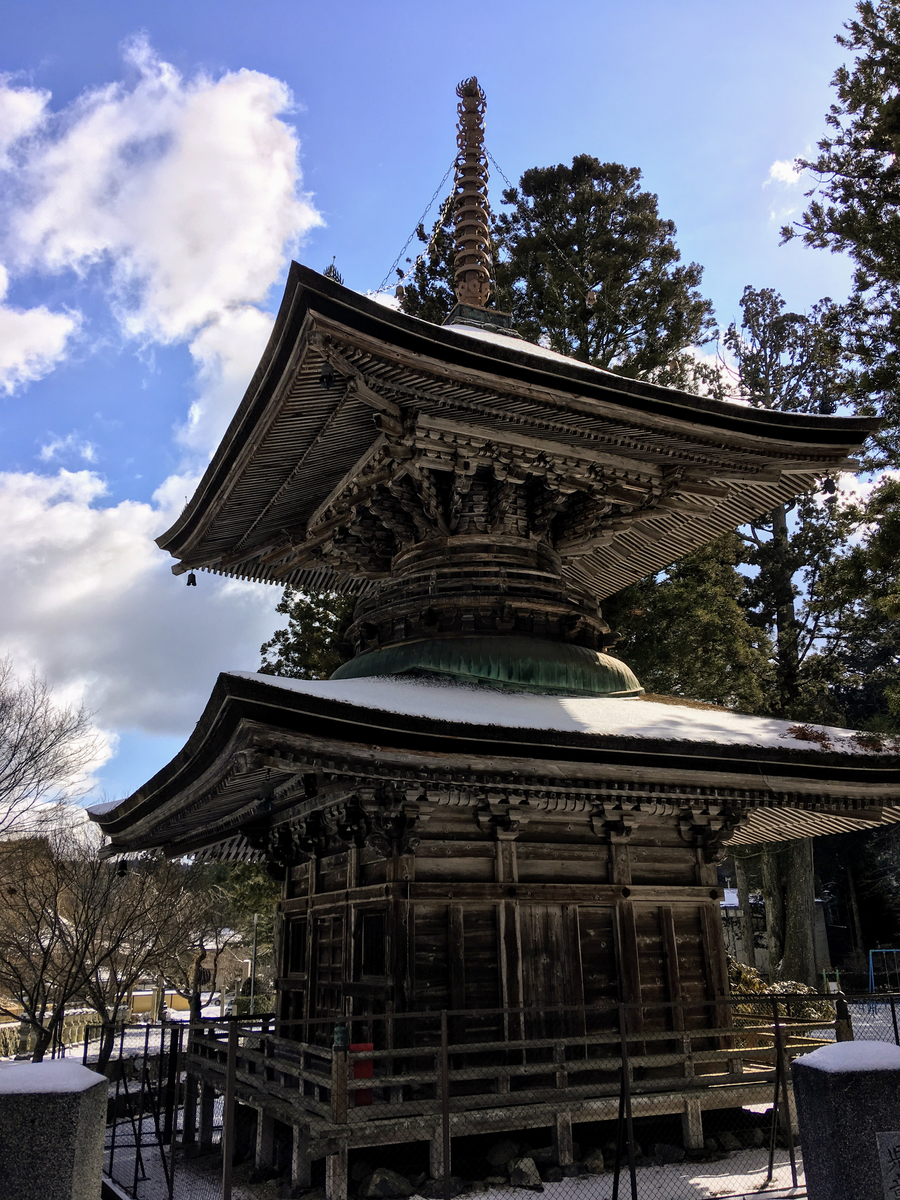
日本語 English 简体中文 ここから先は、スマートフォン・タブレット等の現地使用をご遠慮下さい。 --> 本尊は作者不明の金輪仏頂尊(きんりんぶっちょうそん)であり、塔名の由来となっています。興廃については不明な点が多く、何度焼失と再建を繰り返したかはわかりませんが、伝承では、第二十世検校の明算(めいざん)(1021-1106)が建立し、その骨を安置したとされており、そのため別名を「菩提院」といいます。その場合は平安時代から存在したことになります。 天保五年(1834)に何度目かの再建がなされた可能性があることを史料上で確認できます。現在の塔はこのときに再建されたものです。 Please refrain from using devices such as smartphones or tablets from this point. --> The name of this pagoda is taken from the figure consecrated within it, Kinrin Bucchōson, created by an unknown artist. Much remains unknown about the pagoda's history and it is unclear how many times it was burned down and rebuilt, but it is traditionally thought to have been constructed by the 20th temple administrator of Koyasan, Meizan (1021-1106), whose remains are housed within it. This explains the pagoda's alternative name, Bodaiin (temple of happiness in the next world). If this is accurate, the pagoda has existed since the Heian era. Historical records confirm the possibility that Kinrin-tō was rebuilt several times before a reconstruction in 1834. The present-day pagoda dates from this time. 从这里开始,请勿使用智能手机、平板电脑等。 --> 正佛是制造者不明的金轮佛顶尊神,此成为塔名的由来。关于该塔盛衰有许多不明之处,曾经多少次烧毁和反复重建都不清楚。不过,传说是由第二十代寺院事务监管的“明算”(1021~1106年)建立,并且安置着他的骨灰,由此别名称为‘菩提院’。依照传说的话,它是从平安时代就存在。 从历史记录可确认,在1834年(天保五年)有可能曾进行过已不清楚是第几次重建。现在的塔楼就是在当时被重建的。
日本語 English 简体中文 史 世 ここから先は、スマートフォン・タブレット等の現地使用をご遠慮下さい。 --> 花崗岩製。大正二年(1913)神戸市御影の大江を姓とする人物により、立てられた町石です。これは、中山通幽(なかやま つうゆう)が開宗した岡山市にある宗教団体の福田海(ふくでんかい)の斡旋により再興されています。 なお、鎌倉時代の高野山を描いた「高野山山水屏風」には現地点に本町石が立っていることが確かめられますが、誰が立てたものか不明です。奥之院側の二・三・四町石の造立者が後嵯峨上皇と伝えていますので、本町石も町石造立当初は同上皇により造立されたものと考えます。 HS WH Please refrain from using devices such as smartphones or tablets from this point. --> This roadside distance marker is made of granite, with the inscriptions "Icchō (First marker)" and "Re-erected at the start of Autumn in the second year of Taisho, granite, Ōe" on the front and back respectively. It was re-erected in 1913, the second year of Taisho era, by a person with the surname Ōe. It was restored thanks to the work of Fukudenkai, a religious organization founded by Nakayama Tsūyū in Okayama City. The existence of this roadside distance marker can be confirmed in Kōyasan Sansui Byōbu (Byobu screen painting of the Koyasan landscape), which depicts Koyasan as it was during the Kamakura era, but it is unclear who erected it originally. It is said that the Retired Emperor Gosaga was responsible for constructing the second, third and fourth roadside distance markers on the Okunoin side, and it is probable that the same Retired Emperor was also responsible for constructing this first one. 古 世 从这里开始,请勿使用智能手机、平板电脑等。 --> 它是花岗岩制的,碑文正面刻着‘一町’,背面刻着‘大正二年立秋重建、御影、大江’。这是1913年(大正二年)由神户市御影地区姓大江的人物建立的‘町石’。它是由“中山通幽”(日本宗教家)开创在冈山市的宗教团体‘福田海’的帮助下复兴的。 再者,描绘镰仓时代高野山的‘高野山山水屏风’之中可确认到该‘町石’竖立在现地点,但不明确是谁建立的。由于传说奥之院旁边的第二、三、四‘町石’的建立者是“后嵯峨天皇”,因此估计该‘町石’在‘町石’建立当初也是该天皇建造的。
三昧堂(さんまいどう)
SPOT
開く日本語 English 简体中文 ここから先は、スマートフォン・タブレット等の現地使用をご遠慮下さい。 --> 勧修寺(かじゅうじ)東南院の済高(さいこう)によって建立されました。延長六年(928)、済高が金剛峯寺の第六代座主(ざす)になった時のことです。 もとは現在の親王院の場所にあり、済高が理趣三昧(りしゅざんまい)を行ったことが堂名の由来となっています。仁安年間(1166-1169)に、第三十一世検校の宗賢(そうげん)によって、現在の場所へ移築されました。 永正十八年(1521)、寛永七年(1630)、文化六年(1809)に焼失し、その都度再建されています。現在の建物は、嘉永元年(1848)に再建されたものです。 この堂は、鎌倉時代の歌人西行が修行していたところと伝わり、堂の前には「西行桜」と呼ばれる桜の木があります。 Please refrain from using devices such as smartphones or tablets from this point. --> This hall was built by Saikō of the Tōnanin at Kajūji Temple. This was in 928, when Saikō became the 6th head priest of Kongōbuji Temple. It was originally in the present-day location of Shinnōin Temple, and its name derived from the Rishu Zanmai (ceremony centered on Rishu scriptures) ceremonies that Saikō performed. In the Nin'an period (1166-1169), the 31st temple administrator of Koyasan Sōgen moved the Sanmaidō to its present-day location. It was destroyed by fire in 1521, 1630, and 1809, and was rebuilt each time. The current building dates from a reconstruction in 1848. The Kamakura-era poet Saigyō is said to have trained here at the Sanmaidō, and there is a cherry tree in front of the building known as the Saigyō-zakura. 从这里开始,请勿使用智能手机、平板电脑等。 --> 由劝修寺东南院的“济高”僧侣。在928年(延长六年),成为金刚峯寺第六代法主时建造的。 三昧堂原本是位于目前亲王院的地方,殿堂名的由来是“济高”进行了‘理趣三昧’的修行而命名。在1166~1169年(仁安年代),由第三十一代寺院事务监管“宗贤”搬迁到现在的地方。 1521年(永正十八年)、1630年(宽永七年)、1809年(文化六年)时被烧毁,而每次都重建了。现在的建筑物,于1848年(嘉永元年)重建的 传说这个殿堂是镰仓时代的日本诗歌作家“西行”修行的地方,堂前面有被称作‘西行樱’的樱花树。 到1779年(明和八年)祠堂建成。
大会堂(だいえどう)
SPOT
開く日本語 English 简体中文 重 世 --> 別名を蓮花乗院(れんげじょういん)といいます。本尊は阿弥陀如来像です。五辻斎院(いつつじのさいいん)頌子内親王(しょうしないしんのう)の御願により、鳥羽院の菩提を弔うために建立されました。 当初は現在の場所にはなく、千手院谷(せんじゅいんだに)(千手院橋交差点~高野町役場辺り)にありました。安元元年(1175)以降、大伝法院(だいでんぼういん)学頭(がくとう)の賢宗(けんしゅう)が奉行となって事業を進めていましたが、途中で賢宗が亡くなったこともあり、奉行が西行(さいぎょう)へと替わりました。西行は、事業を引き継ぐとともに、安元三年(1177)五月、この堂を伽藍へと移しました。移転直後の治承元年(1177)十一月九日には、願主の五辻斎院が、摩尼山(まにさん)付近まで訪れています。 西行は、この堂を長日談義(ちょうじつだんぎ)・伝法大会(でんぼうたいえ)を行うための、金剛峯寺・大伝法院の僧が一堂に会する場所としました。また、法会の運営費用として、五辻斎院から紀伊国南部荘(みなべのしょう)(現和歌山県日高郡)が寄進されました。その後も、建保四年(1216)に阿波国完咋荘(ししくいのしょう)(現徳島県海部郡海陽町)が、正平七年(1352)に安芸国海田荘(かいたのしょう)(現広島県安芸郡海田町)がこの堂に寄進されています。その後、長日談義と伝法大会が続けて行われていましたが、大永年間(1521-1528)の伽藍炎上を契機として、長日供養法(ちょうじつくようぼう)、修正会(しゅしょうえ)、本会談義(ほんねだんぎ)、新会談義(しんねだんぎ)へと変遷していきました。 現在の建物は、嘉永元年(1848)に建立されたものです。 ICP WH --> Also known as Rengejōin. It enshrines an Amida Nyorai figure. It was built in honor of the Emperor Toba, on the request of imperial princess Itsutsuji no Saiin, Shōshi. It was originally located not in its current position, but in Senjuin-dani (the area from Senjuin Bridge crossroads to the Koya Town Office). Beginning in 1175, the scholarch of Daidenbōin Temple, Kenshū Daishi, worked as superintendent of the Daiedō, but following Kenshū's death, the duties were taken over by Saigyō. In addition to assuming the official duties, Saigyō relocated the building to the Garan in May 1177. On November 9, 1177, shortly after the relocation, the original petitioner princess Itsutsuji no Saiin travelled near to Mt. Mani. Saigyō made the Daiedō into a place where all monks of Kongōbuji and Daidenbōin temples could come together for the Chōjitsudangi (preaching over many days) and Denbōtaie (restart of Denbōe to discuss doctrines) conferences. Itsutsuji no Saiin donated the Minabenoshō estate in Kii (present-day Hidaka district of Wakayama prefecture) to cover the cost of running these gatherings. Donations were also made subsequently: the Shishikuninoshō estate in Awa (present-day town of Kaiyō, Kaifu district, Tokushima prefecture) in 1216, and Kaitanoshō in Aki (present-day town of Kaita, Aki district, Hiroshima prefecture) in 1352. The Chōjitsudangi and Denbōtaie conferences continued to be held after this time, but following the Garan fire in the Daiei period (1521-1528), these evolved into the Chōjitsu-kuyōbō (memorial service spanning many days), Shushōe (New Year's ceremony), Honne-dangi (conference originally held in Daiedō), and Shinnedangi (conference transferred from Aizendō). The current building dates from a reconstruction in 1848. 重 世 --> 别名称莲花乘院。正佛是阿弥陀如来佛像。根据皇女“五辻斋院·颂子内亲王”的愿望,为天皇“鸟羽院”的祈冥福而建造。 当初并不是现在的地方,是在千手院谷(千手院桥交叉路口~高野镇公所附近)。1175年(安元元年)以后,大传法院首席教师“贤宗”成为‘奉行’(日本古时官职)推进发展事业,但由于中途“贤宗”去世,‘奉行’官就由“西行”僧侣担当。“西行”僧侣承继事业的同时,于1177年(安元三年)5月,将这个殿堂搬迁至‘伽蓝’寺院。搬迁之后不久的1177年(治承元年)11月9日,许愿人的皇女“五辻斋院”到摩尼山附近来访。 “西行”僧侣将这个殿堂用于进行终日说教、传法大会、 以及金刚峯寺和大传法院的僧侣们共聚一堂的地方。此外,作为法事的营运费用,由皇女“五辻斋院”捐赠了‘纪伊国南部庄’(现在的和歌山县日高郡)。此后还于1216年(建保四年)将‘阿波国完咋庄’(现在的德岛县海部郡海阳町)、于1352年(正平七年)将‘安艺国海田庄’(现在的广岛县安艺郡海田町)捐赠给这个殿堂。之后该堂一直用于终日说教和传法大会,但于1521~1528年(大永年代)的‘伽蓝’寺院失火作为契机,变为用于终日供奉法事、修正会(正月祈福法事)、本会说教,新会说教。