
Time Trip! Shikanoshima Cultural Properties and Sightseeing Map
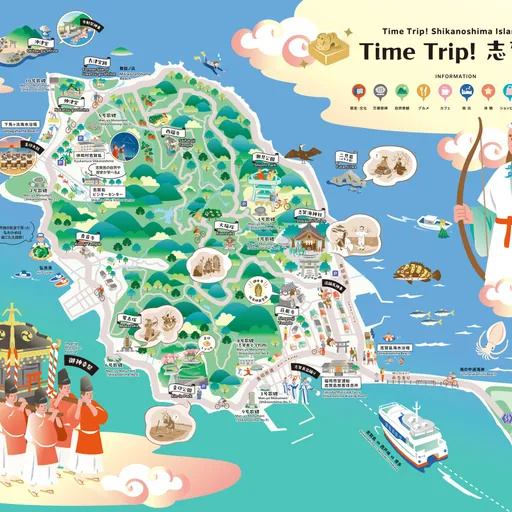
This map, operated by the City of Fukuoka, introduces cultural heritage sites on Shikanoshima Island, as well as local gourmet spots and activity information. Use this map as your travel companion to explore cultural landmarks and immerse yourself in the island's timeless history.
 Posted by福岡市役所文化財活用課Updated:
 All spots information
54 spots
 History/Culture
Kin-in Park
History/Culture
 Open
Open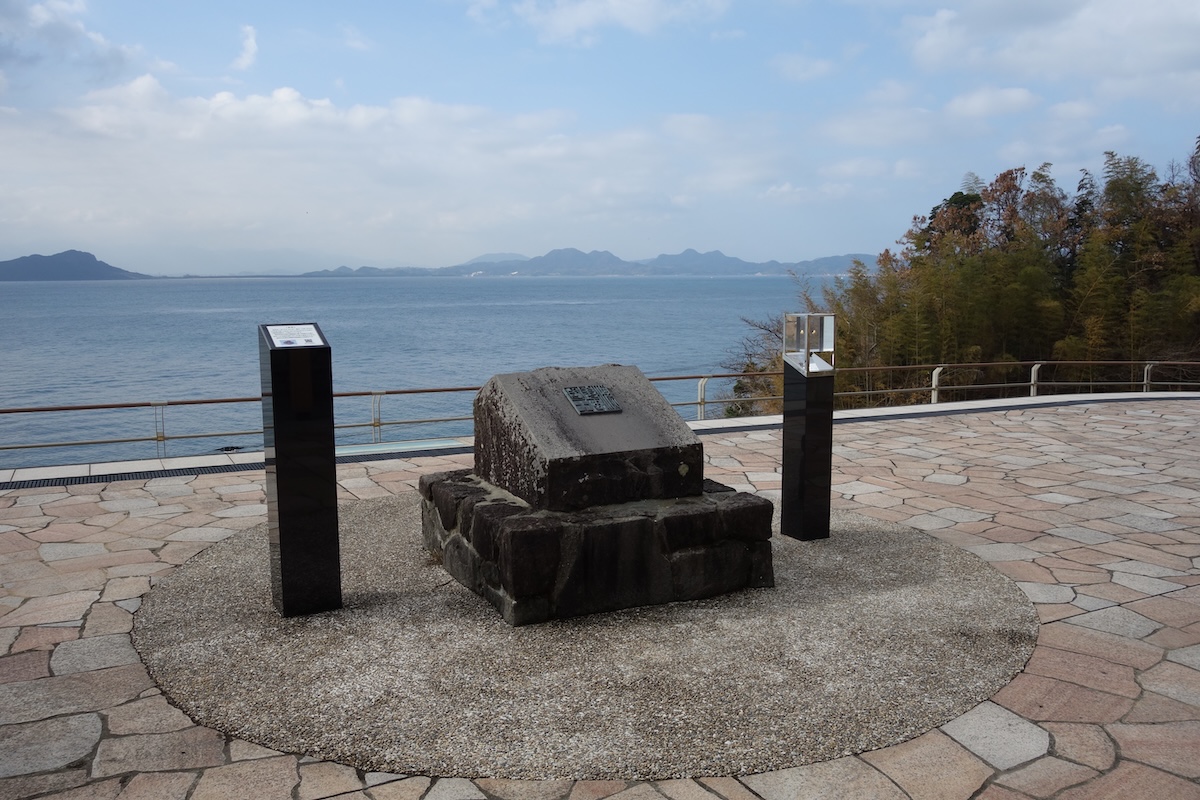
This park was created to commemorate the discovery of the Kin-in (The Gold Seal) in this area of Shikanoshima Island. Within the park, you will find a monument and a replica of the seal. Ramps are available for visitors to reach the top of the park, where panoramic views of the sea toward Cape Yaramisaki on nearby Nokonoshima Island can be enjoyed, making it a popular scenic spot. ● From discovery to a National Treasure Kin-in (gold seal) was discovered on Shikanoshima Island in 1784. According to historical records, a local farmer happened to find it as he was repairing an irrigation channel for his rice field. The seal was reported to the local authorities and examined by KAMEI Nanmei, the head of the Fukuoka Domain’s academic institution known as the Kantōkan. Drawing on the Chinese historical text the Treatise on Eastern Barbarians in the Book of the Later Han, Nanmei concluded that the seal had been bestowed in 57 CE by Emperor Guangwu of the Han Dynasty upon the ruler known as the King of Na, a small state within the Kingdom of Wa (ancient Japan). This interpretation remains the prevailing scholarly view today. Later, the seal was placed in the care of the Kuroda clan, who were the ruling lords of the Fukuoka Domain. In 1931, it was officially designated a National Treasure of Japan. The original seal is now preserved and displayed at the Fukuoka City Museum. Since its discovery, scholars have proposed various theories about how to read the inscription and how the seal came to be buried on Shikanoshima Island. However, much about the seal remains unclear. ●Reading the Inscription 「漢委奴国王」 (Kan no Wa no Na no Kokuō) The inscription is commonly translated as “King of the State of Na in Wa, recognized by the Han Dynasty.” ●How the seal was used The seal functioned as an official stamp used to make impressions in clay. Important documents were placed inside a box, which was then tied with string. Clay was applied over the knot, and the seal was pressed into it, serving as proof that the box had not been opened during transport. The characters on the seal are carved in such a way that, when the seal is pressed into clay, the stamped letters appear raised. ●Historical significance Chinese emperors bestowed seals like this upon rulers in surrounding regions to establish a hierarchical political system, with the emperor at its apex. The material of the seal and the design of its handle varied according to the recipient’s status and location. The recipient of the Kin-in, which is made of solid gold and topped with a snake-shaped handle, is believed to have been recognized by the Later Han Dynasty as a ruler of a southern, non-Han people. As a rare and well-preserved artifact, the Kin-in offers invaluable insight into Japan’s foreign relations around the 1st century CE and its place within ancient East Asia.
Mōkozuka(Mongolian Mound)
History/Culture
Open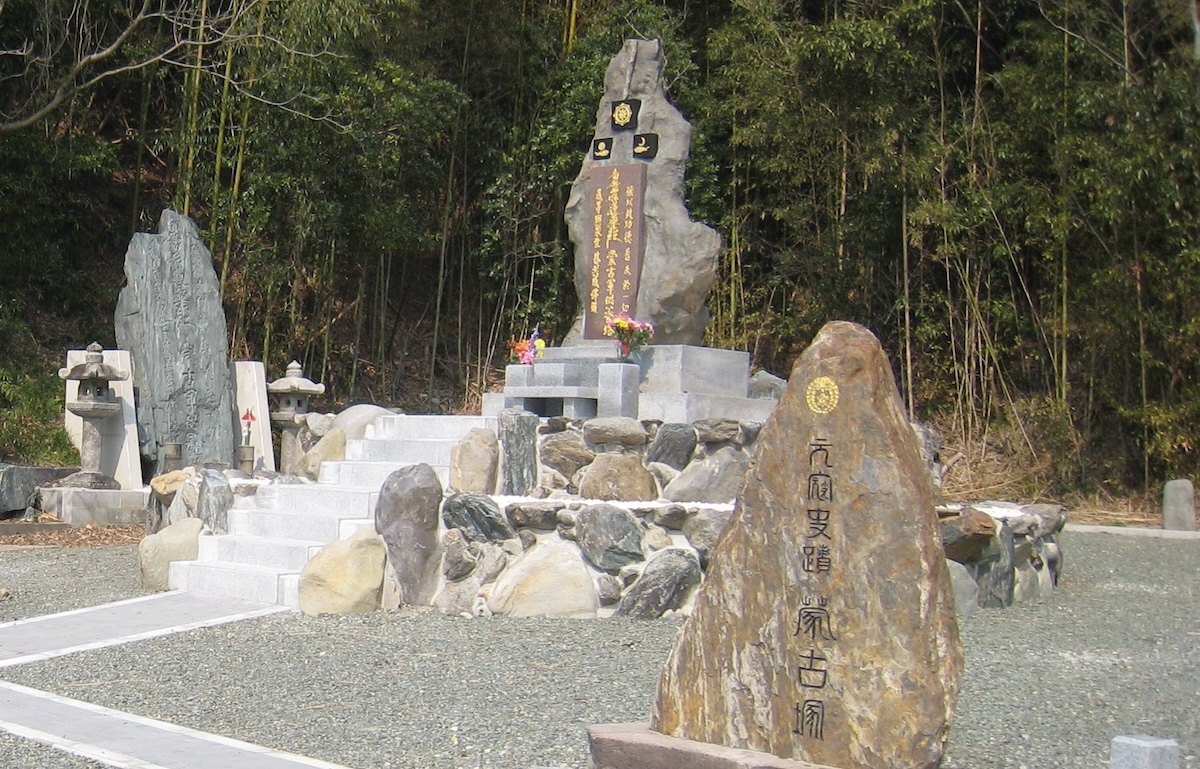
This memorial monument commemorates the Mongol soldiers who lost their lives in the Mongol invasions of Japan in the late 13th century. The site is believed to have been the site of the Battle of Bunei (1274) and the Battle of Kōan (1281), collectively known in Japan as the Mongol invasions (Genkō). In the past, the area was also referred to as Kubikirizuka [the beheading mound]. The monument was erected in 1927 at the initiative of TAKANABE Nittō, a Buddhist priest of the Nichiren sect, to offer prayers for the fallen Mongol soldiers. It bears inscriptions written by prominent figures such as TANAKA Giichi, the former Prime Minister of Japan, and TŌGŌ Heihachirō, a fleet admiral of the former Imperial Japanese Navy. The monument standing at the center today was built in 2005. However, the original monument from 1927 has also been preserved within the site. In addition, the grounds contain a monument featuring a calligraphic inscription titled Eulogy for the Mongol Soldiers’ Memorial Monument, written by Zhang Zuolin, a leading political figure of early 20th century China. These monuments reflect historical narratives from both medieval and modern times.
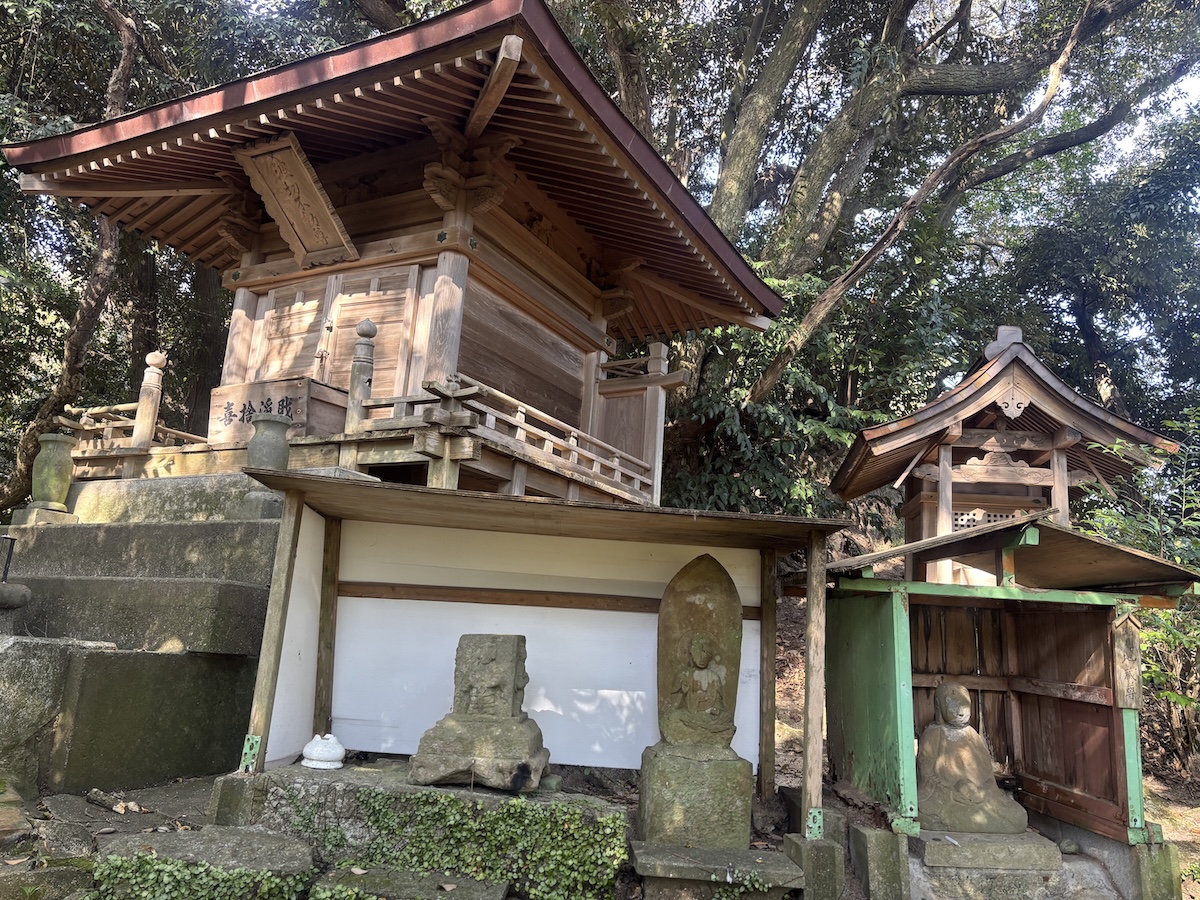
Prayers were offered at this site to repel the Mongol forces during the Mongol invasions of Japan. It is said that during the Battle of Kōan in 1281, monks from Mount Kōya stayed here and performed Buddhist fire rituals while praying to drive back the invaders. After the Mongol forces retreated, the monks are believed to have left behind the flame-shaped halo of a statue of Fudō Myōō (a Buddhist deity associated with fire). From this legend, the site came to be known as Kaenzuka, meaning “flame mound”. Caution:Access to this site involves uneven and potentially hazardous paths, so please use extreme caution.
Shogonji Temple
History/Culture
Open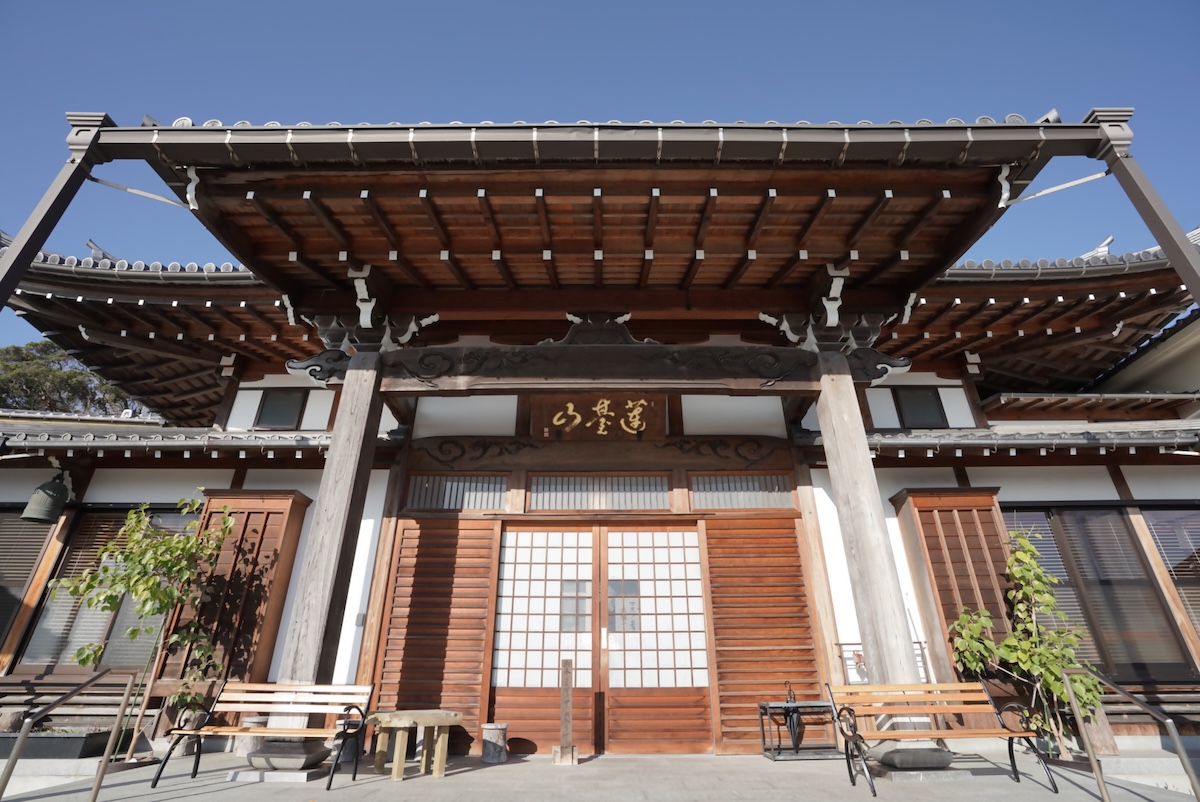
Shōgonji Temple is a Zen Buddhist temple. Legend has it that the temple was founded in 1278 by Shōichi Kokushi, a prominent Zen master. The temple’s principal image is the statue of Enmei Jizō Bosatsu (Jizō Bodhisattva of longevity). Today, the temple is also well known as a place for good relationships and matchmaking. Several important artifacts preserved at the temple are designated as Fukuoka City Tangible Cultural Properties. These include a bronze seated Bodhisattva statue and a wooden standing Kannon Bodhisattva statue. Visitors can take part in a variety of activities, such as zazen seated meditation, shakyō sutra copying, and tea ceremony experiences. They can also make prayer beads using wood and natural stones. Please note that reservations by telephone are required. At the top of the steps leading to the main hall, visitors can enjoy a spectacular view of Hakata Bay. ● Wooden Statue of Standing Kannon Bodhisattva This statue, with a powerful and solid presence, was created approximately 1,000 years ago and displays a sculptural style unique to the Kyūshū region. The entire figure is carved from a single block of wood. At the time of its creation, most Buddhist statues were made in this way. In later periods, however, a technique in which multiple pieces of wood were assembled to form a single statue became more common. ● Statue of Standing Yakushi Nyorai (the Medicine Buddha) This statue was created approximately 700 years ago. It is constructed from multiple pieces of wood and is accompanied by statues of the Twelve Guardian Generals, who serve as attendant deities. These figures are believed to protect the Buddhist teachings and to bestow benefits upon those who place their faith in the principal image.
Shikaumi Shrine
History/Culture
Open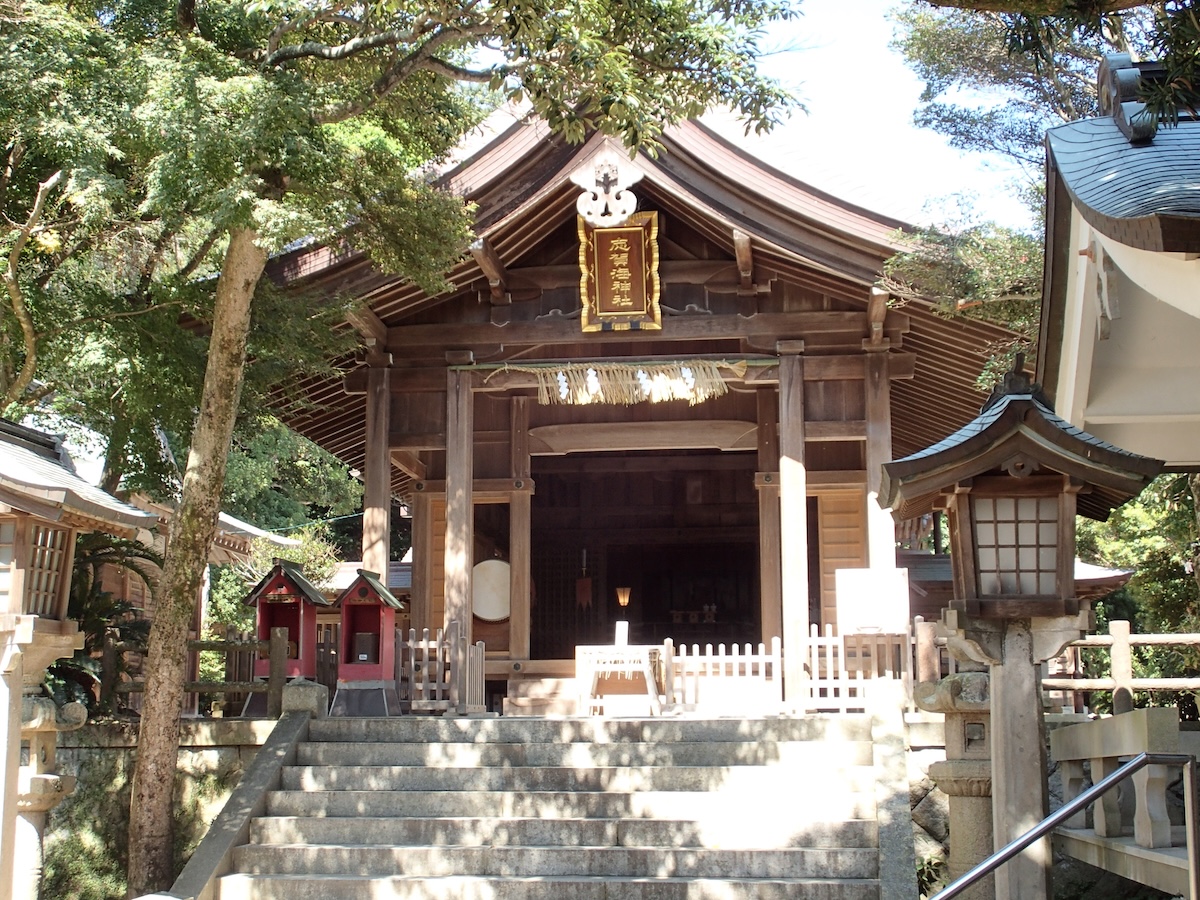
Shikaumi Shrine is a Shinto site dedicated to the deities of the sea. It has long been a place of worship, believed to ensure safe maritime travel and to bestow abundant blessings from the sea. The shrine preserves a wide range of sacred treasures, including a gilded bell from the Korean Peninsula, a Hōkyōintō stone pagoda, and a mold used for casting slender bronze swords. Traditional rituals and festivals held at the shrine, such as the Hosha Festival, the Yamahome Festival, and the Shinkō procession, are designated as Fukuoka Prefecture Intangible Folk Cultural Properties. These events continue to preserve ancient ceremonial practices to this day. ●Rokkakuko (Deer antler repository) Located within the shrine grounds, the Rokkakuko houses more than 10,000 deer antlers. According to legend, Empress Jingū presented deer antlers to the shrine when reporting her victory on the Korean Peninsula. In keeping with this tradition, many military commanders later offered deer antlers as prayers for success in battle. ●Watatsumi Sanshin (Three Watatsumi Deities) The three sea deities enshrined at Shikaumi Shrine are collectively known as the Watatsumi Sanshin. According to Japanese mythology, they were born during the purification rites performed by Izanagi-no-Mikoto. Each deity governs a different depth of the sea— the deep, the middle and the shallows.
Nakatsugū Shrine
History/Culture
Open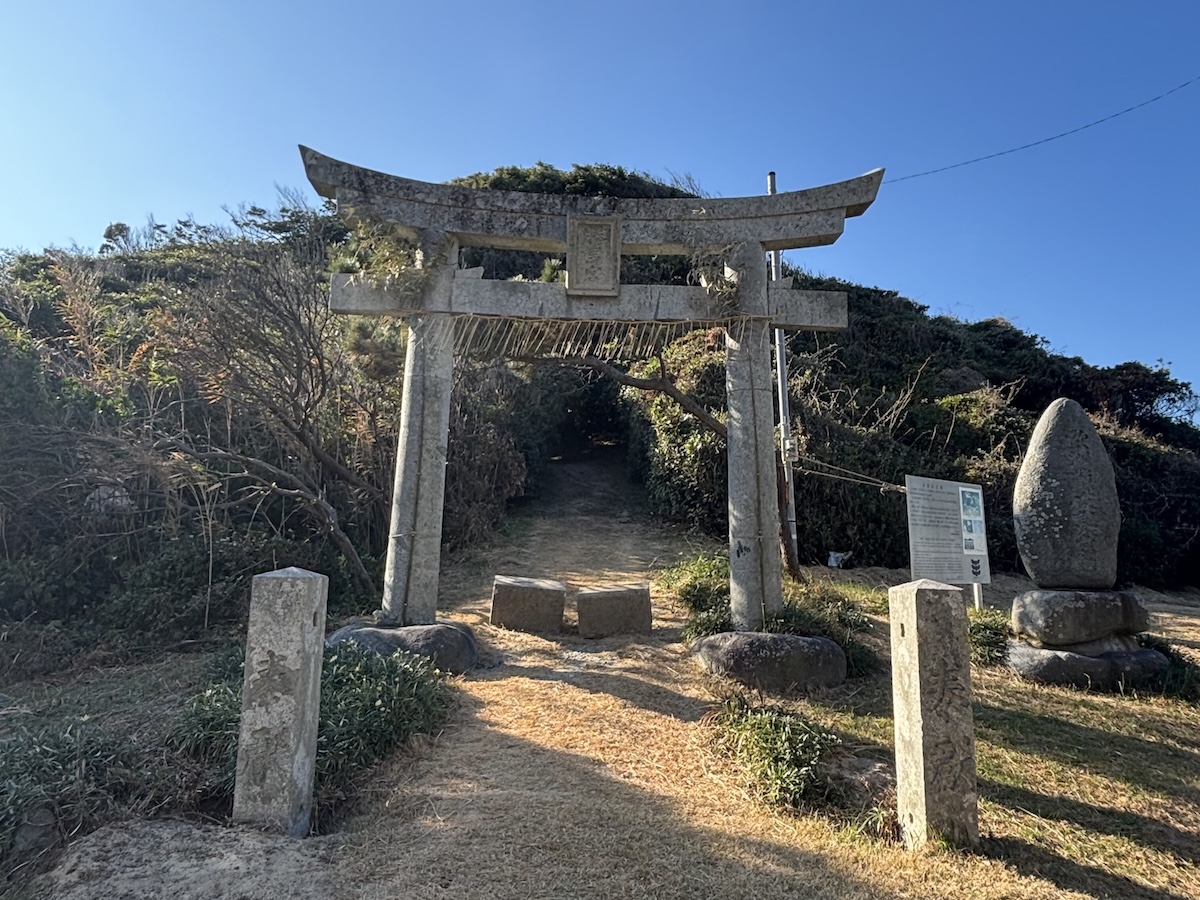
Nakatsugū Shrine is dedicated to one of the Watatsumi Sanshin, who governs the mid-depths of the sea. It is a rare site where a tumulus is located within the shrine grounds. The Nakatsugū Tumulus was built around the mid-7th century and is believed to be the tomb of a local chieftain from a community based in the Katsuma area. Excavations of the stone burial chamber uncovered Sue ware pottery, iron objects, and beads. In addition, nine jikan earrings, were discovered, suggesting that at least five individuals were buried in the tumulus. The path leading from the coast is shaded by trees forming a tunnel like canopy. Visitors can enjoy the fresh air of Shikanoshima Island with a sense of exploration.
Okitsugū Shrine
History/Culture
Open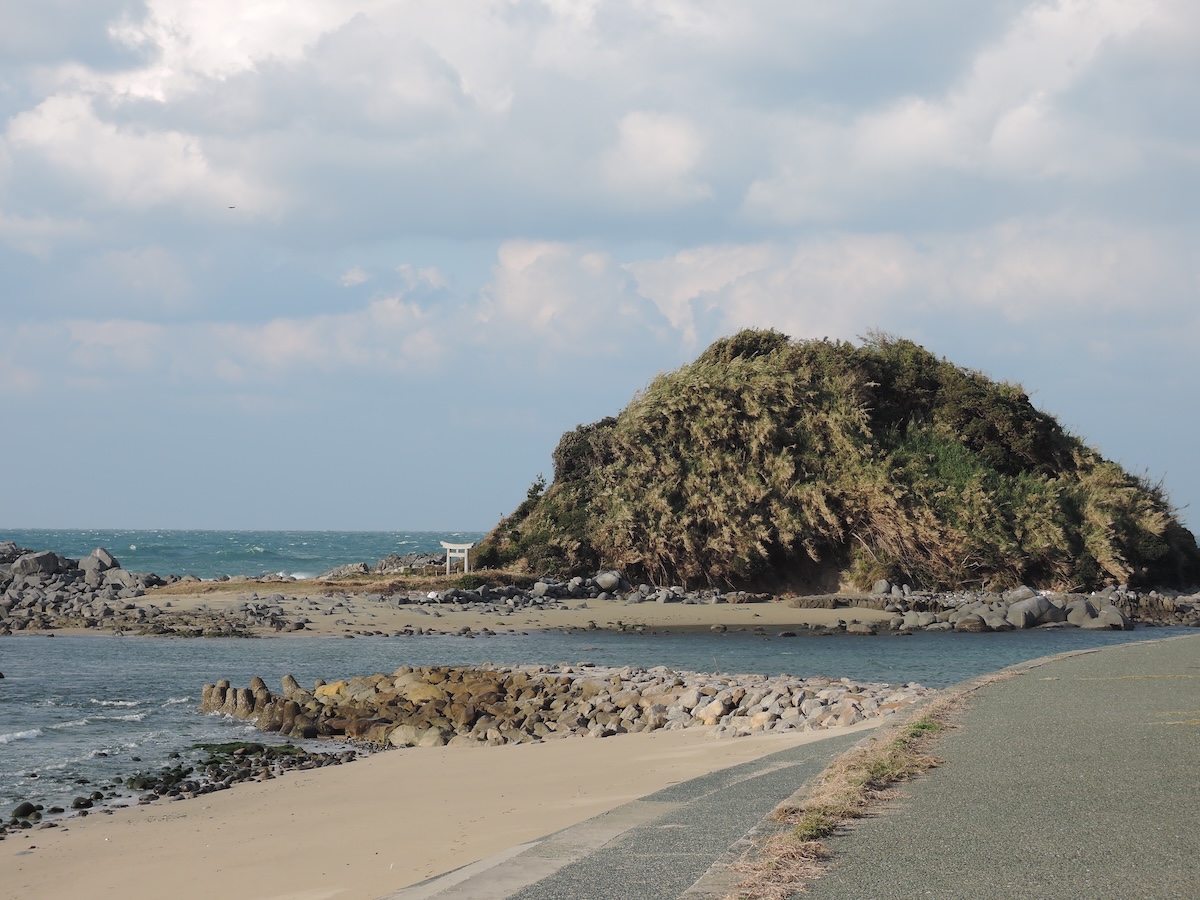
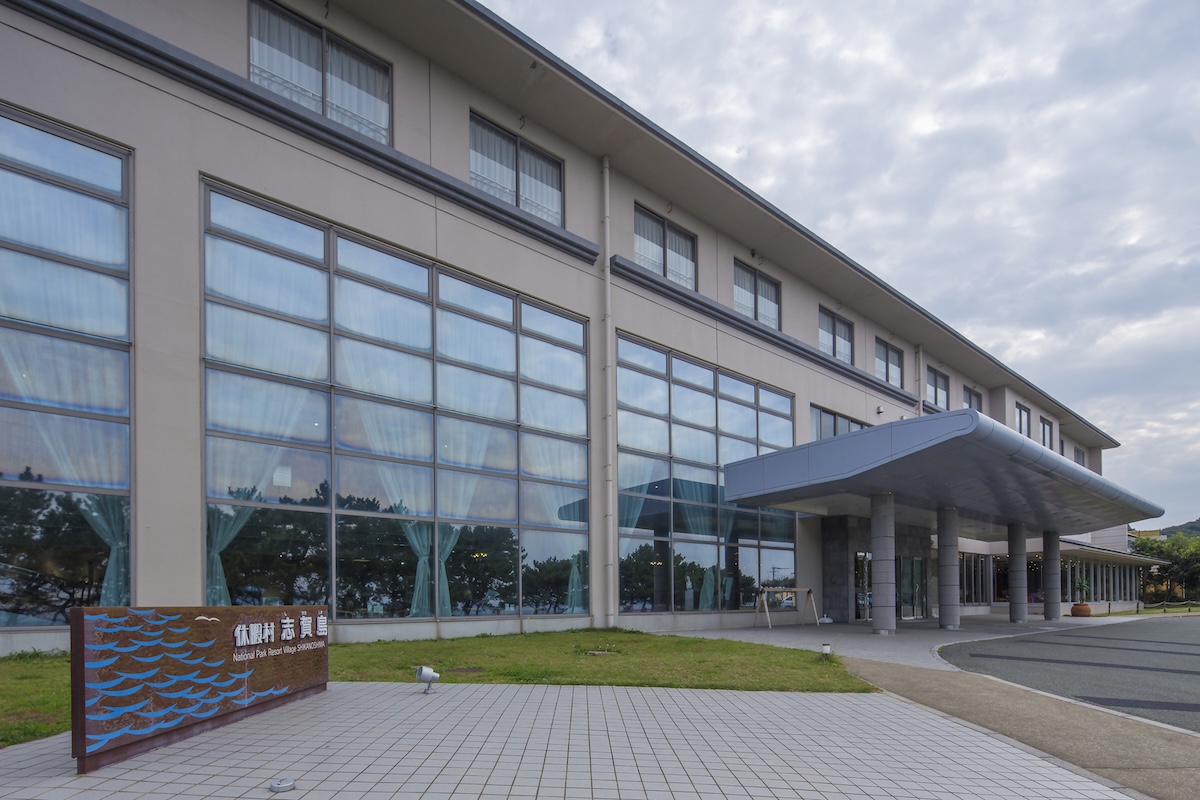
Okitsugū Shrine is dedicated to one of the Watatsumi Sanshin, who governs the surface and the shallows of the sea. It is located on the northern side of Shikanoshima Island and has been a place of worship since ancient times. Although the shrine is usually separated from the rest of the island by the sea, it becomes accessible for about two hours at low tide, allowing visitors to walk across on foot. Rubber boots are available for rent at Kyūkamura Shikanoshima.
Former Site of Uwatsugū Shrine
History/Culture
Open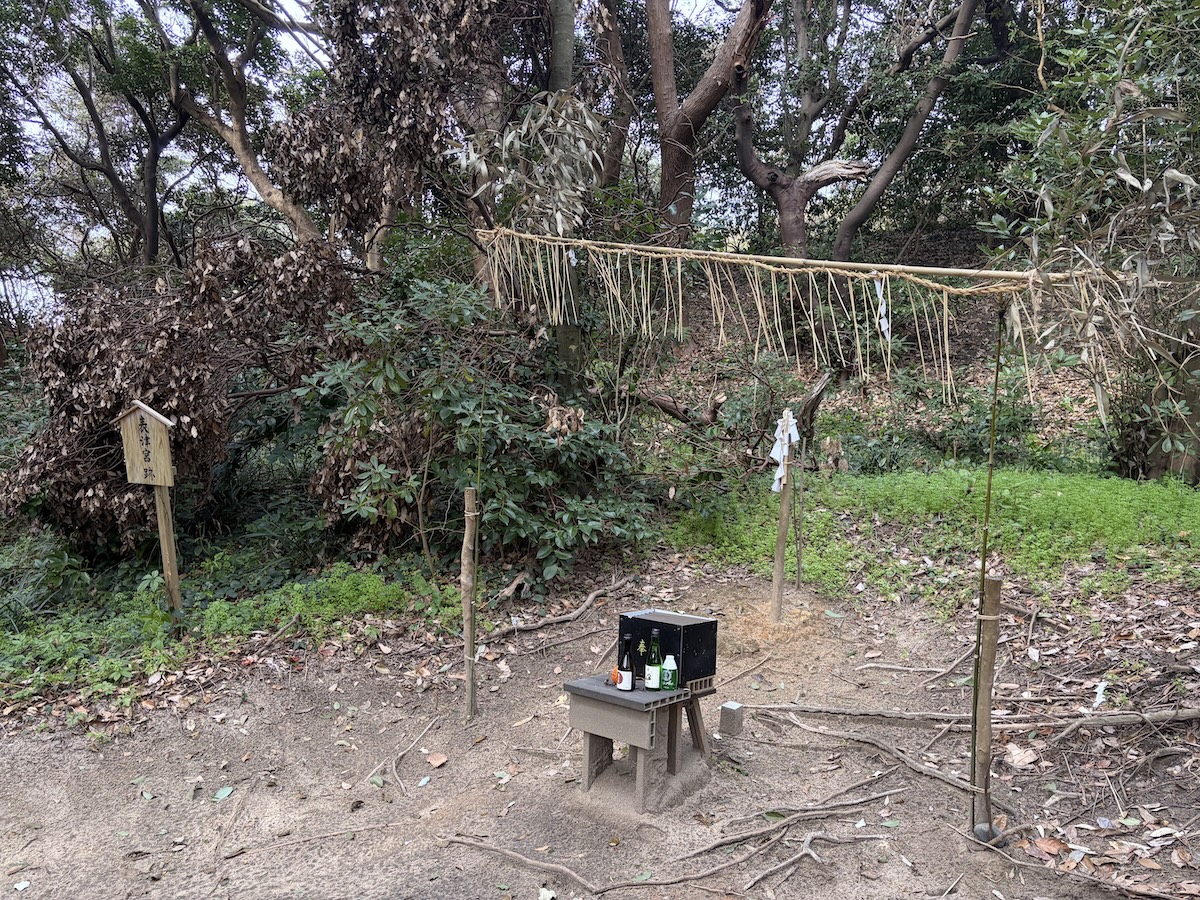
Shikaumi Shrine is believed to have originally stood on this site. It is said that the shrine’s main hall was relocated to its present location approximately 1,800 years ago. The site lies in a wooded area behind the Hamakōya Ryokan inn and can be reached by following a narrow path through the trees. Although no buildings remain today, the site continues to be revered by the local community.
Saifukuji Temple
History/Culture
Open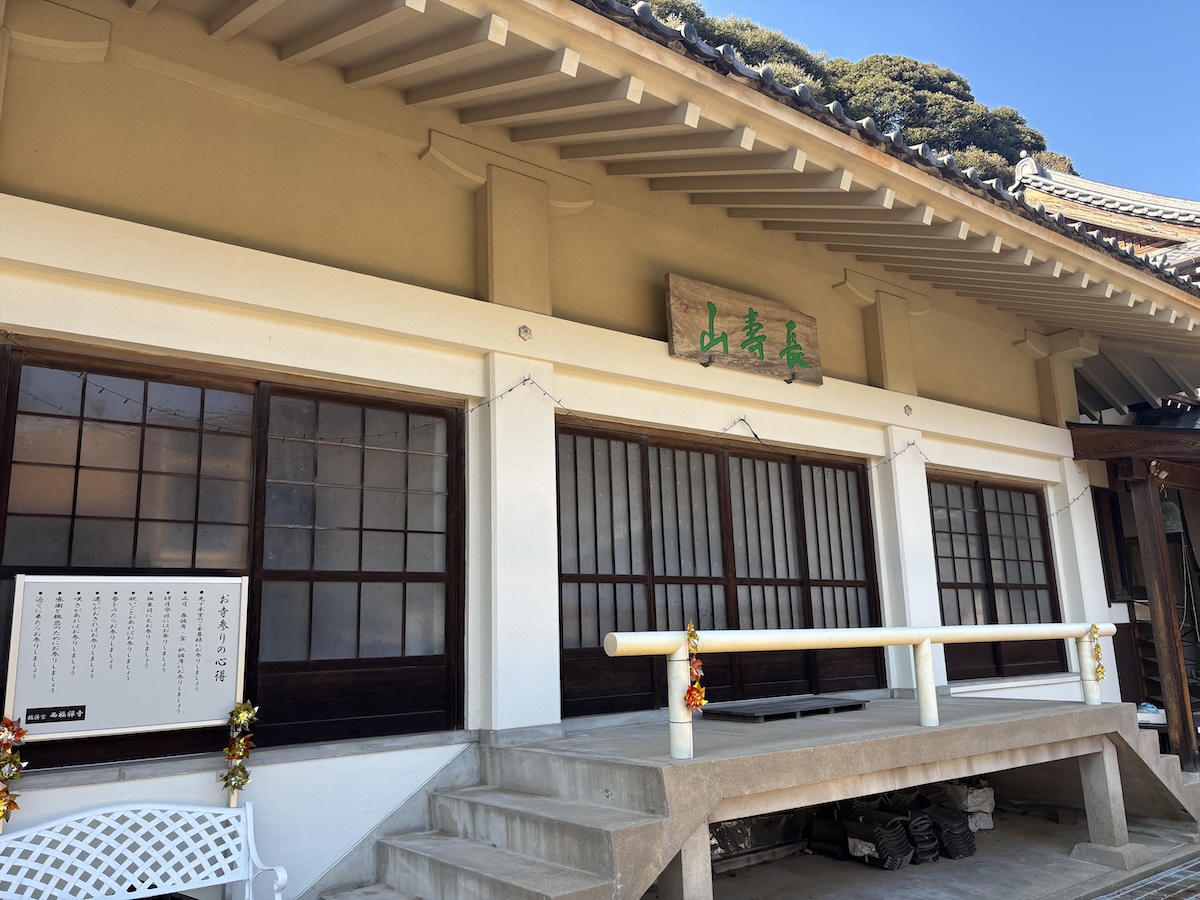
Saifukuji Temple is a Zen Buddhist temple belonging to the Tōfukuji School of the Rinzai sect. The temple’s principal image is Shōkanzeon Bosatsu (Sacred Kannon Bodhisattva) and a statue of the Batō Kanzeon (Horse Headed Kannon) stands beside it. Behind the temple, on a wooded hillside, lies the Dōnoyama Hakoshiki Sekkanbo (stone-lined box tomb).
Kōonji Temple
History/Culture
Open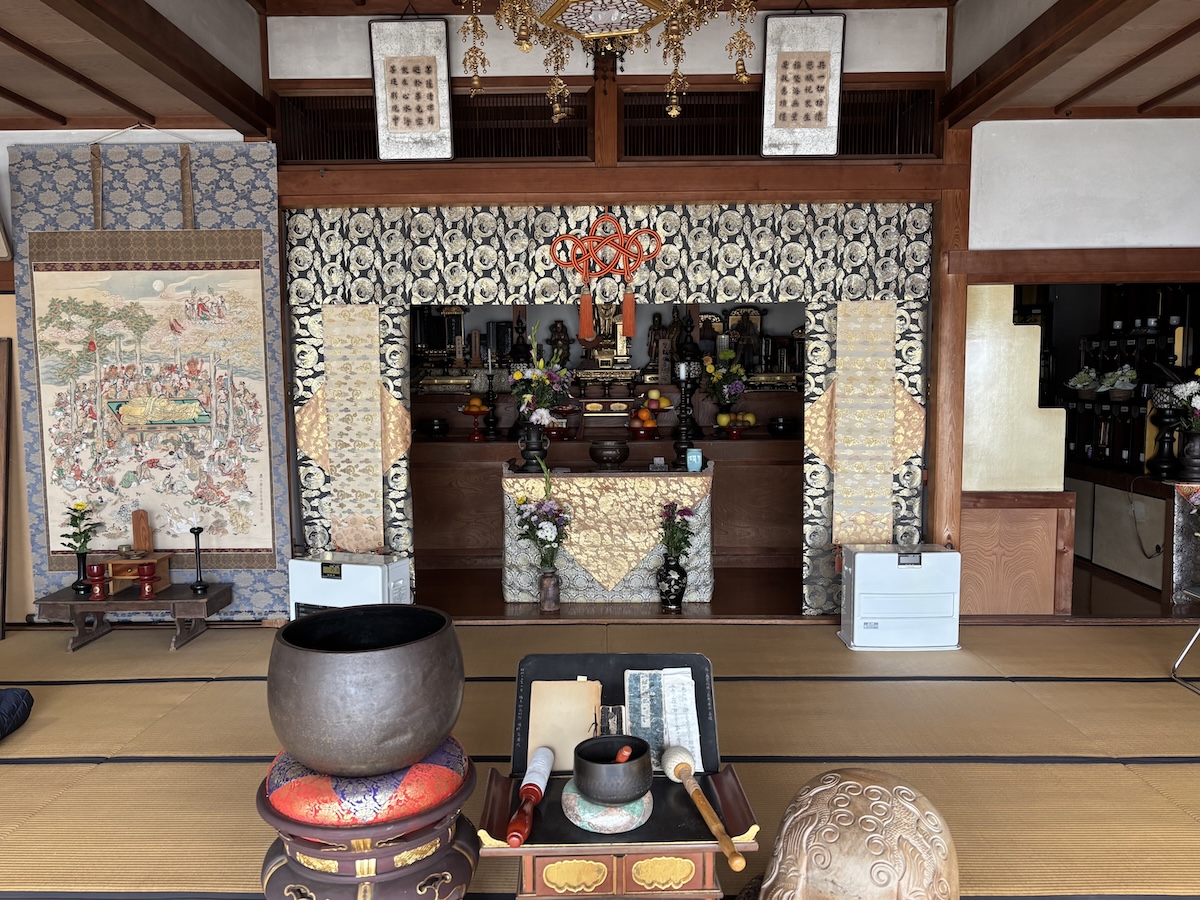
Kōonji Temple is a Zen Buddhist temple belonging to the Tōfukuji School of the Rinzai sect. It is said to have been founded by welcoming two disciples of Shōichi Kokushi: Fuen Kokushi and Senkei Koken Zenshi. The temple’s principal image is Shōkanzeon Bosatsu (Sacred Kannon Bodhisattva). Kōonji Temple has twice suffered severe floods and landslides, which caused significant damage to its main hall and temple treasures. However, it is said that the Bodhisattva statue remained unharmed.
 Man'yō Poem Monument
Man’yōshū Poem Monument(Shikanoshima No.1)
Man'yō Poem Monument
Open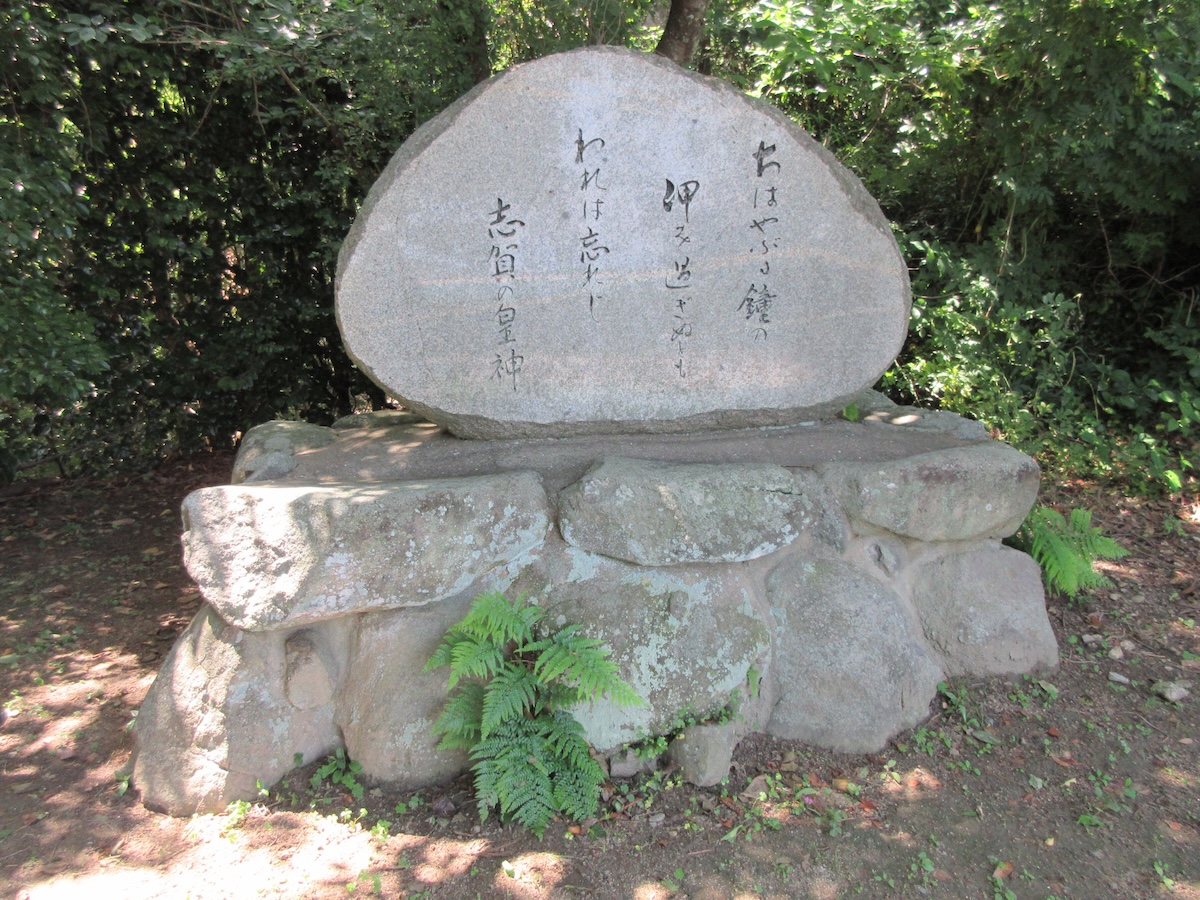
Man’yōshū poem monuments are stone markers inscribed with poems from the Man’yōshū, Japan’s oldest anthology of poetry. Many such monuments have been erected throughout the prefecture in places associated with locations mentioned in the poems. There are nine monuments on Shikanoshima Island, and one more on Ōtake, across the michikiri causeway (sand spit). Many of the poems feature the sea, depicting the island’s natural landscapes and the lives of people in ancient times. Together, they offer visitors an opportunity to reflect on the island’s distant past.
Man’yōshū Poem Monument(Shikanoshima No.2)
Man'yō Poem Monument
Open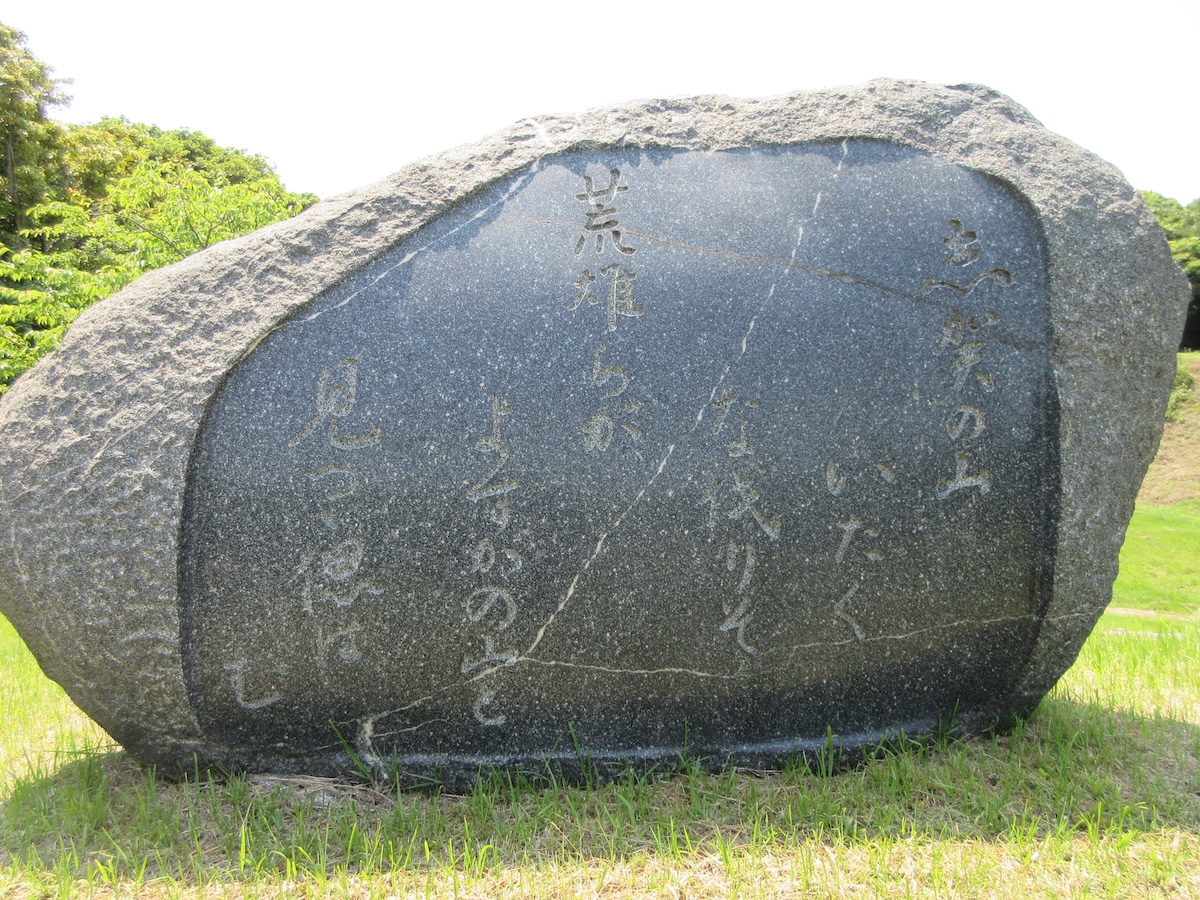
Man’yōshū poem monuments are stone markers inscribed with poems from the Man’yōshū, Japan’s oldest anthology of poetry. Many such monuments have been erected throughout the prefecture in places associated with locations mentioned in the poems. There are nine monuments on Shikanoshima Island, and one more on Ōtake, across the michikiri causeway (sand spit). Many of the poems feature the sea, depicting the island’s natural landscapes and the lives of people in ancient times. Together, they offer visitors an opportunity to reflect on the island’s distant past.
Man’yōshū Poem Monument(Shikanoshima No.3)
Man'yō Poem Monument
Open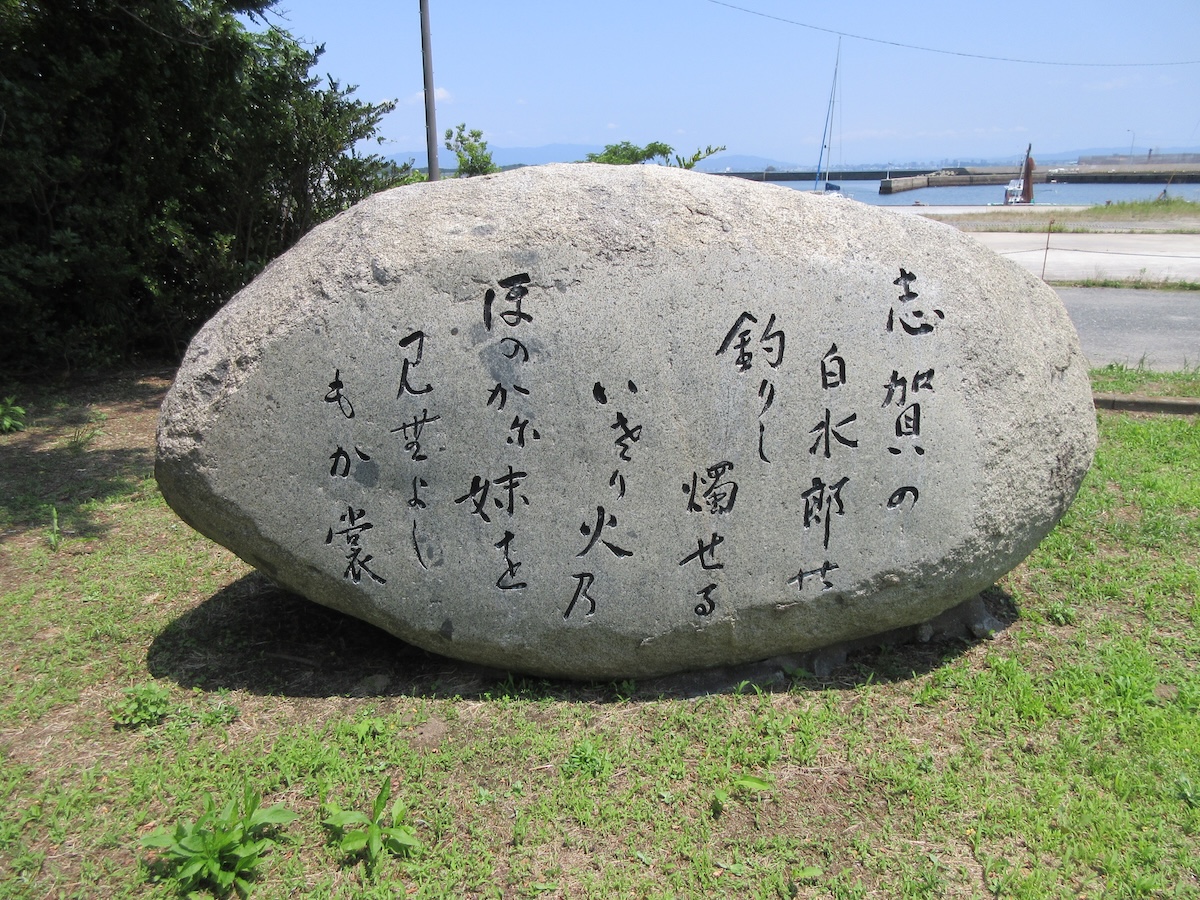
Man’yōshū poem monuments are stone markers inscribed with poems from the Man’yōshū, Japan’s oldest anthology of poetry. Many such monuments have been erected throughout the prefecture in places associated with locations mentioned in the poems. There are nine monuments on Shikanoshima Island, and one more on Ōtake, across the michikiri causeway (sand spit). Many of the poems feature the sea, depicting the island’s natural landscapes and the lives of people in ancient times. Together, they offer visitors an opportunity to reflect on the island’s distant past.
Man’yōshū Poem Monument(Shikanoshima No.4)
Man'yō Poem Monument
Open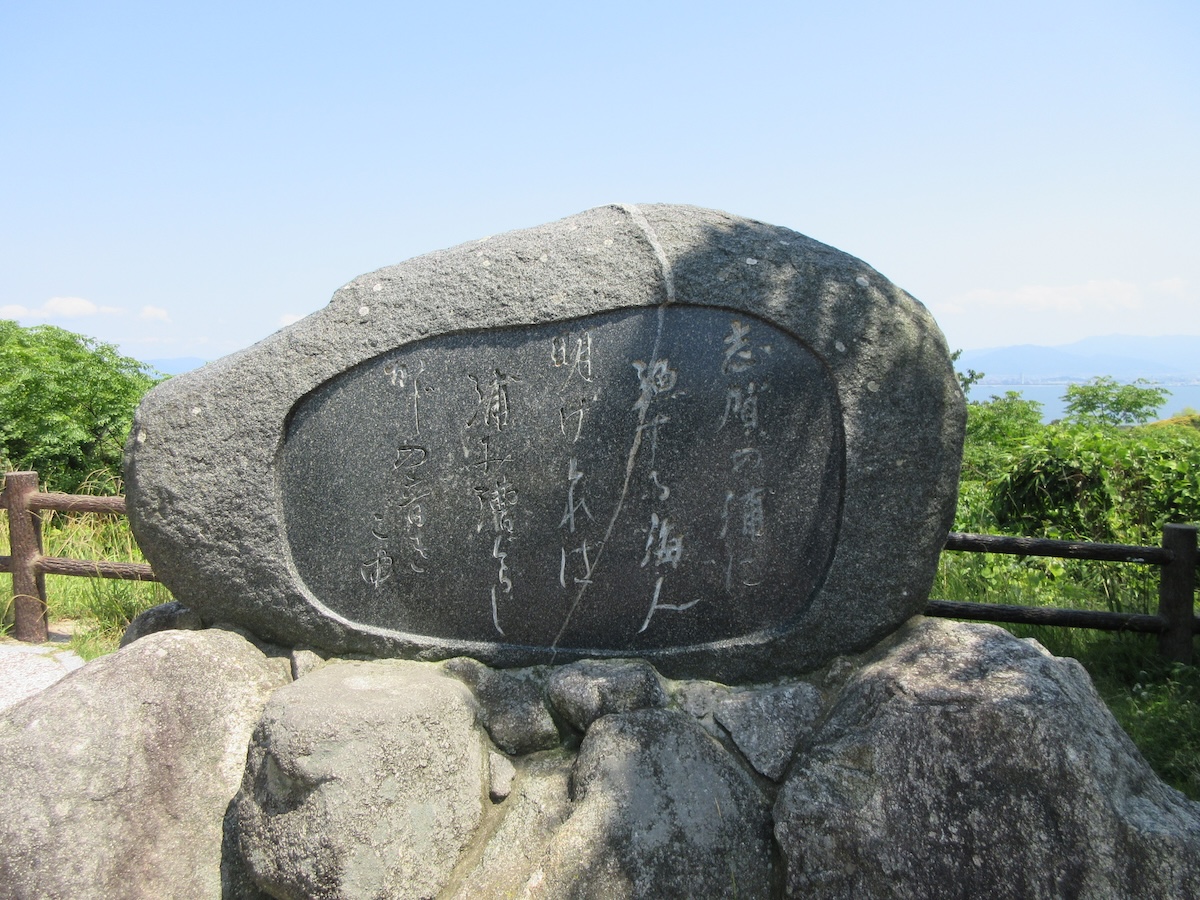
Man’yōshū poem monuments are stone markers inscribed with poems from the Man’yōshū, Japan’s oldest anthology of poetry. Many such monuments have been erected throughout the prefecture in places associated with locations mentioned in the poems. There are nine monuments on Shikanoshima Island, and one more on Ōtake, across the michikiri causeway (sand spit). Many of the poems feature the sea, depicting the island’s natural landscapes and the lives of people in ancient times. Together, they offer visitors an opportunity to reflect on the island’s distant past.
Man’yōshū Poem Monument(Shikanoshima No.5)
Man'yō Poem Monument
Open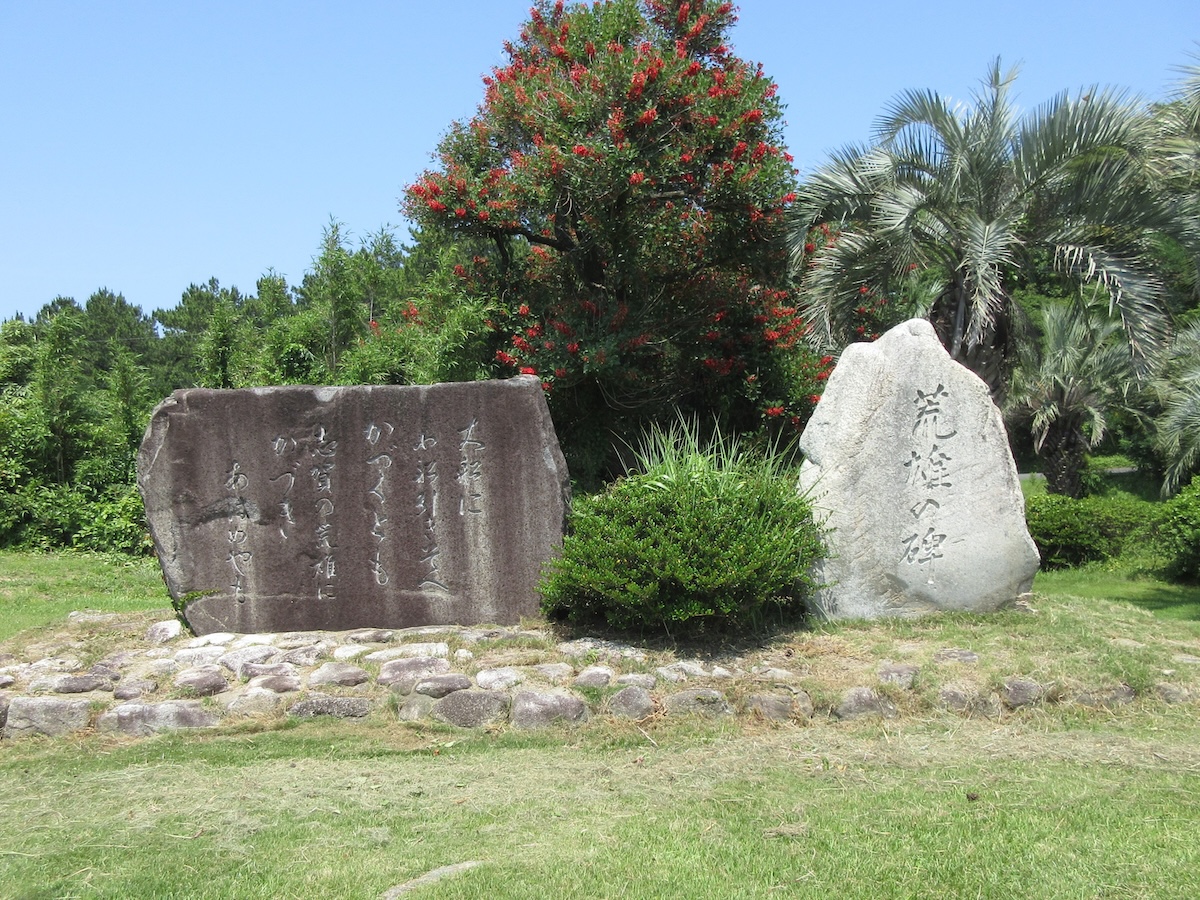
Man’yōshū poem monuments are stone markers inscribed with poems from the Man’yōshū, Japan’s oldest anthology of poetry. Many such monuments have been erected throughout the prefecture in places associated with locations mentioned in the poems. There are nine monuments on Shikanoshima Island, and one more on Ōtake, across the michikiri causeway (sand spit). Many of the poems feature the sea, depicting the island’s natural landscapes and the lives of people in ancient times. Together, they offer visitors an opportunity to reflect on the island’s distant past.
Man’yōshū Poem Monument(Shikanoshima No.6)
Man'yō Poem Monument
Open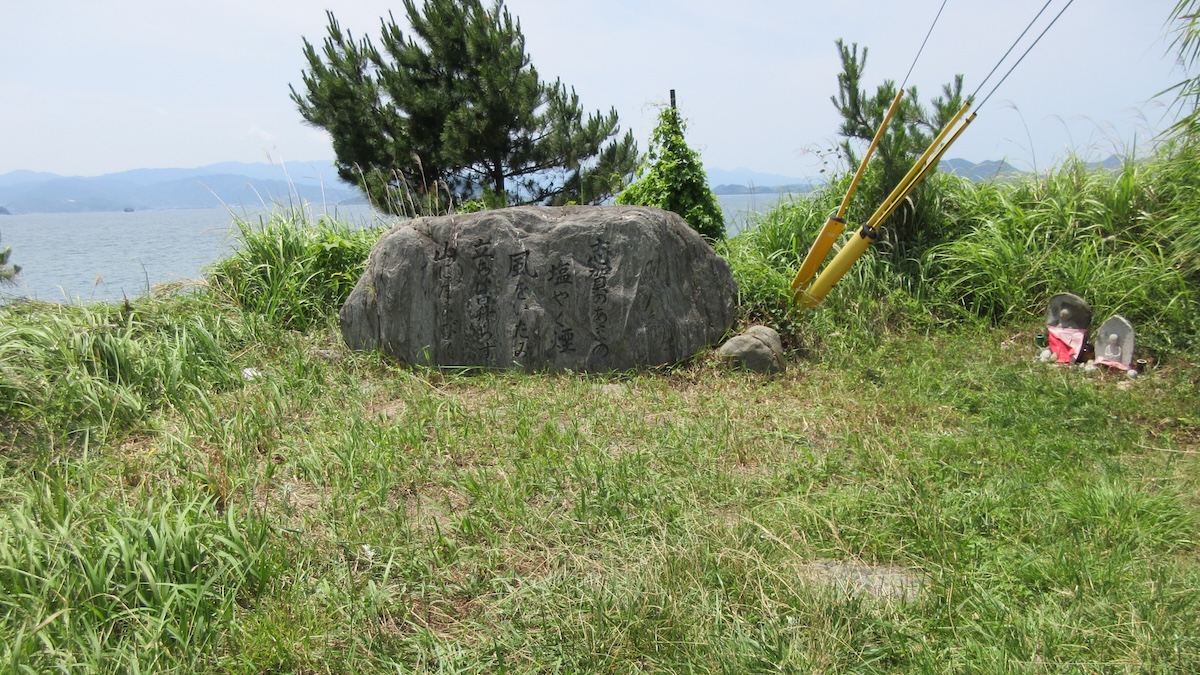
Man’yōshū poem monuments are stone markers inscribed with poems from the Man’yōshū, Japan’s oldest anthology of poetry. Many such monuments have been erected throughout the prefecture in places associated with locations mentioned in the poems. There are nine monuments on Shikanoshima Island, and one more on Ōtake, across the michikiri causeway (sand spit). Many of the poems feature the sea, depicting the island’s natural landscapes and the lives of people in ancient times. Together, they offer visitors an opportunity to reflect on the island’s distant past.
Man’yōshū Poem Monument(Shikanoshima No.7)
Man'yō Poem Monument
Open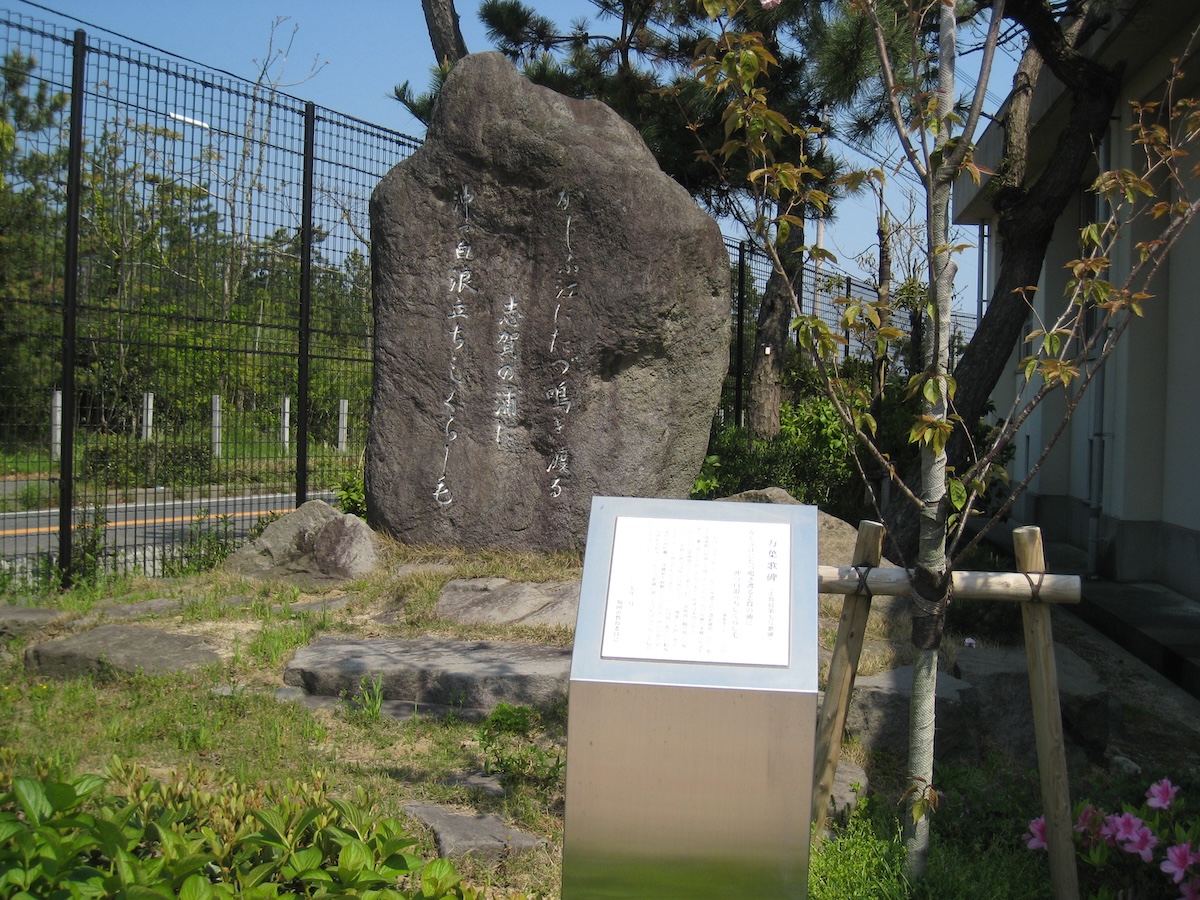
Man’yōshū poem monuments are stone markers inscribed with poems from the Man’yōshū, Japan’s oldest anthology of poetry. Many such monuments have been erected throughout the prefecture in places associated with locations mentioned in the poems. There are nine monuments on Shikanoshima Island, and one more on Ōtake, across the michikiri causeway (sand spit). Many of the poems feature the sea, depicting the island’s natural landscapes and the lives of people in ancient times. Together, they offer visitors an opportunity to reflect on the island’s distant past.
Man’yōshū Poem Monument(Shikanoshima No.8)
Man'yō Poem Monument
Open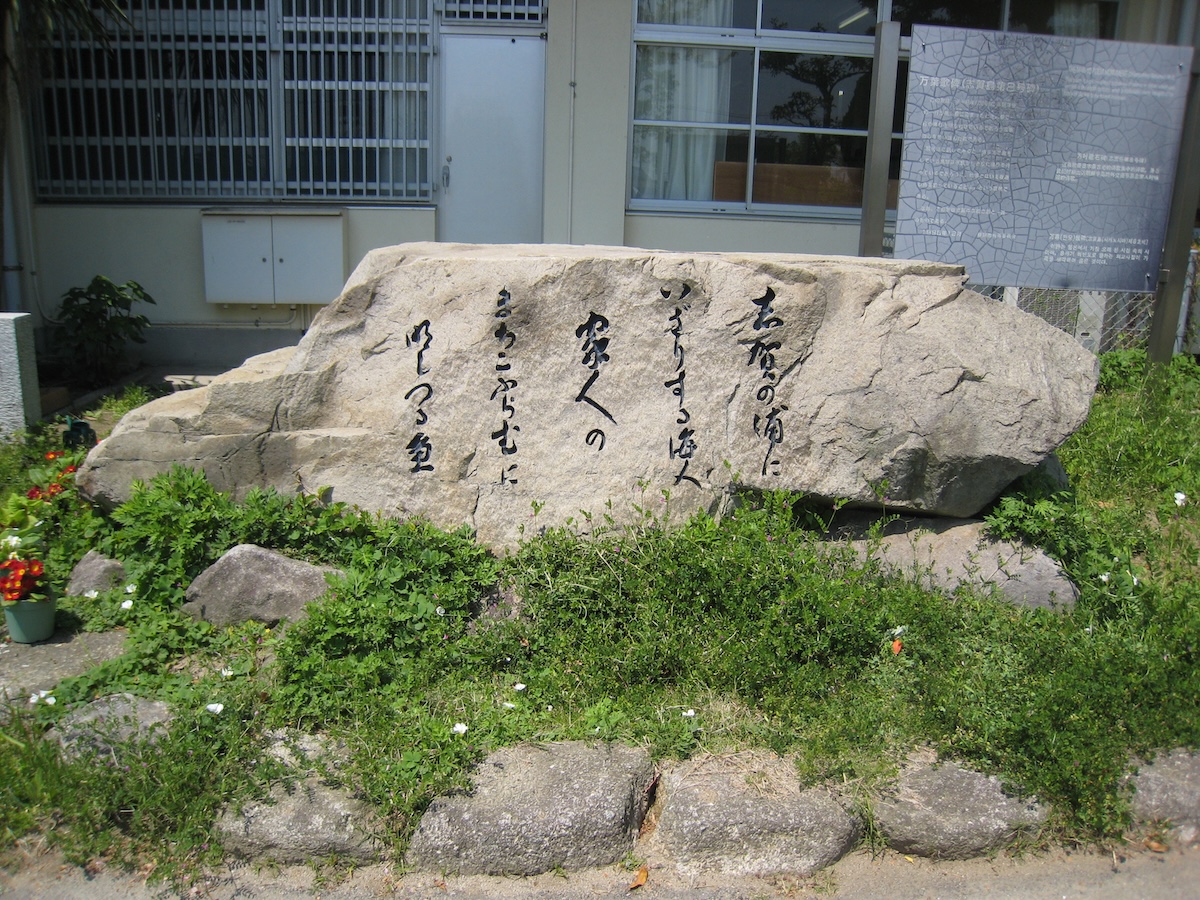
Man’yōshū poem monuments are stone markers inscribed with poems from the Man’yōshū, Japan’s oldest anthology of poetry. Many such monuments have been erected throughout the prefecture in places associated with locations mentioned in the poems. There are nine monuments on Shikanoshima Island, and one more on Ōtake, across the michikiri causeway (sand spit). Many of the poems feature the sea, depicting the island’s natural landscapes and the lives of people in ancient times. Together, they offer visitors an opportunity to reflect on the island’s distant past.
Man’yōshū Poem Monument(Shikanoshima No.9)
Man'yō Poem Monument
Open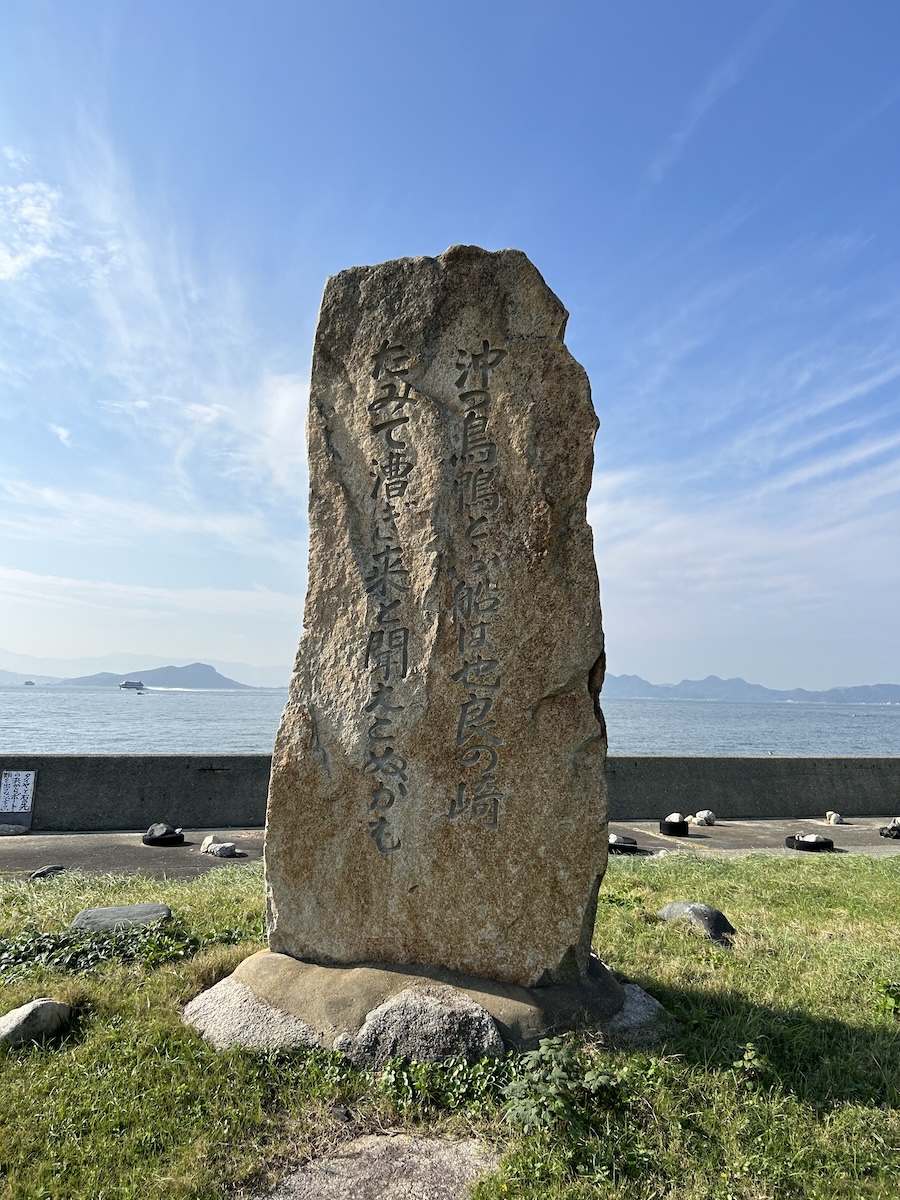
Man’yōshū poem monuments are stone markers inscribed with poems from the Man’yōshū, Japan’s oldest anthology of poetry. Many such monuments have been erected throughout the prefecture in places associated with locations mentioned in the poems. There are nine monuments on Shikanoshima Island, and one more on Ōtake, across the michikiri causeway (sand spit). Many of the poems feature the sea, depicting the island’s natural landscapes and the lives of people in ancient times. Together, they offer visitors an opportunity to reflect on the island’s distant past.
Man’yōshū Poem Monument(Shikanoshima No.10)
Man'yō Poem Monument
Open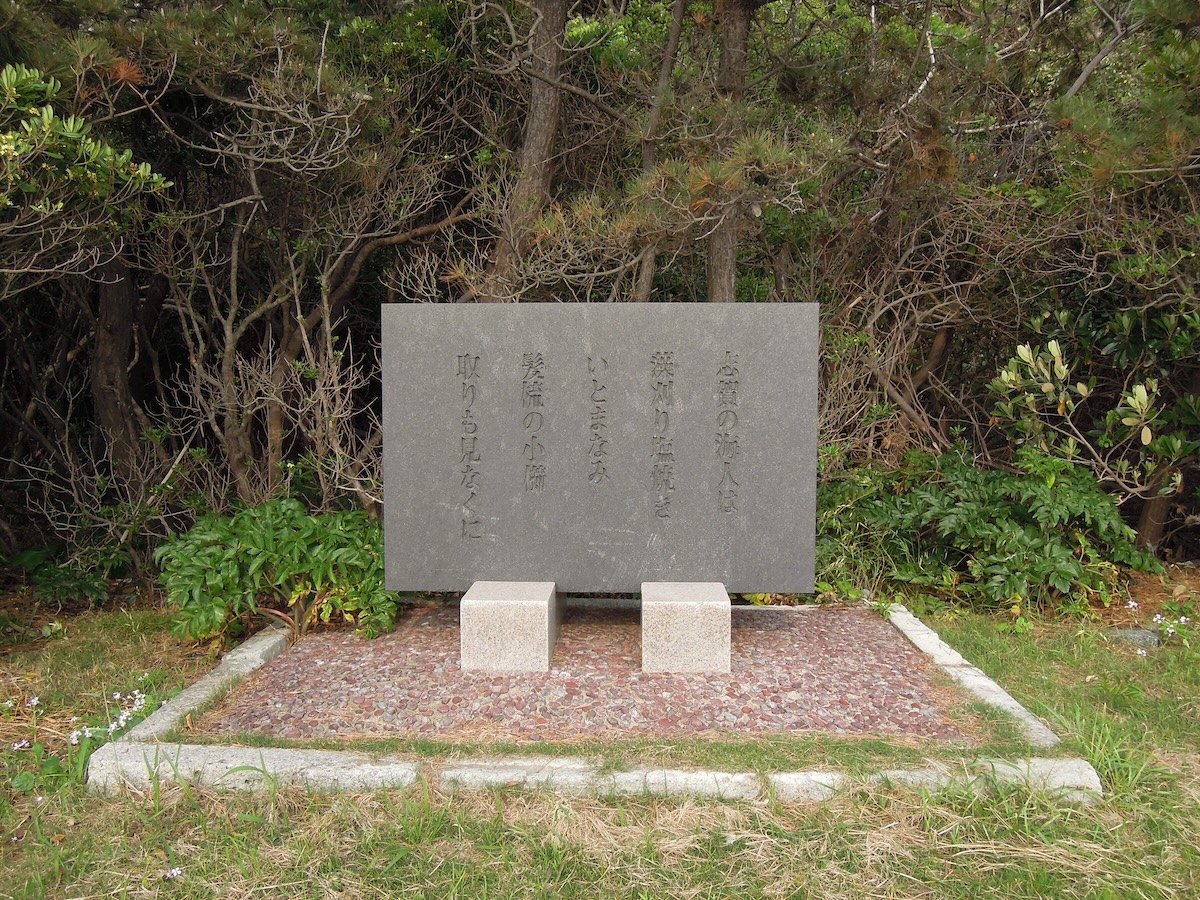
Man’yōshū poem monuments are stone markers inscribed with poems from the Man’yōshū, Japan’s oldest anthology of poetry. Many such monuments have been erected throughout the prefecture in places associated with locations mentioned in the poems. There are nine monuments on Shikanoshima Island, and one more on Ōtake, across the michikiri causeway (sand spit). Many of the poems feature the sea, depicting the island’s natural landscapes and the lives of people in ancient times. Together, they offer visitors an opportunity to reflect on the island’s distant past.
 Scenic Spot
Futamiiwa Rocks
Scenic Spot
Open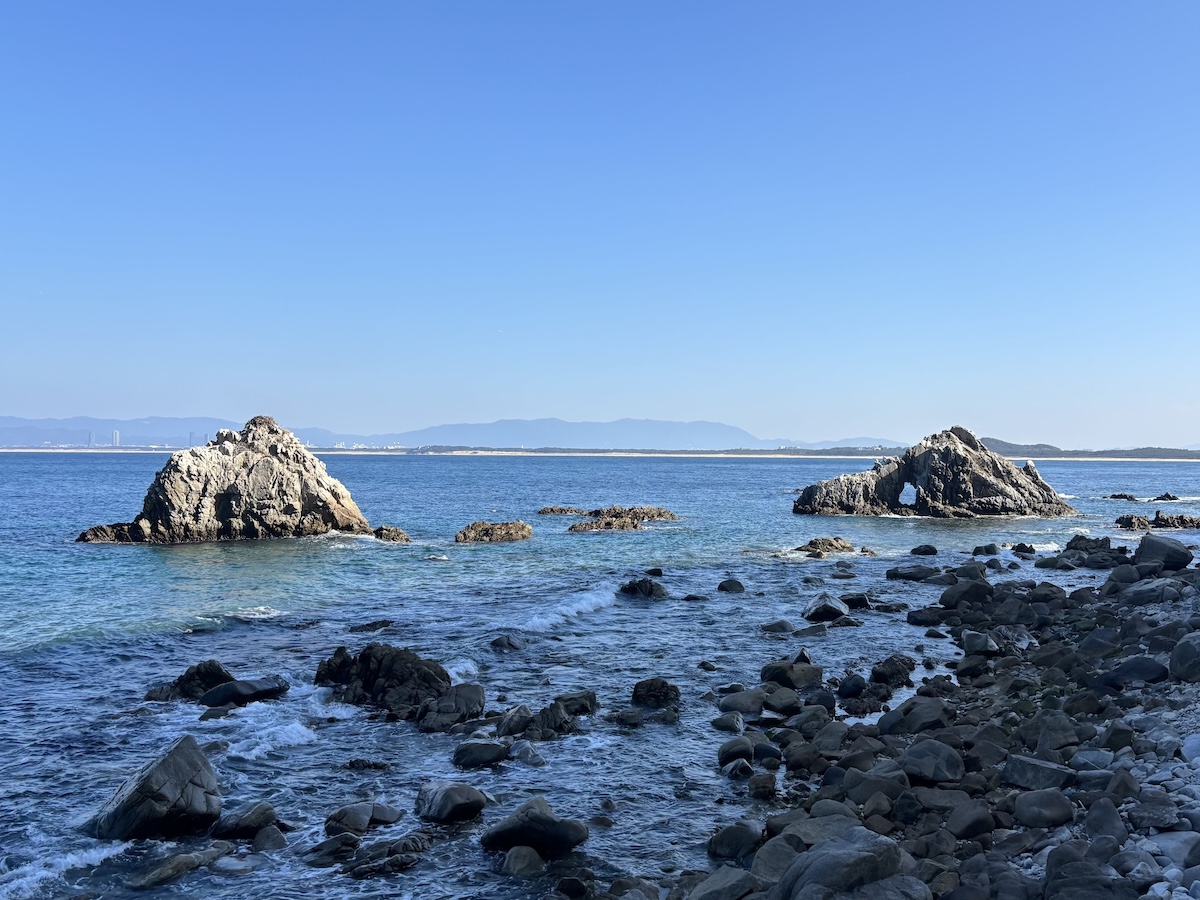
According to legend, this is where Taro of Katsuma on Shikanoshima Island and Himeko, a village girl, pledged their love. Near the point where the path leads down to the coast, you’ll find a sign telling the story of this legend.
Shiomi Park
Scenic Spot
Open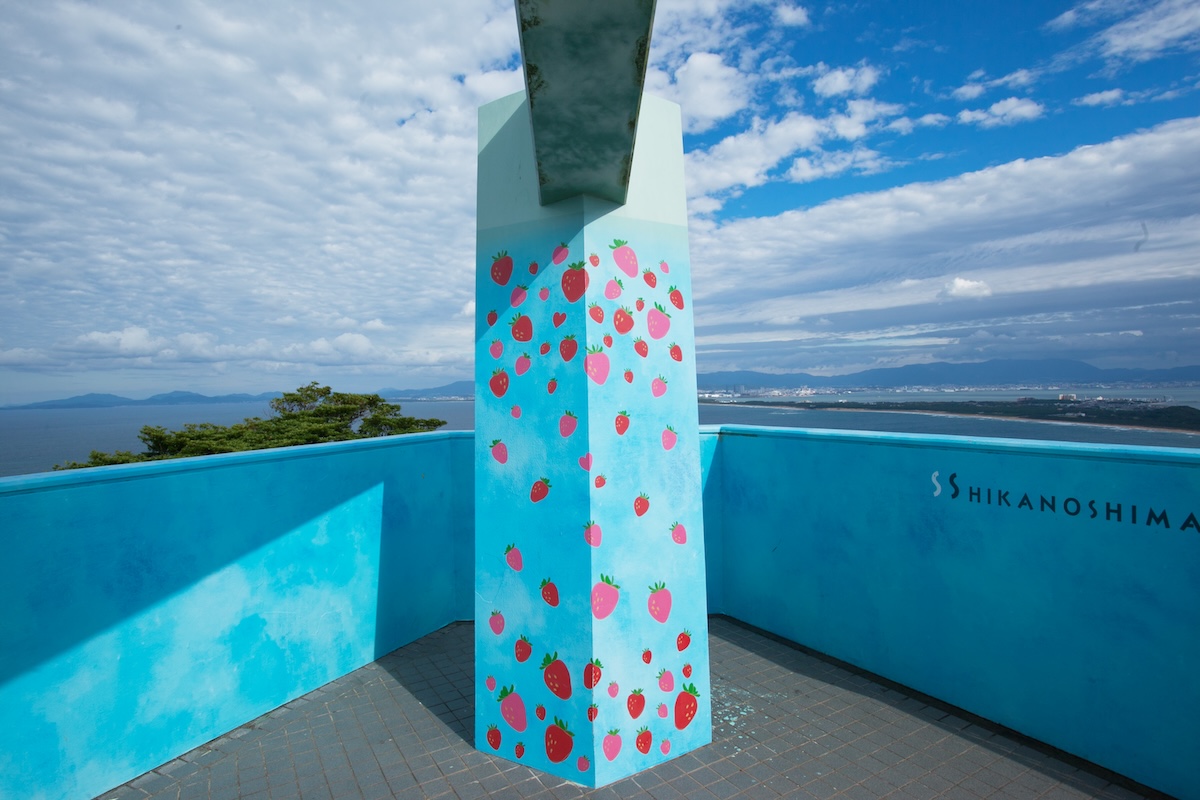
At 165 meters above sea level, this hilltop park offers panoramic views in all directions from the island’s highest point.
Maiwazanohama Beach
Scenic Spot
Open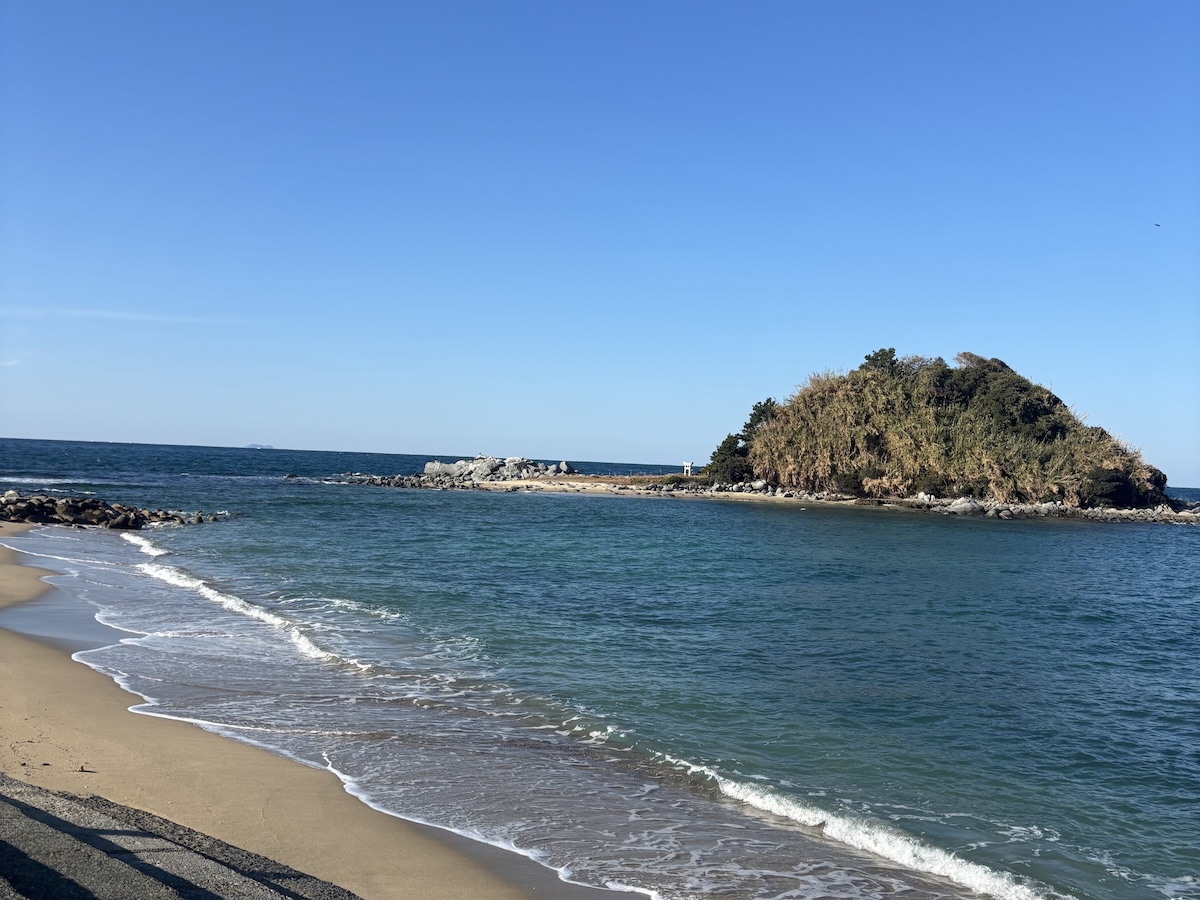
A sandy beach linked to the legend of Empress Jingū. According to legend, she performed kagura sacred music and dance here for seven days and nights to summon Azumi-no Isoramaru of Shikanoshima, a sea deity, to pray for the safe journey to the Korean Peninsula. Ashamed of his appearance, with oyster and abalone shells clinging to his face, Azumi-no Isoramaru was at first reluctant to appear. However, intrigued by the joyful sounds of the kagura, he resolved to present himself before her. Riding on a sea turtle and concealing his face with a white cloth, he finally emerged.
Gebagahama Beach
Scenic Spot
Open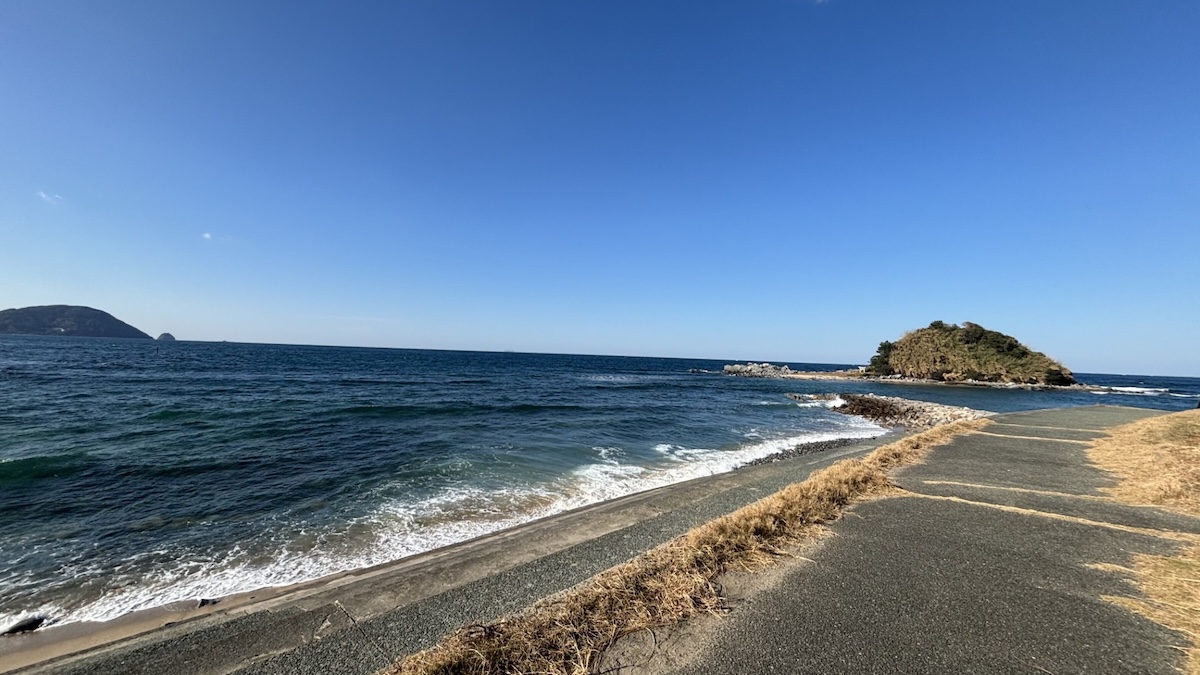
A sandy beach steeped in the legend of Empress Jingū. The beach is named Gebagahama, meaning “disembarking beach”, as it is said that Empress Jingū dismounted her horse here. Stretching approximately 800 meters, the wide expanse of white sand unfolds before the sea. The water changes with the seasons, shifting between vivid cobalt blue and emerald green, and is renowned for its exceptional clarity, among the finest in Fukuoka Prefecture.
Michikiri causeway (sand spit)
Scenic Spot
Open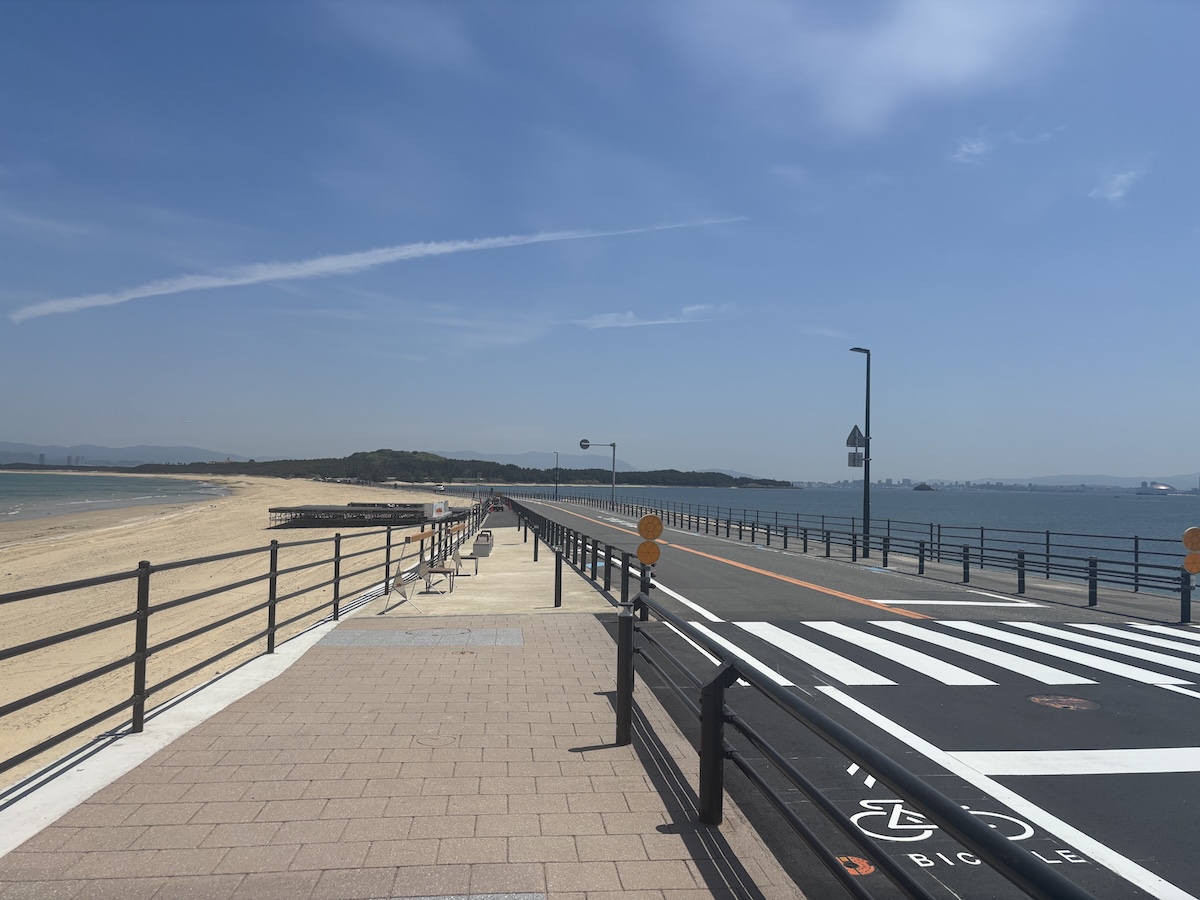
Michikiri is a causeway leading to Shikanoshima Island, with the sea on both sides. Its name comes from a Japanese phrase meaning “the road cut off”. In the past, the road would disappear beneath the tide at high water. Originally lined with 53 utility poles, the area was upgraded in 2025, when the poles were placed underground. New rest areas and photo spots have also been added, making the causeway a popular new landmark. From here, you can enjoy contrasting seascapes on either side: the rugged Genkai Sea to the north and the calm waters of Hakata Bay to the south.
 Food
Food
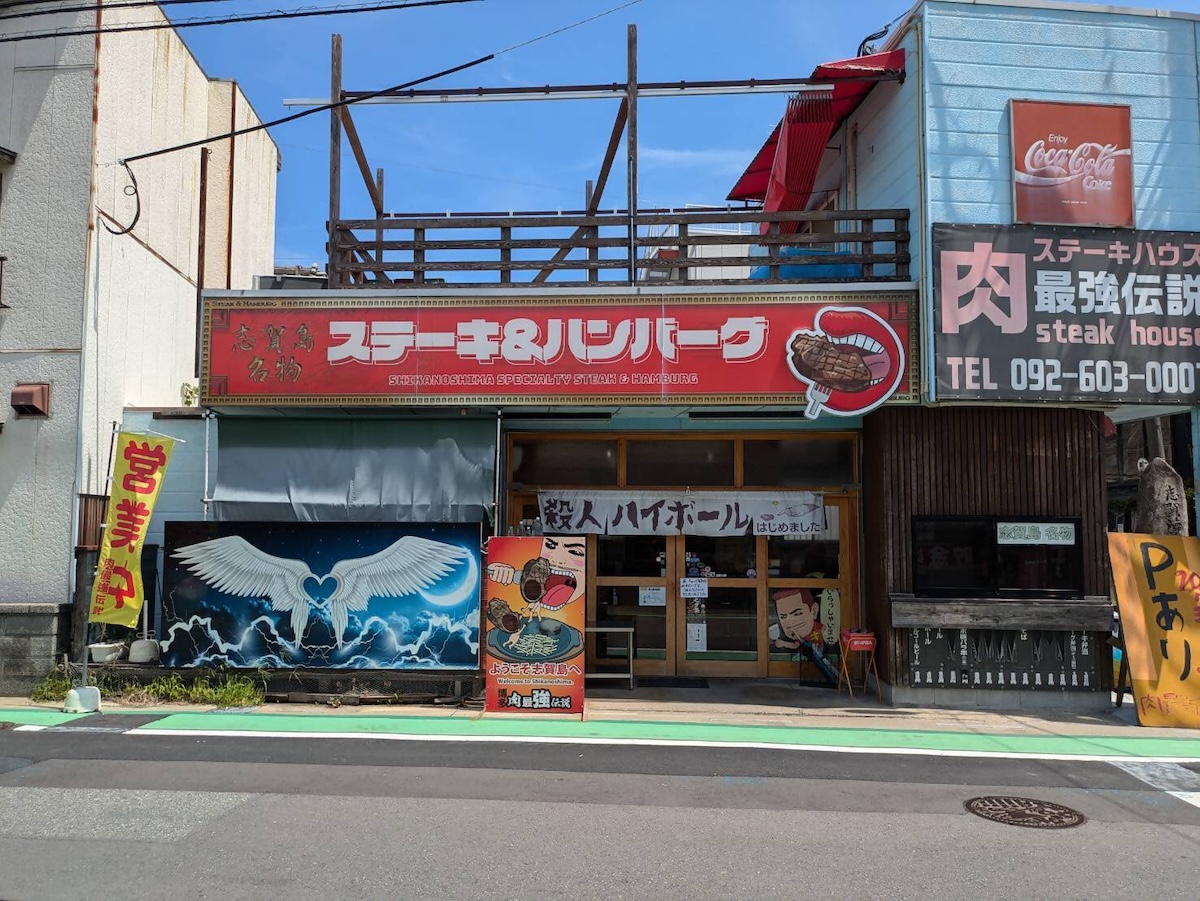
A restaurant specializing in meat dishes served on hot iron plates
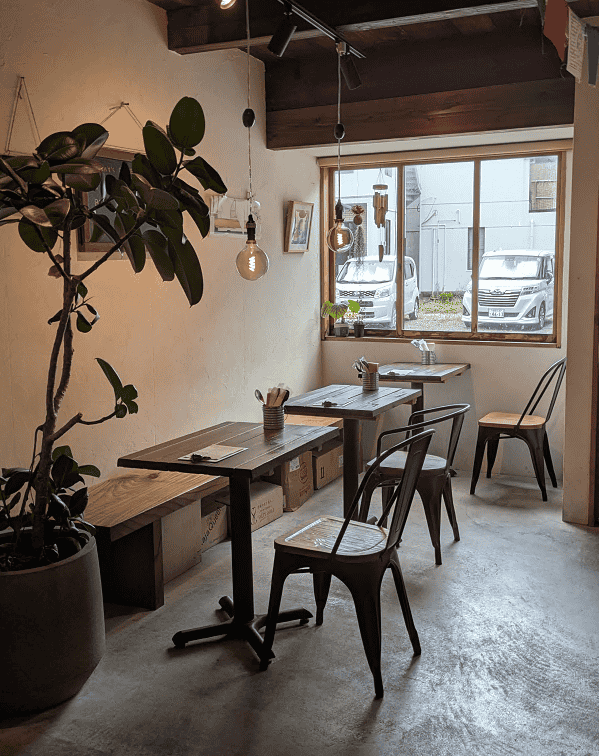
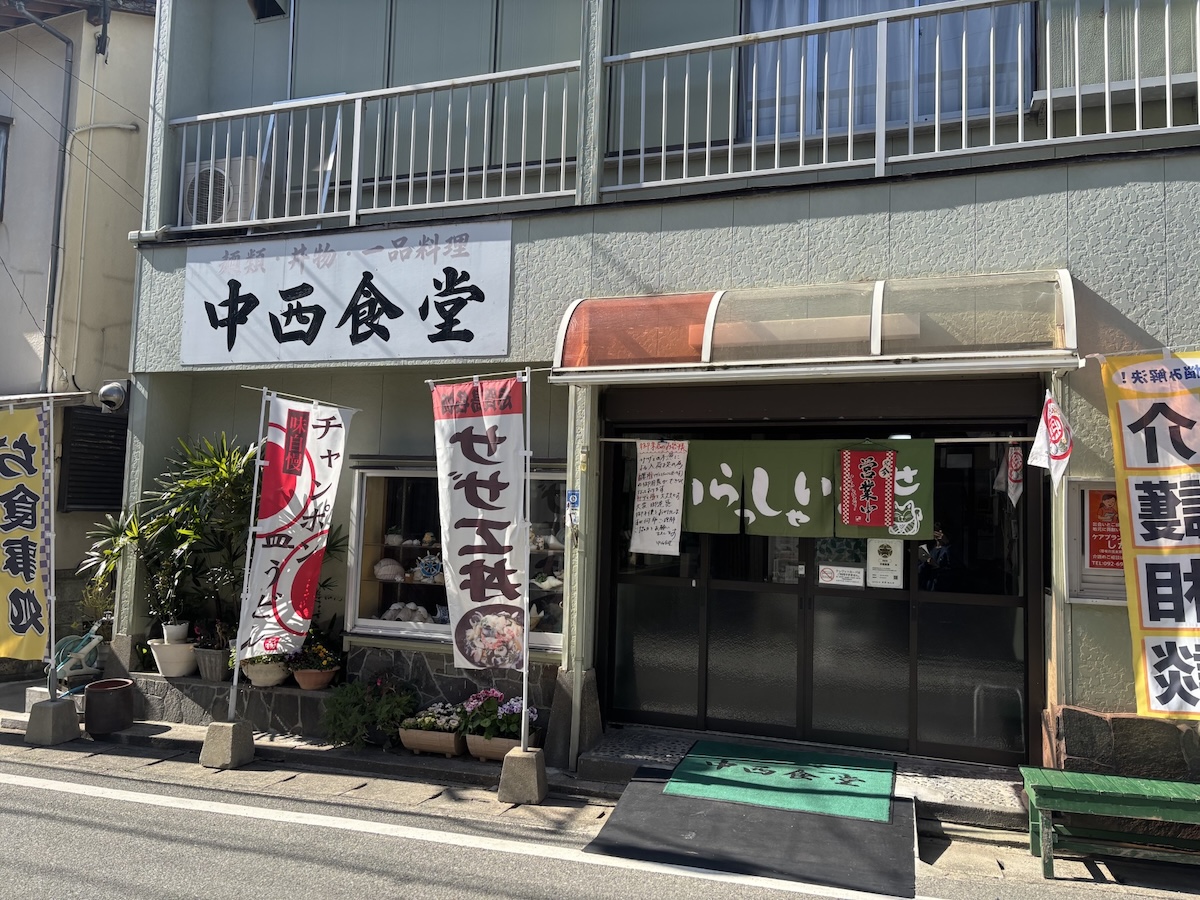
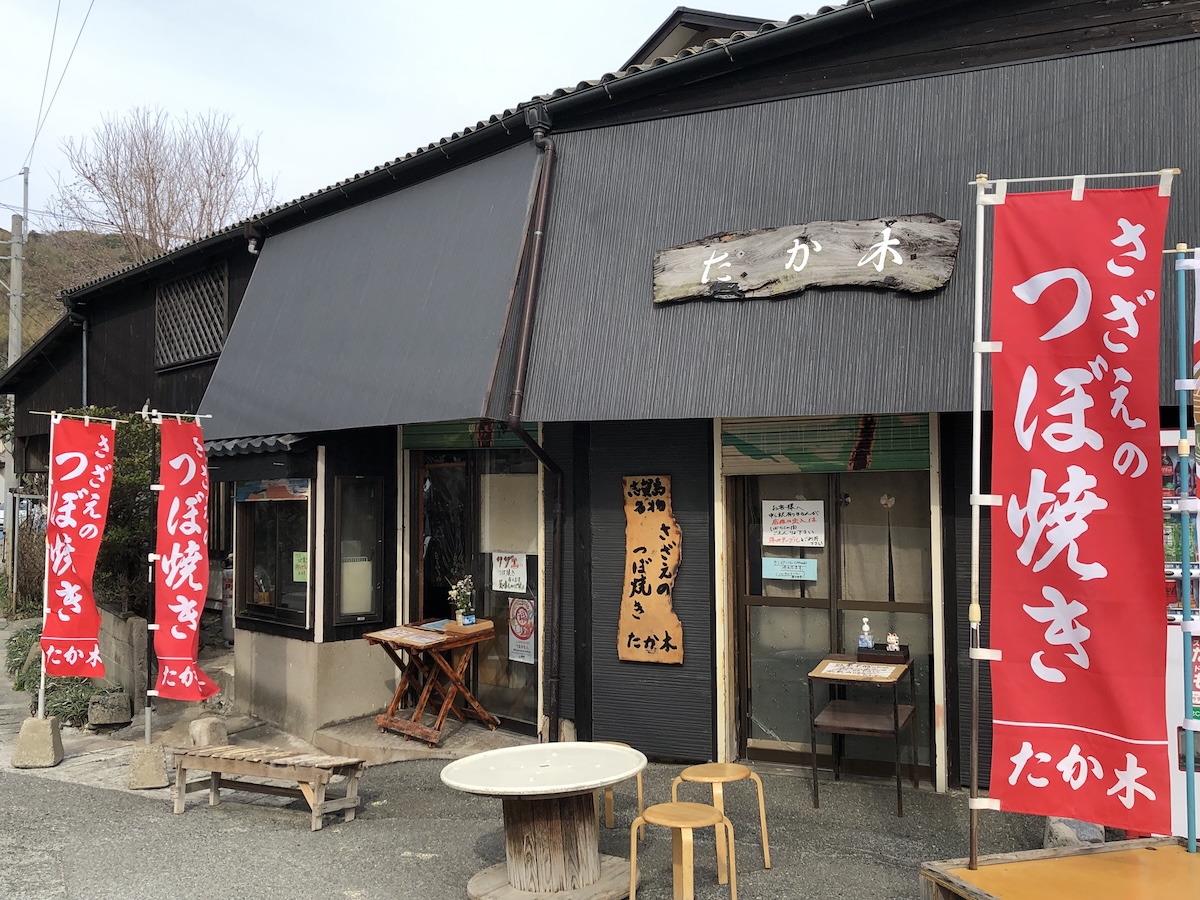
A local eatery specializing in sazaedon (cooked turban shell rice bowl) and champon noodle soup (Japanese noodle soup with seafood and vegetables)
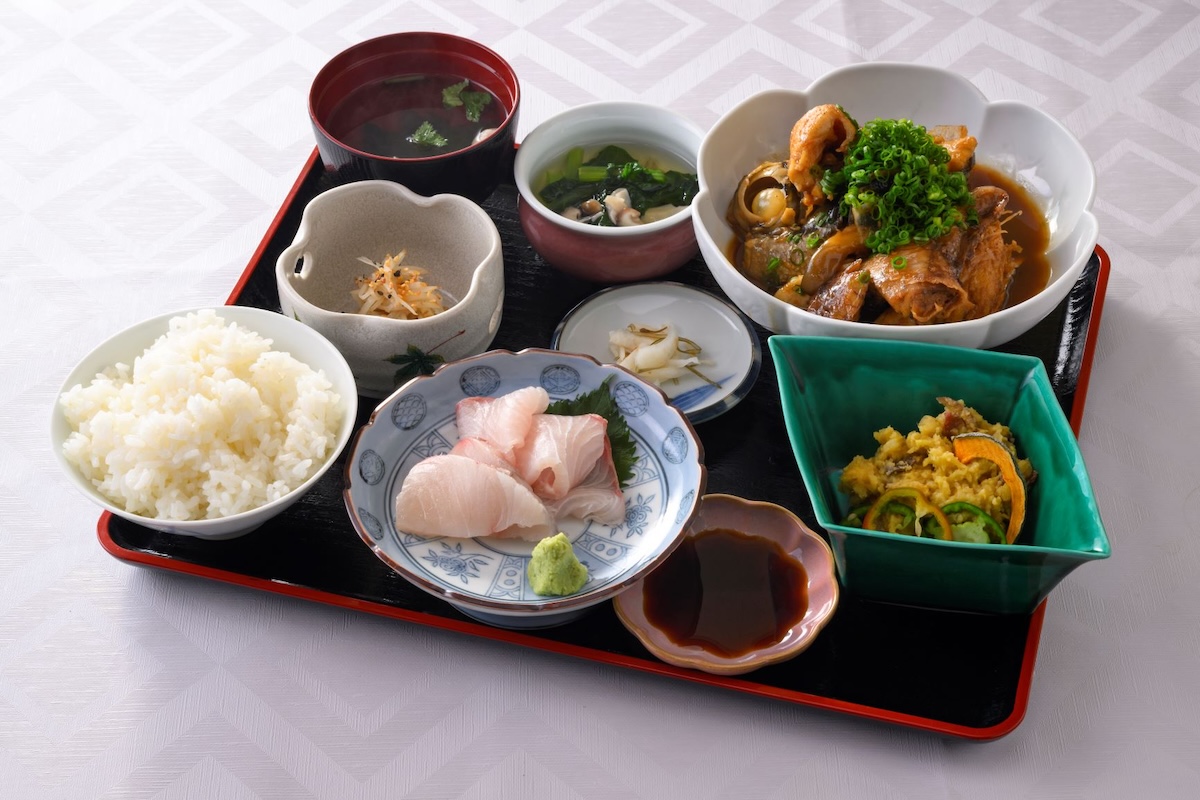
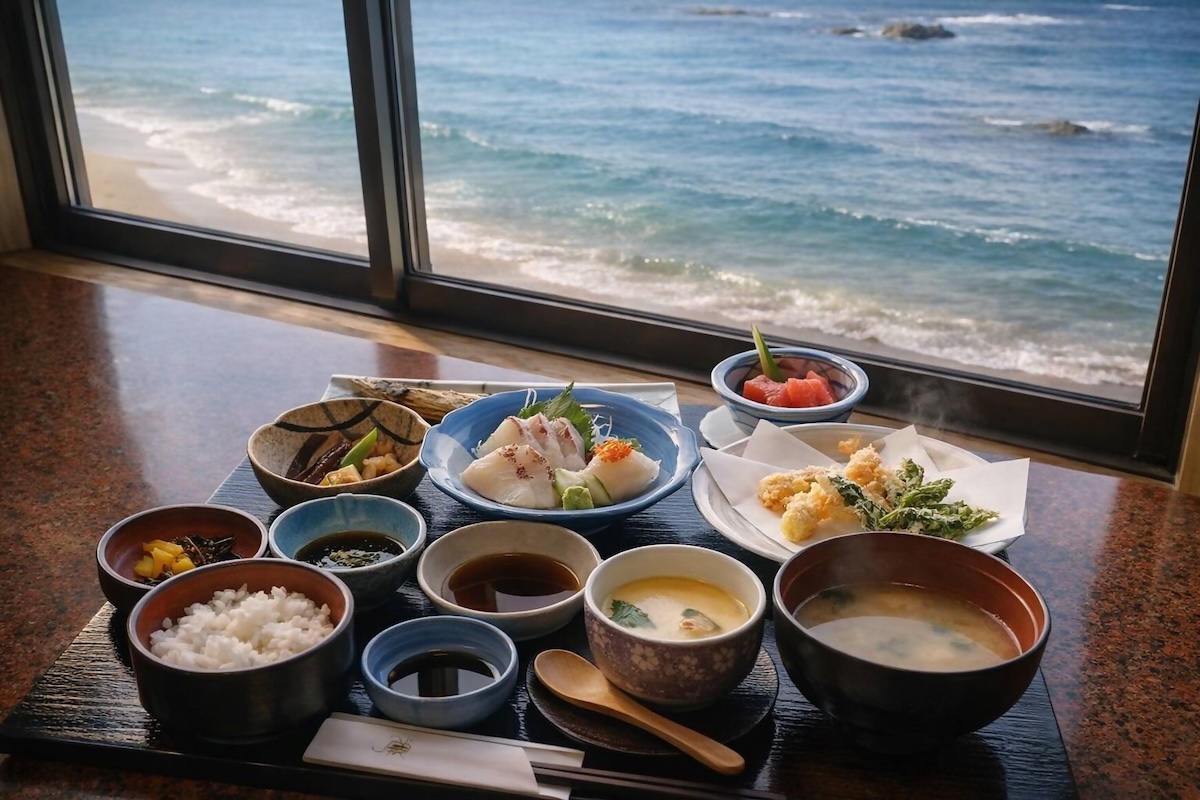
A specialty restaurant featuring local fish, carefully aged to enhance flavor
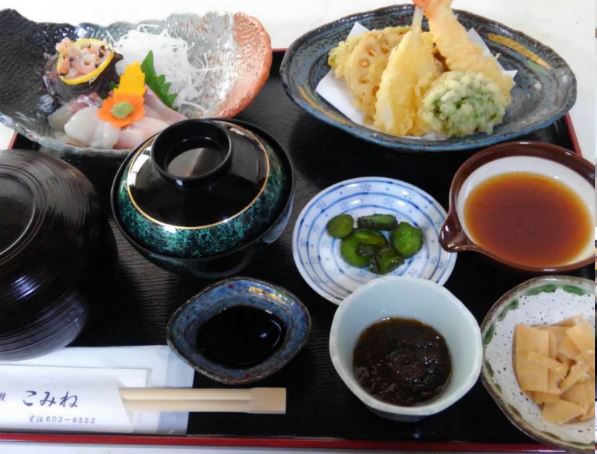
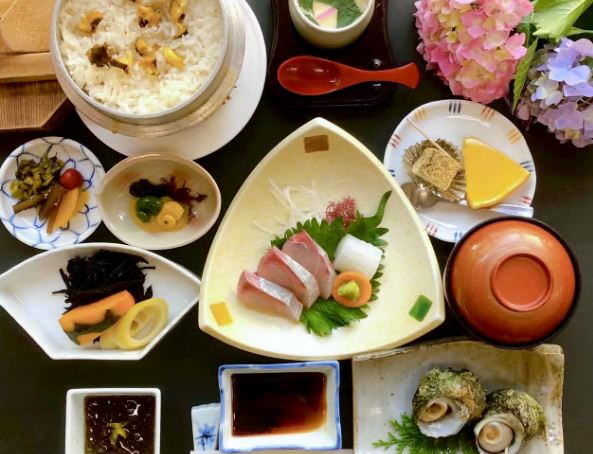
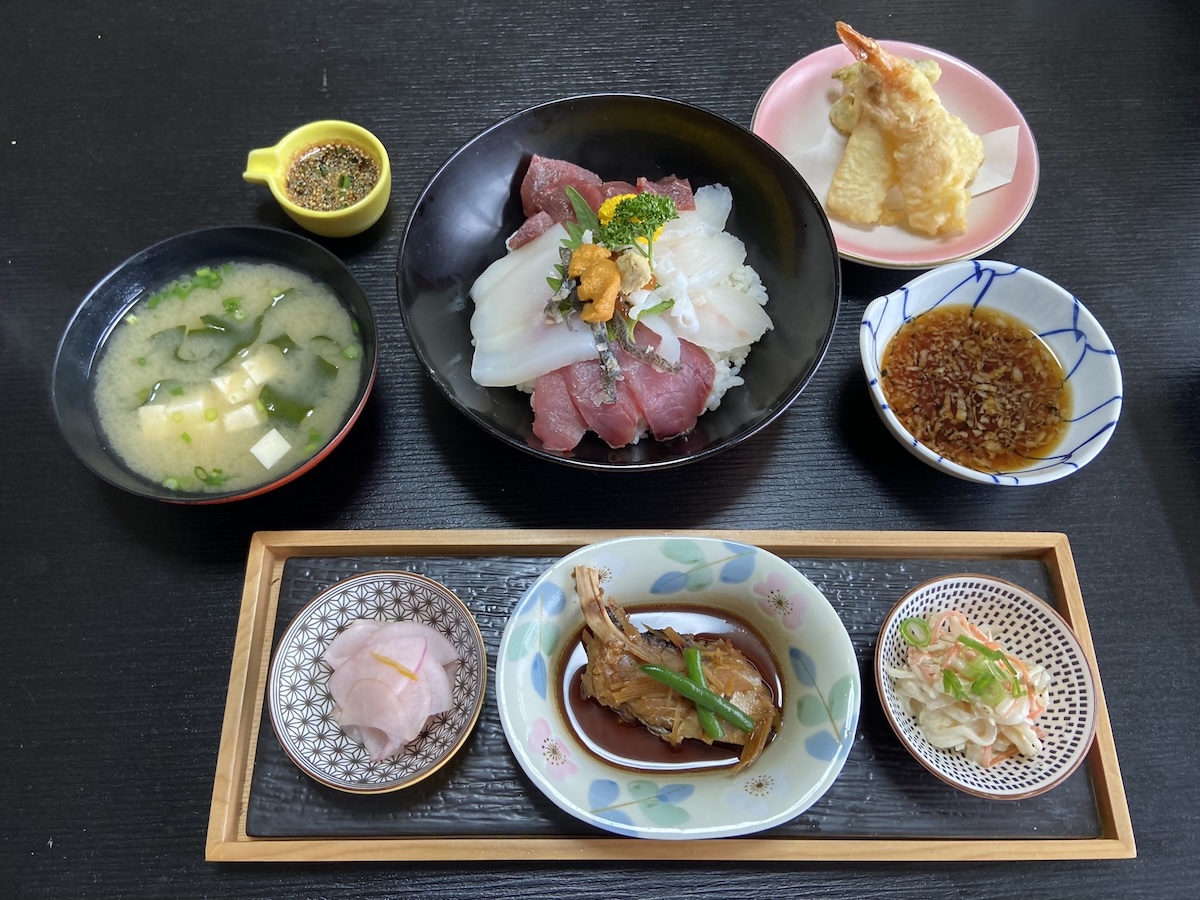
A traditional Japanese inn specializing in refined local cuisine and also offering set meals at lunchtime

A local eatery serving seafood rice bowls and a variety of other seafood dishes
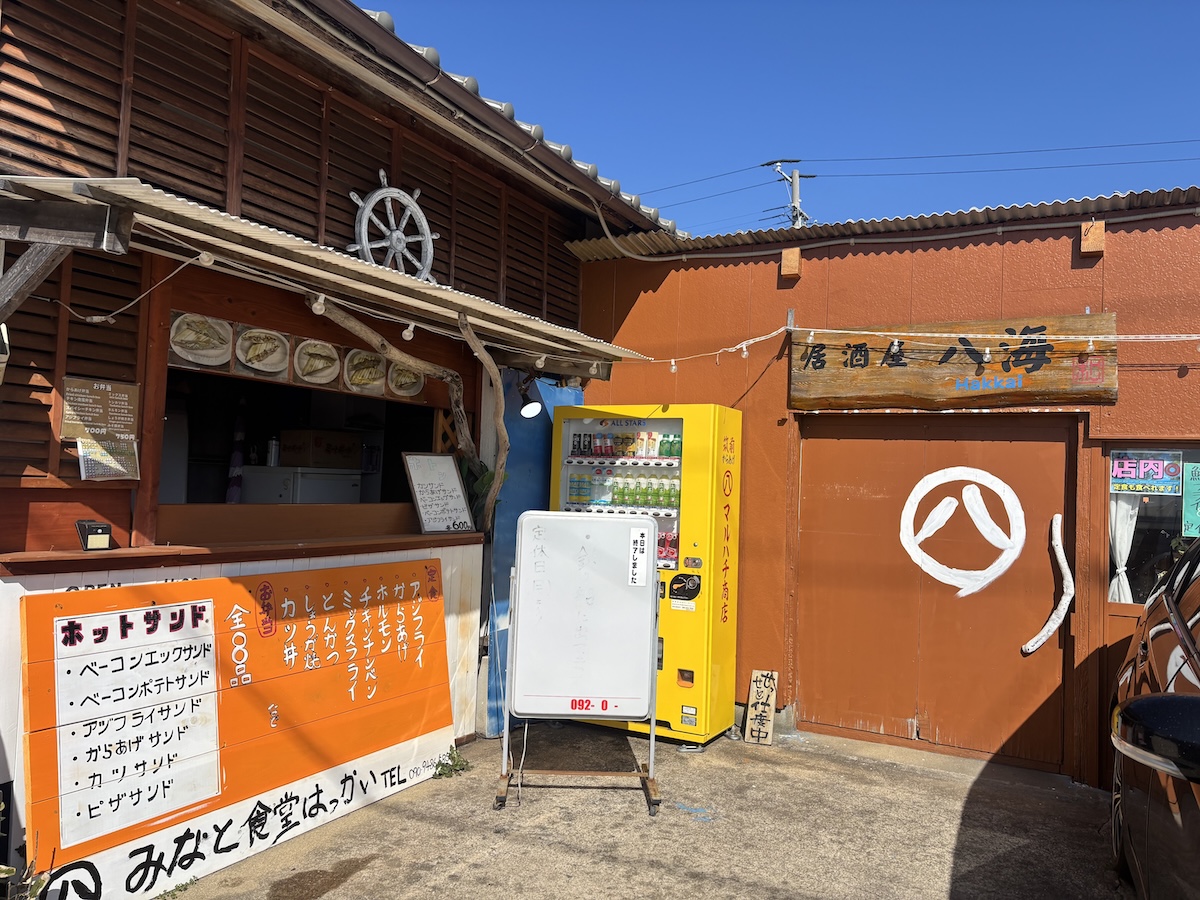

A pizzeria offering light meals such as pizza and curry, as well as sweets and gelato.
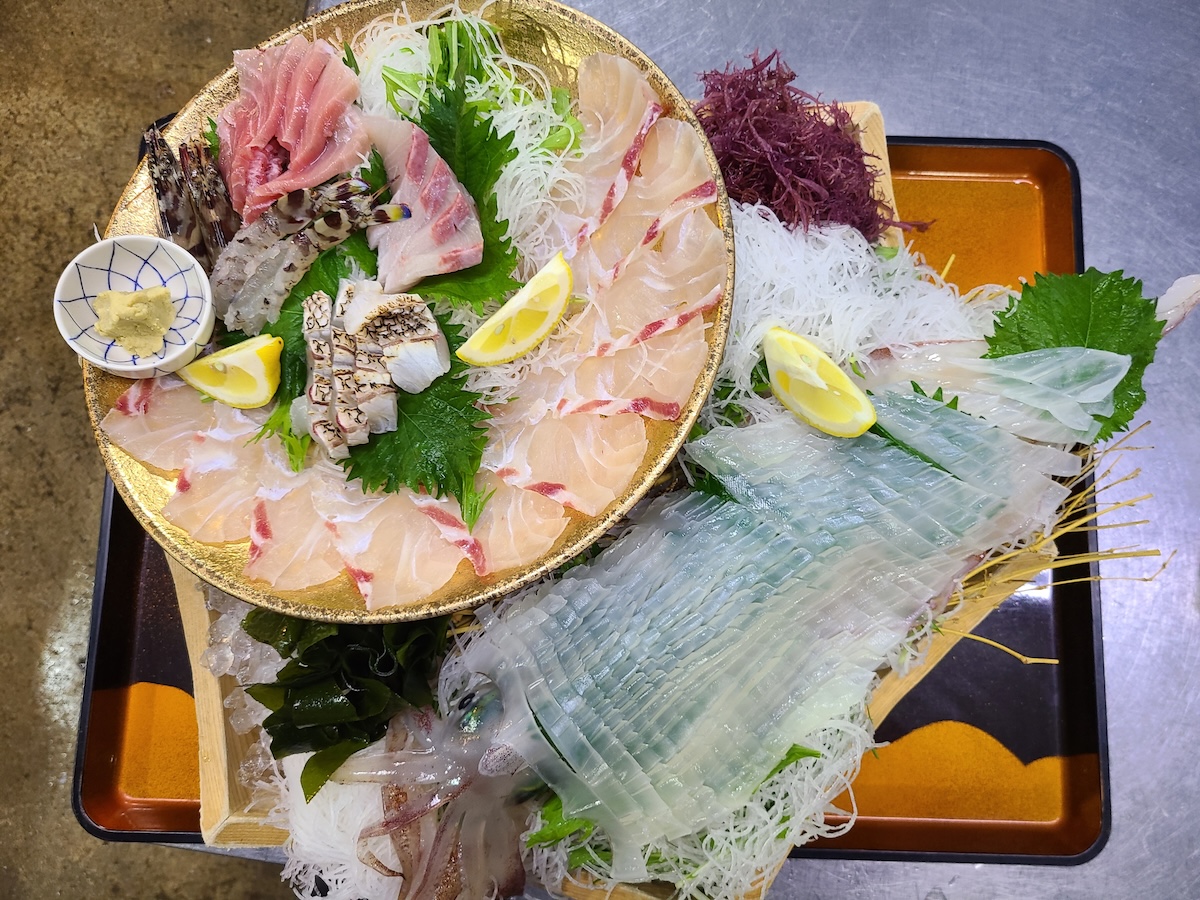
A seafood restaurant serving fresh fish selected directly from in-house tanks.
 Café
Café
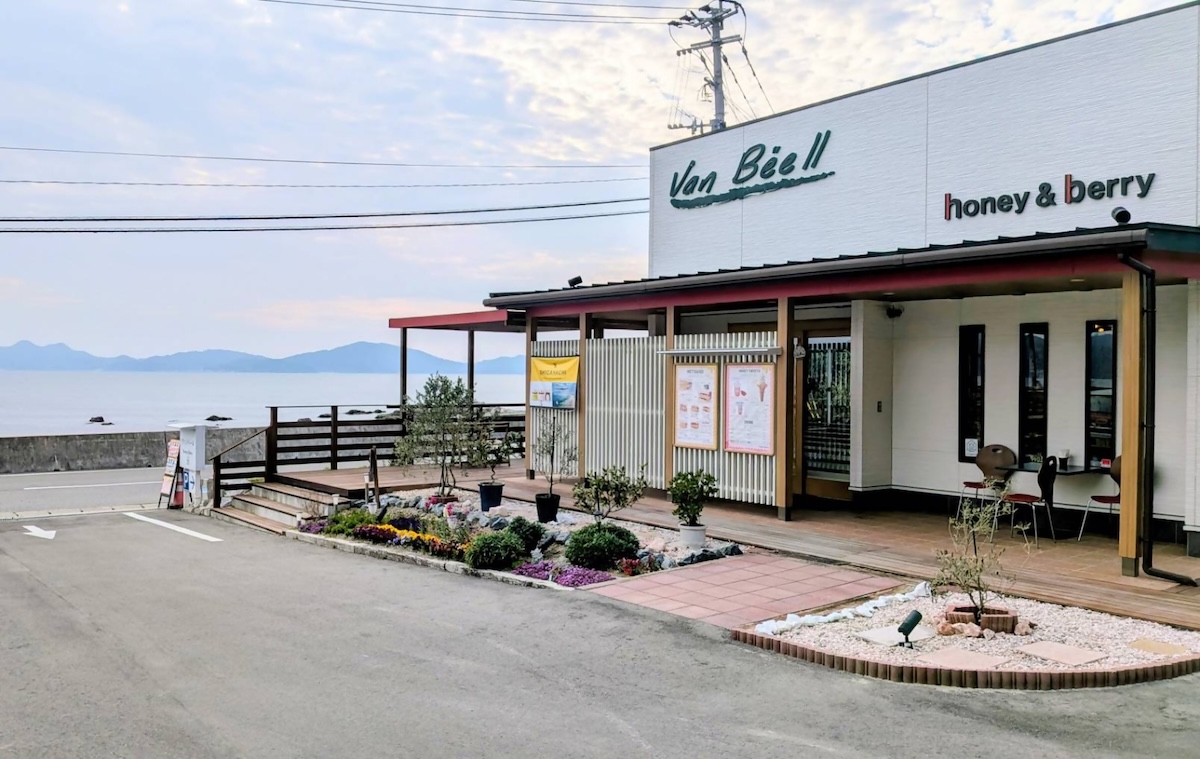
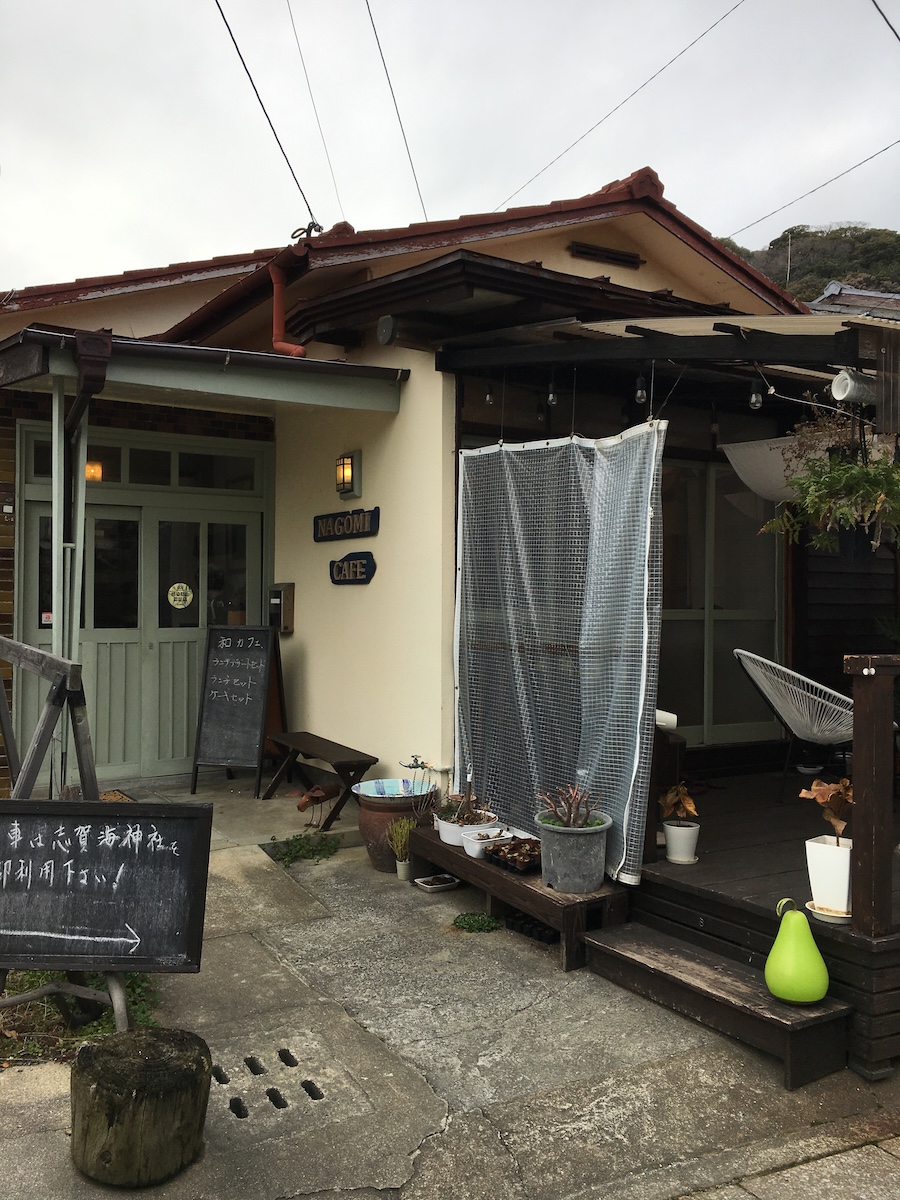
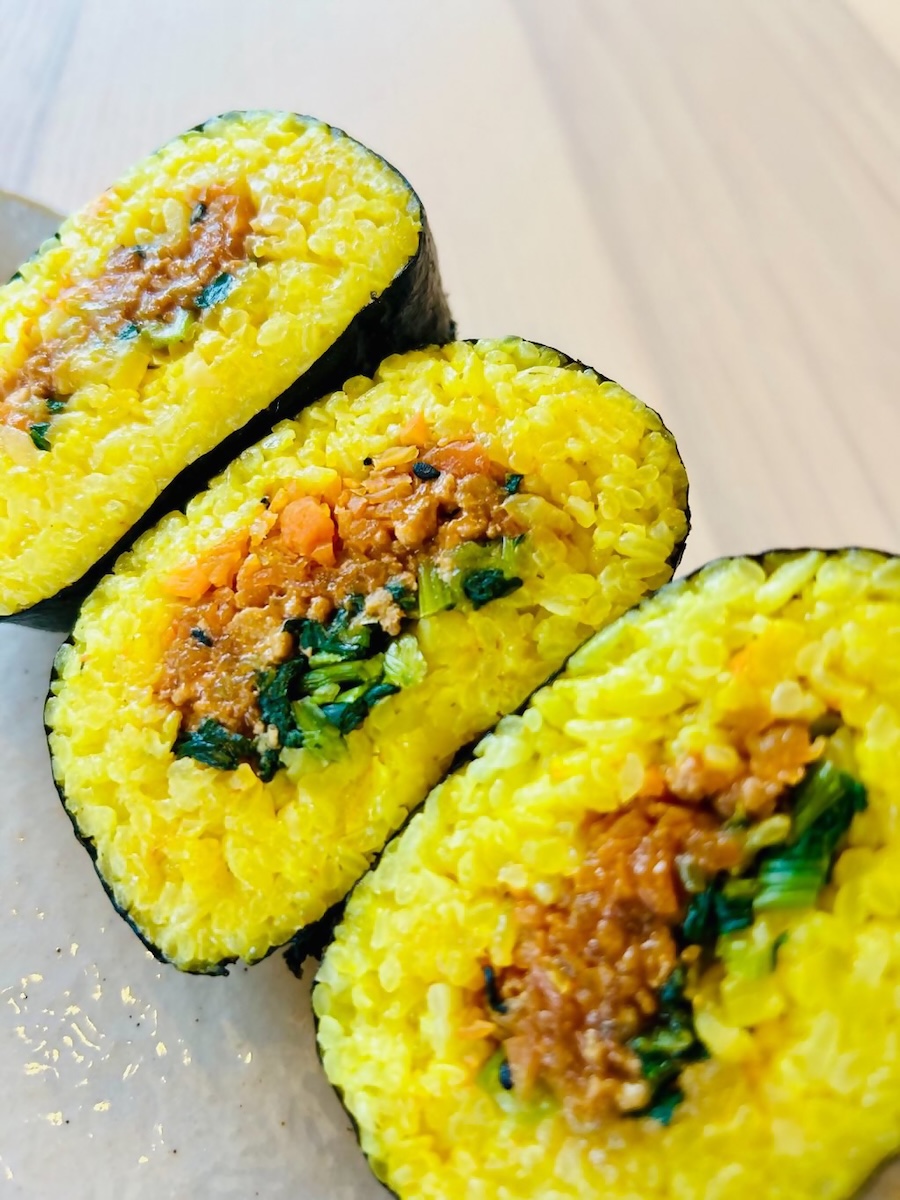
A takeaway shop specialising in honey-based products as well as strawberry treats



 Hotel
Hotel

 Activity
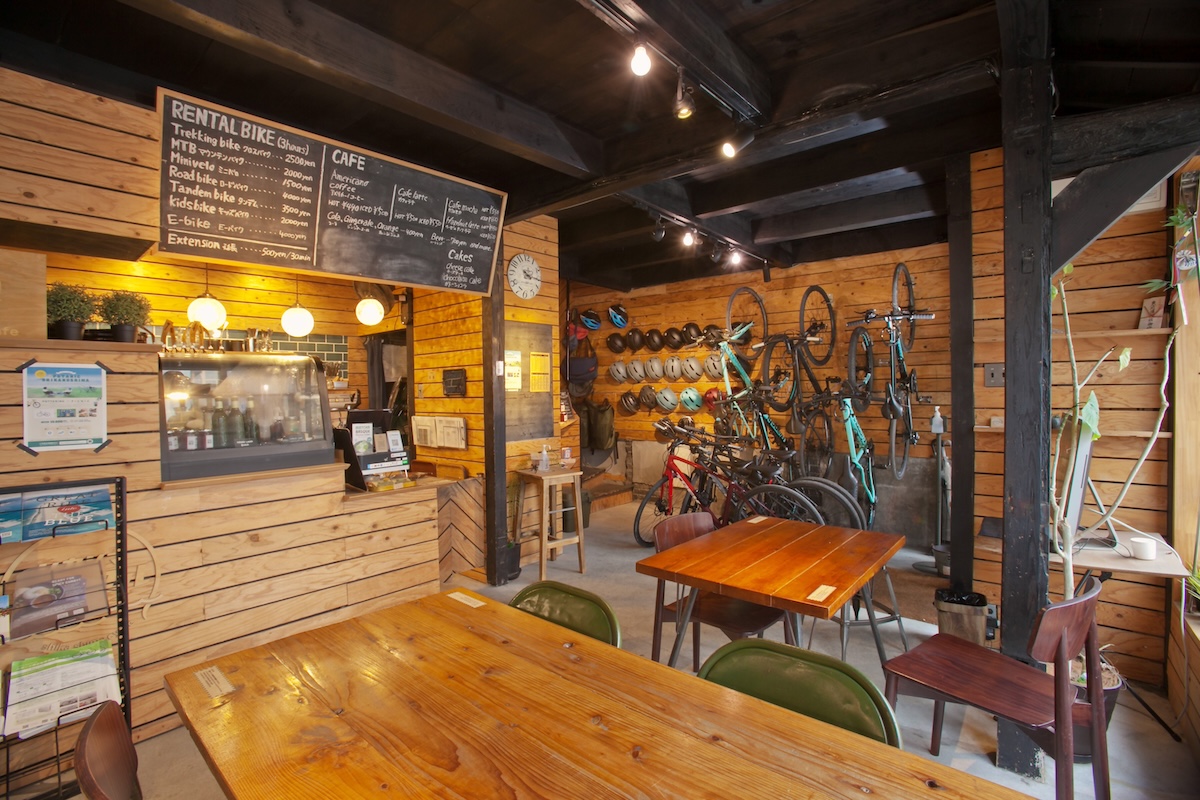
Shikanoshima Visitor Center
Activity
Open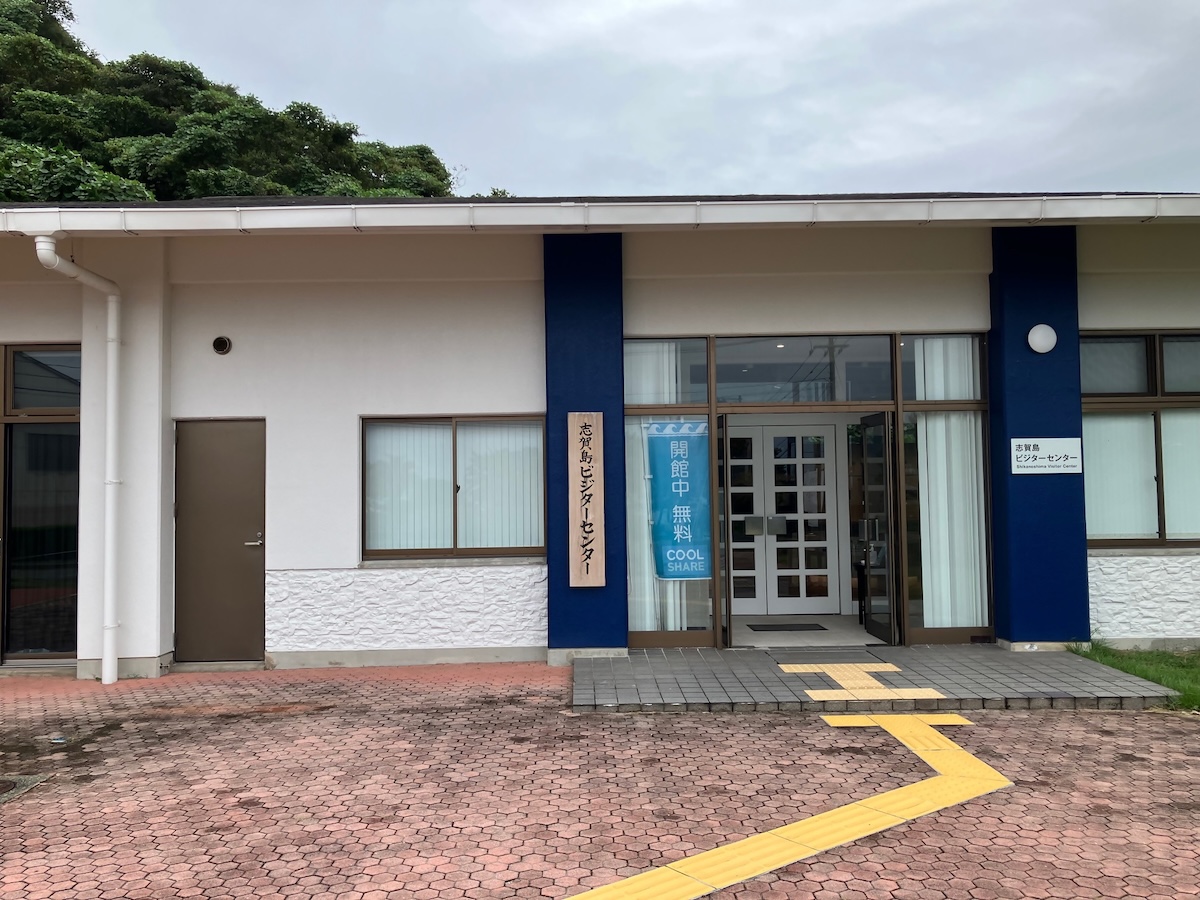
Located within the grounds of Kyūkamura Shikanoshima, this facility was renovated in 2023 after previously operating as the Shikanoshima Museum. Serving as a hub for the Genkai Quasi-National Park, the facility introduces the area’s rich natural environment while also functioning as a tourist information center for Shikanoshima. Through exhibits, interpretive displays and digital technologies, it offers insights into local nature and attractions. The facility also features a creative workshop space where visitors can enjoy hands-on crafting experiences using natural materials from the island, including nuts and sea glass.
 Shopping
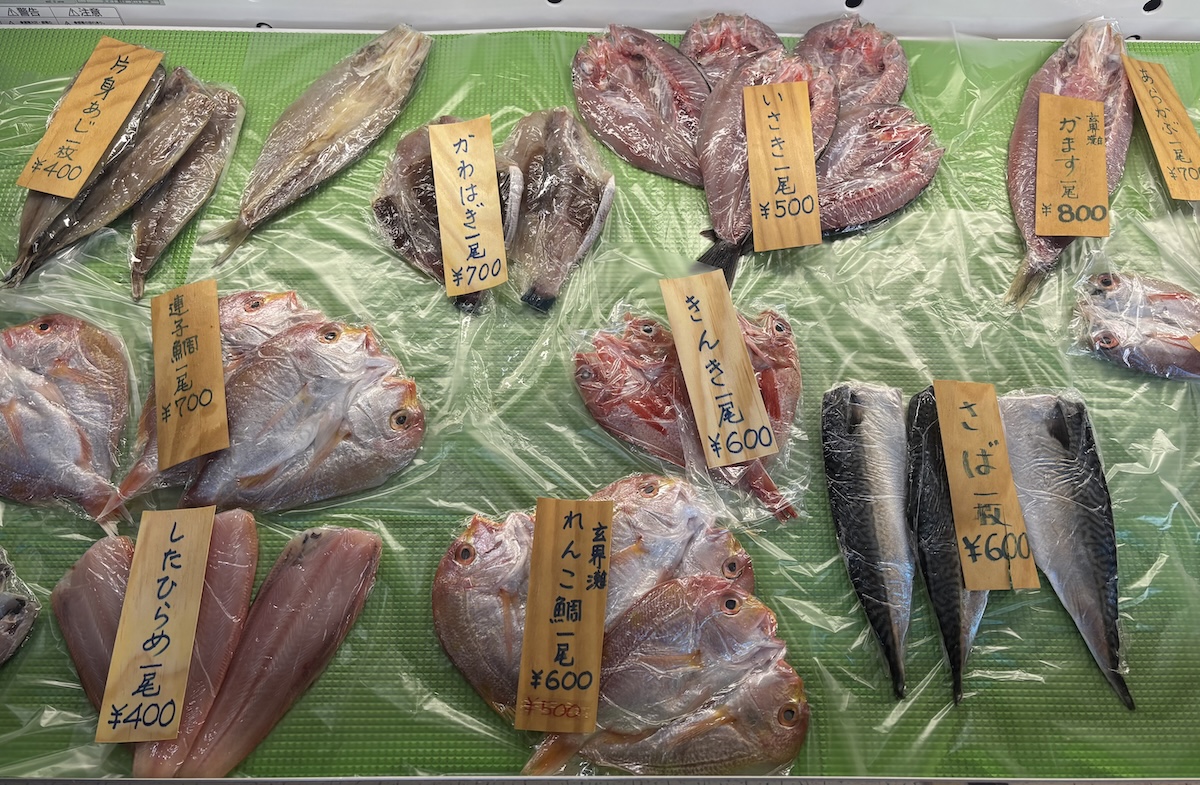
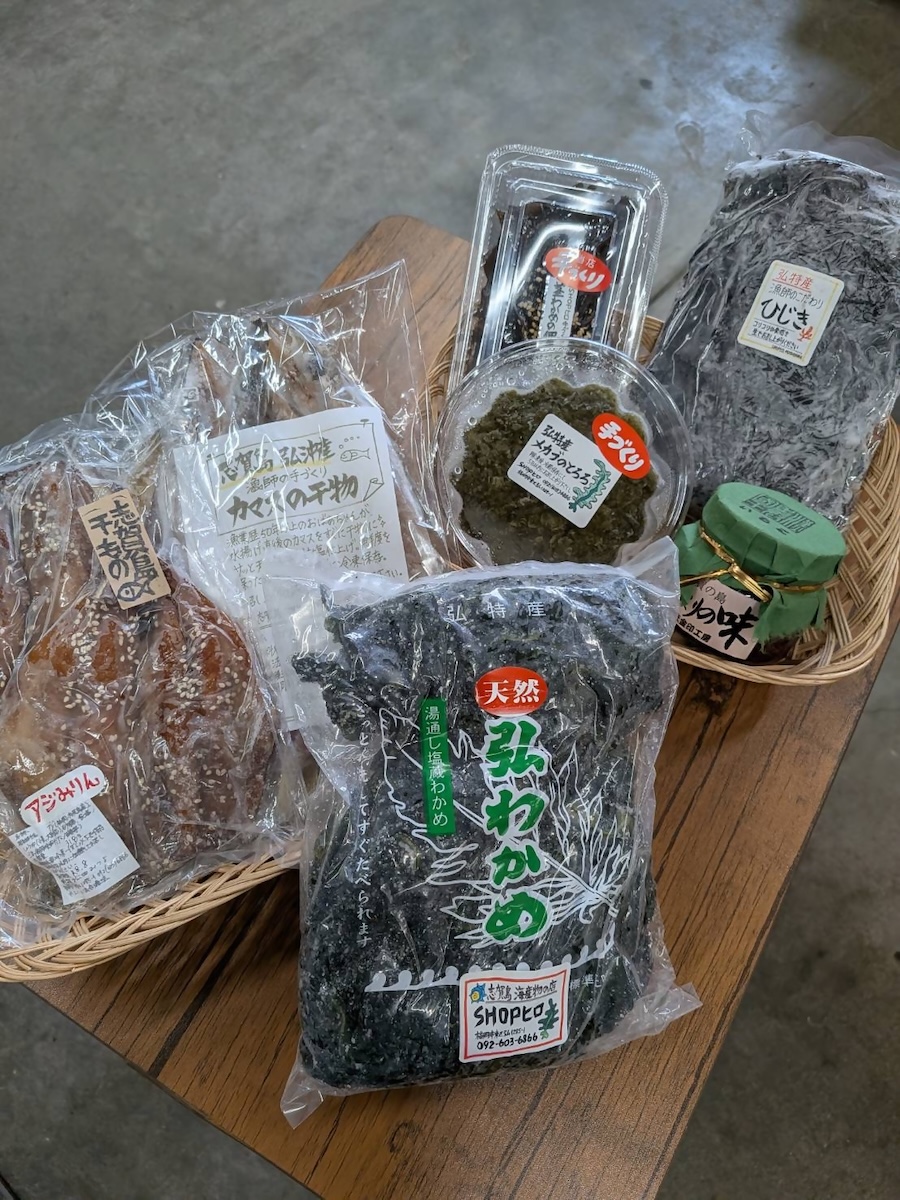
A shop offering locally caught seafood, seaweed and a variety of food and handcrafted items.
Hoshimono Katsuyama
Shopping
Open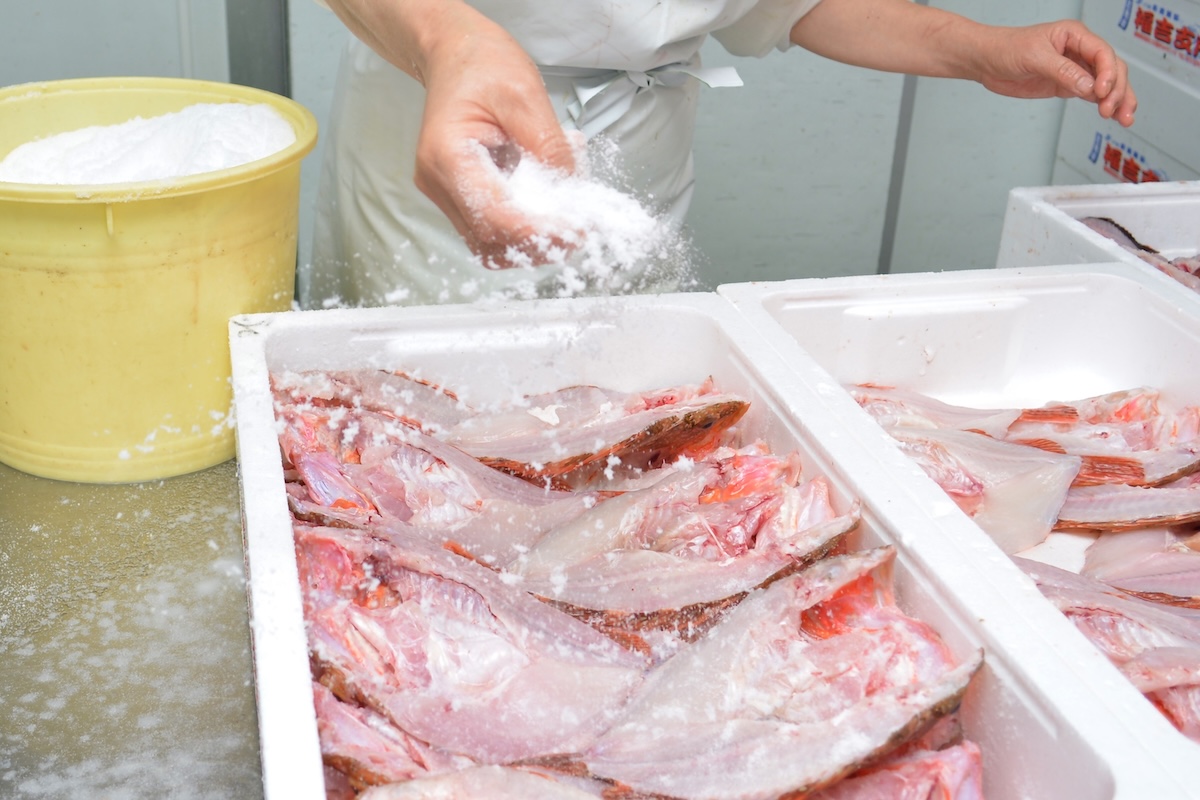
A factory producing a variety of dried fish products, sold exclusively online
 Information
Fukuoka Municipal Ferry Service Shikanoshima Municipal Ferry Terminal Passenger Waiting Area
Information
Open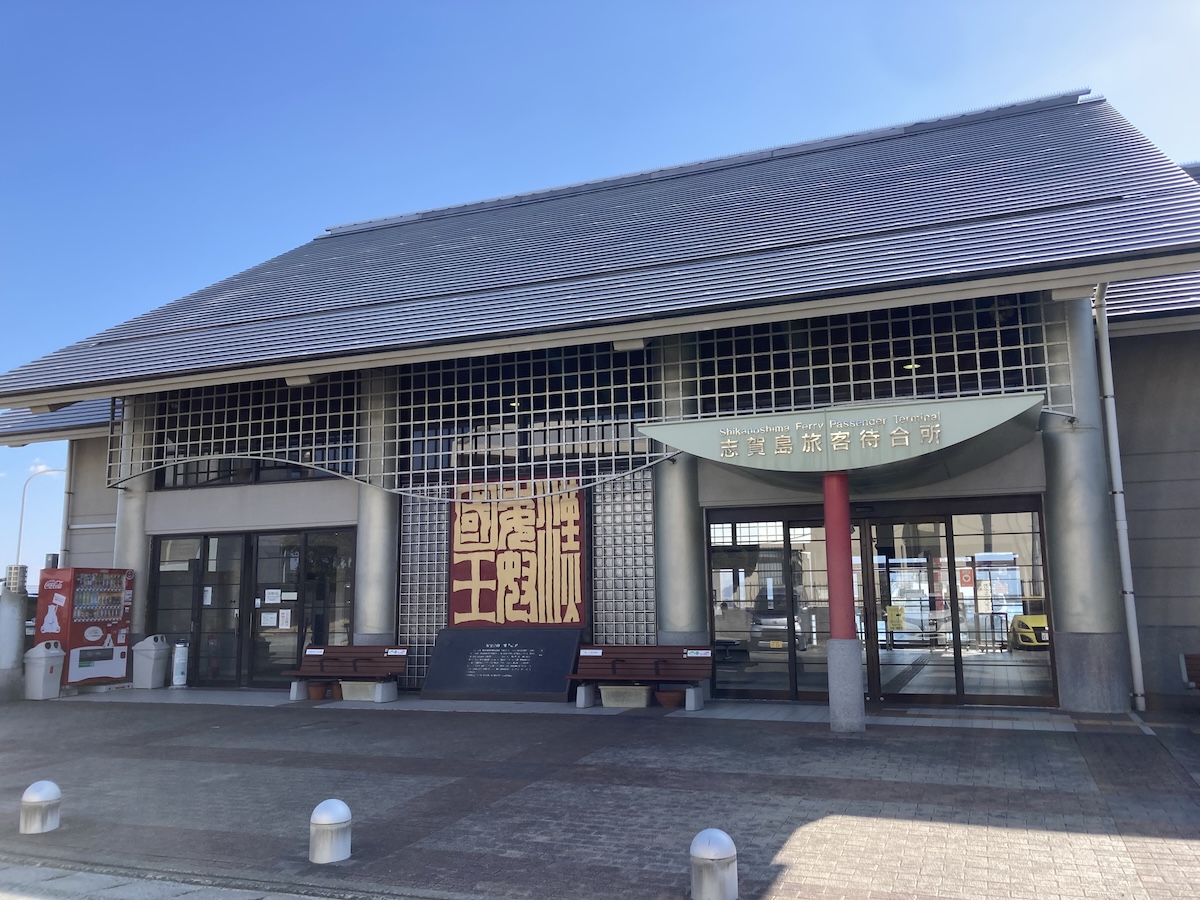
This ferry route connects Shikanoshima Island and Hakata Pier via the Saitozaki Municipal Ferry Terminal, operating 15 round trips per day. The journey takes approximately 30 minutes. Bicycle capacity varies depending on the vessel type: up to 10 bicycles on larger vessels and up to 5 on smaller vessels.