
大阪市パノラマ地図 (1924)
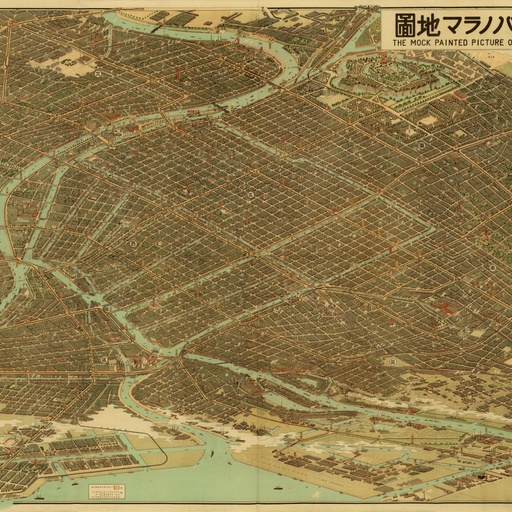
大阪・関西万博 Expo 2025 大阪ヘルスケアパビリオン - リボーンチャレンジ 2025年7月22日~28日 展示 観光の新規事業の実験場 ~観光産業から、関西を元気に~ 大阪の隠れた魅力がみつかるイラストデジタルマップで探索の旅にでかけよう! 「大阪市パノラマ地図」は1924年に発行された鳥瞰図で、当時の大阪市街地を南西の大阪湾上空から北東方向に眺める構図で描いています。水都・大阪の堀川網や町割りが詳細に描かれ、江戸以来の旧市街や近代建築が並ぶ「大大阪」前夜の様子を克明に記録しています。大阪くらしの今昔館では約7倍に拡大した光床展示で体験でき、都市の歴史的変遷を視覚的に楽しめます。 大正12年12月28日印刷、大正13年1月5日発行
 Posted byStroly更新日:
 すべてのスポット情報
19件のスポット
 Osaka
Osaka
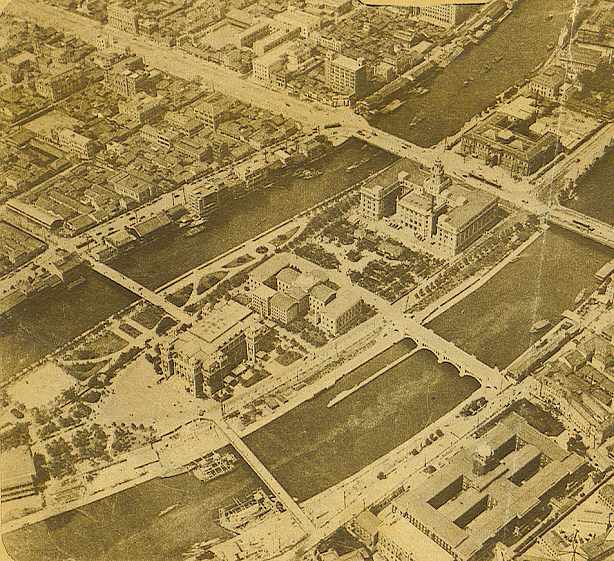
中之島 中之島は、江戸時代に全国からの物資が集まる蔵屋敷が多くあった場所。 蔵屋敷は明治時代に払い下げられ、昭和時代の前期までの間に、国の重要文化財である大阪府立中之島図書館や大阪市中央公会堂などが次々と建設され、経済・政治のみならず、情報と文化の発信地でもあった。 Nakanoshima In the Edo period, Nakanoshima had many warehouses storing goods from across Japan. After being sold off in the Meiji era, the area saw the rise of landmarks like the Nakanoshima Library and Central Public Hall.It became a center for culture, information, and civic life. 大阪の水運と橋の歴史 「天下の貨(たから)七分は浪華にあり、浪華の貨は舟中にあり」 そう言われるほどに江戸時代の大阪は水運が盛んで、川と橋の多い町でした。 「なにわ八百八橋」と言われるように、数多くの橋が架けられていたのもその証です。 当時の大阪の橋の多くは、町人たちが自費で架け、管理していた「町橋」でした。これらは人々の暮らしに欠かせない存在で、日常の往来を支えていました。 一方、幕府が管理する「公儀橋(こうぎばし)」は、特に重要な橋として整備され、大阪にはわずか12しかなかったとされています。公儀橋には玉ねぎのような形をした「擬宝珠(ぎぼし)」という飾りが取り付けられていたのも特徴です。 明治時代に入ると、河川の埋め立てが進み、多くの橋はその姿を消していきました。 The history of water transportation and bridges in Osaka "Seven percent of the world's treasure is in Naniwa, and Naniwa's treasure is in the boat." It is said that water transportation was so popular in Osaka during the Edo period that it was a city with many rivers and bridges. The fact that there were so many bridges built here is testament to this fact, as evidenced by the saying "Naniwa 808 Bridges." Many of the bridges in Osaka at that time were "town bridges" that were built and maintained by townspeople at their own expense. These were indispensable to people's lives, supporting daily traffic. On the other hand, "Kogibashi" (public bridges) managed by the shogunate were developed as particularly important bridges, and it is said that there were only 12 of them in Osaka. Kogibashi bridges were also characterized by the onion-shaped ornaments called "Giboshi". When the Meiji era began, rivers were filled in and many bridges disappeared. --> 日本語 English 繁體中文 简体中文 한국어 -->
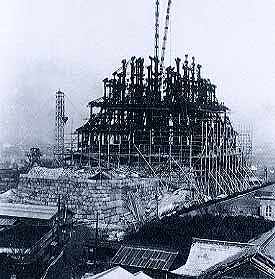
大阪城 安土桃山時代、豊臣秀吉が天下統一の拠点として築城。大坂の陣で落城後、徳川幕府が再築し、以後も幾度かの焼失と再建を経て現在に至ります。昭和6年に再建された天守閣は、大阪のシンボルとして親しまれています。 Osaka Castle Osaka Castle was built by Toyotomi Hideyoshi in the Azuchi-Momoyama period as a base for unifying Japan. After its fall in the Siege of Osaka, it was rebuilt by the Tokugawa shogunate. The current main tower, rebuilt in 1931, is a symbol of the city. 大阪の水運と橋の歴史 「天下の貨(たから)七分は浪華にあり、浪華の貨は舟中にあり」 そう言われるほどに江戸時代の大阪は水運が盛んで、川と橋の多い町でした。 「なにわ八百八橋」と言われるように、数多くの橋が架けられていたのもその証です。 当時の大阪の橋の多くは、町人たちが自費で架け、管理していた「町橋」でした。これらは人々の暮らしに欠かせない存在で、日常の往来を支えていました。 一方、幕府が管理する「公儀橋(こうぎばし)」は、特に重要な橋として整備され、大阪にはわずか12しかなかったとされています。公儀橋には玉ねぎのような形をした「擬宝珠(ぎぼし)」という飾りが取り付けられていたのも特徴です。 明治時代に入ると、河川の埋め立てが進み、多くの橋はその姿を消していきました。 The history of water transportation and bridges in Osaka "Seven percent of the world's treasure is in Naniwa, and Naniwa's treasure is in the boat." It is said that water transportation was so popular in Osaka during the Edo period that it was a city with many rivers and bridges. The fact that there were so many bridges built here is testament to this fact, as evidenced by the saying "Naniwa 808 Bridges." Many of the bridges in Osaka at that time were "town bridges" that were built and maintained by townspeople at their own expense. These were indispensable to people's lives, supporting daily traffic. On the other hand, "Kogibashi" (public bridges) managed by the shogunate were developed as particularly important bridges, and it is said that there were only 12 of them in Osaka. Kogibashi bridges were also characterized by the onion-shaped ornaments called "Giboshi". When the Meiji era began, rivers were filled in and many bridges disappeared. --> 日本語 English 繁體中文 简体中文 한국어 -->
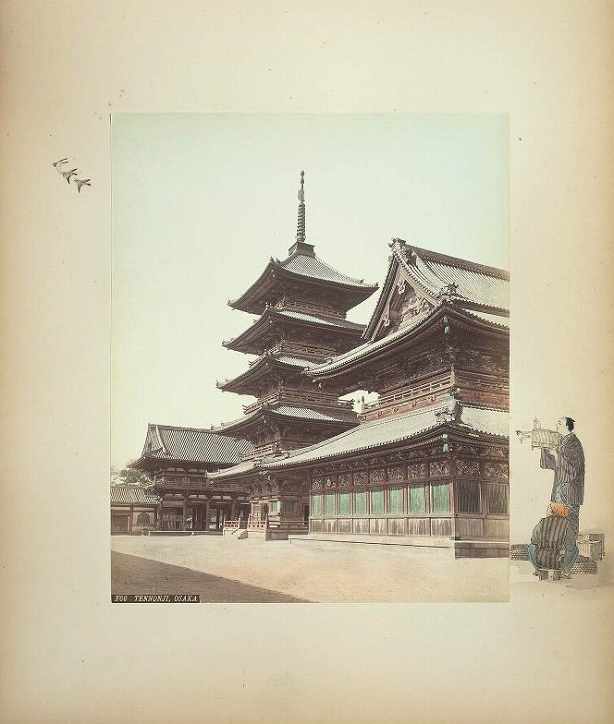
四天王寺 四天王寺は、飛鳥時代に聖徳太子によって創建されたと伝わる、日本仏教最古級の寺院です。度重なる火災で建物は失われましたが、南北に一直線に並ぶ塔や金堂などの伽藍配置は、創建当初の様式を今に伝えています。この並びは「四天王寺式伽藍配置」と呼ばれ、後の寺院建築にも影響を与えました。 Shitenno-ji Temple Shitennō-ji is considered one of the oldest Buddhist temples in Japan, said to have been founded by Prince Shōtoku during the Asuka period. Although the original buildings were lost to repeated fires, the temple’s layout—with structures such as the pagoda and main hall arranged in a straight line from south to north—still reflects the original architectural style. This layout is known as the “Shitennō-ji-style temple complex arrangement” and influenced the design of later Buddhist temples.this day, with the Great South Gate, Central Gate, pagoda, Kondo Hall, and lecture hall lined up in a straight line from north to south and surrounded by a corridor. 大阪の水運と橋の歴史 「天下の貨(たから)七分は浪華にあり、浪華の貨は舟中にあり」 そう言われるほどに江戸時代の大阪は水運が盛んで、川と橋の多い町でした。 「なにわ八百八橋」と言われるように、数多くの橋が架けられていたのもその証です。 当時の大阪の橋の多くは、町人たちが自費で架け、管理していた「町橋」でした。これらは人々の暮らしに欠かせない存在で、日常の往来を支えていました。 一方、幕府が管理する「公儀橋(こうぎばし)」は、特に重要な橋として整備され、大阪にはわずか12しかなかったとされています。公儀橋には玉ねぎのような形をした「擬宝珠(ぎぼし)」という飾りが取り付けられていたのも特徴です。 明治時代に入ると、河川の埋め立てが進み、多くの橋はその姿を消していきました。 The history of water transportation and bridges in Osaka "Seven percent of the world's treasure is in Naniwa, and Naniwa's treasure is in the boat." It is said that water transportation was so popular in Osaka during the Edo period that it was a city with many rivers and bridges. The fact that there were so many bridges built here is testament to this fact, as evidenced by the saying "Naniwa 808 Bridges." Many of the bridges in Osaka at that time were "town bridges" that were built and maintained by townspeople at their own expense. These were indispensable to people's lives, supporting daily traffic. On the other hand, "Kogibashi" (public bridges) managed by the shogunate were developed as particularly important bridges, and it is said that there were only 12 of them in Osaka. Kogibashi bridges were also characterized by the onion-shaped ornaments called "Giboshi". When the Meiji era began, rivers were filled in and many bridges disappeared. --> 日本語 English 繁體中文 简体中文 한국어 -->
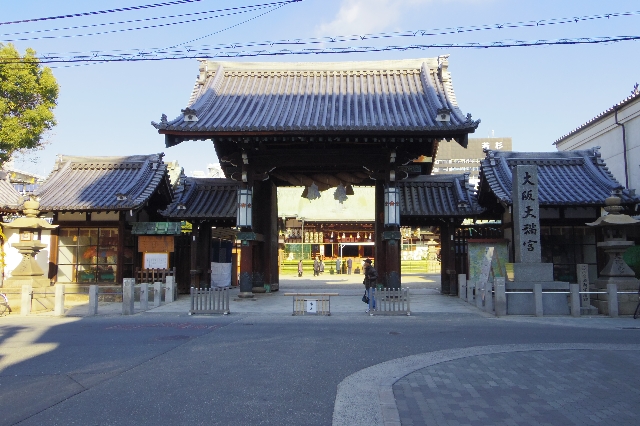
大阪天満宮 大阪天満宮は学問の神様・菅原道真公を祀る神社で、「天満の天神さん」として親しまれ、受験生や知識を志す人々の信仰を集めてきました。この神社を中心に毎年7月に行われる「天神祭」は1000年以上の歴史を誇り、日本三大祭の一つです。 Osaka Tenmangu Shrine Osaka Tenmangū is a shrine dedicated to Sugawara no Michizane, theGod of Learning. Affectionately known as “Tenma no Tenjin-san,” it has long been revered by students and those pursuing knowledge. Centered around this shrine, the Tenjin Festival—held every July—boasts over a thousand years of history and is celebrated as one of Japan’s three greatest festivals. 大阪の水運と橋の歴史 「天下の貨(たから)七分は浪華にあり、浪華の貨は舟中にあり」 そう言われるほどに江戸時代の大阪は水運が盛んで、川と橋の多い町でした。 「なにわ八百八橋」と言われるように、数多くの橋が架けられていたのもその証です。 当時の大阪の橋の多くは、町人たちが自費で架け、管理していた「町橋」でした。これらは人々の暮らしに欠かせない存在で、日常の往来を支えていました。 一方、幕府が管理する「公儀橋(こうぎばし)」は、特に重要な橋として整備され、大阪にはわずか12しかなかったとされています。公儀橋には玉ねぎのような形をした「擬宝珠(ぎぼし)」という飾りが取り付けられていたのも特徴です。 明治時代に入ると、河川の埋め立てが進み、多くの橋はその姿を消していきました。 The history of water transportation and bridges in Osaka "Seven percent of the world's treasure is in Naniwa, and Naniwa's treasure is in the boat." It is said that water transportation was so popular in Osaka during the Edo period that it was a city with many rivers and bridges. The fact that there were so many bridges built here is testament to this fact, as evidenced by the saying "Naniwa 808 Bridges." Many of the bridges in Osaka at that time were "town bridges" that were built and maintained by townspeople at their own expense. These were indispensable to people's lives, supporting daily traffic. On the other hand, "Kogibashi" (public bridges) managed by the shogunate were developed as particularly important bridges, and it is said that there were only 12 of them in Osaka. Kogibashi bridges were also characterized by the onion-shaped ornaments called "Giboshi". When the Meiji era began, rivers were filled in and many bridges disappeared. --> 日本語 English 繁體中文 简体中文 한국어 -->
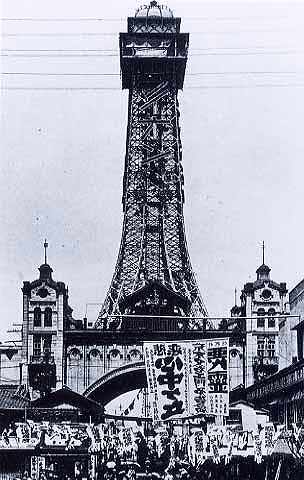
通天閣 通天閣は1912年、博覧会跡地に建てられた初代を起源とし、戦時中に解体されたのち、1956年に再建されました。大阪を象徴する建築として、現在も多くの人に親しまれています。 Tsutenkaku tower Tsūtenkaku traces its origins to the first tower built in 1912 on the former site of the Fifth National Industrial Exhibition. The original structure was dismantled during World War II, but the current tower was rebuilt in 1956. Today, it remains a beloved symbol of Osaka. 大阪の水運と橋の歴史 「天下の貨(たから)七分は浪華にあり、浪華の貨は舟中にあり」 そう言われるほどに江戸時代の大阪は水運が盛んで、川と橋の多い町でした。 「なにわ八百八橋」と言われるように、数多くの橋が架けられていたのもその証です。 当時の大阪の橋の多くは、町人たちが自費で架け、管理していた「町橋」でした。これらは人々の暮らしに欠かせない存在で、日常の往来を支えていました。 一方、幕府が管理する「公儀橋(こうぎばし)」は、特に重要な橋として整備され、大阪にはわずか12しかなかったとされています。公儀橋には玉ねぎのような形をした「擬宝珠(ぎぼし)」という飾りが取り付けられていたのも特徴です。 明治時代に入ると、河川の埋め立てが進み、多くの橋はその姿を消していきました。 The history of water transportation and bridges in Osaka "Seven percent of the world's treasure is in Naniwa, and Naniwa's treasure is in the boat." It is said that water transportation was so popular in Osaka during the Edo period that it was a city with many rivers and bridges. The fact that there were so many bridges built here is testament to this fact, as evidenced by the saying "Naniwa 808 Bridges." Many of the bridges in Osaka at that time were "town bridges" that were built and maintained by townspeople at their own expense. These were indispensable to people's lives, supporting daily traffic. On the other hand, "Kogibashi" (public bridges) managed by the shogunate were developed as particularly important bridges, and it is said that there were only 12 of them in Osaka. Kogibashi bridges were also characterized by the onion-shaped ornaments called "Giboshi". When the Meiji era began, rivers were filled in and many bridges disappeared. --> 日本語 English 繁體中文 简体中文 한국어 -->
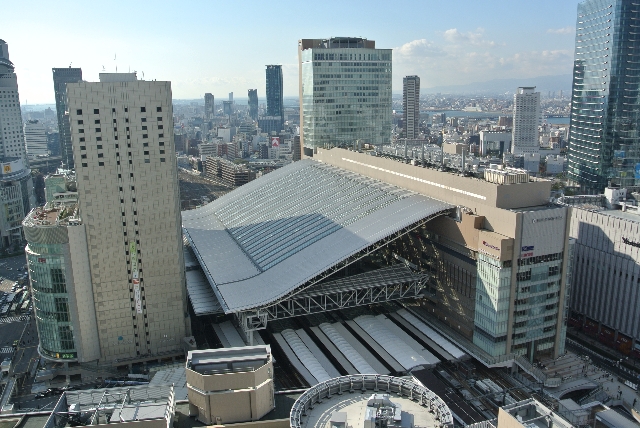
大阪駅 大阪駅は1874年に開業した日本初のターミナル駅のひとつ。 現在はJR西日本の主要駅として、多くの路線が集まり、大阪の玄関口としてにぎわっています。 Osaka Station Opened in 1874, Osaka Station is one of Japan’s oldest terminals and a major city gateway today. 大阪の水運と橋の歴史 「天下の貨(たから)七分は浪華にあり、浪華の貨は舟中にあり」 そう言われるほどに江戸時代の大阪は水運が盛んで、川と橋の多い町でした。 「なにわ八百八橋」と言われるように、数多くの橋が架けられていたのもその証です。 当時の大阪の橋の多くは、町人たちが自費で架け、管理していた「町橋」でした。これらは人々の暮らしに欠かせない存在で、日常の往来を支えていました。 一方、幕府が管理する「公儀橋(こうぎばし)」は、特に重要な橋として整備され、大阪にはわずか12しかなかったとされています。公儀橋には玉ねぎのような形をした「擬宝珠(ぎぼし)」という飾りが取り付けられていたのも特徴です。 明治時代に入ると、河川の埋め立てが進み、多くの橋はその姿を消していきました。 The history of water transportation and bridges in Osaka "Seven percent of the world's treasure is in Naniwa, and Naniwa's treasure is in the boat." It is said that water transportation was so popular in Osaka during the Edo period that it was a city with many rivers and bridges. The fact that there were so many bridges built here is testament to this fact, as evidenced by the saying "Naniwa 808 Bridges." Many of the bridges in Osaka at that time were "town bridges" that were built and maintained by townspeople at their own expense. These were indispensable to people's lives, supporting daily traffic. On the other hand, "Kogibashi" (public bridges) managed by the shogunate were developed as particularly important bridges, and it is said that there were only 12 of them in Osaka. Kogibashi bridges were also characterized by the onion-shaped ornaments called "Giboshi". When the Meiji era began, rivers were filled in and many bridges disappeared. --> 日本語 English 繁體中文 简体中文 한국어 -->
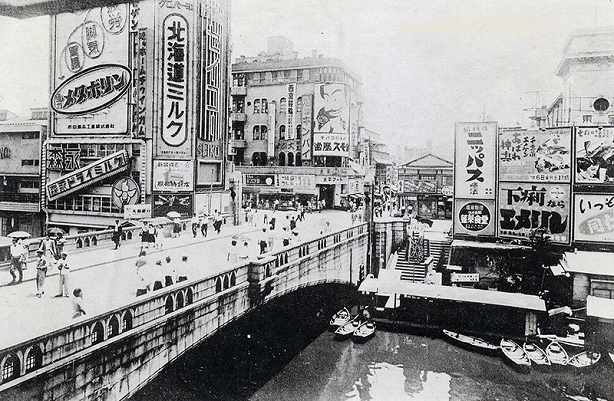
道頓堀 かつては浪速座、角座、朝日座、中座、松竹座など歌舞伎や人形浄瑠璃の劇場が立ち並んでいましたが、移転した松竹座以外の劇場は閉鎖。現在は大阪ミナミの繁華街として、活気の溢れるエリアとなっています。 Dotombori This area once had many traditional theaters like Naniwaza, Kadokiza, Asahiza, Nakaza, and Shochikuza, known for kabuki and bunraku. All except Shochikuza, which relocated, have since closed. Today, it’s a lively part of Osaka’s Minami district. 大阪の水運と橋の歴史 「天下の貨(たから)七分は浪華にあり、浪華の貨は舟中にあり」 そう言われるほどに江戸時代の大阪は水運が盛んで、川と橋の多い町でした。 「なにわ八百八橋」と言われるように、数多くの橋が架けられていたのもその証です。 当時の大阪の橋の多くは、町人たちが自費で架け、管理していた「町橋」でした。これらは人々の暮らしに欠かせない存在で、日常の往来を支えていました。 一方、幕府が管理する「公儀橋(こうぎばし)」は、特に重要な橋として整備され、大阪にはわずか12しかなかったとされています。公儀橋には玉ねぎのような形をした「擬宝珠(ぎぼし)」という飾りが取り付けられていたのも特徴です。 明治時代に入ると、河川の埋め立てが進み、多くの橋はその姿を消していきました。 The history of water transportation and bridges in Osaka "Seven percent of the world's treasure is in Naniwa, and Naniwa's treasure is in the boat." It is said that water transportation was so popular in Osaka during the Edo period that it was a city with many rivers and bridges. The fact that there were so many bridges built here is testament to this fact, as evidenced by the saying "Naniwa 808 Bridges." Many of the bridges in Osaka at that time were "town bridges" that were built and maintained by townspeople at their own expense. These were indispensable to people's lives, supporting daily traffic. On the other hand, "Kogibashi" (public bridges) managed by the shogunate were developed as particularly important bridges, and it is said that there were only 12 of them in Osaka. Kogibashi bridges were also characterized by the onion-shaped ornaments called "Giboshi". When the Meiji era began, rivers were filled in and many bridges disappeared. --> 日本語 English 繁體中文 简体中文 한국어 -->
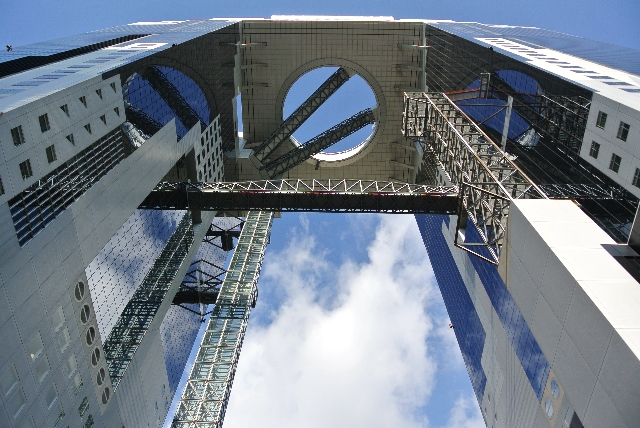
梅田スカイビル 梅田スカイビルは1993年に完成した連結型高層ビル。2棟のタワーが上部でつながる独特の構造をもち、空中庭園展望台が象徴的な存在です。 Umeda Sky Building The Umeda Sky Building, completed in 1993, features a unique design: two towers connected at the top by a “Floating Garden Observatory.” It is an iconic example of late 20th-century Japanese architecture. 大阪の水運と橋の歴史 「天下の貨(たから)七分は浪華にあり、浪華の貨は舟中にあり」 そう言われるほどに江戸時代の大阪は水運が盛んで、川と橋の多い町でした。 「なにわ八百八橋」と言われるように、数多くの橋が架けられていたのもその証です。 当時の大阪の橋の多くは、町人たちが自費で架け、管理していた「町橋」でした。これらは人々の暮らしに欠かせない存在で、日常の往来を支えていました。 一方、幕府が管理する「公儀橋(こうぎばし)」は、特に重要な橋として整備され、大阪にはわずか12しかなかったとされています。公儀橋には玉ねぎのような形をした「擬宝珠(ぎぼし)」という飾りが取り付けられていたのも特徴です。 明治時代に入ると、河川の埋め立てが進み、多くの橋はその姿を消していきました。 The history of water transportation and bridges in Osaka "Seven percent of the world's treasure is in Naniwa, and Naniwa's treasure is in the boat." It is said that water transportation was so popular in Osaka during the Edo period that it was a city with many rivers and bridges. The fact that there were so many bridges built here is testament to this fact, as evidenced by the saying "Naniwa 808 Bridges." Many of the bridges in Osaka at that time were "town bridges" that were built and maintained by townspeople at their own expense. These were indispensable to people's lives, supporting daily traffic. On the other hand, "Kogibashi" (public bridges) managed by the shogunate were developed as particularly important bridges, and it is said that there were only 12 of them in Osaka. Kogibashi bridges were also characterized by the onion-shaped ornaments called "Giboshi". When the Meiji era began, rivers were filled in and many bridges disappeared. --> 日本語 English 繁體中文 简体中文 한국어 -->
EXPO2025大阪・関西万博会場
Osaka
 開く
開く
EXPO2025大阪・関西万博会場 2025年大阪・関西万博は、「いのち輝く未来社会のデザイン」をテーマに、夢洲で開催中。約150の国と地域が参加し、医療・環境・AIなど未来社会を体験できるパビリオンが並びます。 Expo 2025 Osaka, Kansai, Japan Expo 2025 is held on Yumeshima with the theme “Designing Future Society for Our Lives.” The event features exhibitions from around 150 countries, along with displays focused on health, environment, and technology. 大阪の水運と橋の歴史 「天下の貨(たから)七分は浪華にあり、浪華の貨は舟中にあり」 そう言われるほどに江戸時代の大阪は水運が盛んで、川と橋の多い町でした。 「なにわ八百八橋」と言われるように、数多くの橋が架けられていたのもその証です。 当時の大阪の橋の多くは、町人たちが自費で架け、管理していた「町橋」でした。これらは人々の暮らしに欠かせない存在で、日常の往来を支えていました。 一方、幕府が管理する「公儀橋(こうぎばし)」は、特に重要な橋として整備され、大阪にはわずか12しかなかったとされています。公儀橋には玉ねぎのような形をした「擬宝珠(ぎぼし)」という飾りが取り付けられていたのも特徴です。 明治時代に入ると、河川の埋め立てが進み、多くの橋はその姿を消していきました。 The history of water transportation and bridges in Osaka "Seven percent of the world's treasure is in Naniwa, and Naniwa's treasure is in the boat." It is said that water transportation was so popular in Osaka during the Edo period that it was a city with many rivers and bridges. The fact that there were so many bridges built here is testament to this fact, as evidenced by the saying "Naniwa 808 Bridges." Many of the bridges in Osaka at that time were "town bridges" that were built and maintained by townspeople at their own expense. These were indispensable to people's lives, supporting daily traffic. On the other hand, "Kogibashi" (public bridges) managed by the shogunate were developed as particularly important bridges, and it is said that there were only 12 of them in Osaka. Kogibashi bridges were also characterized by the onion-shaped ornaments called "Giboshi". When the Meiji era began, rivers were filled in and many bridges disappeared. --> 日本語 English 繁體中文 简体中文 한국어 -->
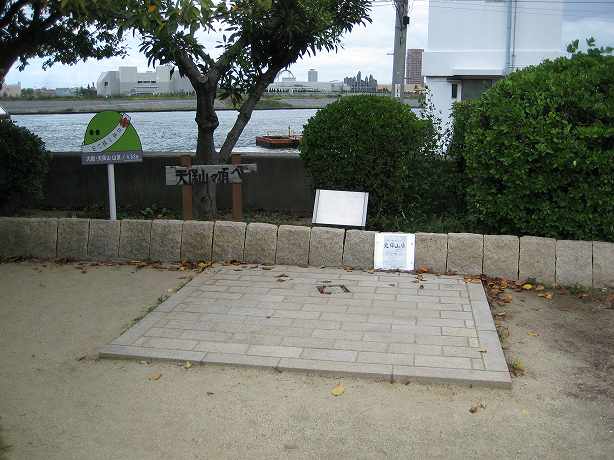
天保山 標高4.53mという日本で1、2を争うほどに低い山。江戸後期の天保時代に、付近の土砂を積み上げて作られました。かつては標高20mほどあり、桜や松が植えられ、花見や舟遊びに興じる人々の姿の光景が歌川広重の絵に描かれるほどの行楽地であったそう。幕末の砲台建設やその後の地盤沈下のために現在の標高になりました。 Mount Tempozan At just 4.53 meters above sea level, this is one of the lowest mountains in Japan. It was created in the late Edo period (Tenpō era) by piling up nearby earth. Once about 20 meters tall, the hill was planted with cherry and pine trees, attracting people for flower viewing and boat rides—a scene even depicted by ukiyo-e artist Utagawa Hiroshige. Its height was later reduced due to the construction of artillery platforms in the late Edo period and subsequent land subsidence. 大阪の水運と橋の歴史 「天下の貨(たから)七分は浪華にあり、浪華の貨は舟中にあり」 そう言われるほどに江戸時代の大阪は水運が盛んで、川と橋の多い町でした。 「なにわ八百八橋」と言われるように、数多くの橋が架けられていたのもその証です。 当時の大阪の橋の多くは、町人たちが自費で架け、管理していた「町橋」でした。これらは人々の暮らしに欠かせない存在で、日常の往来を支えていました。 一方、幕府が管理する「公儀橋(こうぎばし)」は、特に重要な橋として整備され、大阪にはわずか12しかなかったとされています。公儀橋には玉ねぎのような形をした「擬宝珠(ぎぼし)」という飾りが取り付けられていたのも特徴です。 明治時代に入ると、河川の埋め立てが進み、多くの橋はその姿を消していきました。 The history of water transportation and bridges in Osaka "Seven percent of the world's treasure is in Naniwa, and Naniwa's treasure is in the boat." It is said that water transportation was so popular in Osaka during the Edo period that it was a city with many rivers and bridges. The fact that there were so many bridges built here is testament to this fact, as evidenced by the saying "Naniwa 808 Bridges." Many of the bridges in Osaka at that time were "town bridges" that were built and maintained by townspeople at their own expense. These were indispensable to people's lives, supporting daily traffic. On the other hand, "Kogibashi" (public bridges) managed by the shogunate were developed as particularly important bridges, and it is said that there were only 12 of them in Osaka. Kogibashi bridges were also characterized by the onion-shaped ornaments called "Giboshi". When the Meiji era began, rivers were filled in and many bridges disappeared. --> 日本語 English 繁體中文 简体中文 한국어 -->
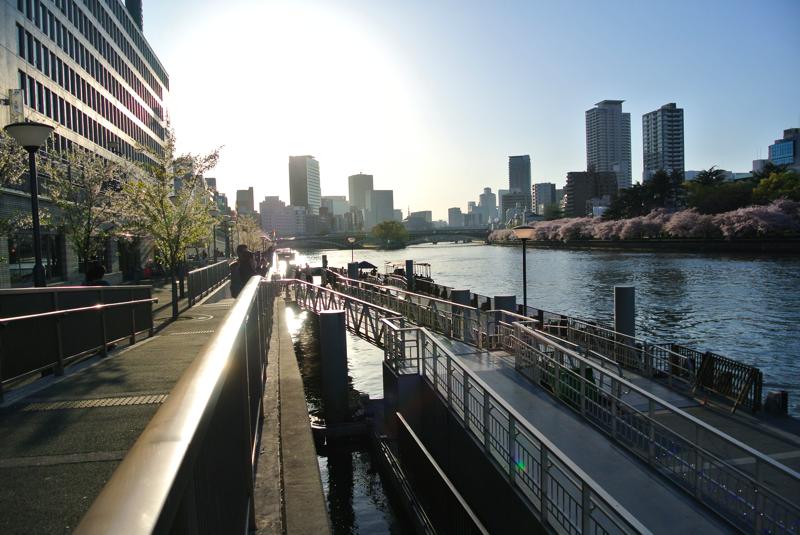
「八軒屋浜」船着場 八軒家の由来は江戸時代にさかのぼります。当時、京都と大坂を結ぶ淀川舟運の要衝として栄え、この辺りには八軒の船宿などが軒を並べていた事からそう呼ばれました。2008年、往時の八軒家浜の賑わいを水都大阪の再生の拠点とするため、この八軒家浜船着場が開港しました。 Hachikenya Harbour Hachikenya got its name in the Edo period, when this area was a key stop for boat travel between Kyoto and Osaka. At the time, eight boat inns lined the river here. In 2008, Hachikenyahama Pier was opened to bring back the lively spirit of the past and welcome visitors to Osaka’s water city. 大阪の水運と橋の歴史 「天下の貨(たから)七分は浪華にあり、浪華の貨は舟中にあり」 そう言われるほどに江戸時代の大阪は水運が盛んで、川と橋の多い町でした。 「なにわ八百八橋」と言われるように、数多くの橋が架けられていたのもその証です。 当時の大阪の橋の多くは、町人たちが自費で架け、管理していた「町橋」でした。これらは人々の暮らしに欠かせない存在で、日常の往来を支えていました。 一方、幕府が管理する「公儀橋(こうぎばし)」は、特に重要な橋として整備され、大阪にはわずか12しかなかったとされています。公儀橋には玉ねぎのような形をした「擬宝珠(ぎぼし)」という飾りが取り付けられていたのも特徴です。 明治時代に入ると、河川の埋め立てが進み、多くの橋はその姿を消していきました。 The history of water transportation and bridges in Osaka "Seven percent of the world's treasure is in Naniwa, and Naniwa's treasure is in the boat." It is said that water transportation was so popular in Osaka during the Edo period that it was a city with many rivers and bridges. The fact that there were so many bridges built here is testament to this fact, as evidenced by the saying "Naniwa 808 Bridges." Many of the bridges in Osaka at that time were "town bridges" that were built and maintained by townspeople at their own expense. These were indispensable to people's lives, supporting daily traffic. On the other hand, "Kogibashi" (public bridges) managed by the shogunate were developed as particularly important bridges, and it is said that there were only 12 of them in Osaka. Kogibashi bridges were also characterized by the onion-shaped ornaments called "Giboshi". When the Meiji era began, rivers were filled in and many bridges disappeared. --> 日本語 English 繁體中文 简体中文 한국어 -->
戎橋 戎橋は、道頓堀が開削された慶長17年(1612年)に架けられた町橋。今宮戎に向かう「参道」だったことが名前の由来と考えられています。かつて橋の南側には芝居小屋が立ち並び、人形浄瑠璃の全盛期には「操橋(あやつりばし)」と呼ばれたこともあったそうです。このほかにも時代によって様々な名前で呼ばれていました。 Ebisubashi Bridge Ebisubashi is a town bridge built in 1612 when Dotonbori was excavated. It is thought that the name comes from the fact that it was the "approach to Imamiya Ebisu." There used to be a row of theaters on the south side of the bridge, and in the heyday of Bunraku puppet theater, it was sometimes called "Ayatsuribashi" (Puppet Bridge). It has also been called by various other names depending on the era. 大阪の水運と橋の歴史 「天下の貨(たから)七分は浪華にあり、浪華の貨は舟中にあり」 そう言われるほどに江戸時代の大阪は水運が盛んで、川と橋の多い町でした。 「なにわ八百八橋」と言われるように、数多くの橋が架けられていたのもその証です。 当時の大阪の橋の多くは、町人たちが自費で架け、管理していた「町橋」でした。これらは人々の暮らしに欠かせない存在で、日常の往来を支えていました。 一方、幕府が管理する「公儀橋(こうぎばし)」は、特に重要な橋として整備され、大阪にはわずか12しかなかったとされています。公儀橋には玉ねぎのような形をした「擬宝珠(ぎぼし)」という飾りが取り付けられていたのも特徴です。 明治時代に入ると、河川の埋め立てが進み、多くの橋はその姿を消していきました。 The history of water transportation and bridges in Osaka "Seven percent of the world's treasure is in Naniwa, and Naniwa's treasure is in the boat." It is said that water transportation was so popular in Osaka during the Edo period that it was a city with many rivers and bridges. The fact that there were so many bridges built here is testament to this fact, as evidenced by the saying "Naniwa 808 Bridges." Many of the bridges in Osaka at that time were "town bridges" that were built and maintained by townspeople at their own expense. These were indispensable to people's lives, supporting daily traffic. On the other hand, "Kogibashi" (public bridges) managed by the shogunate were developed as particularly important bridges, and it is said that there were only 12 of them in Osaka. Kogibashi bridges were also characterized by the onion-shaped ornaments called "Giboshi". When the Meiji era began, rivers were filled in and many bridges disappeared. --> 日本語 English 繁體中文 简体中文 한국어 -->
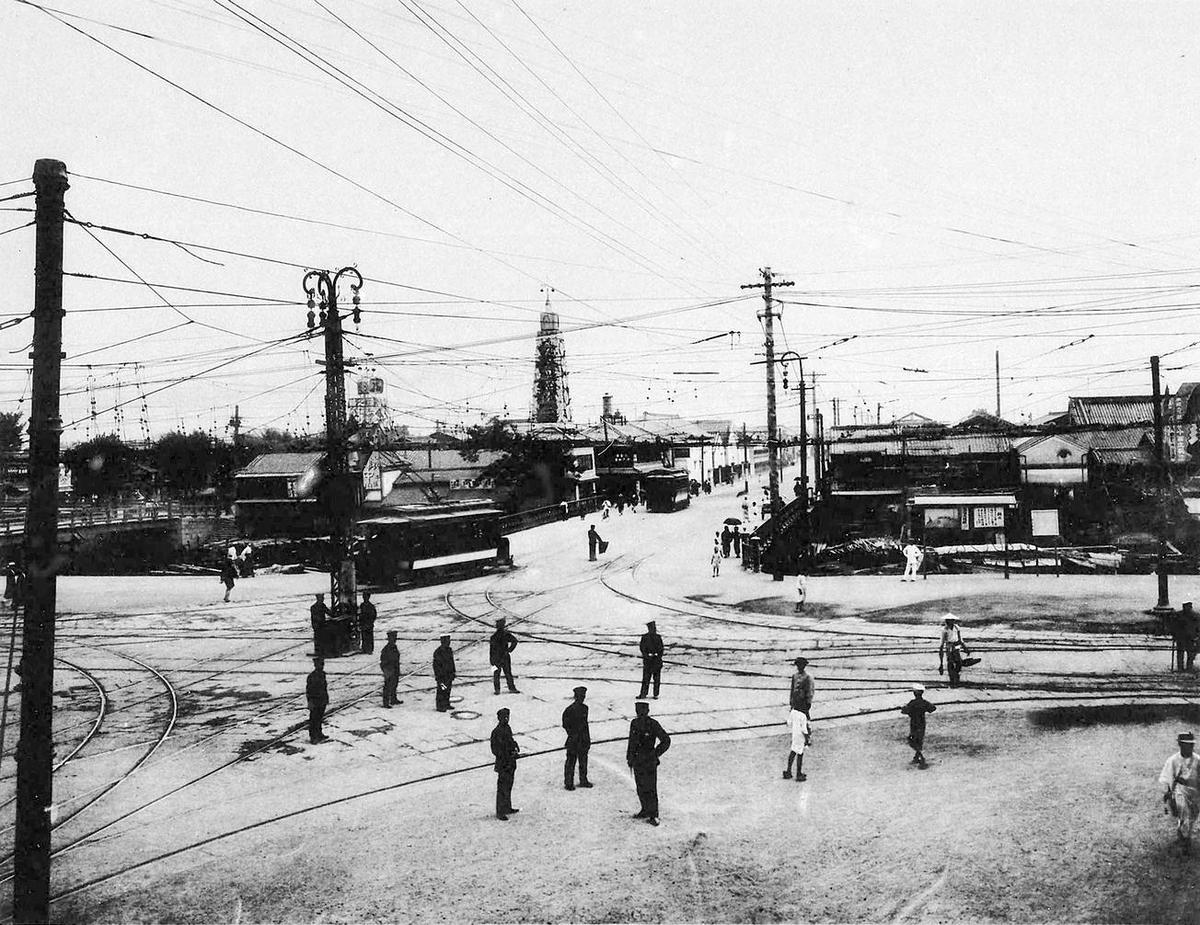
四ツ橋 かつてこの場所は東西に伸びる長堀川と南北に伸びる西横堀川が交差する場所でした。その上に上繋橋、下繋橋、炭屋橋、吉野屋橋、という4つの橋が交差点のように架かっていたことから「四ツ橋」という名前で親しまれました。2本の川が埋め立てられた事で橋としての歴史を終えましたが、橋が無くなった今でも地名や駅名として残っています。 Yotsubashi Bridge This place used to be the intersection of the Nagahori River, which runs east to west, and the Nishiyokobori River, which runs north to south. There were four bridges above it, called Kamitsunagibashi, Shimotsunagibashi, Sumiyabashi, and Yoshinoyabashi, which stood like an intersection, so the area was affectionately known as "Yotsubashi." The area's history as a bridge came to an end when the two rivers were filled in, but even now that the bridges are gone, the area remains as a place name and station name. 大阪の水運と橋の歴史 「天下の貨(たから)七分は浪華にあり、浪華の貨は舟中にあり」 そう言われるほどに江戸時代の大阪は水運が盛んで、川と橋の多い町でした。 「なにわ八百八橋」と言われるように、数多くの橋が架けられていたのもその証です。 当時の大阪の橋の多くは、町人たちが自費で架け、管理していた「町橋」でした。これらは人々の暮らしに欠かせない存在で、日常の往来を支えていました。 一方、幕府が管理する「公儀橋(こうぎばし)」は、特に重要な橋として整備され、大阪にはわずか12しかなかったとされています。公儀橋には玉ねぎのような形をした「擬宝珠(ぎぼし)」という飾りが取り付けられていたのも特徴です。 明治時代に入ると、河川の埋め立てが進み、多くの橋はその姿を消していきました。 The history of water transportation and bridges in Osaka "Seven percent of the world's treasure is in Naniwa, and Naniwa's treasure is in the boat." It is said that water transportation was so popular in Osaka during the Edo period that it was a city with many rivers and bridges. The fact that there were so many bridges built here is testament to this fact, as evidenced by the saying "Naniwa 808 Bridges." Many of the bridges in Osaka at that time were "town bridges" that were built and maintained by townspeople at their own expense. These were indispensable to people's lives, supporting daily traffic. On the other hand, "Kogibashi" (public bridges) managed by the shogunate were developed as particularly important bridges, and it is said that there were only 12 of them in Osaka. Kogibashi bridges were also characterized by the onion-shaped ornaments called "Giboshi". When the Meiji era began, rivers were filled in and many bridges disappeared. --> 日本語 English 繁體中文 简体中文 한국어 -->
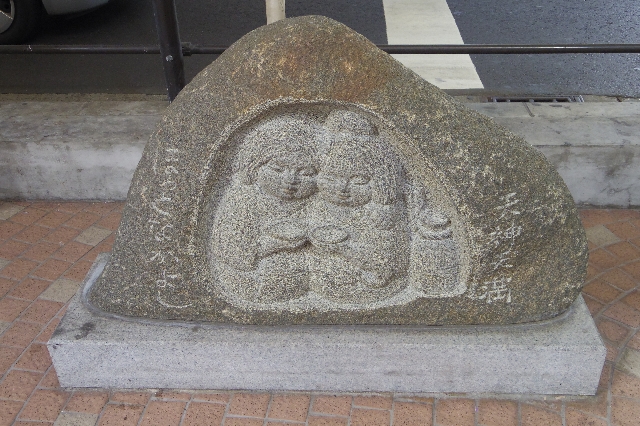
夫婦橋碑 夫婦橋跡は、天神橋筋商店街の中にあります。天神橋四丁目のあたりはかつて「夫婦池」という2つの池があったことから「夫婦町」という名前で呼ばれていました。この橋も町の名前に由来しています。 Meoto-bashi Bridge Monument Meoto-bashi Bridge once stood here in the Tenjinbashisuji Shopping Street.The name came from “Meoto-cho,” a former town named after two nearby ponds called “Meoto-ike” (Married Couple Ponds). 大阪の水運と橋の歴史 「天下の貨(たから)七分は浪華にあり、浪華の貨は舟中にあり」 そう言われるほどに江戸時代の大阪は水運が盛んで、川と橋の多い町でした。 「なにわ八百八橋」と言われるように、数多くの橋が架けられていたのもその証です。 当時の大阪の橋の多くは、町人たちが自費で架け、管理していた「町橋」でした。これらは人々の暮らしに欠かせない存在で、日常の往来を支えていました。 一方、幕府が管理する「公儀橋(こうぎばし)」は、特に重要な橋として整備され、大阪にはわずか12しかなかったとされています。公儀橋には玉ねぎのような形をした「擬宝珠(ぎぼし)」という飾りが取り付けられていたのも特徴です。 明治時代に入ると、河川の埋め立てが進み、多くの橋はその姿を消していきました。 The history of water transportation and bridges in Osaka "Seven percent of the world's treasure is in Naniwa, and Naniwa's treasure is in the boat." It is said that water transportation was so popular in Osaka during the Edo period that it was a city with many rivers and bridges. The fact that there were so many bridges built here is testament to this fact, as evidenced by the saying "Naniwa 808 Bridges." Many of the bridges in Osaka at that time were "town bridges" that were built and maintained by townspeople at their own expense. These were indispensable to people's lives, supporting daily traffic. On the other hand, "Kogibashi" (public bridges) managed by the shogunate were developed as particularly important bridges, and it is said that there were only 12 of them in Osaka. Kogibashi bridges were also characterized by the onion-shaped ornaments called "Giboshi". When the Meiji era began, rivers were filled in and many bridges disappeared. --> 日本語 English 繁體中文 简体中文 한국어 -->
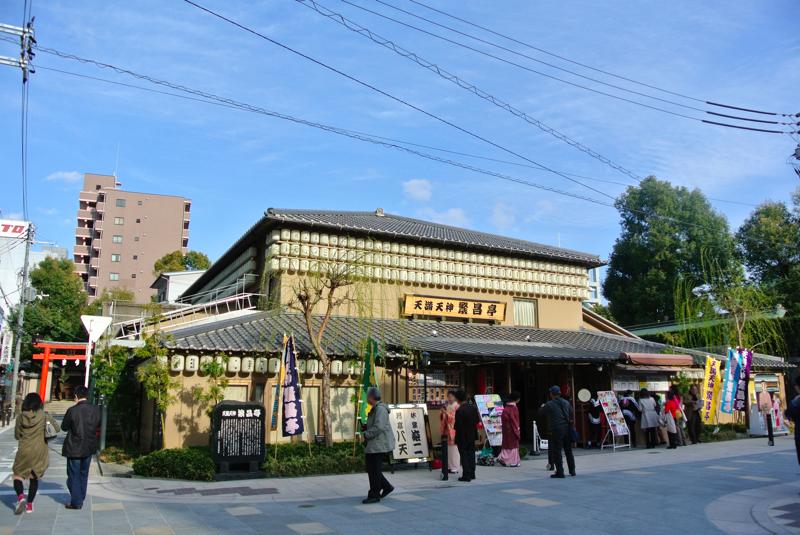
天満天神繁昌亭 天満天神繁昌亭は、2006年に開館した上方落語の定席です。かつて大阪から姿を消した寄席文化を復活させた拠点であり、現在も日替わりで落語が楽しめる常設の寄席として親しまれています。 Tenma Tenjin Hanjotei Opened in 2006, Tenma Tenjin Hanjōtei is a permanent theater dedicated to Kamigata Rakugo, the traditional comedic storytelling of western Japan. Once lost in Osaka, the culture of the yose (vaudeville theaters) was revived here. Today, visitors can enjoy daily performances by a variety of Rakugo performers. 大阪の水運と橋の歴史 「天下の貨(たから)七分は浪華にあり、浪華の貨は舟中にあり」 そう言われるほどに江戸時代の大阪は水運が盛んで、川と橋の多い町でした。 「なにわ八百八橋」と言われるように、数多くの橋が架けられていたのもその証です。 当時の大阪の橋の多くは、町人たちが自費で架け、管理していた「町橋」でした。これらは人々の暮らしに欠かせない存在で、日常の往来を支えていました。 一方、幕府が管理する「公儀橋(こうぎばし)」は、特に重要な橋として整備され、大阪にはわずか12しかなかったとされています。公儀橋には玉ねぎのような形をした「擬宝珠(ぎぼし)」という飾りが取り付けられていたのも特徴です。 明治時代に入ると、河川の埋め立てが進み、多くの橋はその姿を消していきました。 The history of water transportation and bridges in Osaka "Seven percent of the world's treasure is in Naniwa, and Naniwa's treasure is in the boat." It is said that water transportation was so popular in Osaka during the Edo period that it was a city with many rivers and bridges. The fact that there were so many bridges built here is testament to this fact, as evidenced by the saying "Naniwa 808 Bridges." Many of the bridges in Osaka at that time were "town bridges" that were built and maintained by townspeople at their own expense. These were indispensable to people's lives, supporting daily traffic. On the other hand, "Kogibashi" (public bridges) managed by the shogunate were developed as particularly important bridges, and it is said that there were only 12 of them in Osaka. Kogibashi bridges were also characterized by the onion-shaped ornaments called "Giboshi". When the Meiji era began, rivers were filled in and many bridges disappeared. --> 日本語 English 繁體中文 简体中文 한국어 -->
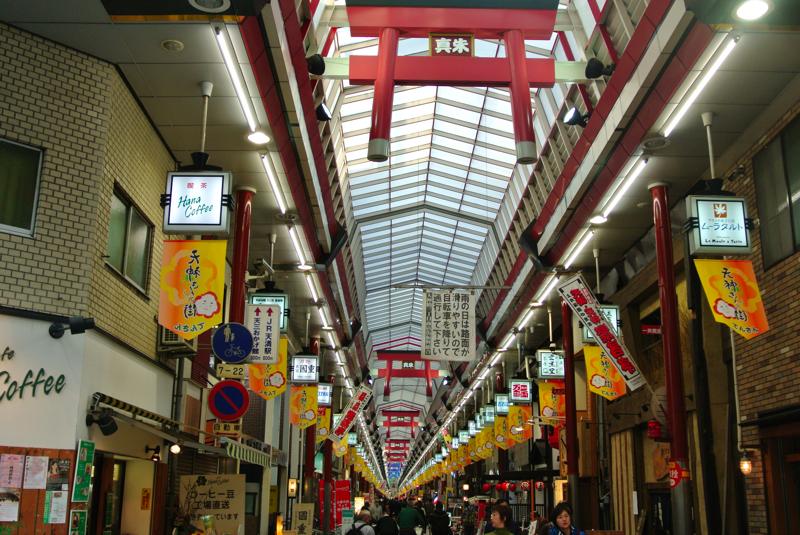
天神橋筋商店街 全長約2.6km、日本一長いアーケード商店街として知られる「天神橋筋商店街」。老舗から最新の専門店、大阪グルメまで多彩な魅力が詰まっています。東西に広がる路地や横丁も、地域ごとの個性を感じられるポイント。 Tenjinbashi-suji Shopping Street Stretching approximately 2.6 kilometers, Tenjinbashisuji Shopping Street is known as the longest covered arcade in Japan. From long-established shops to trendy specialty stores and local Osaka cuisine, the street is filled with diverse attractions. Side alleys and lanes branching off to the east and west also offer a glimpse into the unique character of each neighborhood. 大阪の水運と橋の歴史 「天下の貨(たから)七分は浪華にあり、浪華の貨は舟中にあり」 そう言われるほどに江戸時代の大阪は水運が盛んで、川と橋の多い町でした。 「なにわ八百八橋」と言われるように、数多くの橋が架けられていたのもその証です。 当時の大阪の橋の多くは、町人たちが自費で架け、管理していた「町橋」でした。これらは人々の暮らしに欠かせない存在で、日常の往来を支えていました。 一方、幕府が管理する「公儀橋(こうぎばし)」は、特に重要な橋として整備され、大阪にはわずか12しかなかったとされています。公儀橋には玉ねぎのような形をした「擬宝珠(ぎぼし)」という飾りが取り付けられていたのも特徴です。 明治時代に入ると、河川の埋め立てが進み、多くの橋はその姿を消していきました。 The history of water transportation and bridges in Osaka "Seven percent of the world's treasure is in Naniwa, and Naniwa's treasure is in the boat." It is said that water transportation was so popular in Osaka during the Edo period that it was a city with many rivers and bridges. The fact that there were so many bridges built here is testament to this fact, as evidenced by the saying "Naniwa 808 Bridges." Many of the bridges in Osaka at that time were "town bridges" that were built and maintained by townspeople at their own expense. These were indispensable to people's lives, supporting daily traffic. On the other hand, "Kogibashi" (public bridges) managed by the shogunate were developed as particularly important bridges, and it is said that there were only 12 of them in Osaka. Kogibashi bridges were also characterized by the onion-shaped ornaments called "Giboshi". When the Meiji era began, rivers were filled in and many bridges disappeared. --> 日本語 English 繁體中文 简体中文 한국어 -->
御堂筋 御堂筋の名は、沿道にある北御堂(西本願寺)と南御堂(東本願寺)に由来します。かつては幅約6mの「淀屋橋筋」とも呼ばれる小道でしたが、20世紀初頭の都市整備により、地下鉄建設と一体で大通りへと拡幅され、大阪を代表する街路として生まれ変わりました。 Midosuji The name “Midosuji” comes from two prominent temples along the road: Kita Mido (associated with Nishi Hongwanji) and Minami Mido (associated with Higashi Hongwanji). Once a narrow street about 6 meters wide, formerly known as Yodoyabashi-suji, it was transformed into a major thoroughfare during early 20th-century urban redevelopment, carried out alongside the construction of the subway. Today, it is one of Osaka’s most iconic streets. 大阪の水運と橋の歴史 「天下の貨(たから)七分は浪華にあり、浪華の貨は舟中にあり」 そう言われるほどに江戸時代の大阪は水運が盛んで、川と橋の多い町でした。 「なにわ八百八橋」と言われるように、数多くの橋が架けられていたのもその証です。 当時の大阪の橋の多くは、町人たちが自費で架け、管理していた「町橋」でした。これらは人々の暮らしに欠かせない存在で、日常の往来を支えていました。 一方、幕府が管理する「公儀橋(こうぎばし)」は、特に重要な橋として整備され、大阪にはわずか12しかなかったとされています。公儀橋には玉ねぎのような形をした「擬宝珠(ぎぼし)」という飾りが取り付けられていたのも特徴です。 明治時代に入ると、河川の埋め立てが進み、多くの橋はその姿を消していきました。 The history of water transportation and bridges in Osaka "Seven percent of the world's treasure is in Naniwa, and Naniwa's treasure is in the boat." It is said that water transportation was so popular in Osaka during the Edo period that it was a city with many rivers and bridges. The fact that there were so many bridges built here is testament to this fact, as evidenced by the saying "Naniwa 808 Bridges." Many of the bridges in Osaka at that time were "town bridges" that were built and maintained by townspeople at their own expense. These were indispensable to people's lives, supporting daily traffic. On the other hand, "Kogibashi" (public bridges) managed by the shogunate were developed as particularly important bridges, and it is said that there were only 12 of them in Osaka. Kogibashi bridges were also characterized by the onion-shaped ornaments called "Giboshi". When the Meiji era began, rivers were filled in and many bridges disappeared. --> 日本語 English 繁體中文 简体中文 한국어 -->
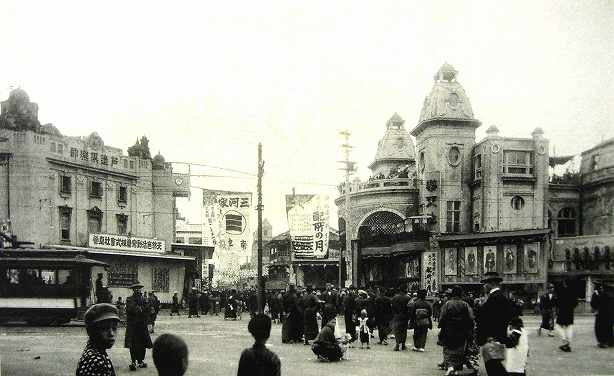
千日前 (楽天地) かつてこの地には、映画館や劇場、ローラースケート場や展望台を備えた娯楽施設「千日前楽天地」があり、道頓堀と並ぶミナミの賑わいを支えていました。現在は、家電量販店のビックカメラとレジャービル「アムザ1000」がその跡地に建っています。 Rakutenchi in Sennichimae This area was once home to Sennichimae Rakutenchi, a popular entertainment complex that featured movie theaters, performance halls, a roller-skating rink, and an observation deck. Alongside Dōtonbori, it played a central role in the bustling atmosphere of Minami. Today, the site is occupied by the electronics store Bic Camera and the leisure complex AMZA 1000. 大阪の水運と橋の歴史 「天下の貨(たから)七分は浪華にあり、浪華の貨は舟中にあり」 そう言われるほどに江戸時代の大阪は水運が盛んで、川と橋の多い町でした。 「なにわ八百八橋」と言われるように、数多くの橋が架けられていたのもその証です。 当時の大阪の橋の多くは、町人たちが自費で架け、管理していた「町橋」でした。これらは人々の暮らしに欠かせない存在で、日常の往来を支えていました。 一方、幕府が管理する「公儀橋(こうぎばし)」は、特に重要な橋として整備され、大阪にはわずか12しかなかったとされています。公儀橋には玉ねぎのような形をした「擬宝珠(ぎぼし)」という飾りが取り付けられていたのも特徴です。 明治時代に入ると、河川の埋め立てが進み、多くの橋はその姿を消していきました。 The history of water transportation and bridges in Osaka "Seven percent of the world's treasure is in Naniwa, and Naniwa's treasure is in the boat." It is said that water transportation was so popular in Osaka during the Edo period that it was a city with many rivers and bridges. The fact that there were so many bridges built here is testament to this fact, as evidenced by the saying "Naniwa 808 Bridges." Many of the bridges in Osaka at that time were "town bridges" that were built and maintained by townspeople at their own expense. These were indispensable to people's lives, supporting daily traffic. On the other hand, "Kogibashi" (public bridges) managed by the shogunate were developed as particularly important bridges, and it is said that there were only 12 of them in Osaka. Kogibashi bridges were also characterized by the onion-shaped ornaments called "Giboshi". When the Meiji era began, rivers were filled in and many bridges disappeared. --> 日本語 English 繁體中文 简体中文 한국어 -->
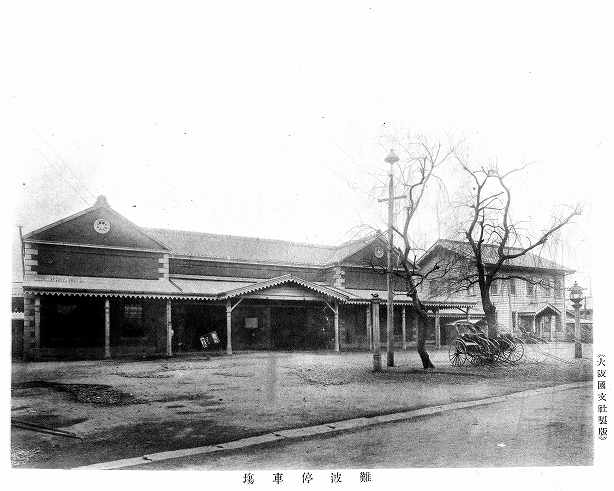
難波駅 大阪ミナミの玄関口・難波駅は、明治時代の開業から今に至るまで、人と街をつなぐ拠点として発展してきました。かつての地上駅舎は姿を変え、今では地下に広がる通路と高層ビルが交錯する、近代的な都市の風景が広がっています。 Namba Station Namba Station, the gateway to Osaka’s Minami district, has developed over time as a vital hub connecting people and the city since its opening in the Meiji era. Once featuring above-ground station buildings, the area has transformed into a modern urban landscape, where underground concourses and towering buildings intersect. 大阪の水運と橋の歴史 「天下の貨(たから)七分は浪華にあり、浪華の貨は舟中にあり」 そう言われるほどに江戸時代の大阪は水運が盛んで、川と橋の多い町でした。 「なにわ八百八橋」と言われるように、数多くの橋が架けられていたのもその証です。 当時の大阪の橋の多くは、町人たちが自費で架け、管理していた「町橋」でした。これらは人々の暮らしに欠かせない存在で、日常の往来を支えていました。 一方、幕府が管理する「公儀橋(こうぎばし)」は、特に重要な橋として整備され、大阪にはわずか12しかなかったとされています。公儀橋には玉ねぎのような形をした「擬宝珠(ぎぼし)」という飾りが取り付けられていたのも特徴です。 明治時代に入ると、河川の埋め立てが進み、多くの橋はその姿を消していきました。 The history of water transportation and bridges in Osaka "Seven percent of the world's treasure is in Naniwa, and Naniwa's treasure is in the boat." It is said that water transportation was so popular in Osaka during the Edo period that it was a city with many rivers and bridges. The fact that there were so many bridges built here is testament to this fact, as evidenced by the saying "Naniwa 808 Bridges." Many of the bridges in Osaka at that time were "town bridges" that were built and maintained by townspeople at their own expense. These were indispensable to people's lives, supporting daily traffic. On the other hand, "Kogibashi" (public bridges) managed by the shogunate were developed as particularly important bridges, and it is said that there were only 12 of them in Osaka. Kogibashi bridges were also characterized by the onion-shaped ornaments called "Giboshi". When the Meiji era began, rivers were filled in and many bridges disappeared. --> 日本語 English 繁體中文 简体中文 한국어 -->