
Takatori Town Tourist Map
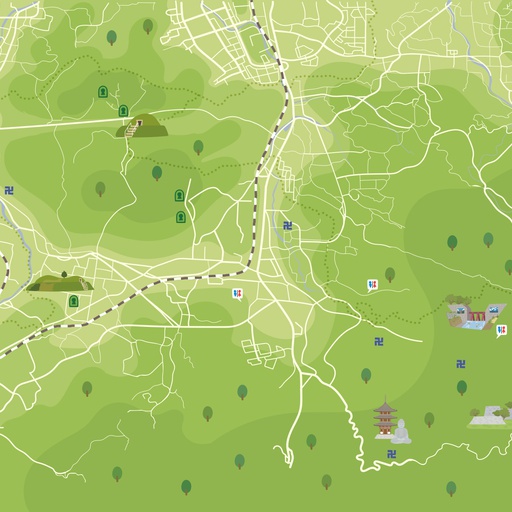
This sightseeing map introduces the town's major tourist attractions and historical sites in an easy-to-understand manner. It introduces the ruins of Takatori Castle, Tsubosaka-dera Temple, and other sights, as well as the streets along the Tosa Kaido Road that retain the atmosphere of a castle town.
 Posted by高取町Updated:
 All spots information
41 spots
 Historic Sites
Takatori Castle Ruins
Historic Sites
 Open
Open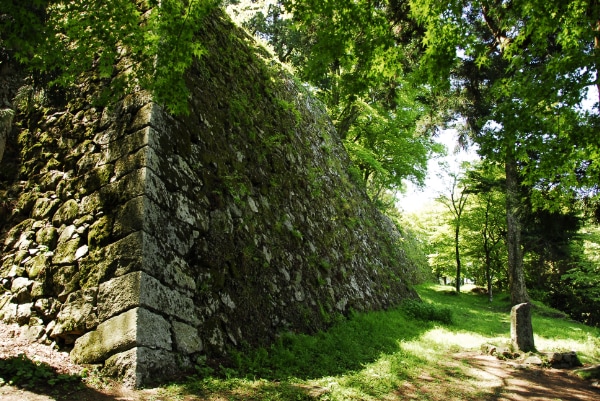
Takatori Castle, one of Japan's three great mountain castles alongside Bitchu Matsuyama Castle in Okayama and Mino Iwamura Castle in Gifu, stands atop the 583.9-meter-high Takatori Mountain. While only its stone walls remain, now blanketed in greenery, the grand stone structures of the main and secondary baileys evoke the splendor of the castle's prime.Designated a National Historic Site in 1953 and listed among Japan's Top 100 Castles in 2006, Takatori Castle is a beloved spot for its seasonal beauty. Visitors enjoy cherry blossoms in spring, lush greenery and mountain lilies in summer, and vibrant autumn foliage, along with sweeping, clear views of the surrounding landscape.●Click here for the official website●https://sightseeing2.takatori.info/takatorijyou-d/
Ichio Mokuyama Kofun (Ancient Tomb)
Historic Sites
Open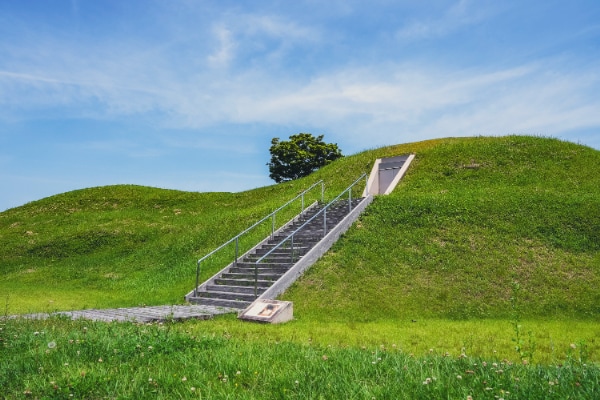
This 66-meter-long and 10-meter-high keyhole-shaped tomb is a classic example of a kofun from the late Kofun period. Excavations conducted by the Nara Prefectural Kashihara Archaeological Institute in 1978 revealed a horizontal stone chamber in the circular rear section, along with a large, house-shaped sarcophagus made of tuff stone. Designated a National Historic Site in 1981, the site has since been converted into a park where visitors can view the tomb's interior from the outside and even climb the burial mound.During a re-excavation led by the Takatori Town Board of Education in 2004, further details were uncovered, including the blocked condition of the stone chamber and a newly identified burial pathway used to transport the sarcophagus into the chamber. This chamber, measuring 9.45 meters long and 2.45 meters wide, has a rectangular layout with a height of 3 meters in its main chamber, making it an asymmetrical, single-sided stone chamber—an exceptionally rare find among ancient tombs nationwide. The sarcophagus housed within measures 2.61 meters in length, 1.27 meters in width, and 1.39 meters in height, making it one of the largest in Nara Prefecture. Additionally, excavations of the flattened terrace on the first tier of the mound revealed cylindrical haniwa (clay figures), believed to remain in their original positions, arranged at 10 cm intervals. Wooden bird-shaped haniwa, known as "wooden haniwa," were also discovered, and in 2007, the discovery of a nearly 3-meter-long wooden plank further attracted attention.Each summer, as part of the "Takatori Town Furusato Summer Festival," an enchanting candle-lit evening event is held here, creating a magical atmosphere.●Click here for the official websitehttps://sightseeing2.takatori.info/hakayama/
Youraku Kanjyo Kofun
Historic Sites
Open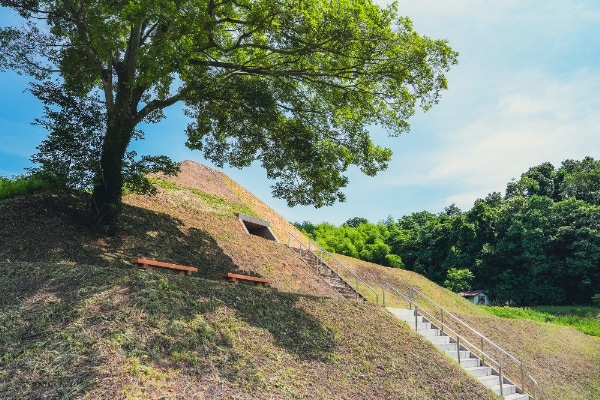
Originally thought to be a round tumulus with a diameter of around 20 meters, a re-investigation in 2008 revealed that this kofun is actually a square-shaped tomb with sides approximately 36 meters long. Notably, its horizontal stone chamber has an exceptionally high ceiling, reaching 5.27 meters—the tallest in Nara Prefecture, surpassing even the Ishibutai Kofun in Asuka Village (4.8 meters). Together with Kansuzuka Kofun and Shirakabezuka Kofun in the nearby Terasaki area, it was designated a National Historic Site in 2013 as part of the Youraku Kofun Group.Built on the southern slope of Kaibukiyama, the kofun's mound was heavily eroded, which initially led to the assumption it was a round tumulus. However, a re-investigation conducted by the Takatori Town Board of Education in pursuit of national historic site designation revealed it to be a two-tiered square tomb. After clearing the sediment that had accumulated on the floor, it was confirmed that the stone chamber’s ceiling reached an impressive height of 5.27 meters. Artifacts such as miniature earthenware fragments, commonly found in kofun associated with immigrants, were discovered on the floor, along with evidence of a wooden coffin platform at the chamber's center. The burial facility is a double-winged horizontal stone chamber, with walls composed of four to five layers of stones. The high ceiling is formed from a single massive stone slab. These structural features and immigrant-related artifacts suggest that the Kanzyo Kofun may have served as the tomb of an Eastern Han clan leader.Further investigation in 2015 uncovered fragments of pottery dating from the late 7th to early 8th century beneath stones that sealed the entrance, indicating a secondary burial took place roughly a century after the tomb’s original construction, which is estimated to date to the late 6th to early 7th century. ●Click here for the official websitehttps://sightseeing2.takatori.info/kanjyo/
Youraku Kansuzuka Kofun
Historic Sites
Open
The Youraku Kansuzuka Kofun, located in the Youraku area, is a round tumulus measuring 28 meters in diameter and 7.5 meters in height. On the southern face of the mound lies a horizontal stone chamber, with the main burial chamber measuring 4.2 meters in length, 2.8 meters in width, and 4.2 meters in height. The chamber is constructed in a single-winged style using seven to eight layers of andesite (Asuka stone), while the entrance passage, or dromos, measures 5.4 meters in length, 1.4 meters in width, and 1.8 meters in height, with a blocking stone approximately 1 meter high still remaining.Artifacts recovered from the stone chamber include gilded bronze and silver earrings, small glass beads, a silver-decorated ring, and horse tack such as gilded bronze saddle fittings, an iron bit, silver palmette (triple-leaf motif) horse harness pendants, iron decorative fittings, iron fishing hooks, iron knives, as well as Sue ware and Haji ware pottery. The Haji ware includes miniature cooking utensils such as a hearth, rice pot, and kettle, indicating daily life representations in funerary items. This kofun is believed to have been constructed in the latter half of the 6th century.●Click here for the official websitehttps://www.library.pref.nara.jp/nara_2010/0855.html
Terasaki Shirakabezuka Kofun
Historic Sites
Open
The Terasaki Shirakabezuka Kofun, located in the Terasaki area of the Youraku Kofun Group on the southern slope of Kaibukiyama, is a square-shaped platform tomb with a mound measuring 30 meters in diameter and 9 meters in height. This kofun is part of a group containing over 100 tombs with horizontal stone chambers and lateral stone sarcophagi. Significant earthworks were undertaken to level the ridge slope and create a flat surface. The mound's first tier was shaped from natural terrain, while the second tier was built up using a layered tamped earth technique. Behind the mound is a U-shaped trench, 7 meters wide and 2 meters deep.The burial facility includes a horizontal, side-entry stone sarcophagus made of large andesite (Asuka stone) blocks, measuring 1.1 meters in width, 2.2 meters in length, and 0.9 meters in height. This sarcophagus is connected to a front chamber and dromos, extending the total length of the structure to 11 meters. Lime plaster was applied between the stones of the sarcophagus and dromos. Artifacts unearthed from the stone chamber include flat-bottomed Haji ware jars, fragments of miniature cooking pots and hearths, and iron nails. Constructed in the mid-7th century, the kofun’s design—with a closed rear side and open front—reflects influences from feng shui principles, creating a balance between the natural landscape and spiritual beliefs.●Click here for the official websitehttps://bunka.nii.ac.jp/heritages/detail/273913
Kaifuki Mountain Castle Ruins
Historic Sites
Open
Located on the border with Kashihara City, Kaibukiyama stands at an elevation of 210.3 meters. At its summit is a small, 3-meter-diameter circular tomb known as the "Gozu Tenno Mound," where local villagers once prayed for rain. During the Nanboku-chō period, the Ochi clan built a mountain fortress atop this mound. Originally, this fortress served as an emergency stronghold for Ochi Castle, but it later developed into the primary fortress, relegating Takatori Castle to a subsidiary role. The name "Kaibuki" derives from the use of conch shells (horagai) to signal enemy attacks. Kaibukiyama and its surroundings are dotted with ancient tombs, imperial mausoleums, and historical temples and shrines associated with the Ochi clan, such as the Unan Shrine, which they worshipped, and Kounji Temple, built as their family temple. At the summit, a stone monument inscribed with "Kaibukiyama Castle Ruins" marks the site, where remnants of terracing and stone walls remain. Though little remains today, in its prime, the fortress had main and secondary enclosures surrounded by additional terraces. Kaibukiyama Castle was originally constructed as a watchtower to guard the Ochi Valley and coordinate with nearby outposts to the north of Ochi’s main castle. However, by the Tenbun era (1532–1555), the fortifications were reinforced, and in times of war, the Ochi clan would abandon their main castle to take refuge in this mountain fortress. Eventually, Kaibukiyama Castle became the Ochi clan’s primary stronghold, with Takatori Castle serving as a secondary site. The Ochi clan reached its peak in the late Muromachi period, around the time of the Ōnin War, but Kaibukiyama became a battleground as the Sengoku period's conflicts intensified. In 1568, the castle ultimately fell in battle to the forces of the Matsunaga clan, allied with Oda Nobunaga. ●Click here for the official websitehttps://sightseeing2.takatori.info/kaibukiyama/
Ichio Miyazuka Kofun
Historic Sites
Open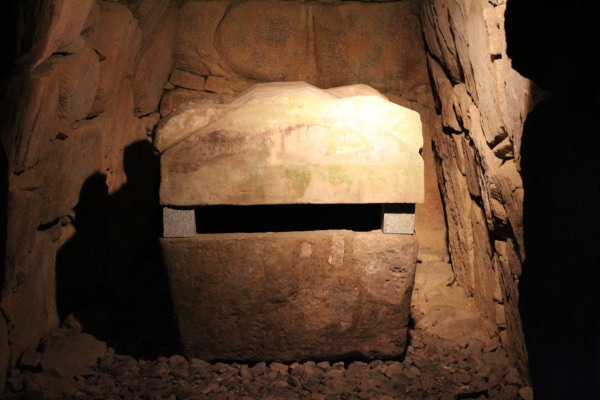
Located within the precincts of Tenman Shrine, which is dedicated to Sugawara no Michizane, this keyhole-shaped kofun is a National Historic Site like the nearby Ichio Mokuyama Kofun. The tomb features a large horizontal stone chamber, and as visitors approach the fenced entrance, lights automatically illuminate the burial chamber where a stone sarcophagus rests. Numerous burial goods, including horse trappings and sword ornaments, have been discovered here, surpassing the artifacts found at the Fujinoki Kofun in Ikaruga Town.From October 1997, the Takatori Town Board of Education and the Nara Prefectural Kashihara Archaeological Institute conducted a three-month excavation. Artifacts indicate that this 44-meter-long keyhole-shaped kofun was likely constructed around the mid-6th century as the tomb of a high-ranking clan leader involved in ancient diplomatic activities. The double-winged horizontal stone chamber measures 11.6 meters in length, with walls and the exterior of the stone sarcophagus coated in red pigment. Traces of chiseling can be seen on the stone sarcophagus, and iron nails used for wooden coffins were found in front of it, suggesting the possibility of a secondary wooden coffin burial.Despite significant tomb looting, a large variety of artifacts were recovered, including a rare gilded bronze bell—only the second of its kind found in Nara Prefecture—alongside other items like bronze earrings, crystal beads for sword handles, and silver fish-shaped ornaments believed to have decorated a crown. The international influences and richness of these artifacts confirm that this kofun belonged to a powerful clan leader. Restoration efforts during the excavation have since repaired the stone chamber and reconstructed the sarcophagus, preserving the kofun's historical significance.●Click here for the official websitehttps://sightseeing2.takatori.info/miyatuka/
Tsuka Myojin Kofun
Historic Sites
Open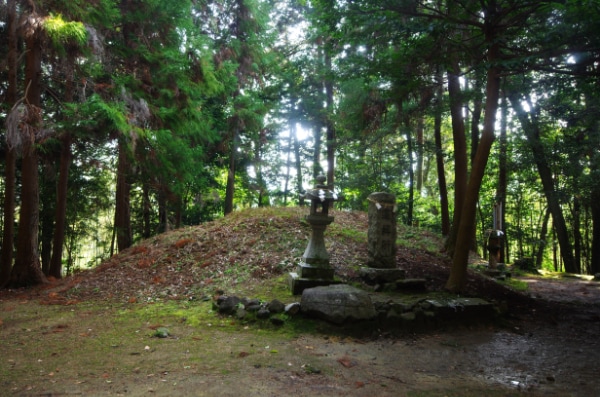
Located in the Kasuga Shrine precincts within the Sada settlement, southeast of Okamiya Tenno Mausoleum (believed to be the burial site of Prince Kusakabe), the Tsuka Myojin Kofun is a large, terminal-period kofun featuring a unique horizontal stone sarcophagus made from cut tuff blocks. Excavations, along with findings from chemical analysis of artifacts and dental remains, suggest that this kofun is likely the true burial site of Prince Kusakabe.In 1984, the Nara Prefectural Kashihara Archaeological Institute and the Takatori Town Board of Education conducted an excavation. The kofun spans an area of about 60 meters, with a central mound that, while currently around 10 meters in diameter, was originally an octagonal mound measuring 30 meters diagonally, making it one of the largest terminal-period mounds, second only to Emperor Tenmu’s 45-meter tomb. The sarcophagus, constructed with 30 cm-thick, 50 cm-wide, and 50 cm-deep tuff stones, is highly detailed, with the stones inclined inward in a house-like formation, a distinctive feature of late kofun structures. A model of this structure is displayed at the Kashihara Archaeological Museum.Artifacts, including Sue ware pottery, and dental remains, believed to belong to a young or middle-aged man, were also discovered. Historical accounts suggest that after its construction in the late 7th century, the mound was fenced and venerated as the resting place of Prince Kusakabe well into the late Edo period. While the current Okamiya Tenno Mausoleum is located at the former site of the Susano-o Shrine main hall, archaeological and historical evidence strongly supports the theory that the Tsuka Myojin Kofun is the actual Okamiya Tenno Mausoleum.●Click here for the official websitehttps://sightseeing2.takatori.info/tukameijin
Emperor Saimei's Mausoleum
Historic Sites
Open
The mausoleum managed by the Imperial Household Agency serves as the joint burial site of Empress Saimei and her daughter, Princess Hashihito. In front of this mausoleum lies the tomb of Empress Saimei’s granddaughter, Princess Ōta. It is also said that Empress Saimei, who had a deep affection for her family, left a will requesting that her young grandson, Prince Take, who died at the age of eight, be buried in her mausoleum. This site is recognized as part of the "Japan Heritage" path, which celebrates the legacies of influential women in ancient Asuka and embodies a strong sense of family love.Empress Saimei holds a unique place in Japanese history as the first monarch to abdicate and then reclaim the throne. Her burial site is described in the *Nihon Shoki* under the entry for February 27, 667 (6th year of Emperor Tenji's reign): "Empress Ame-toyo-takara-ikashi-hitarashi-hime (Empress Saimei) and Princess Hashihito were buried together at Koichioka (now Ochioka) Tomb. On that day, her granddaughter Princess Ōta was buried in a tomb in front of the mausoleum." It is said that Emperor Tenji, known as Prince Naka-no-Ōe, laid his mother Empress Saimei and his sister Princess Hashihito to rest together, with his daughter Princess Ōta nearby. Empress Saimei, who had cherished her grandson Prince Take, left instructions to her ministers to "combine his burial with mine in later times" and even composed an elegy for him.While the Imperial Household Agency has traditionally designated the Kuramaki-Kennō Kofun as Empress Saimei’s tomb, recent excavations conducted by the Asuka Village Board of Education in 2010 suggest that the Kengoshizuka Kofun may be a more accurate site for her mausoleum. This new evidence has renewed interest in the location of her final resting place. ●Click here for the official websitehttps://sightseeing2.takatori.info/saimei/
Emperor Okamiya's Mausoleum
Historic Sites
OpenThe mausoleum where Emperor Kusakabe is thought to have been buried. The poem he wrote to Kakinomoto no Hitomaro shows the love Emperor Motoi had for his son.
500 Rakan Statues
Historic Sites
Open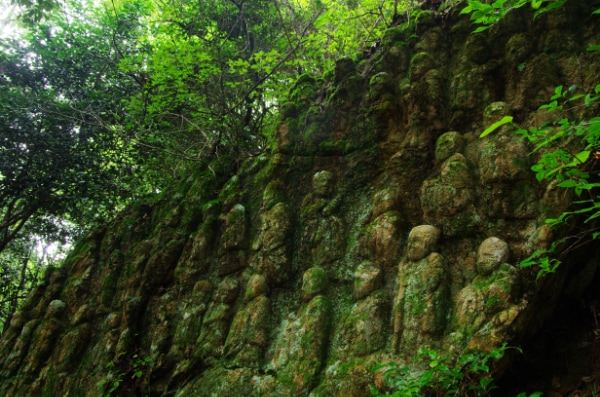
The site features a cliff face intricately carved with 500 disciples who accompanied the Buddha, known as the Gohyaku Rakan. Additionally, mandala reliefs and other carvings harmoniously blend with the surrounding trees, creating a serene environment.●Click here for the official websitehttps://www.tsubosaka1300.or.jp/place19.html
Saruishi (Monkey Stones)
Historic Sites
Open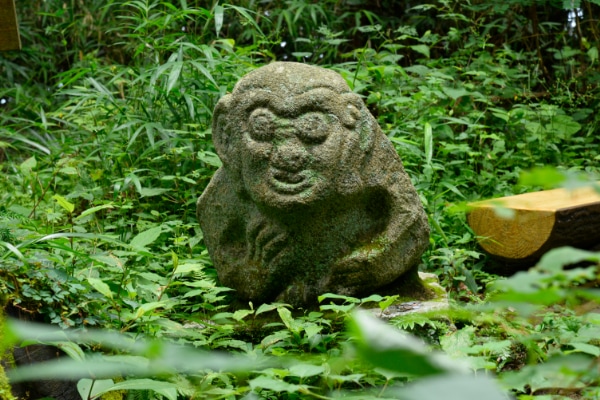
Along the path to the main keep of the castle ruins stands a stone statue, believed to resemble a monkey, known as the Saru-ishi. Some speculate that this stone was originally brought from Asuka to be repurposed for the castle walls, though its origins remain uncertain. This stone is a designated cultural property of Takatori Town.
Kunimi Turret Ruins
Historic Sites
Open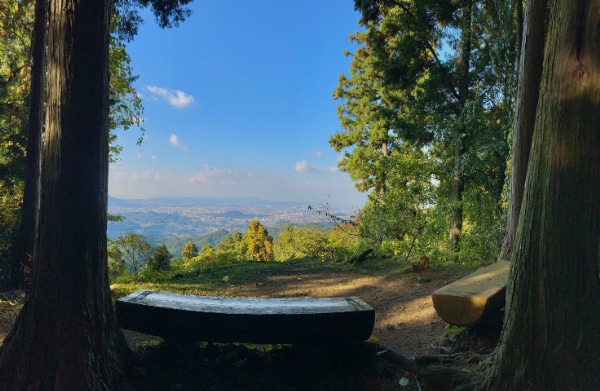
Midway up the trail to the main keep, there is also a scenic viewpoint offering a sweeping view of the Yamato region, making it a highly recommended spot for visitors.
 Restaurant
Machiya Cafe Noconoco
Restaurant
Open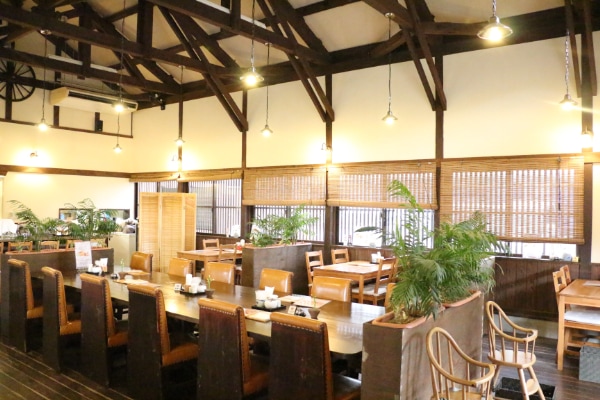
This charming café, located along the Tosa Highway leading to Takatori Castle, is housed in a renovated pre-war rice storehouse. Known for its limited-quantity lunch menu, the café is particularly popular with visitors. It also offers a pet-friendly terrace seating area, making it a welcoming spot for those with pets. ●Phone Number: 0744-52-4771●Opening Hours: 11:00 AM - 4:00 PM (Last Order at 3:30 PM)●Closed on: Thursdays●Click here for Social mediahttps://www.instagram.com/cafe_noco_noco_/
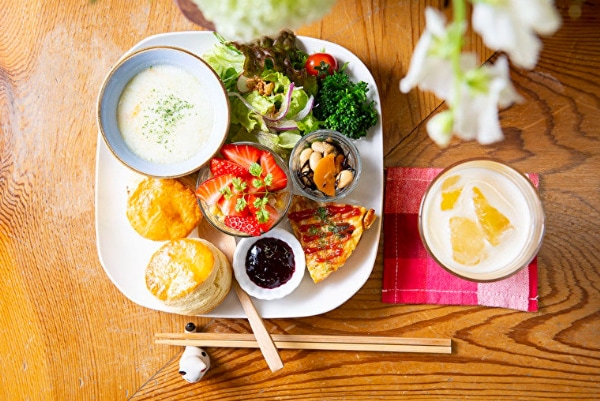
his cozy café, set in a traditional townhouse along the Tosa Highway, specializes in handmade scones, which are the café’s signature item and the inspiration behind its name. Their healthy lunch plates and scones are available by reservation only and are highly popular. In addition, a variety of homemade sweets offer a range of delightful textures. ●Phone Number: 050-3188-1628 (reservations available)●Opening Hours:10:00 AM – Takeout11:30 AM – 2:00 PM (Lunch)2:00 PM – 4:00 PM (Café Time; Last Order at 3:30 PM)●Closed on:1st and 2nd Tuesdays3rd and 4th ThursdaysOther irregular holidays●Click here for Social mediahttps://www.instagram.com/suco_maru/
Yamato Yoshinaga
Restaurant
Open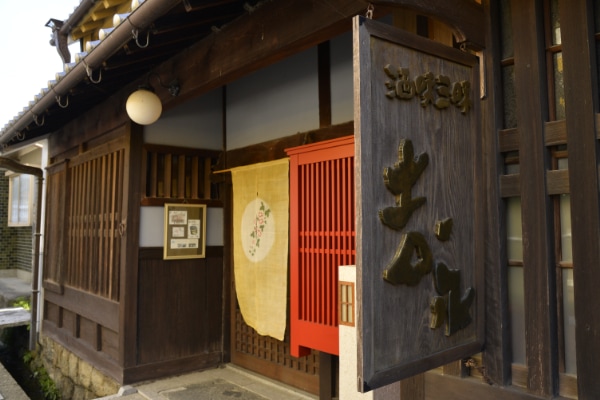
This cozy izakaya, housed in a renovated traditional townhouse along the Tosa Highway, offers a relaxed atmosphere to enjoy Japanese sake and creative dishes. It is one of the few dining spots in town where guests can enjoy both lunch and dinner. ●Phone Number: 0744-52-1008●Opening Hours:Lunch: 11:30 AM – 1:30 PM (Reservation required; no lunch service on Tuesdays)Dinner: 5:00 PM – 10:00 PM (Reservations accepted)●Closed on: Mondays
Dim Sum Cafe Hanamizuka
Restaurant
Open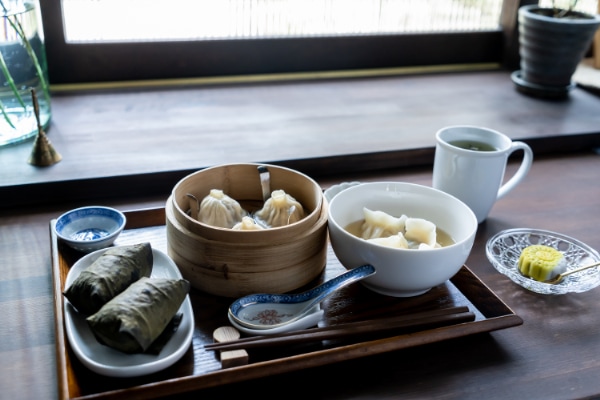
This quaint seasonal café, open from May to October, offers delicious dim sum and Taiwanese tea. All dim sum is handmade from scratch, and the café also features strawberry-based sweets made with strawberries grown by the owner, a local strawberry farmer. ●Phone Number: 0744-47-4247 (reservations required for some dishes)●Opening Hours: 11:00 AM - 4:00 PM (Open only on Saturdays, Sundays, and Mondays from May to September)●Closed on: Tuesdays, Wednesdays, Thursdays, Fridays●Closed Season: From around October to late April (during peak strawberry farming season)●Click here for the official websitehttps://hanamizuka.com/
Soba Kiri Rokkaan
Restaurant
Open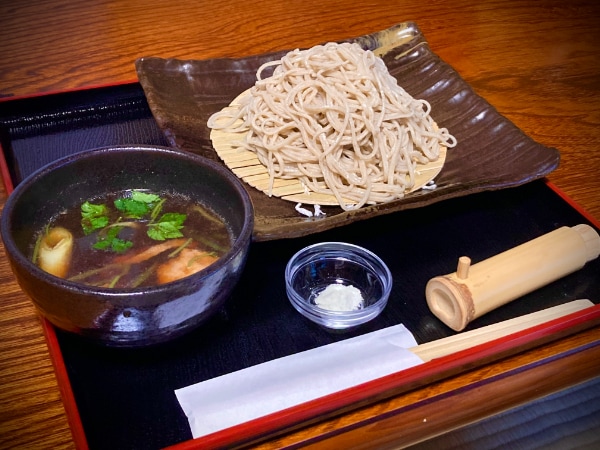
This charming, weekend-only soba restaurant is located in a traditional house along the path from the Tosa Highway up to Tsubosaka Temple. Visitors can enjoy hand-made soba in a rustic setting, with options for hot soba and zaru soba. ●Phone Number: 0744-52-2206●Opening Hours: 11:30 AM - 2:30 PM (Open only on Saturdays and Sundays)●Closed on: Monday to Friday
Nishikawa Udon
Restaurant
OpenThis popular udon restaurant, featured in the Michelin Guide, is located along Route 169 heading towards Ōyodo and Yoshino. Known for its hand-made noodles and delicate, flavorful broth crafted by the owner, it’s a must-visit spot for udon lovers. ●Phone Number: 0744-52-4332●Opening Hours:Lunch: 11:30 AM - 1:30 PMDinner: 6:30 PM - 8:00 PM (Sundays and holidays start at 6:00 PM)Closes early if noodles run out●Closed on: Mondays
Saryo Hana-Yamato
Restaurant
OpenThis restaurant, nestled by a pond along the road from the Tosa Highway leading up to Tsubosaka Temple, offers delightful medicinal cuisine (yakuzen dishes). Guests can enjoy exquisite yakuzen bento boxes in a serene interior while taking in the beautiful scenery. ●Phone Number: 0744-52-2289●Opening Hours:- Mondays, Wednesdays, Thursdays, and Fridays:Lunch: 11:30 AM - 2:30 PMDinner: 5:00 PM - 9:00 PM- Saturdays and Sundays:Open: 11:30 AM - 9:00 PM●Closed on: Tuesdays
Smoked Mackerel Sushi Bansho
Restaurant
Open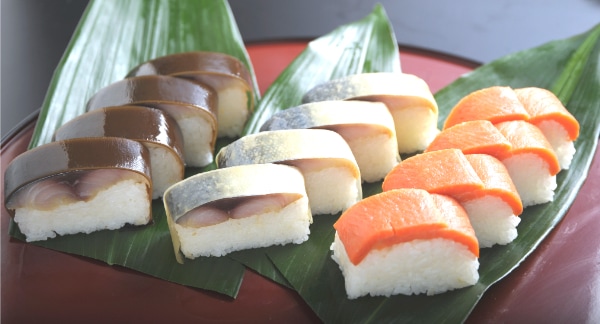
The specialty smoked mackerel sushi, meticulously crafted by the owner, uses Nara-grown Hinohikari rice and premium mackerel sourced from the Gotō Islands, which is smoked over Yoshino cherry wood chips and frozen for aging. This exquisite sushi is available by reservation only, so please be sure to inquire by the day before your visit. ●Phone Numbers: 090-5654-4049 or 0744-52-2288●Business Hours: 10:00 AM - 8:00 PM (Reservation-only sales)●Closed: Irregular holiday●Click here for Social media: FaceBook
Japanese Sweets Cafe Yusuraume
Restaurant
Open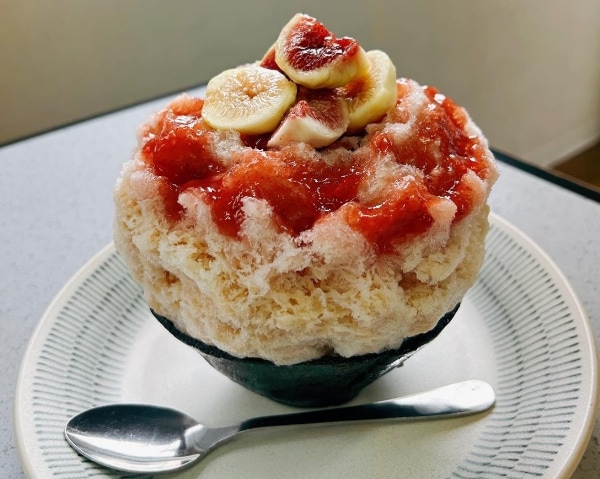
This shaved ice shop offers fluffy, seasonal-flavored shaved ice crafted with special attention by the owner. In addition to shaved ice, the menu includes other seasonal treats, allowing guests to enjoy a variety of flavors throughout the year while taking in the ambiance of the historic surroundings. ●Opening Hours: 12:00 PM - 4:30 PM●Closed on: Tuesdays and Wednesdays●Click here for Social mediahttps://www.instagram.com/yusuraume.7/
Ma Maison No. 8
Restaurant
Open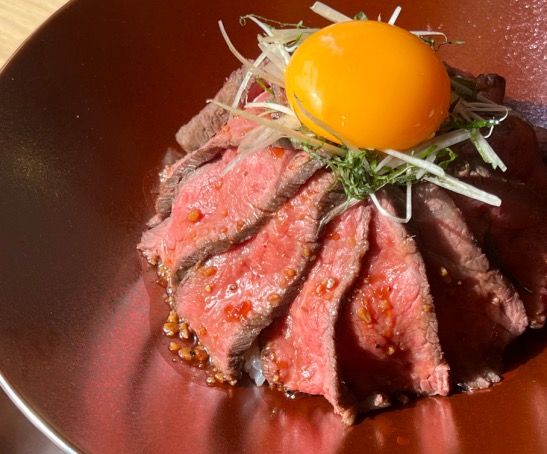
This new shop, part of Takatori Town's "Challenge Shop" initiative, opened in February 2024. The menu features carefully prepared dishes such as roast beef bowls and simmered hamburg steak, along with a selection of specialty desserts. ●Phone Number: 080-9682-7692●Opening Hours: 11:00 AM - 4:00 PM●Closed on: Saturdays●Click here for Social mediahttps://www.instagram.com/ma_maison_no.8
retro café Bikke
Restaurant
Open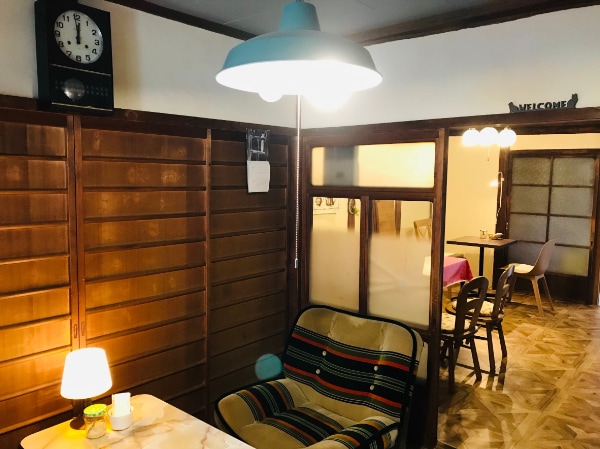
This cozy café, located just steps from the station, operates only on weekends in a renovated traditional house. It offers a selection of cakes and coffee for visitors to enjoy in a relaxed setting. ●Phone Number: 0744-33-9618●Opening Hours: 12:00 PM - 4:00 PM (Open on Fridays, Saturdays, and Sundays)●Closed on: Mondays, Tuesdays, Wednesdays, and Thursdays●Click here for Social media: Instagram
Futaba Shokudo
Restaurant
OpenThis casual eatery, conveniently located within the roundabout just outside Tsubosakasan Station—one of the main gateways to Takatori—offers a wide variety of dishes, from udon and nyumen (warm somen noodles) to katsudon. ●Phone Number: 0744-52-2238●Opening Hours: 10:00 AM - 5:00 PM●Closed on: Wednesdays and Thursdays
 Temples and shrines
Tsubosaka Temple
Temples and shrines
Open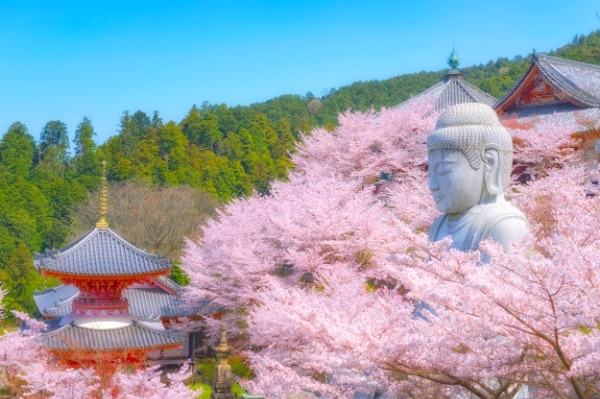
Founded in the year 703 (Daihō 3), Tsubosaka Temple has long been a revered site as the sixth stop on the Saigoku Kannon Pilgrimage. Even praised by the famous Heian-era poet Sei Shonagon for its spiritual efficacy, the temple was a significant location in Japanese history; in 1007, Fujiwara no Michinaga, a powerful statesman, stayed here on his way to Yoshino. The temple is also the setting for the famous bunraku puppet play Tsubosaka Reigenki, which tells the story of the devoted couple Osato and Sawaiichi.Within the temple grounds, visitors can see reliefs and stone statues presented by the Indian government as a gesture of gratitude for the temple’s support of leprosy relief efforts in India. In spring, the "Great Buddha of Cherry Blossoms" — a scenic view created by the cherry trees in full bloom around the temple’s Buddha statue — attracts numerous visitors, making it a popular destination for appreciating both history and seasonal beauty. ●Click here for the official websitehttp://www.tsubosaka1300.or.jp/
Kounji Temple
Temples and shrines
Open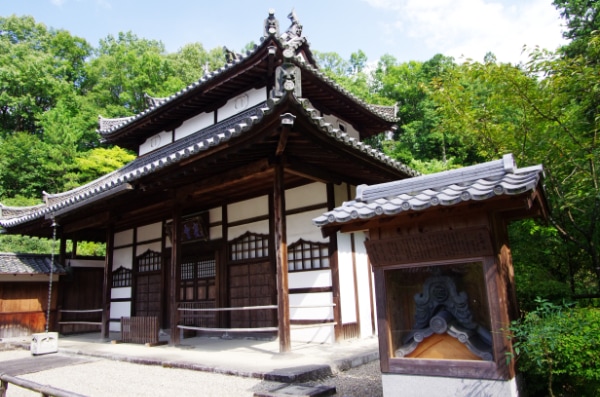
Kounji Temple was originally founded as Kounji in 1346 (Jōwa 2) during the early Nanboku-chō period. Established as the family temple for the Ochi clan, it later prospered after being rebuilt in 1446 (Bun'an 3) during the early Muromachi period. However, the temple declined with the fall of the Ochi clan in the Tenshō era. In 1698 (Genroku 11), it was revived under the name Kounji. The temple's main hall is designated an Important Cultural Property by the prefecture, and in front of the mountain gate stands an ancient cedar tree, nearly 1,000 years old, believed to ward off misfortune. ●Click here for the official websitehttp://www.kouunzenji.jp/index.html
Kojima Temple
Temples and shrines
Open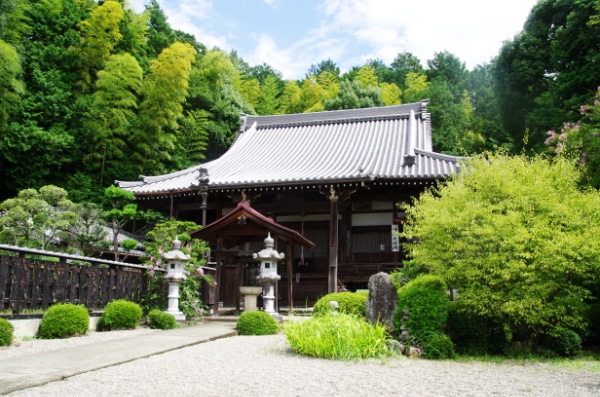
Kojima Temple, a historic temple second only to Tsubosaka Temple in age, is a significant site of worship. Although its exact founding is debated, temple tradition holds that it was established in 752 (Tenpyō Shōhō 4) by Hōon Daideki after healing Empress Kōken and Emperor Kanmu of their illnesses. At its peak, the temple boasted 21 sub-temples and was revered as a prominent Kannon pilgrimage site in Yamato Province. The temple’s main gate, originally the secondary gate of Takatori Castle, is an important historical artifact that connects Kojima Temple to its patronage by the Takatori domain lords, the Honda and Uemura clans. The gate, relocated in 1903 (Meiji 36), is the only remaining structure from Takatori Castle.The temple, part of the Kōyasan Shingon sect with Kongōbu-ji as its head temple, enshrines Dainichi Nyorai as its principal deity. Originally named Kojimayama-dera, it was known as Kangaku-ji in the mid-Heian period and later as Kojimayama Senju-in in the Edo period. It officially became known as Kojima Temple in 1903 after the relocation of Takatori Castle’s gate.Kojima Temple is renowned for its National Treasure, the "Konkaryōchi Kingindei-e Ryōkai Mandara" (Gold and Silver Mud-Painting Mandala on Dark Blue Silk), also called the "Kojima Mandala," one of Japan's three great mandalas, now housed at the Nara National Museum. Additionally, its famous wooden statue of the Eleven-Faced Kannon, a National Important Cultural Property, is held by the Tokyo National Museum. The temple’s association with warrior Tamuramaro Sakanoue, who trained at Kojima Temple under the monk Enchin, also links it to the famous Noh play *Tamura*, which recounts Tamuramaro’s campaigns in the northern provinces and the founding of Kiyomizu Temple, established together with Enchin in Kyoto's Higashiyama region.●Click here for the official websitehttps://sightseeing2.takatori.info/kojimadera/
Koeiji Temple
Temples and shrines
Open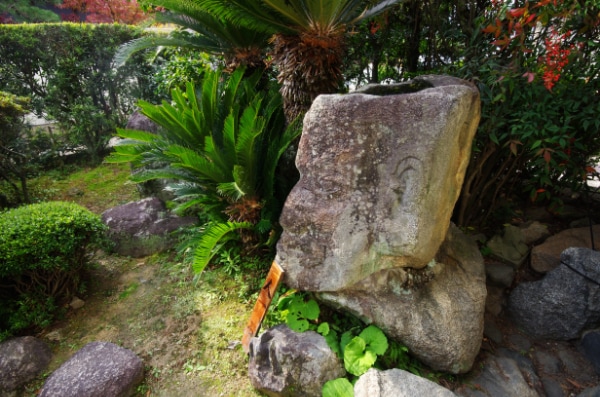
This temple, located along the highway, houses the "Jinto-seki" (Human Head Stone) within its grounds. The stone is believed to have been created as a decorative piece for a place of hospitality, with some suggesting that the face represents a Persian visitor to the Asuka Palace. The stone is positioned inside the gate, so visitors wishing to view it should contact the resident priest in advance. ●Phone Number: 0744-52-2967●Click here for the official website
Hata Mikai Shrine
Temples and shrines
Open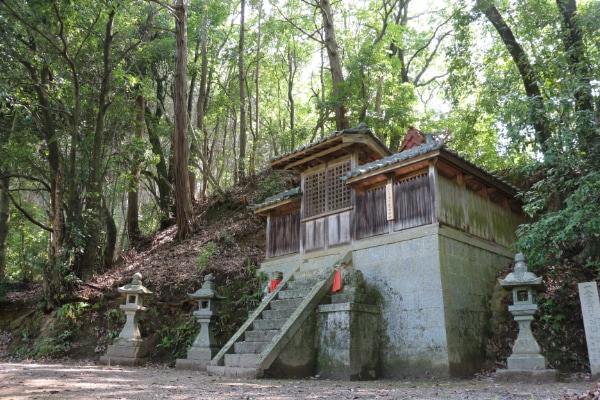
Mikai Shrine, the only historically significant shikinai taisha (designated grand shrine) in Takatori Town, is mentioned in the Engishiki, a Heian period collection of laws and regulations. Historical records, including the Shoku Nihongi, indicate that the shrine existed as early as 770 (Jingo Keiun 4). The shrine derives its name from a natural spring located in the nearby Ido Valley, which provided a reliable source of pure water for the community, earning it the name "Mikai" (meaning "water jar"). Recognized by the Agency for Cultural Affairs, Mikai Shrine is part of Takatori Town's Japan Heritage sites.●Click here for the official websitehttps://sightseeing2.takatori.info/hata/
Jorakuji Temple
Temples and shrines
Open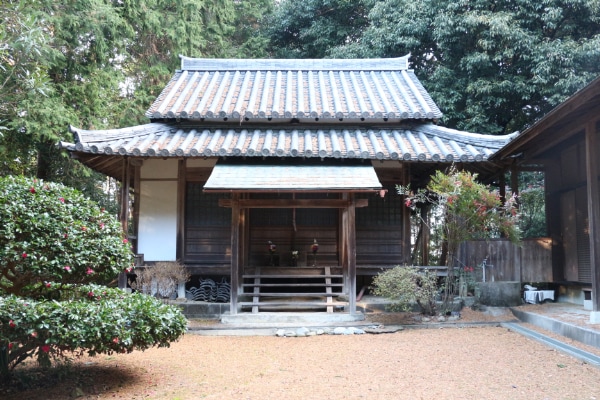
The tale of the "Substitute Jizo," a well-known Nara folktale, is centered around a wooden statue of Jizo enshrined at Jorakuji Temple in the Yata district. Long ago, the village had rice fields cultivated for the temple, divided between two farmers, one responsible for the upper field and the other for the lower field. The lower farmer was pious and diligent, even offering more rice to the temple than his counterpart, despite frequent water shortages in his field.One drought-stricken year, the lower field remained full of water while the upper field dried up. The upper farmer, suspecting his neighbor of stealing water at night, decided to confront the "thief." Waiting in the darkness with a bow, he saw a shadowy figure approach and, without confirming its identity, released an arrow. The next morning, he was shocked to find the lower farmer alive and well. The two visited the temple to atone, only to find the Jizo statue lying on its side, an arrow lodged in its shoulder. From then on, the statue was called the "Substitute Jizo," believed to have taken the arrow meant for the innocent farmer.The wooden statue, still cared for by the community, was revealed through a 2013 survey by the Nara Prefectural Board of Education to be a mid-Heian period creation, making it a rare and valuable artifact.●Click here for the official websitehttps://sightseeing2.takatori.info/jyourakuji
Inkoji Temple
Temples and shrines
Open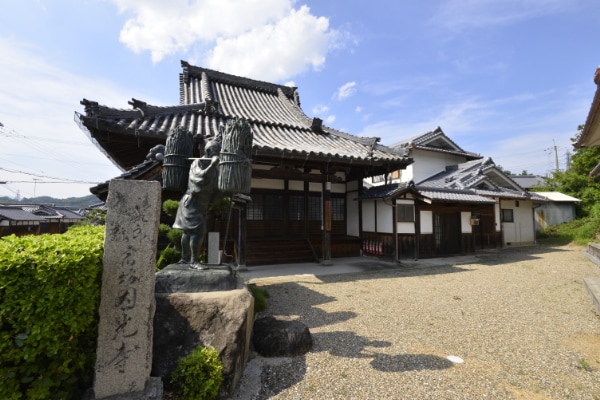
Inkoji Temple, known as the family temple of Seikurō—a devout follower (myōkōnin) of the Jōdo Shinshū sect—stands on the site of his birthplace. Within the temple grounds, a statue of Seikurō and a memorial hall displaying related artifacts are open to the public.
 Streets
Tosa Highway
Streets
Open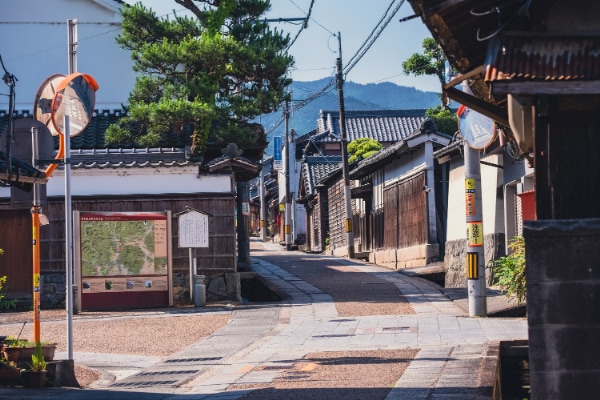
Takatori Town’s main street, once a bustling center for the Takatori Domain (worth 25,000 koku), reflects the prosperity of this former castle town. In its prime, around 500 merchant houses lined the street, and the old-style latticed windows and low eaves of surviving buildings offer a glimpse into its vibrant past. Stone paving on the street, bordered by water channels on both sides, was created using stones from the restoration work following the Great Hanshin-Awaji Earthquake. Visitors can also enjoy spotting tiles depicting medicinal herbs embedded along the path, celebrating Takatori’s historic role as a “town of medicine.”The street’s name, “Tosa Highway,” traces back to the Asuka period. It is believed that people from Tosa (now Kōchi) who were mobilized to help build the Yamato Imperial capital could not return home and settled here. The name "Tosa" became beloved by residents, and in 1889, when neighboring villages merged, the naming of the new town sparked debate, with residents choosing between “Takatori” and “Tosa.”The long, narrow layout of the town is centered around the areas now known as Kamitosa and Shimosata, with Takatori Mountain as a scenic backdrop. After the Uemura clan became lords in 1640 (Kan'ei 7), they moved their residences to the highway, as mountain living proved inconvenient. Most merchant and townhouses here are single-story structures, with the second story limited to an attic-like space called *tsushi*-style to avoid looking down upon the lord. *Mushikago-mado* (insect-cage windows) are a notable feature, and gaps between houses were plastered or boarded over to prevent potential assailants from hiding. The stone-paved street enhances the nostalgic ambiance of the town and incorporates paving stones from the Hanshin Expressway uncovered during the 1995 earthquake restoration. The embedded tiles, depicting nine types of medicinal herbs, recall Takatori’s rich history as a medicinal hub. ●Click here for the official websitehttps://sightseeing2.takatori.info/tosakaidou/
 Park
Park
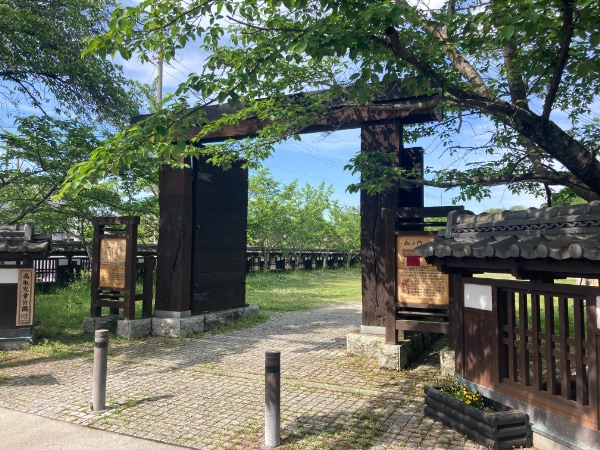
This park, located along the Tosa Highway, was once the site of an old elementary school. Its entrance features the "Matsu-no-Mon" gate, which originally stood at Takatori Castle. Although partially destroyed in a fire in 1944 (Shōwa 19), the gate was later restored using its remaining sections. The park serves as a rest area for visitors strolling along the Tosa Highway or hiking to the Takatori Castle ruins. Every year on November 23rd, the park hosts demonstrations of matchlock gun firing and traditional Japanese sword fighting, making it a lively cultural spot in the historic town.
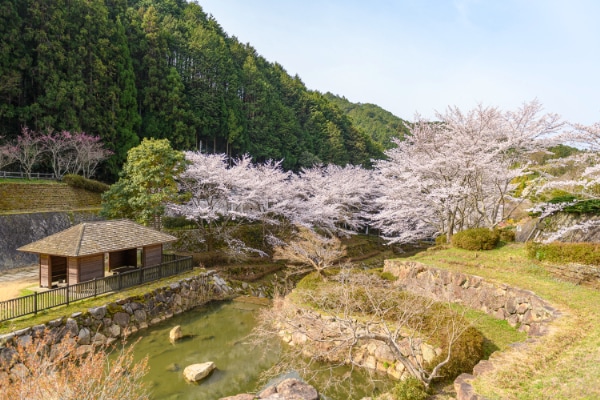
Located upstream along the Takatori River, near the entrance to Takatori Castle, this spot serves as the first rest point for hikers heading up to the castle, especially during hiking season. The cherry trees on the grounds bloom beautifully each year, adding a hidden charm to the park as they fill the area with vibrant spring colors, making it a scenic, lesser-known destination for visitors. ●Click here for the official websitehttps://sightseeing2.takatori.info/saboukouen/
 Facilities
Medicine Museum
Facilities
Open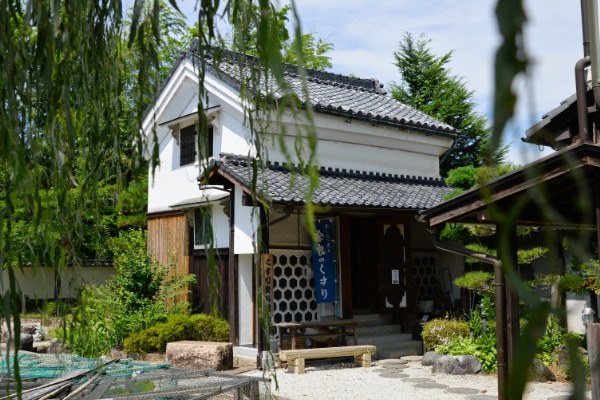
This facility, located behind the tourist information center and set within a renovated section of a traditional warehouse, exhibits a collection dedicated to the history of pharmaceutical sales and production. The displays include ancient tools used for medicine production, along with vintage medicine packaging and signage, offering visitors a nostalgic glimpse into the past of traditional medicine. ●Click here for the official websitehttps://sightseeing2.takatori.info/kusuri/
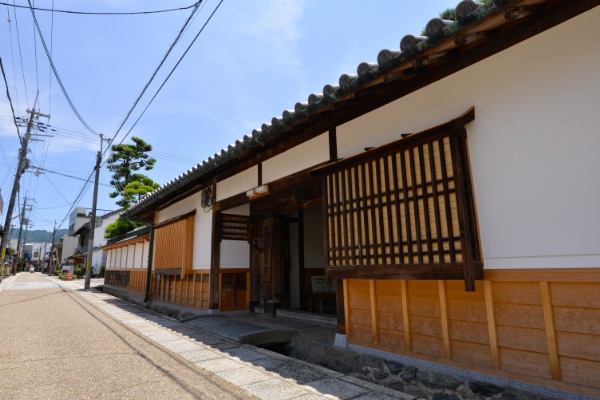
Ishikawa Clinic has a history dating back over 250 years to the Kyōhō era of the Edo period, where it served as the official physician to the Takatori Domain. The clinic building includes the impressive front gate of the Takatori Domain Lord’s secondary residence, which was relocated to this site. Today, it functions as a dermatology clinic, attracting numerous patients from outside the town as well. This combination of historical architecture and medical service makes it a unique and enduring part of the community. ●Click here for the official websitehttps://ishikawaiin.jp
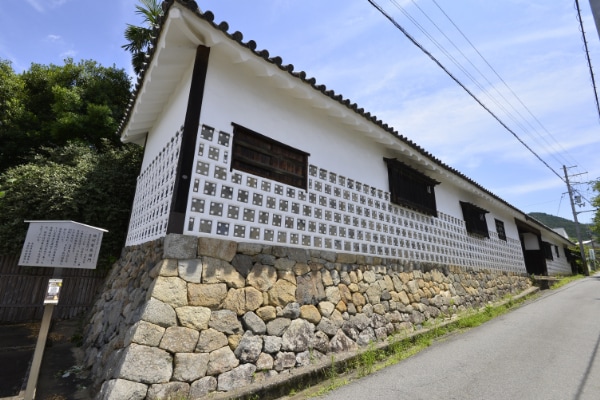
The Uemura Family Nagayamon (longhouse gate) is an example of a traditional gate structure found in high-ranking samurai residences. Built in 1826 (Bunsei 9), this gate served as the entrance to the residence of the Takatori Domain’s chief retainer. With an impressive 40-meter frontage, a single-layered irimoya tiled roof, and distinctive namako (sea cucumber) plaster walls, it exudes a sense of historical gravitas and is designated as an Important Cultural Property of Nara Prefecture. Although part of the residence is still occupied by descendants of the former Takatori lords, the gate is available for external viewing only. ●Click here for the official websitehttps://sightseeing2.takatori.info/uemurake/
 Inn
Inn
This guesthouse, the only one in town, is set in a renovated traditional house. It offers not only lodging but also a rental space and various hands-on experiences for guests. ●Phone Number: 090-6967-7718●Click here for the official websitehttps://ghume1111.com/
 Shop
Shop
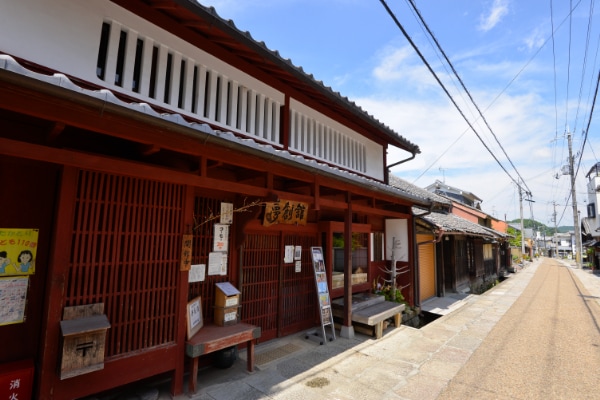
The Takatori Town Tourist Information Center "Yumesokan" serves as a hub for exploring the historic castle town. Opened in 2002, this center was renovated from the former Yamazaki residence, which flourished as a kimono shop during the Taisho era. It provides tourist information about Takatori Town and sells local souvenirs. Visitors can also find the 100 Famous Castles Stamp and Castle Card here. Located along the Tosa Highway, Yumesokan is a popular resting spot for travelers heading to or from the Takatori Castle ruins or exploring the town's historic streetscape. ●Click here for the official websitehttps://sightseeing2.takatori.info/musoukan/
 Routes
Kiji (Old Path)
Routes
OpenAdditionally, this area once connected to the ancient route leading to the Kii Province (now Wakayama and Mie Prefectures). Along this route, historical sites such as kofun (ancient burial mounds), temples, and tile kilns have been discovered, highlighting its significance as an ancient thoroughfare. ●Click here for the official websitehttps://asuka-japan-heritage.jp/jitou/spot/Kiji(Old Path)/