
丹波篠山城之絵図 [正保城絵図] (1644年頃)
![丹波篠山城之絵図 [正保城絵図] (1644年頃)](https://stroly.com/media/thumbnails/1533523686_512.jpg)
正保城絵図は、正保元年(1644年)に幕府が諸藩に命じて作成させた城下町の地図です。城郭内の建造物、石垣の高さ、堀の幅や水深などの軍事情報などが精密に描かれているほか、城下の町割・山川の位置・形が詳細に載されています。各藩は幕府の命を受けてから数年で絵図を提出し、幕府はこれを早くから紅葉山文庫に収蔵しました。幕末の同文庫の蔵書目録『増補御書籍目録』には131鋪の所蔵が記録されていますが、現在、当館では63鋪の正保城絵図を所蔵しています。昭和61年(1986)国の重要文化財に指定されました。 原図サイズ:東西271cm×南北243cm
 Posted bysasayamashi更新日:
 すべてのスポット情報
47件のスポット
 街道
街道
 開く
開く
日本語 English 西京街道は「京街道」、「篠山街道」、「山陰街道」などとも呼ばれる旧街道である。多紀郡内(現在の篠山市にあたる)の西京街道は、篠山城を起点として東に延びており、天引峠を越えて京都へ向かっている。正保元年(1614)に作成された『正保城絵図』では「京街道」と記されており赤い線で表現されている。 所在地:篠山 Saikyo Road is an old road that is also called "Kyo Road," "Sasayama Road," "San'in Road," etc. The Saikyo Road in Taki County (which is where Sasayama City is now) stretches east with Sasayama Castle as the sarting point and heads toward Kyoto over the Amabiki Mountain Pass. In the "Shoho Castle Illustrations" created in the first year of the Shoho era (1614), it is mentioned as "Kyo Road" and expressed with a red line. Location:Sasayama
 地名・祭礼
地名・祭礼

日本語 English 青山神社祭礼は年1回4月第1土日に催される例祭で、篠山藩主であった青山氏を祀るために開催されている。黒岡の春日神社へ御輿とともに鎧と薙刀などを身に着けた小学生たちが太鼓とほら貝の合図で町内を練り歩く。 所在地:北新町1-1 青山神社祭礼の様子:https://videotube.sasayama.jp/dtl.php?VID=697 (リンク先:篠山市視聴覚ライブラリー) The Aoyama Shrine Festival is an annual festival held once a year on the first weekend of April, and it is held to celebrate the Aoyama Clan that ruled over the Sasayama Domain. Elementary schoolchildren wearing armor, naginata, etc., parade through the town towards Kasuga Shine in Kurooka to the signals of drums and conches alongside a mikoshi palanquin. Location:Kitashinmachi 1-1 The state of the Aoyama Shrine Festival:https://videotube.sasayama.jp/dtl.php?VID=697 (Link: Sasayama City Audio-Visual Library)
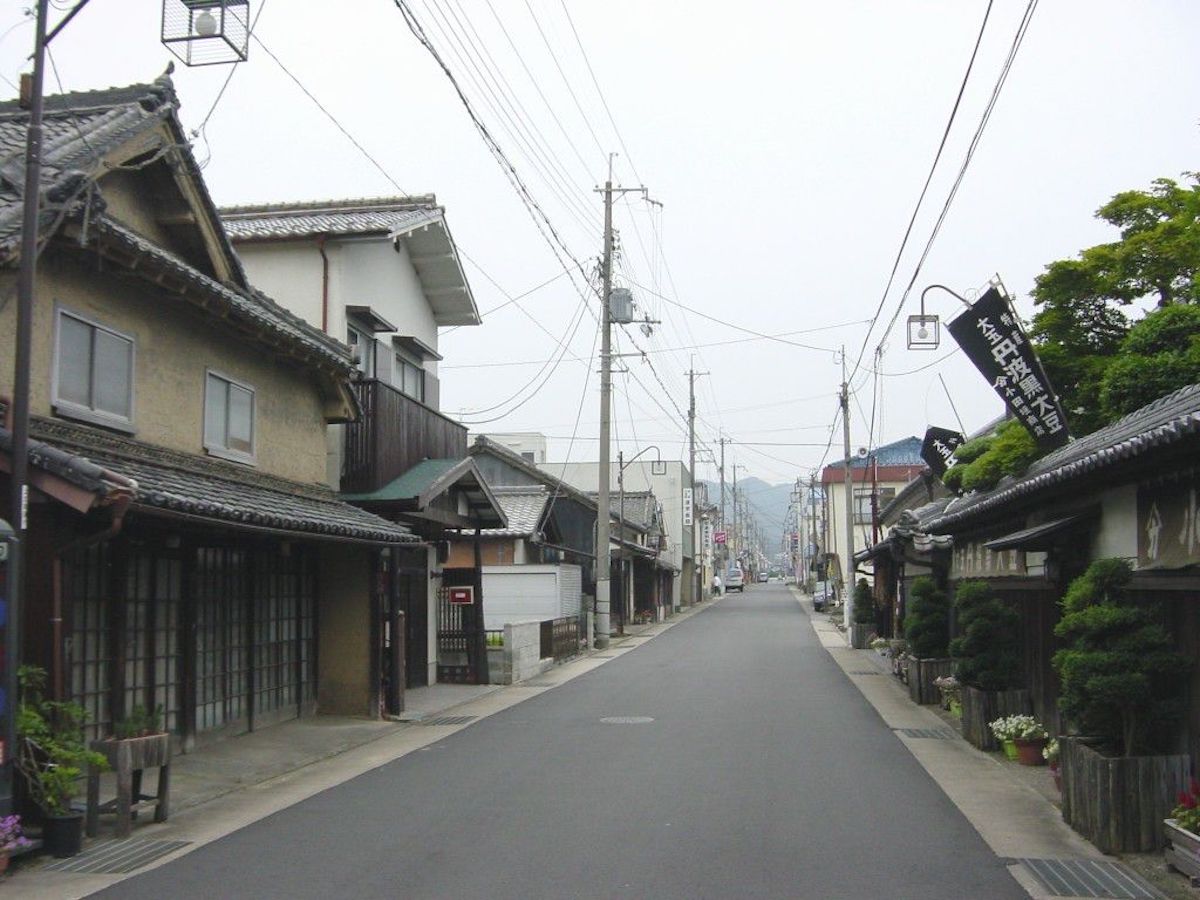
日本語 English 立町の町名は、城の正面と川筋に対して縦筋の町であることを意味し、八上城下にあった町名を移したことに由来するとされている。江戸時代には南北にのびる街道沿いに多くの商家が立ち並んでいた。国登録有形文化財である小田垣商店など、現在もいくつかの商家が残っている。〇上立町の鉾山「孔雀山」 「孔雀山」は春日神社の祭礼に曳き出される鉾山であり、延宝5年(1677)に建造され、明治8年(1875)に再調された。 孔雀山の見送り(鉾山の後方を飾る懸装品)は江戸時代後期に京都西陣で調製されたものであり、最高級の綴れ織りで中央に雌雄の孔雀を配し、その背景に描かれた牡丹と岩の構図が見事である。仏教では孔雀は邪気をはらうものと伝えられている(市指定文化財)。 所在地:立町 The name of the town, Tatsumachi (which can mean "standing town"), has the meaning of the town standing vertically towards the front of the castle and the course of the river, and is said to originate from transferring the town name of a castle town of Yakami Castle. In the Edo period, many merchant houses were lined up along the highway that stretches from north to south. Even in present day, some merchant houses still remain, such as the Odagaki Store, which is a national registered tangible cultural property. 〇The "Peacock Float," the hokoyama float of Kamitatsumachi The "Peacock Float" is a hokoyama float that is pulled in the festival of Kasuga Shrine, and it was built in the 5th year of the Enpo era (1677) and readjusted in the 8th year of the Meiji period (1875). The miokuri (or send-off) of the Peacock Float (the kesohin tapestry decorating the rear of the hokoyama float) was adjusted at Nishijin, Kyoto in the late Edo period, and male and female peacock are arranged with the highest quality of hand-weaving in the center, and the composition of the peonies and rocks in the background are marvelous. In Buddhism, it is said that peacocks drive away bad luck (city-designated cultural property) Location:Tatsumachi
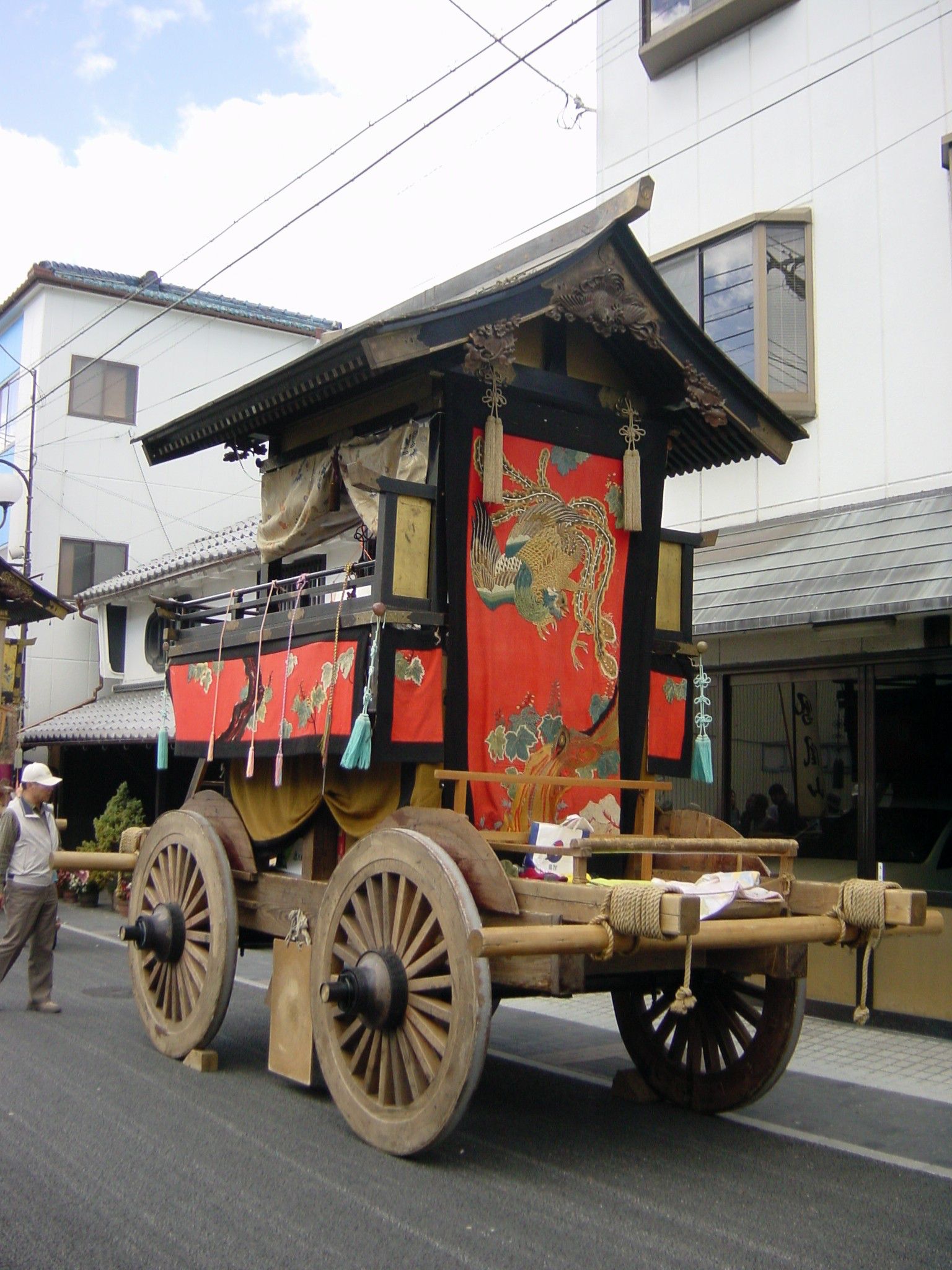
日本語 English 小川町は元は河原町と同じく篠山川沿いにあり、慶長14年(1609)の篠山城築城に際して篠山川を埋立てた後に現在の位置に移ったとされる。現在でも旧商家の町並みが残されており、平成16年(2004)に小川町を含む篠山城下町地区が国の重要伝統的建造物群保存地区に選定された。〇下河原町・小川町の鉾山「鳳凰山」「鳳凰山」は春日神社の祭礼に曳き出される鉾山で、建造された年代は不明であるものの、天保3年(1832)に再調された記録が残っている。その名の通り見送り(鉾山の後方を飾る懸装品)には霊鳥である鳳凰が描かれている。鳳凰は天下泰平の象徴とされている。 所在地:小川町 Ogawamachi was originally alongside the Sasayama River like Kawaramachi, and it is said that it moved to the present location after Sasayama River was filled in when constructing Sasayama Castle in the 14th year of the Keicho era (1609). The townscape of the old merchant houses are left well even in present day, and in the 16th year of the Heisei period (2004), the Sasayama castle town area that included Ogawamachi was selected as an Important Preservation District for Groups of Historic Buildings of the country. 〇The "Chinese Phoenix Float," the Hokoyama Float of Shimokawaramachi and Ogawamachi The "Chinese Phoenix Float" is a hokoyama float pulled in the festival of Kasuga Shrine, and the year it was built is unknown, but records of it being readjusted in the third year of the Tenpo era (1832) remain. As its name suggests, the sacred bird, the Chinese phoenix, is depicted on the miokuri (the kesohin tapestry decorating the rear of the hokoyama festival float). The Chinese phoenix is stated to be the symbol of Tenka Taihei, which means peace in the world. Location:Ogawamachi
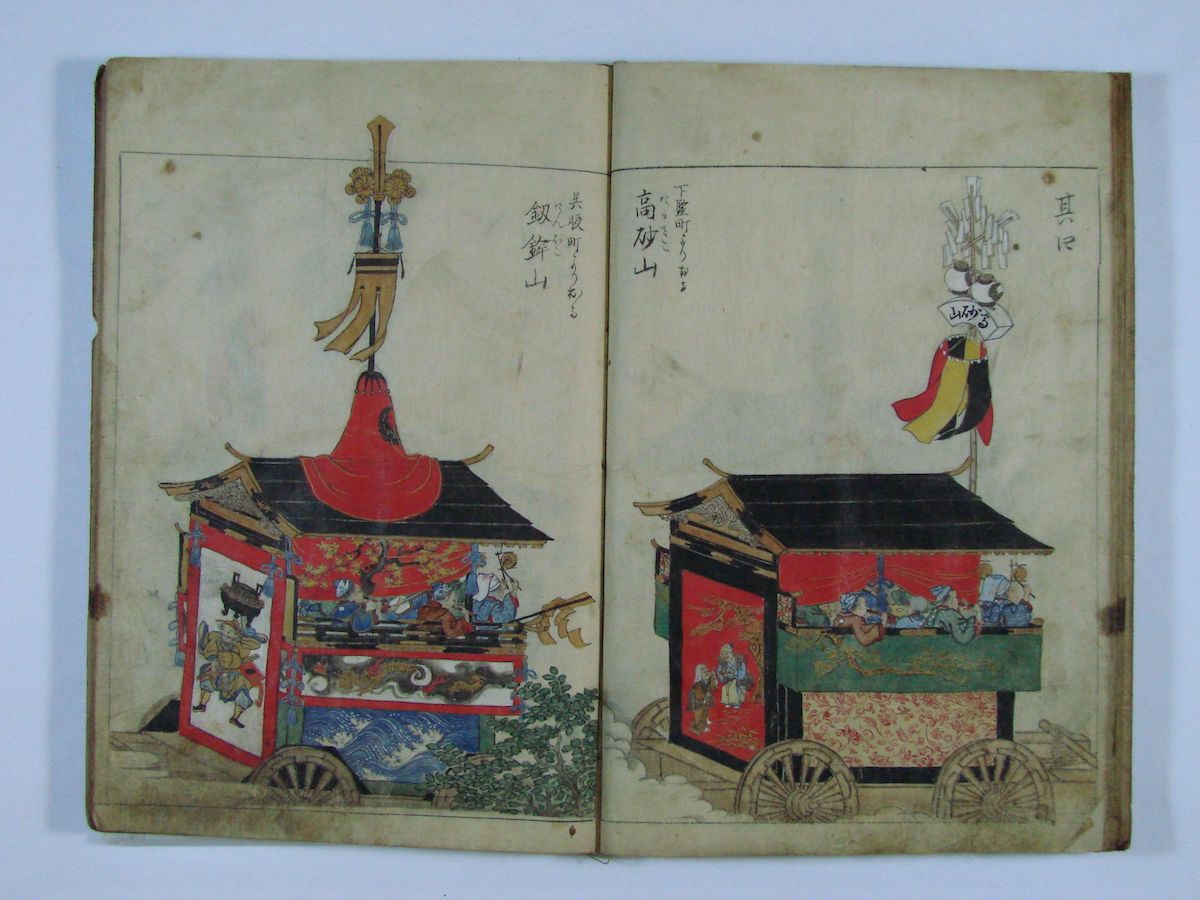
日本語 English 呉服町は慶長15年(1610)に城下町の町並みとして地割された。商家の町並みとして栄えた地区であり、現在でも鳳鳴酒造(国登録有形文化財)や歴史美術館(旧篠山地方裁判所、市指定文化財)など地域の歴史文化の中心となる建物が並ぶ。〇呉服町の鉾山「剣鉾山」 春日神社の祭礼に曳き出される鉾山で、元禄3年(1690)寄進され、昭和9年(1934)に再調された。 剣鉾は武の象徴であり、疾病邪悪を払うものとされている。見送り(鉾山の後方を飾る懸装品)に描かれているのは中国の武将である「項羽」であるとされており、鼎(3本脚の器)を掲げている様子が描かれている。 所在地:呉服町 Gofukumachi was allotted as a townscape of the castle town in the 15th year of the Keicho era (1610). It was an area that propsered as a townscape of merchant houses, and even in present day, buildings that are the center of the local history and culture such as Houmei Sake Brewery (national registered tangible cultural property) and the history and art museum (the old Sasayama District Court, city-designated cultural property) are lined up. 〇The "Kenboko Pike Float," the Hokoyama Float of Gofukumachi The "Kenboko Pike Float" is a hokoyama float that is pulled in the festival of Kasuga Shrine, and it was donated in the third year of the Genroku era (1690) and readjusted in the ninth year of the Showa period (1934). The kenboko pike is a symbol of military arts, and is said to drive away disease and evil. "Xiang Yu," a military commander of China, is stated to be depicted on the miokuri (the kesohin tapestry decorating the rear of the hokoyama float), and the scene of him raising a Ding (a three-legged vessel) is depicted. Location:Gofukumachi
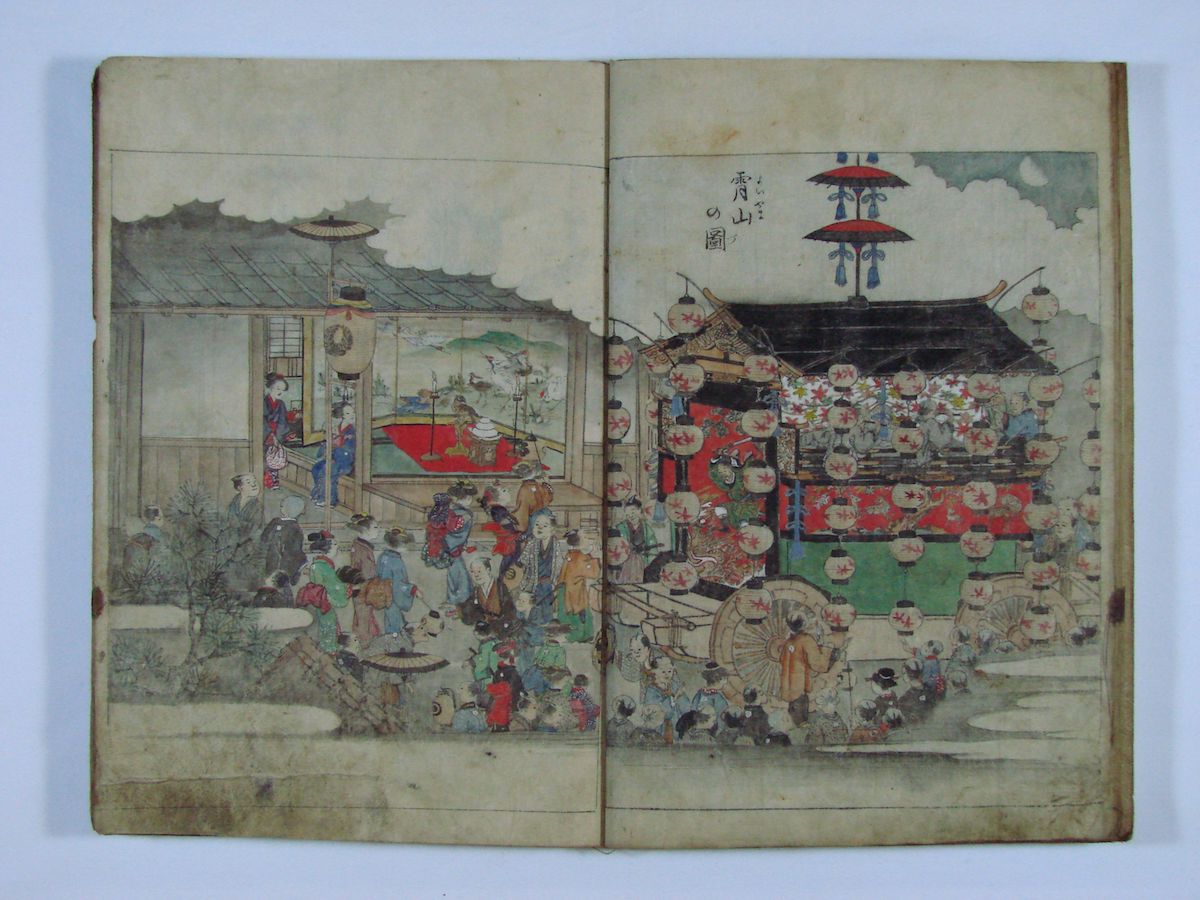
日本語 English 春日神社祭礼は毎年10月に開催される。現在のように各集落から鉾山が曳き出される祭礼の形は寛文3年(1663)からとされ、この形式は京都の祇園祭の影響を受けていると考えられている。こうした祭礼の形は当時の発展した都市の象徴といえるものであった。各町の鉾山が城下町を練り歩く姿は秋の篠山の風物詩となっている(市指定無形民俗文化財)。 所在地:篠山城下町 祭礼の様子:https://videotube.sasayama.jp/dtl.php?VID=1037 (リンク先:篠山市視聴覚ライブラリー) The Kasuga Shrine Festival is held every year in October. The form of the festival in which hokoyama floats from each village are pulled like in present day is said to have come from the third year of the Kanbun era (1663), and this form is thought to have been influenced by the Gion Festival in Kyoto. This kind of form of festival could be said to have been a symbol of developed cities at the time. The sight of Hokoyama (wheeled shrines that are pushed or pulled), festival floats of each town parading the castle town has become a reminder of the fall season in Sasayama (city-designated intangible folk-cultural property). Location:Sasayama Castle Town The State of the Festival:https://videotube.sasayama.jp/dtl.php?VID=1037 (Link: Sasayama City Audio-Visual Library)
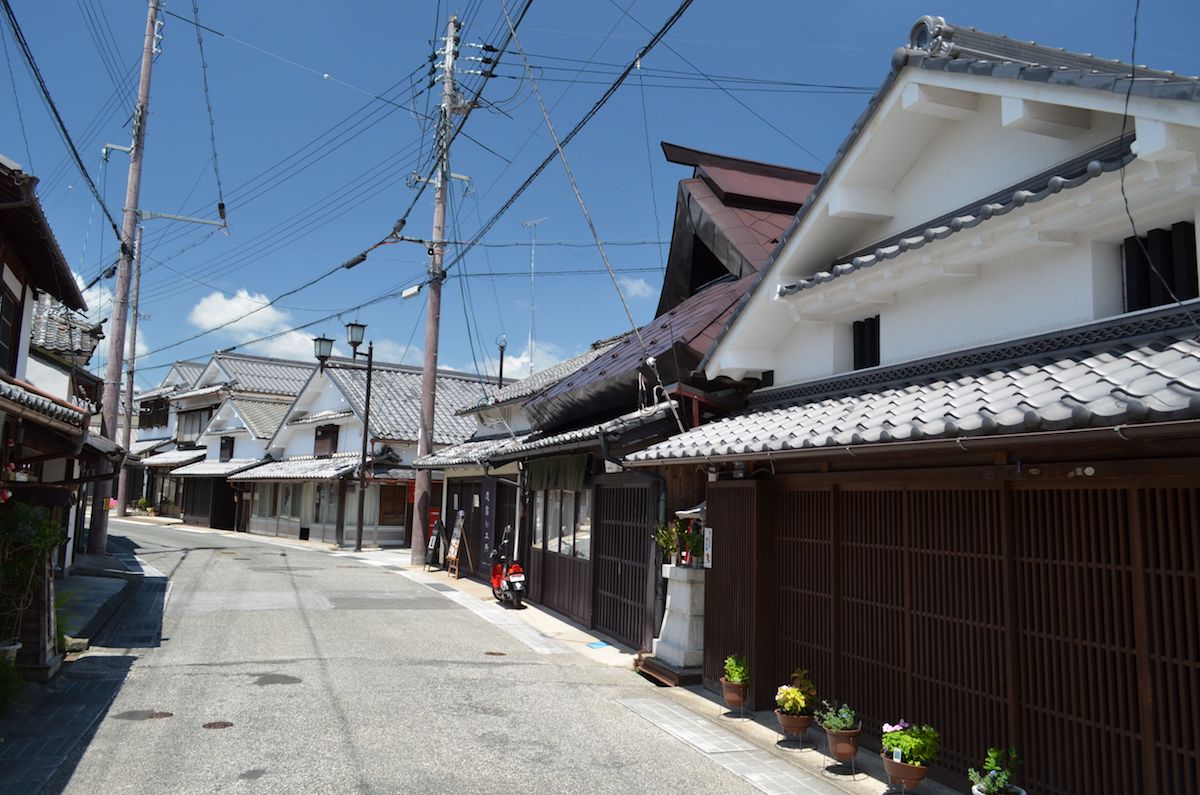
日本語 English 河原町の町名は慶長14年(1609)の篠山城築城の時に、篠山川の河原に建設されたことに由来するとされている。江戸末期から明治中期までは商業の中心地であり、銀行をはじめ各種の店が数多く立ち並んだ。現在でも旧商家の町並みがよく残されており、平成16年(2004)に河原町を含む篠山城下町地区が国の重要伝統的建造物群保存地区に選定された。〇上河原町の鉾山「三笠山」「三笠山」は春日神社の祭礼に曳き出される鉾山で、9基の鉾山の中で最も古く寛文3年(1663)に建造されたと伝えられる。三笠の名は、奈良県の春日大社がある三笠山になぞらえたものである。見送り(鉾山の後方を飾る懸装品)は日本神話の神である素戔嗚尊(スサノオノミコト)が伝説の怪物である八岐大蛇(ヤマタノオロチ)を退治している様子を描いている。 所在地:河原町 The name of the town, Kawaramachi (which can mean "dry riverbed town), originates from it being built on the dry riverbed of the Sasayama River in the 14th year of the Keicho era (1609) when constructing Sasayama Castle. It was the center of commerce from the end of the Edo period to the middle of the Meiji period, and many stores of various types including banks were lined up alongside each other. The townscape of the old merchant houses are left well even in present day, and in the 16th year of the Heisei period (2004), the Sasayama castle town area that included Kawaramachi was selected as an Important Preservation District for Groups of Historic Buildings of the country. 〇The "Mikasayama Float," the Hokoyama Float of Kamikawaramachi The "Mikasayama Float is a hokoyama float that is pulled in the festival of Kasuga Shrine and it is said to be the oldest among the nine hokoyama floats, being built in the third year of the Kanbun era (1663). The name, Mikasa, is likening it to Nara Prefecture's Mount Mikasa, where Kasuga Grand Shrine is located. The miokuri (the kesohin tapestry decorating the rear of the hokoyama float) depicts the scene of Susanoo-no-Mikoto, a deity of Japanese myth, slaying the legendary beast, Yamata no Orochi. Location:Kawaramachi
日本語 English 立町の町名は、城の正面と川筋に対して縦筋の町であることを意味し、八上城下にあった町名を移したことに由来するとされている。江戸時代には南北にのびる街道沿いに商家が立ち並んでいた。篠山城の鬼門となる北東に鬼門除けとした配された尊宝寺と来迎寺が町並みを特徴づけている。〇下立町の鉾山「高砂山」 「高砂山」は春日神社の祭礼に曳き出される鉾山で、延宝5年(1677)に建造され、明治8年(1875)再調された。 見送り(鉾山の後方を飾る懸装品)の「高砂」は能の作品の一つで、相生の松によせて夫婦愛と長寿を祝うめでたいものの象徴である。高砂山の見送り(鉾山の後方を飾る懸装品)にも、松の前に翁(おきな)と媼(おうな)の姿が描かれており、人の世を祝うめでたい図柄となっている。 所在地:立町 The name of the town, Tatsumachi (which can mean "standing town"), has the meaning of the town standing vertically towards the front of the castle and the course of the river, and is said to originate from transferring the town name of a castle town of Yakami Castle. In the Edo period, many merchant houses were lined up along the highway that stretches from north to south. Sompo-ji Temple and Raigo-ji Temple, which were arranged at the northeast, which is an unlucky direction, of Sasayama Castle to keep away the bad luck, characterizing the townscape. 〇The "Takasagoyama Float," the Hokoyama Float of Shimotatsumachi The "Takasago Float" is a hokoyama float that is pulled in the festival of Kasuga Shrine, and it was built in the fifth year of the Enpo era (1677) and was readjusted in the eighth year of the Meiji period (1875). The "Takasago" of the miokuri (the kesohin tapestry decorating the rear of the hokoyama festival float) is a Noh play piece and is a symbol of good luck that celebrates the love between husband and wife and long life near 'Aioino matsu,' twin pines. On the miokuri (the kesohin tapestry decorating the rear of the hokoyama festival float) of the Takasagoyama Float as well, the figures of Okina (old man) and Ouna (old woman) in front of pines are depicted, and it is made a pattern of good luck that celebrates the world of people. Location:Tatsumachi
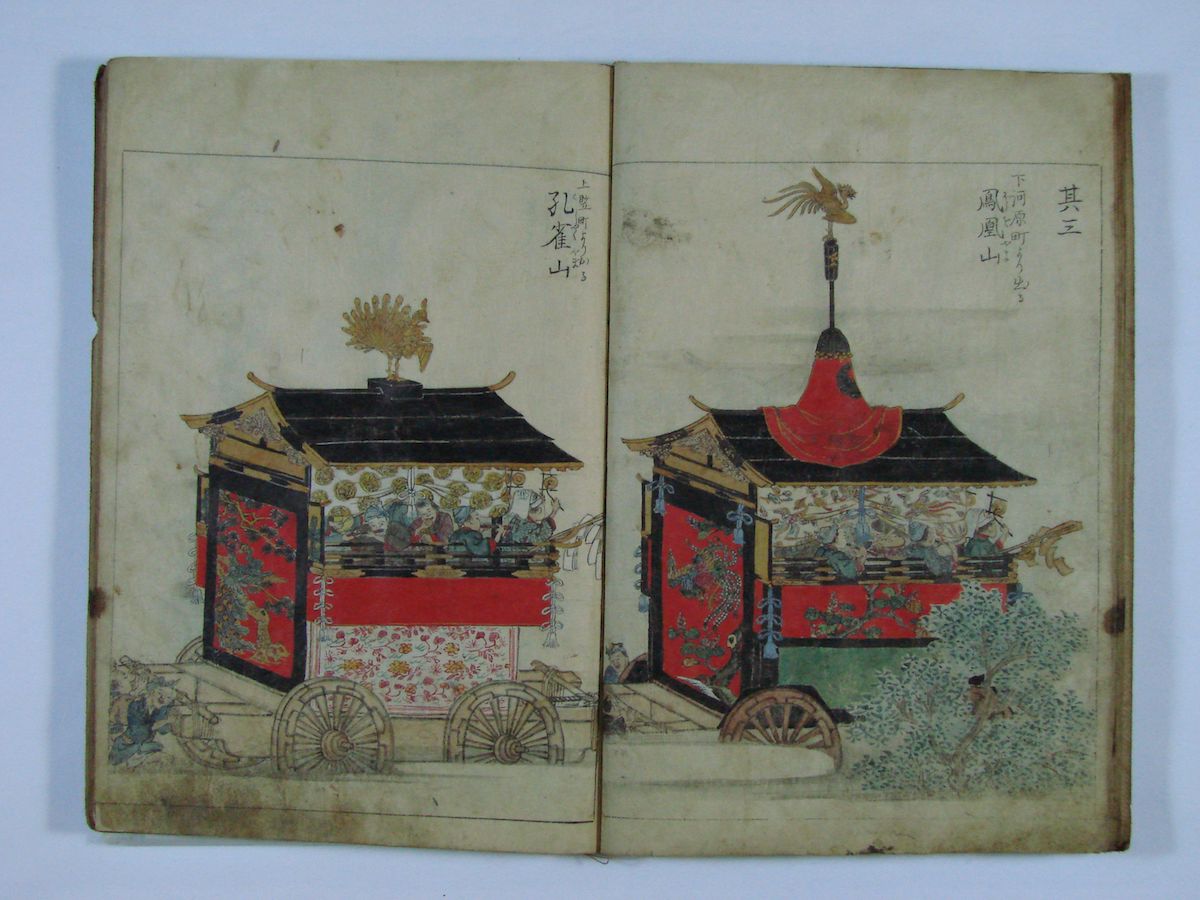
日本語 English 河原町の町名は慶長14年(1609)の篠山城築城の際に、篠山川の河原に建設されたことに由来する。江戸末期から明治中期までは商業の中心地であり、銀行をはじめ各種の店が多く並んだ。奥行の長い家が多く見られるが、川端家住宅や西坂家住宅のような間口の広い大規模な商家も存在する。現在でも旧商家の町並みがよく残されており、平成16年(2004)に河原町を含む篠山城下町地区が国の重要伝統的建造物群保存地区に選定された。〇下河原町・小川町の鉾山「鳳凰山」 「鳳凰山」は春日神社の祭礼に曳き出される鉾山で、建造された年代は不明だが、天保3年(1832)に再調された記録が残っている。 その名の通り見送り(鉾山の後方を飾る懸装品)には霊鳥である鳳凰が描かれている。鳳凰は天下泰平の象徴とされている。 所在地:河原町 The name of the town, Kawaramachi (which can mean "dry riverbed town"), originates from it being built on the dry riverbed of the Sasayama River in the 14th year of the Keicho era (1609) when constructing Sasayama Castle. It was the center of commerce from the end of the Edo period to the middle of the Meiji period, and many stores of various types including banks were lined up alongside each other. Many houses with a long depth can be seen, but there are also large-scale merchant houses with wide fronts like the Kawabata family house and the Nishizaka family house. The townscape of the old merchant houses are left well even in present day, and in the 16th year of the Heisei period (2004), the Sasayama castle town area that included Kawaramachi was selected as an Important Preservation District for Groups of Historic Buildings of the country. 〇The "Mount Hōō Float," the hokoyama float of Shimokawaramachi and Ogawamachi The "Mount Hōō Float" is a hokoyama float pulled in the festival of Kasuga Shrine, and the year it was built is unknown, but records of it being readjusted in the third year of the Tenpo era (1832) remain. As its name suggests, the sacred bird, the Chinese phoenix, is depicted on the miokuri (on the kesohin tapestry decorating the rear of the hokoyama float). The Chinese phoenix is stated to be the symbol of Tenka Taihei, which means peace in the world. Location:Kawaramachi
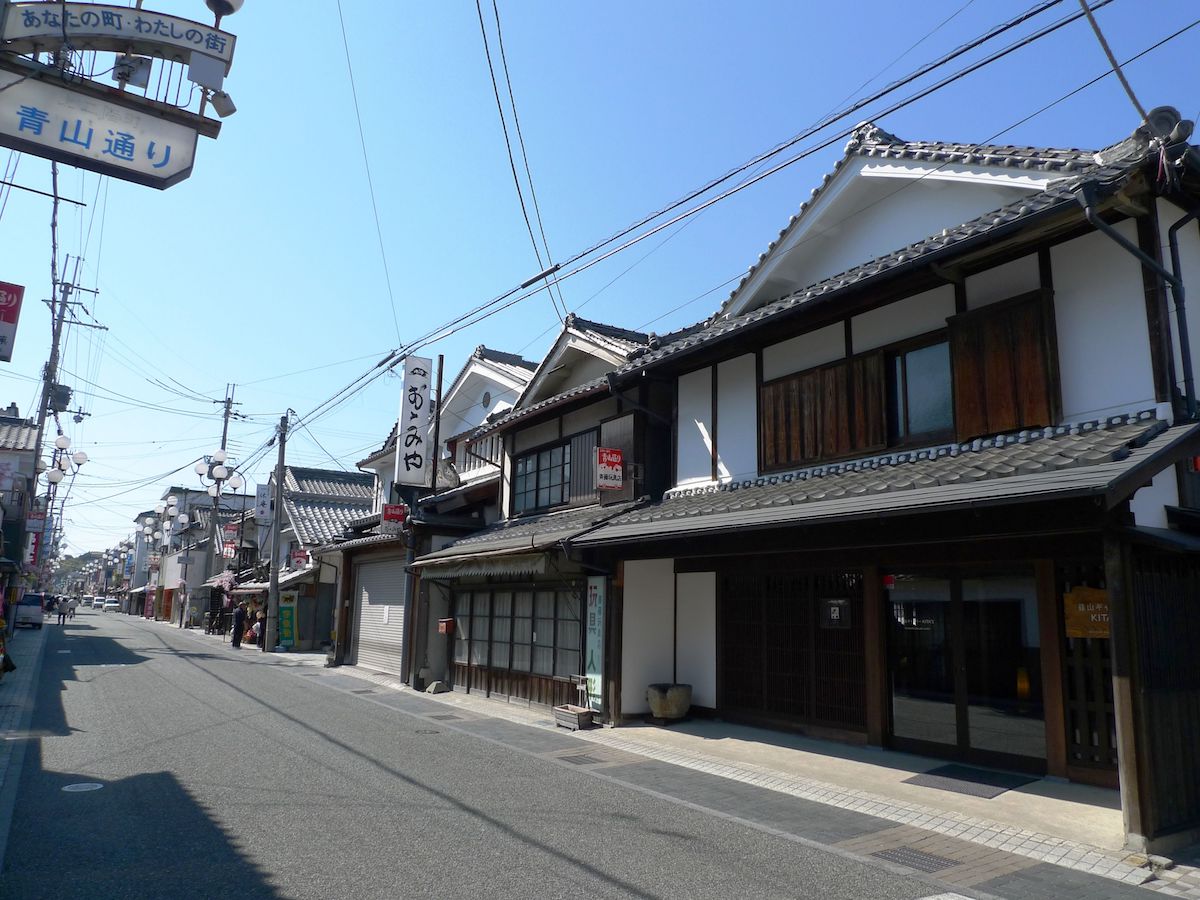
日本語 English 二階町には現在もいくつかの歴史的な商家建築が点在しており、市内の中心的な商店街として観光拠点の中心となっている。〇上二階町の鉾山「猩々山(しょうじょうやま)」 「猩々山」は春日神社の祭礼に曳き出される鉾山で、貞享4年(1687)建造にされ、文化元年(1804)に修復もしくは新造されている。 猩々は想像上の動物であり、能の謡曲(ようきょく)としても謡われているめでたいものの象徴である。見送り(鉾山の後方を飾る懸装品)には唐獅子が描かれており、魔を祓い、世を祝う意味が込められている。 所在地:二階町 Several historical merchant house buildings are dotted about in Nikaimachi even in present day, and it has become the center of a base for sightseeing as a central shopping district in the city. 〇The "Shojoyama Float," the Hokoyama Float of Kaminikaimachi The "Shojoyama Float" is a hokoyama float pulled in the festival of Kasuga Shrine, and it was built in the fouth year of the Jokyo era (1687) and was either restored or newly built in the first year of the Bunka era (1804). The Shojo is an imaginary animal, and it is a symbol of good luck that is also sung about as Noh songs in Noh plays. Karajishi lions are depicted on the miokuri (on the kesohin tapestry decorating the rear of the hokoyama float), and they hold the meaning of driving away evil spirits and celebrating the world. Location:Nikaimachi
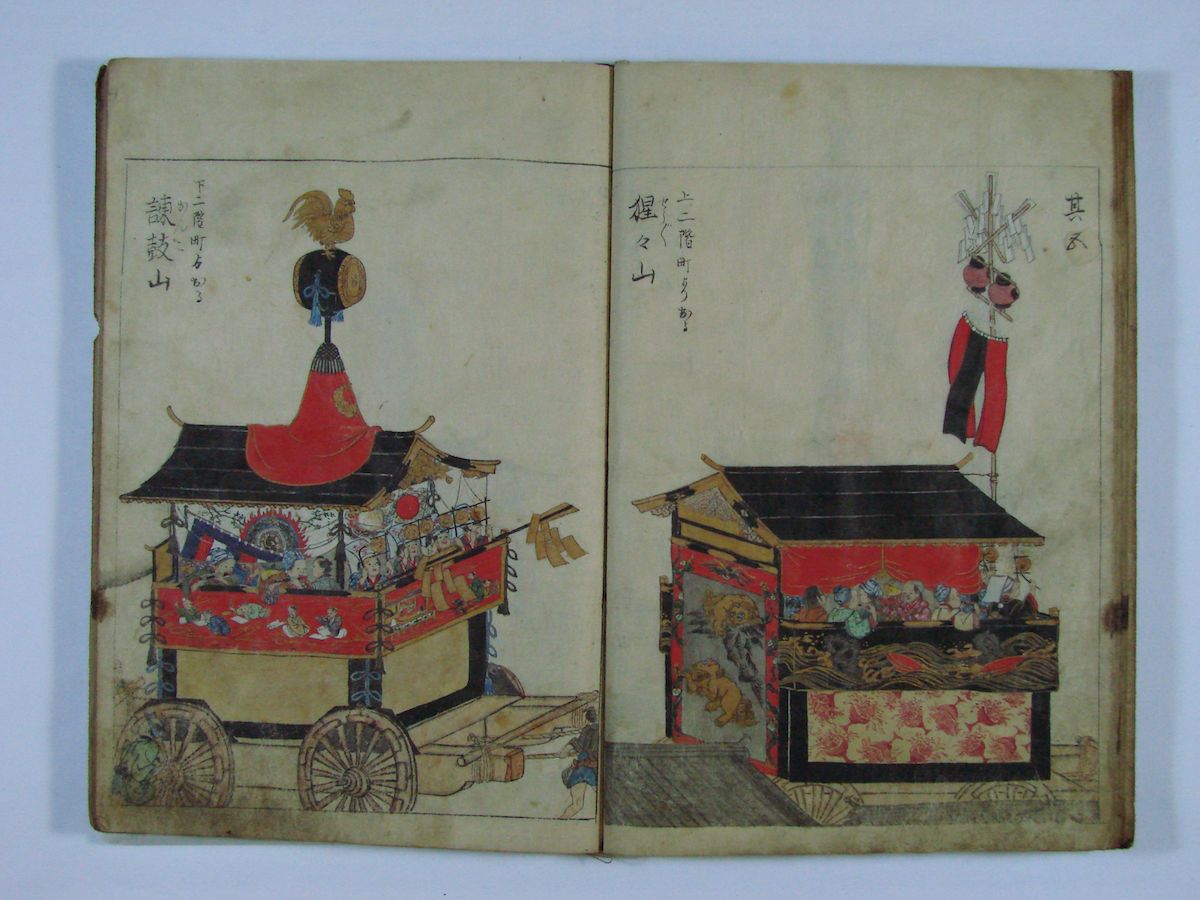
日本語 English 二階町には現在もいくつかの歴史的な商家建築が点在しており、市内の中心的な商店街として観光拠点の中心となっている。〇下二階町の鉾山「諫鼓山(かんこやま)」 「諫鼓山」は春日神社の祭礼に曳き出される鉾山で、建造された年代は不明であり、昭和11年(1936)に再調された。 見送り(鉾山の後方を飾る懸装品)は「諫鼓鳥」である。諫鼓とは、人々が役所に訴えごとをするときに打ち鳴らした太鼓のこと。古代中国の伝承で、優れた君主が国をよく治めたことで、役所に訴えごとをする者がいなくなったため、諫鼓が不要となり、破れた太鼓の中に鶏が巣を作ったというものがある。そこから「諫鼓鳥」は平和の象徴とされている。 所在地:二階町 Several historical merchant house buildings are dotted about in Nikaimachi even in present day, and it has become the center of a base for sightseeing as a central shopping distrct in the city. 〇The "Kankoyama Float," the Hokoyama Float of Shimonikaimachi The "Kankoyama Float" is the hokoyama float pulled in the festival of Kasuga Shrine, and the year it was built is unknown, and it was readjusted in the 11th year of the Showa period (1936). The miokuri (the kesohin tapestry decorating the rear of the hokoyama float) is a "kanko bird." A kanko was a drum that was beaten when the people complained to the public office. There is an ancient Chinese folklore which states that, as excellent rulers often ruled over the country, there were no more people who complained to the public office and the kanko drum became unnecessary and a chicken made its nest inside the ripped drum. From this, the "kanko bird" became a symbol of peace. Location:Nikaimachi

日本語 English 魚屋町は正保元年(1614)に作成された『正保城絵図』上では「肴町」となっており、誓願寺とその楼門が目印となっている。〇魚屋町の鉾山「蘇鉄山」 「蘇鉄山」は春日神社の祭礼に曳き出される鉾山で貞享4年(1687)に建造され、明治3年(1870)再調された。 蘇鉄は葉の形が鳳凰の尾に似ていることから、めでたいことの象徴とされている。 見送り(鉾山の後方を飾る懸装品)には三国志の英雄である張飛、または関羽とされる人物が馬上で矛を振るっている様子が描かれている。 所在地:魚屋町 Uoyamachi is known as "Sakanamachi" in the "Shoho Castle Illustrations" created in the first year of the Shoho era (1614), and its landmarks are made to be Seigan-ji Temple and its tower gate. 〇The "Sotetsuyama Float," the Hokoyama Float of Uoyamachi The "Sotetsuyama Float" is a hokoyama float pulled in the festival of Kasuga Shrine, and it was built in the fourth year of the Jokyo era (1687) and readjusted in the third year of the Meiji period (1870). As the shape of the Japanese sago palm leaves are similar to the tail of the Chinese phoenix, it is made a symbol of good luck. A scene of a person made to be Zhang Fei or Guan Yu, heroes of the Records of the Three Kingdoms, wielding a spear on horseback, is depicted on the miokuri (the kesohin tapestry decorating the rear of the hokoyama festival float). Location:Uoyamachi
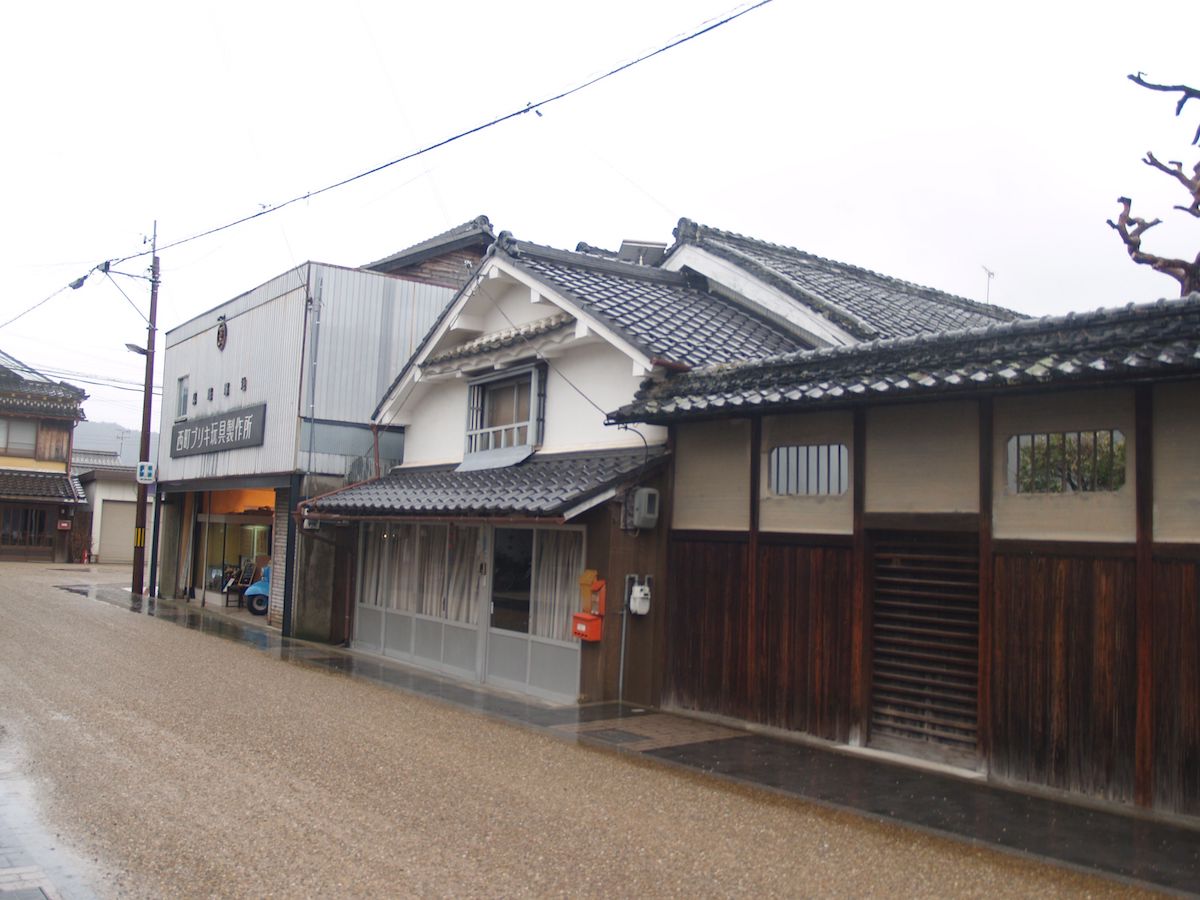
日本語 English 西町にはかつて商家の町並みが形成されていた。現在でも比較的多くの商家建築が残されている。〇西新町の鉾山「鏡山」 「鏡山」は春日神社の祭礼に曳き出される鉾山である。 見送り(鉾山の後方を飾る懸装品)は江戸時代末期の安政2年(1855)に京都で調製されたもので、図柄は極楽、龍宮、唐の三界を表現し、つづれ織りの芸術性豊かな逸品である(市指定文化財)。 所在地:西町 A townscape of merchant houses was once formed in Nishimachi. Even in present day, a comparatively large number of merchant house buildings have been left. 〇The "Kagamiyama Float," the Hokoyama Float of Nishishinmachi The "Kagamiyama Float" is a hokoyama float that is pulled in the festival of Kasuga Shrine. The miokuri (the kesohin tapestry decorating the rear of the hokoyama float) was adjusted in Kyoto in the second year of the Ansei era (1855) at the end of the Edo period, and the pattern expresses the three worlds of the Buddhist paradise, the Ryugu Dragon Palace and the land of Tang, and it is a hand-woven masterpiece rich with artistic quality (city-designated cultural property). Location:Nishimachi
 建造物
建造物
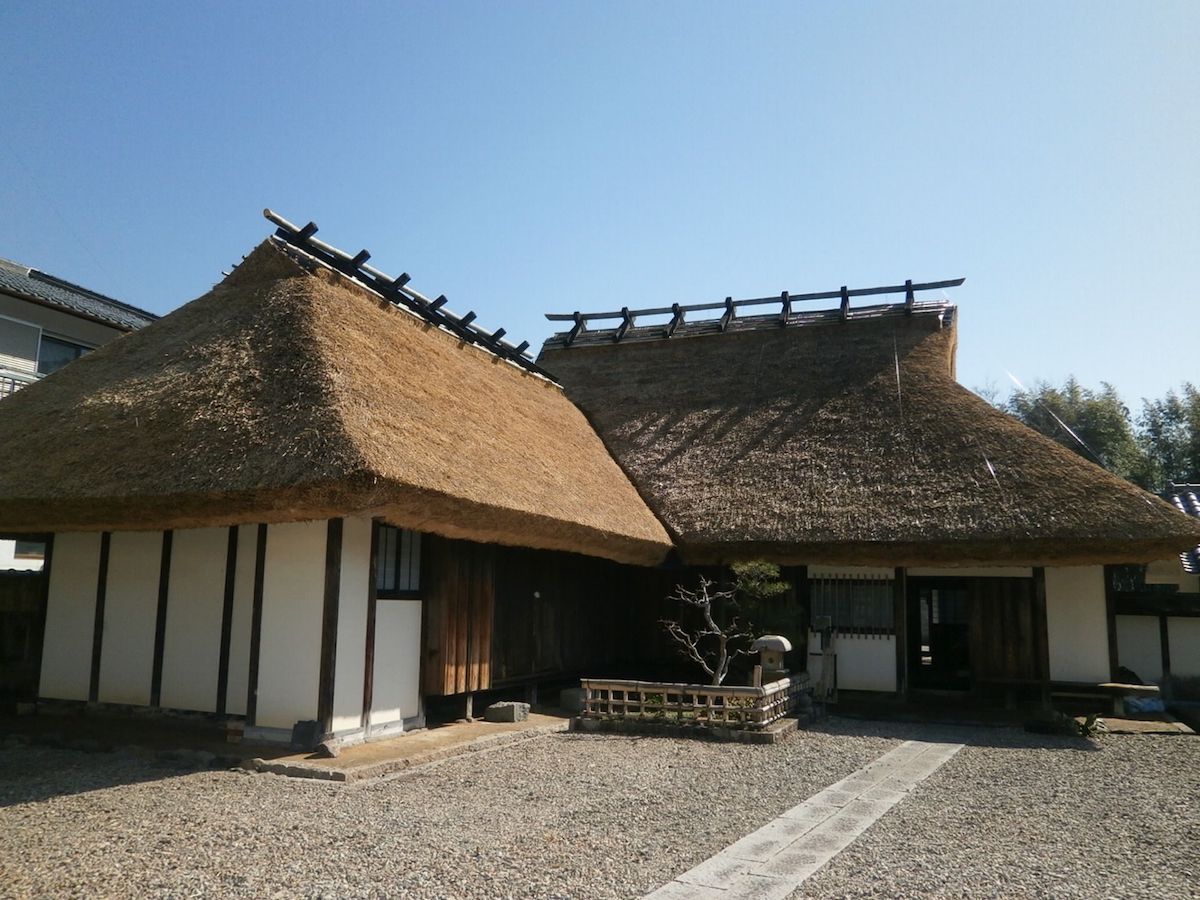
日本語 English 武家屋敷安間家史料館は、篠山藩主青山家の家臣であった安間家の住宅を史料館として一般公開している施設である。御徒町に多く見られる茅葺で曲屋形式(L字型)になっている母屋と、瓦葺の土蔵が残されている。庭は後世に整備されたもので当時は畑として活用されていた。(市指定文化財)。 所在地:西新町95 公式HP:http://www.withsasayama.jp/REKIBUN/anma_top.htm The Samurai House Anma Family Museum is the house of the Anma family, retainers of the Aoyama family that were the feudal lords of the Sasayama Domain, which has become a facility open to the general public as a museum. The main building, which is thatched and in the magariya form (L-shaped), a style often seen in Okachimachi, and the storehouse with the tiled roof, have been left. The garden was arranged in later years and was used as a vegetable garden at the time. (City-designated cultural property). Location:Nishishinmachi 95 Official Home Page:http://www.withsasayama.jp/REKIBUN/anma_top.htm

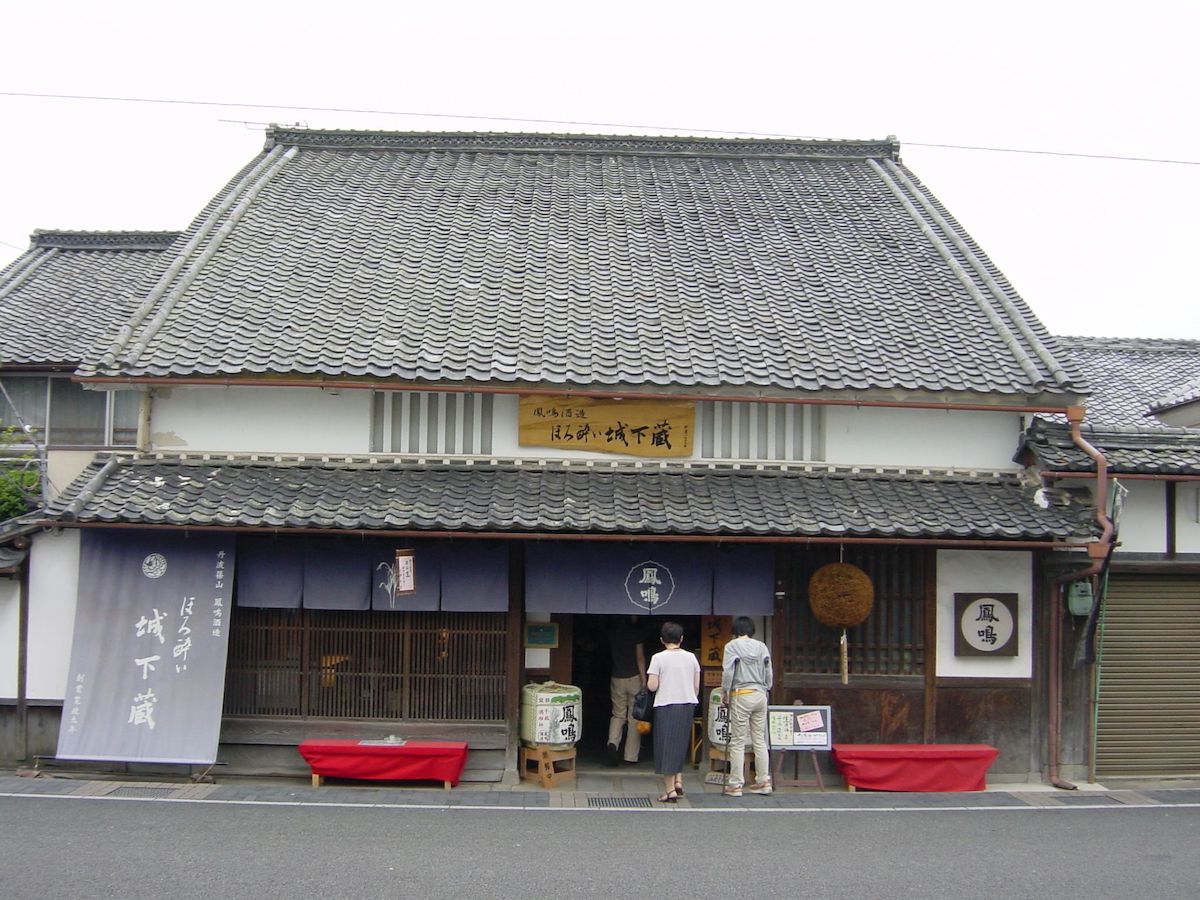
日本語 English 鳳鳴酒造は老舗の造り酒屋で、現在も酒造会社として営業している。主屋は街路に面した造りとなっており、吹抜の通り土間をもち、店舗も兼ねている。主屋の西に平屋建ての事務室と土蔵が並び、連続性のある街路景観を形成している(国登録有形文化財)。 所在地:呉服町73 Houmei Sake Brewery is a long-established sake brewery, and it does business as a sake brewing company even in present day. The main building is built to face the street, it has a well hole style passage with an earth floor and it is also combined with the store. A single-story office room and storehouses stand in a row on the west of the main building, and it forms a street scene with a sense of continuity (national registered tangible cultural property). Location:Gofukumachi 73
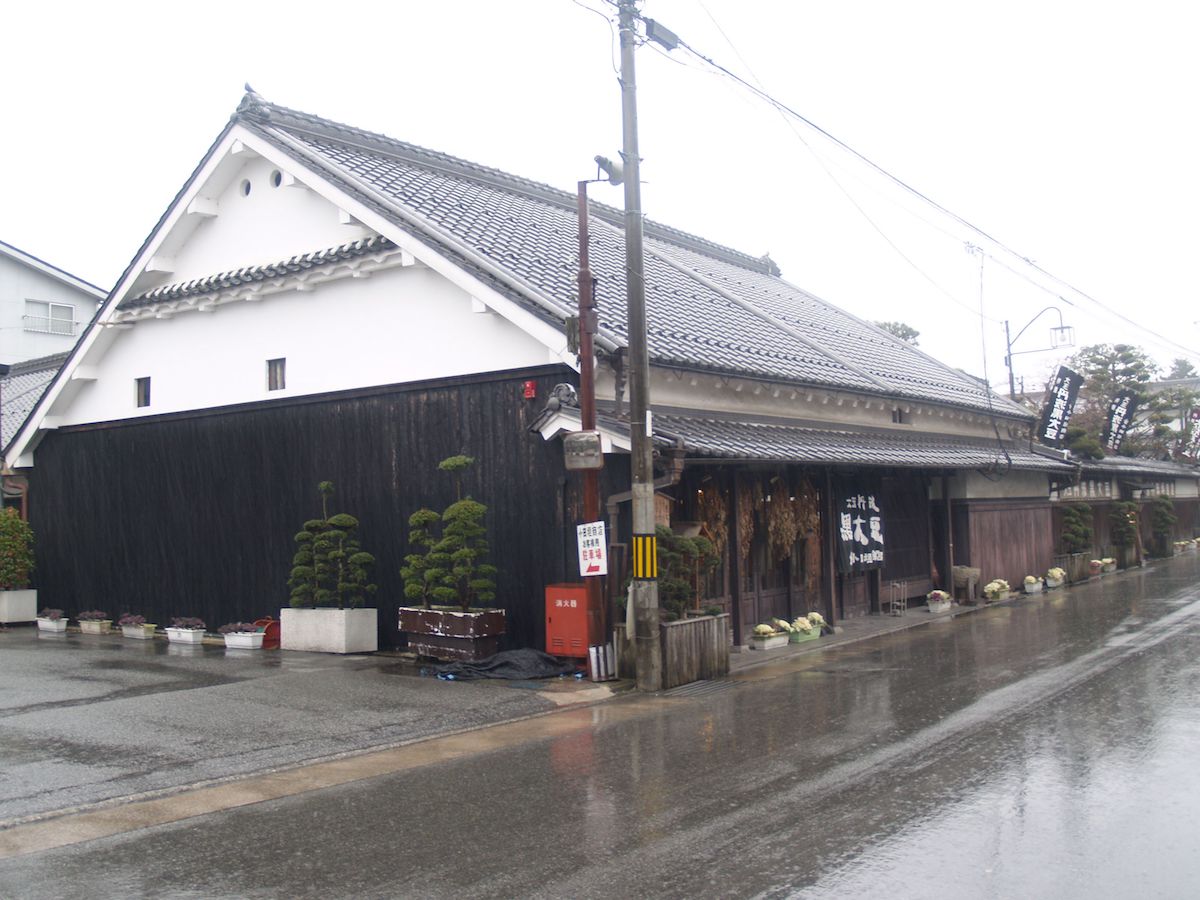
日本語 English 小田垣商店は、かつては八重垣酒造(團野家)が江戸時代後期から昭和初期にかけて酒造業を手がけていた商家で、現在は黒大豆などを扱う店舗となっている。 西京街道に面する敷地北寄りに建つ店舗は重厚な外観を見せ、南寄りには長い塀をのばして、老舗商家の屋敷景観を形成している。 また、敷地の南半分には、味噌蔵、蔵、便所及び風呂棟、茶室が建ち並び、さらに茶室と向き合わせに接客用の離れ座敷を配しており、内向きの落ち着いた空間をつくっている。 小田垣商店は篠山城下における18世紀後期の大型町屋の形式を示すものであり、和洋並列の館で、茶をもって客を遇するという、明治から大正頃にかけて阪神間で盛んであった商人の気風が、丹波の地にもあったことを示す証左としても重要である(国登録有形文化財)。 所在地:立町9 The Odagaki Store was once a merchant house where the Yaegaki Sake Brewery (Danno Family) managed a sake brewing business from the end of the Edo period to the early Showa period, and it has now become a store that deals in black soybeans, etc. The store, which stands to the north of the site facing Saikyo Road, shows a dignified appearance and stretches out a long wall to the south, forming the scenery of a long-established merchant house. Moreover, a miso storehouse, a storehouse, a lavatory and bath building and a tearoom stand in a row on the south half, and furthermore, a detached room facing the tearoom is arranged for waiting on customers, making a calm space that faces inward. The Odagaki Store shows the form of a large-scale town house in the castle town of Sasayama Castle in the late 18th Century, and it is also important as proof showing that the character of the merchant that flourished in Hanshinkan, who treated customers with tea in a house with Japanese and foreign parallels, also existed in the land of Tamba (national registered cultural property). Location:Tatsumachi 9
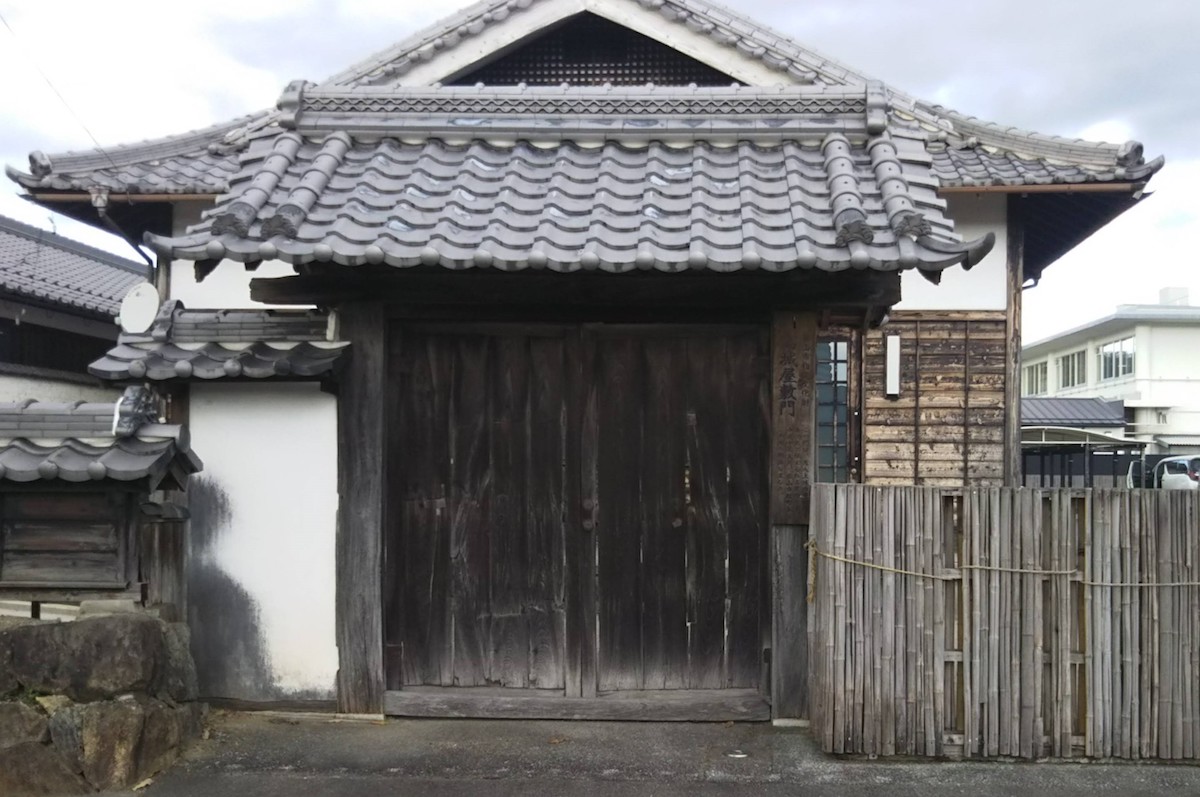
日本語 English 高城屋敷門は、多紀郡(ほぼ現在の篠山市にあたる)を治めた戦国大名波多野氏の居城であった八上城内の屋敷門であり、篠山城下の武家屋敷門として後年に移築したものである。建造当初は茅葺であったのが、移築後に瓦葺に改装されている。後補の跡はあるものの、創建は室町期よりも前の時期であると考えられ、八上城に関わる唯一の残存建物としてその価値は非常に高い(市指定文化財)。 所在地:北新町 The Takajo House Gate is the house gate that used to be in Yakami Castle, which was the castle of the Hatano Clan, the Sengoku daimyos that ruled Taki County (which is almost where Sasayama City is now), and it was removed and rebuilt in later years as a samurai house gate in the castle town of Sasayama Castle. In the early stage of its construction, it was thatched, but it was renovated with a tile roof after being removed and rebuilt. There are ruins of its repairs in later years, but it is thought that it was founded earlier than the time of Muromachi, and it has a very high value as the only remains of a building related to Yakami Castle (city-designated cultural property). Location:Kitashinmachi

日本語 English 御徒士町(おかちまち)は江戸時代に建てられた武家屋敷が立ち並ぶ地区である。正保元年(1614)に作成された『正保城絵図』では「侍屋敷」となっている。徒士とは騎乗しない下級武士のことを指す。 江戸時代の敷地割が残されており、通りに沿って土塀と棟門が配されている。茅葺きの武家屋敷の敷地内にはカキやクリが植えらている。城下町形成時に城下を防御するために植えられた竹林も残されており、篠山城下町の歴史的景観を特徴づけている。 平成16年(2004)に御徒士町を含む篠山城下町地区は国の重要伝統的建造物群保存地区に選定された。 所在地:西新町 Okachimachi is an area where samurai houses constructed in the Edo period were lined up. In the "Shoho Castle Illustrations" created in the first year of the Shoho era (1614), it is known as "Samurai Estates." A kachi (the same "kachi" in "Okachimachi") refers to low-ranking samurai who did not ride on horses. The division of the sites of the Edo period have been left, and an earthen wall and munemon gate have been arranged alongside the road. Japanese persimmon trees and Japanese chestnut trees have been planted in the sites of the thatched samurai houses. Bamboo groves planted at the time of forming the castle town for the purpose of protecting the castle town have also been left and they characterize the historical scene of the castle town of Sasayama Castle. In the 16th year of the Heisei period (2004), the castle town area of Sasayama Castle including Okachimachi was selected as an Important Preservation District for Groups of Historic Buildings of the country. Location: Nishishinmachi Location:Nishishinmachi
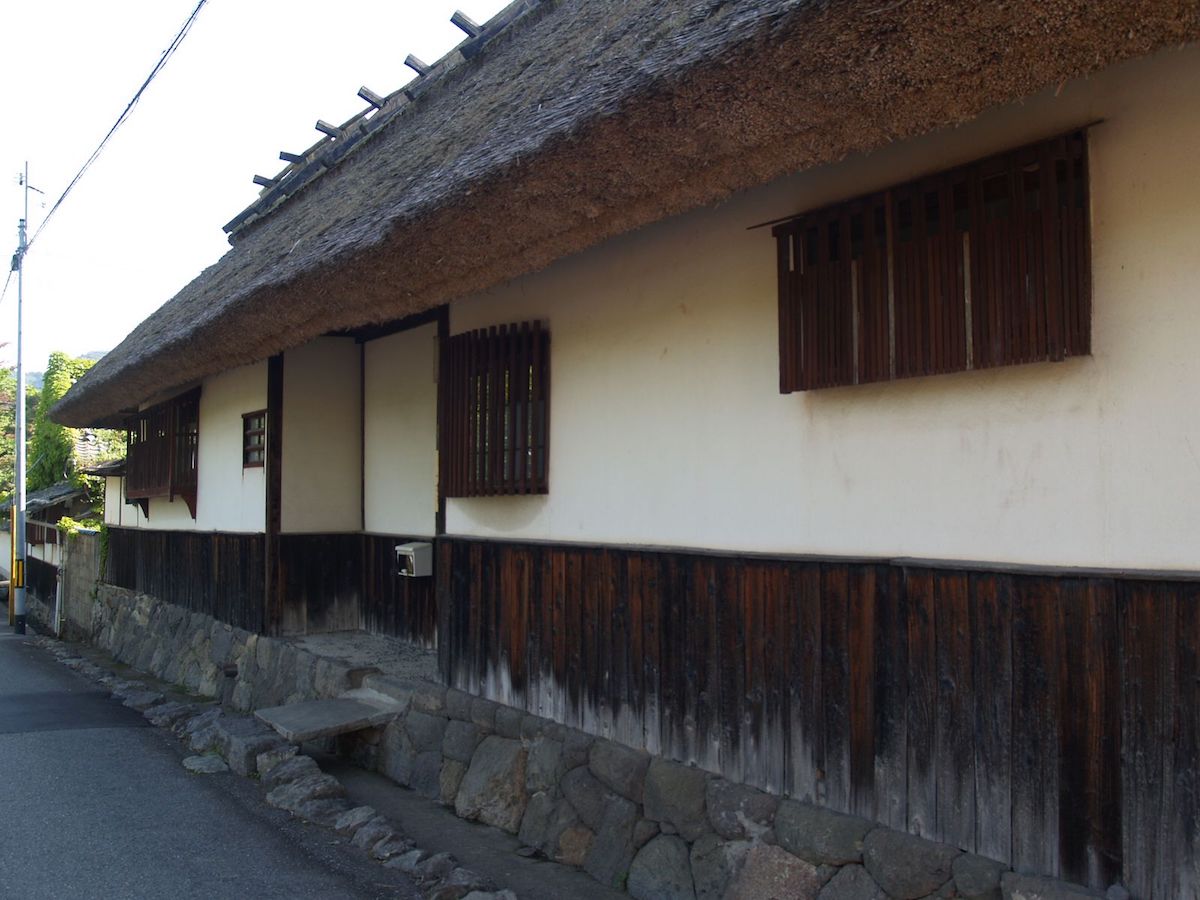
日本語 English 小林家長屋門は文化年間(1804~18)に、篠山藩第12代藩主青山忠裕(あおやまただやす)が、その老女小林千枝(こばやしちえ)のために修築した屋敷の長屋門である。篠山城の西堀に面し、当時の面影を伝える貴重な建物となっている(兵庫県重要指定文化財)。 所在地:西新町24 The Kobayashi Family Nagaya-mon Gate was the Nagaya-mon gate of the house that was repaired in the years of the Bunka era (1804-1818) by Tadayasu Aoyama, the 12th feudal lord of the Sasayama Domain, for the old woman Chie Kobayashi. It faces the west moat of Sasayama Castle and is a valuable building that transmits the traces of that time (Hyogo Prefecture-designated important cultural property). Location:Nishishinmachi 24

日本語 English 西坂家住宅は、河原町の住宅によく見られる妻入型で白い漆喰の壁と出格子窓が特徴的な住宅であり、江戸時代には醤油屋を営んでいた(市指定文化財)。非公開。 所在地:河原町204 The Nishisaka Family House is a house of the Tsumairi style, which is often seen in residences of Kawaramachi, with distinctive white plaster walls and latticed bay-windows. In the Edo period, it was run as a soy sauce store (city-designated cultural property). Not open to the public. Location:Kawaramachi 204
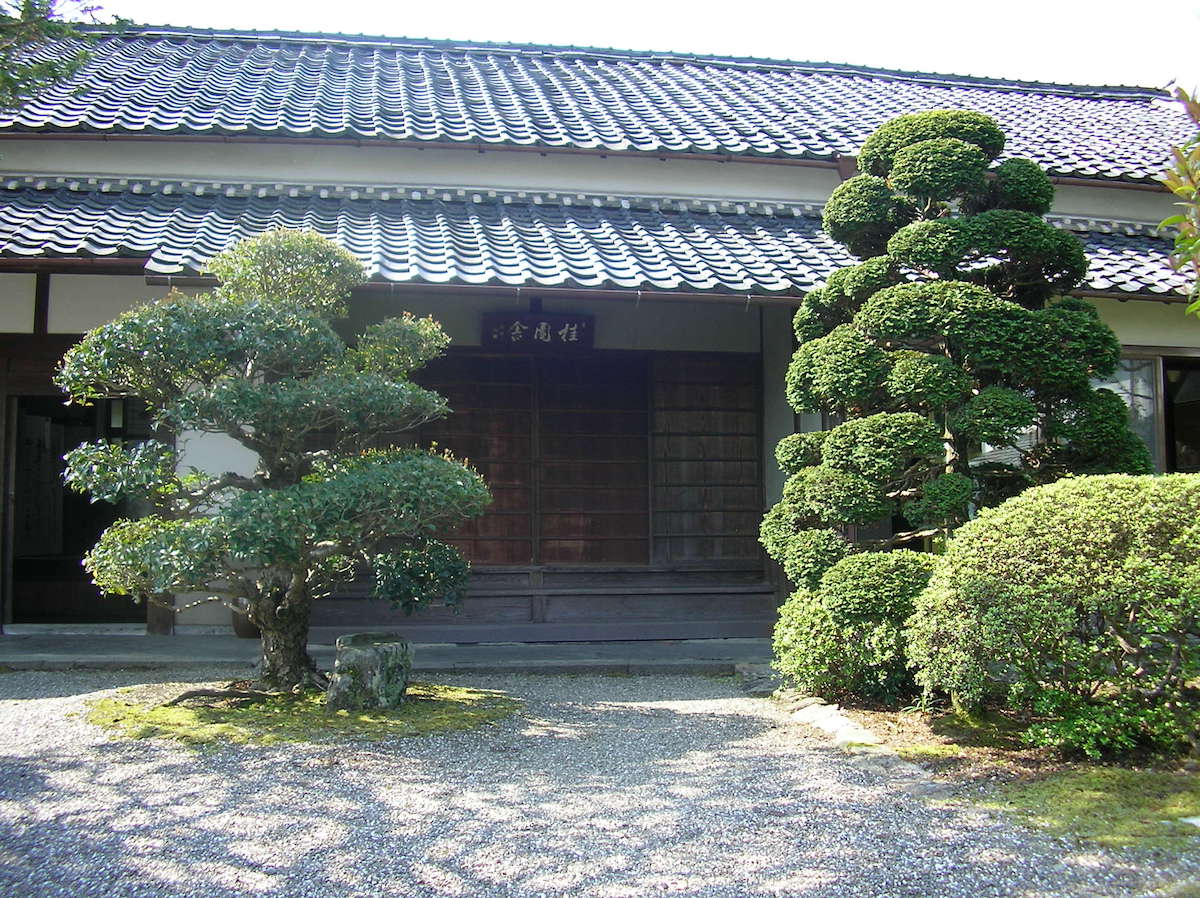
日本語 English 青山歴史村は、篠山藩主青山家の明治時代の別邸であった桂園舎(けいえんしゃ)を中心として、3棟の土蔵と長屋門から成り立っており、現在は一般公開されている。 (1)旧澤井家長屋門文化年間(1804~18)の建築であると伝えられており、所有者の旧篠山藩士澤井家(北堀の東側角の家)から「青山歴史村」へ寄贈された時に現在の場所に移築した。門の片方は門番などの部屋として、もう片方は馬小屋として使用していた。当時は馬を所持し、長屋門を建てていることが上級武士の証でもあった。茅葺の建物であり、当時の武士の暮らしをうかがい知ることができる貴重な建物である(市指定文化財)。 (2)桂園舎(けいえんしゃ)明治20年(1887)に現在の篠山市黒田にあった庄屋の建物を移築したもので、名前の由来は初代篠山町長であった安藤直紀が選者となっていた「桂園派(けいえんは)」という和歌の一派からきている。現在は一般公開されている。 所在地:北新町48 公式HP:http://www.withsasayama.jp/REKIBUN/aoyama_top.htm Aoyama Historical Villageis made up of three storehouses and a Nagaya-mon gate centered around the Keiensha, which was a secondary house of the Aoyama family, who were the feudal lords of the Sasayama Domain, and in present day, it is open to the general public. (1)The Old Sawai Family Nagaya-mon GateIt is said to have been constructed in the years of the Bunka era (1804-1818), and it was removed and rebuilt in its present location when it was donated by the house of Sawai, the old feudal lords of the Sasayama Domain (the house on the east side corner of the southern moat), to "Aoyama History Village." One half of the gate was used as the room for gatekeepers, etc., and the other half was used as a stable. At the time, owning a horse and building a Nagaya-mon gate was the proof of a high-ranking samurai. It is a thatched building, and a valuable building where one can perceive the way of life of samurai at the time (city-designated cultural property). (2)KeienshaThe Keiensha was a building of a village headman that used to be in what is now Kuroda, Sasayama City and was removed and rebuilt in the 20th year of the Meiji period (1887). The origin of its name is from a school of waka poetry, the "Keien school," which had the first mayor of Sasayamacho, Naoki Ando, as their judge. In present day, it is open to the general public. Location:Kitashinmachi 48 Official Home Page:http://www.withsasayama.jp/REKIBUN/aoyama_top.htm
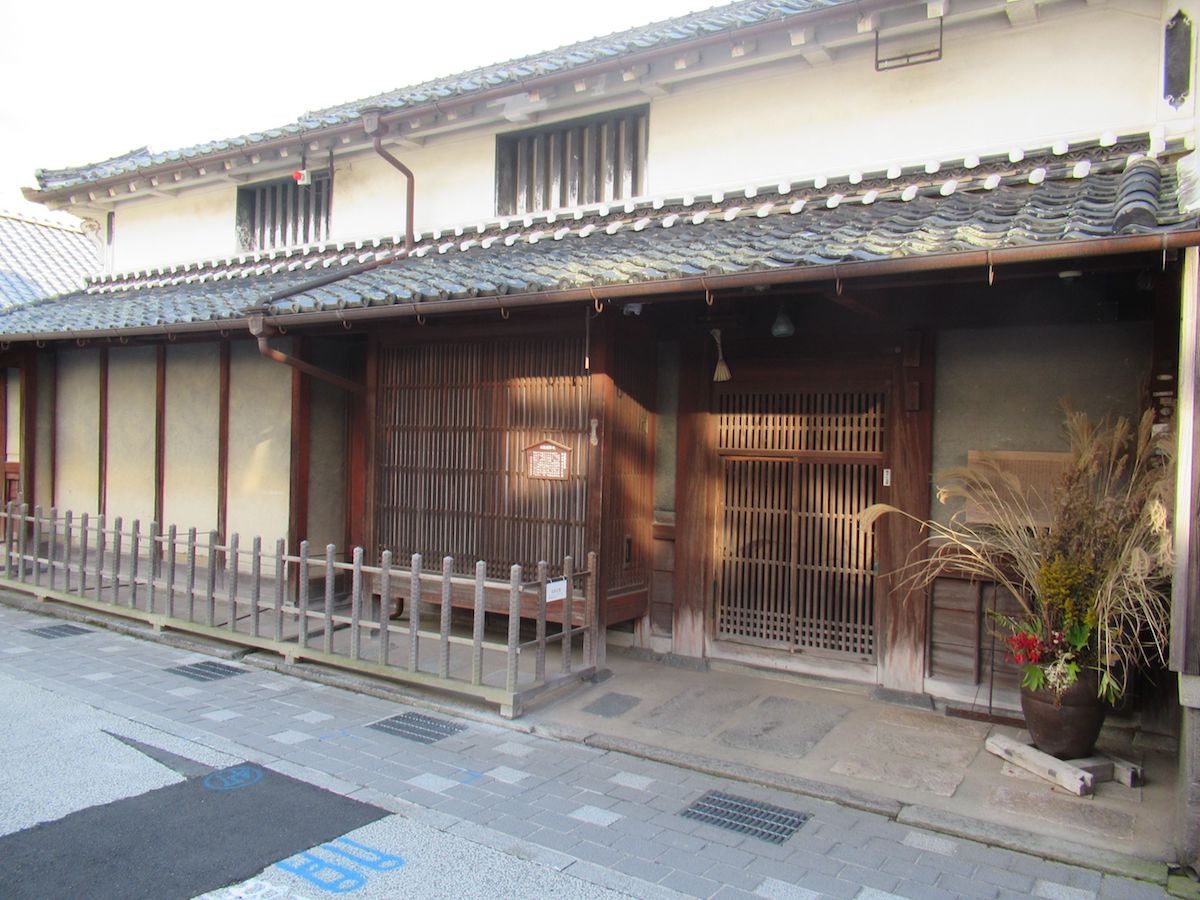
日本語 English 川端家住宅は明治・大正期の町家であり、約730坪の敷地を持つ河原町の商家群を代表する住宅である。 明治初期頃の建築であり、離れは皇室行幸の時に使用する客間として大正9年(1920)に建築された(市指定文化財)。非公開。 所在地:河原町200 The Kawabata Family House was a town house of the time of Meiji and Taisho, and is a house that represents the group of merchant houses of Kawaramachi which hold around 730 tsubo (around 2,413 square meters) with their premises. It is a building of the early Meiji times, and the detached room was built in the 9th year of the Taisho period (1920) as a guest room in times when the Imperial Household visited (city-designated cultural property). It is not open to the public. Location:Kawaramachi 200
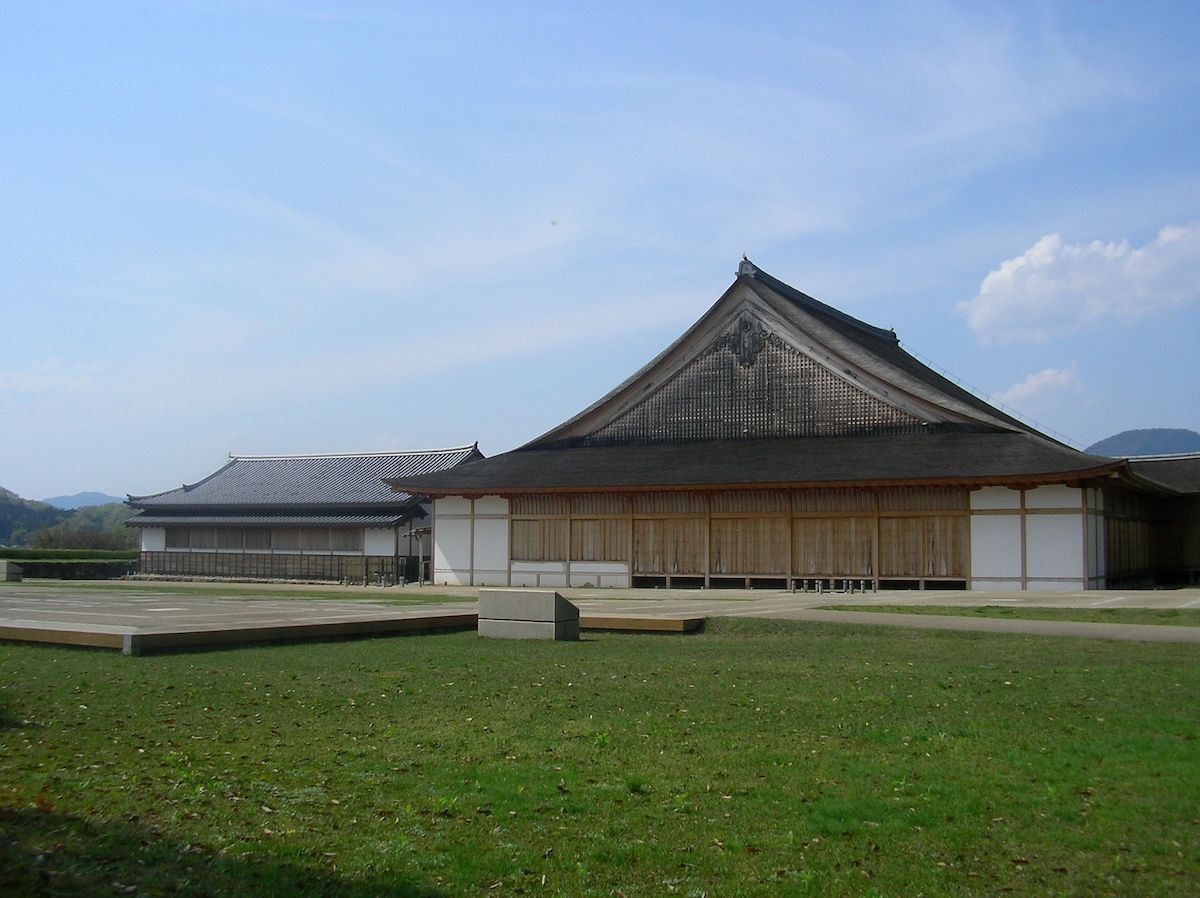
日本語 English 大書院は篠山藩の藩政が執り行われた場所であり、慶長14年(1609)の篠山城築城と近い時期に建てられた。廃藩置県後も取り壊されず小学校や公会堂として使用され、住民に親しまれていたが、昭和19年(1944)に焼失した。その後住民等の寄付によって平成12年(2000)3月に藩政史料、古地図、古写真を活用した忠実な復元がなされた。木造住宅建築としては非常に規模が大きく、一大名の書院としては破格の規模である。 現在は一般公開されており、江戸時代の篠山の様子や篠山藩の歴史を解説した展示が見られる。 所在地:北新町2-3 公式HP:http://www.withsasayama.jp/REKIBUN/osyoin_top.htm The Ohshoin was where the Domain administration of the Sasayama Domain was held, and it was built near the time of the construction of Sasayama Castle in the 14th year of the Keicho era (1609). It was not demolished even after the abolishment of the Domain system and was used as an elementary school or a public hall and was familiar with the townspeople, but it burned down in the 19th year of the Showa period. After that, through the donations of the townspeople, etc., a faithful restoration that applied historical materials of the Domain administration, old maps and old photographs was made on March of the 12th year of the Heisei period (2000). As a wooden residential building, its scale is very large, and it is of an extraordinary scale for a Shoin for one daimyo. In present day, it is open to the general public, and one can see a display that explains the state of Sasayama in the Edo period and the history of the Sasayama Domain. Location:Kitashinmachi 2-3 Official Home Page:http://www.withsasayama.jp/REKIBUN/osyoin_top.htm
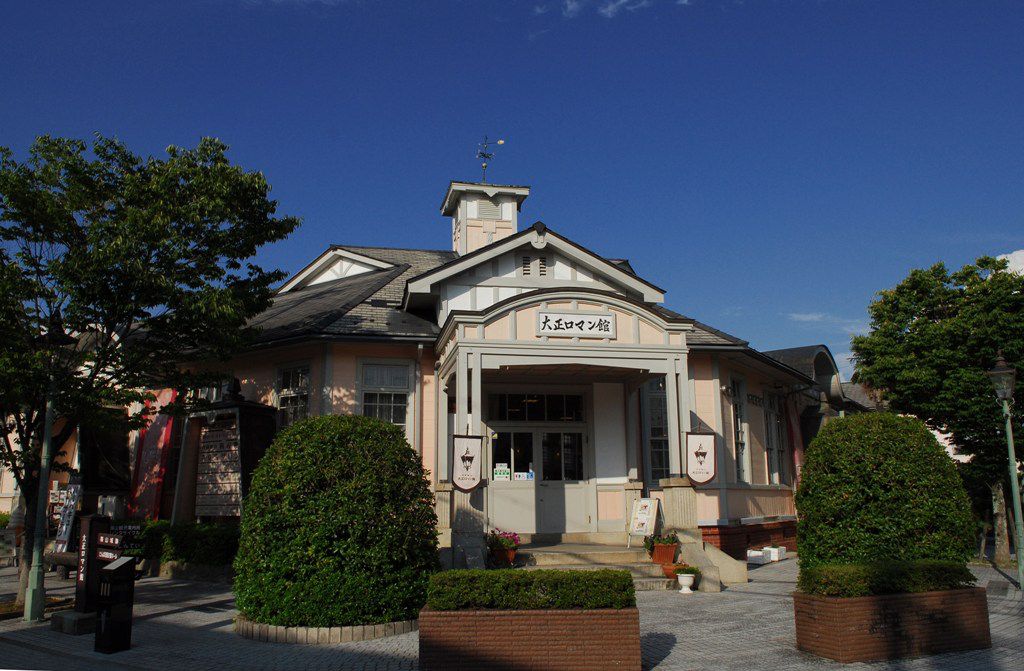
日本語 English 大正ロマン館は大正11年(1922)に篠山町役場として建てられた木造洋風建築であり、現在は観光施設として利用されている。当時の建築としては非常にモダンな造りで、篠山町のシンボル的存在として、現在の篠山市役所が建てられる平成4年(1992)まで篠山町役場として使用されていた。 所在地:北新町97 公式HP:http://tanbasasayama.hyogo.jp/ The Taisho Roman-kan is a wooden Western style building which was built as the Sasayamacho town office in the 11th year of the Taisho period (1922), and it is now used as a tourism facility. It was a very modern make as a building at the time, and it was used as the Sasayamacho town office as a symbol of Sasayamacho up until the construction of the present Sasayama city office in the fourth year of the Heisei period (1992). Location:Kitashinmachi 97 Official Home Page:http://tanbasasayama.hyogo.jp/

日本語 English 歴史美術館は、明治24年(1891)に建てられた日本最古級の木造裁判所であり、現在は一般公開されている施設である。昭和57年(1982)まで裁判所として使用されており、中央に玄関車寄を置き、左右に法廷を配置している。平面がE字型という、明治時代初期の木造官庁舎に典型的な構造を受け継いだ建物である。元は南側の商店街側に面していたが、都市計画によって現在の位置に移された。 所在地:呉服町53 公式HP:http://www.withsasayama.jp/REKIBUN/rekibi_top.htm The Historical Art Museum was the oldest wooden courthouse in Japan constructed in the 24th year of the Meiji period (1891), and it is a facility open to the general public in present day. It was used as a courthouse up until the 57th year of the Showa period (1982), and an entrance carriage porch was placed in the center with courtrooms arranged on the left and right. It is a building in the shape of an E when on a flat plane, inheriting a typical structure to wooden government office buildings of the early Meiji period. It originally faced the shopping district on the south side, but it was moved to its present location through city planning. Location: Gofukumachi 53 Official Home Page:http://www.withsasayama.jp/REKIBUN/rekibi_top.htm
 史跡
史跡

日本語 English 旧国鉄篠山駅は昭和19年(1944)から昭和47年(1972)まで開通していた篠山線の駅である。八上、丹波日置、村雲を経由して福住までを結んだ(篠山線開通以前は現在のJR篠山口駅が「篠山駅」であった)。 篠山線は当初は現在の園部駅(現京都府南丹市園部町)から篠山までを結ぶ計画であり、福住をはじめとする周辺の地域を中心に誘致運動が展開されていた。そして、戦時中の昭和19年(1944)に福住の本名谷から採掘されたマンガンなどの戦争で使用する資源を運ぶために現在のJR篠山口から福住までを結ぶ篠山線が開通した。 戦後も通勤通学に利用されていたが、旧国鉄の赤字ローカル線を整理する方針によって昭和47年(1972)に廃線となった。 所在地:北 廃線の日の篠山線の様子:https://videotube.sasayama.jp/dtl.php?VID=34 (リンク先:篠山市視聴覚ライブラリー) The old Japanese National Railways Sasayama Station was a station of the Sasayama line that was opened from the 19th year of the Showa period (1944) to the 47th year of the Showa period (1972). It passed through Yakami, Tanbahioki, Murakumo and connected up to Fukusumi (before the opening of the Sasayama line, the present JR Sasayamaguchi Station was "Sasayama Station"). The Sasayama line was originally planned to connect from what is now Sonobe Station (the present Sonobecho of Nantan City in Kyoto) to Sasayama, and activities to invite and attract people were developed in the surrounding regions including Fukusumi. Then, during the war in the 19th year of the Showa period (1944), the Sasayama line that connected from what is now the JR Sasayamaguchi to Fukusmi was opened in order to carry resources used in the war such as manganese mined out of Honmyodani in Fukusumi. Even after the war, it was used to commute to work and school, but through the policy of organizing unremunerative local lines of the old Japanese National Railways, the line was discontinued in the 47th year of the Showa period (1972). Location:Kita The state of the Sasayama line on the day it was discontinued:https://videotube.sasayama.jp/dtl.php?VID=34 (Link: Sasayama City Audio-Visual Library)
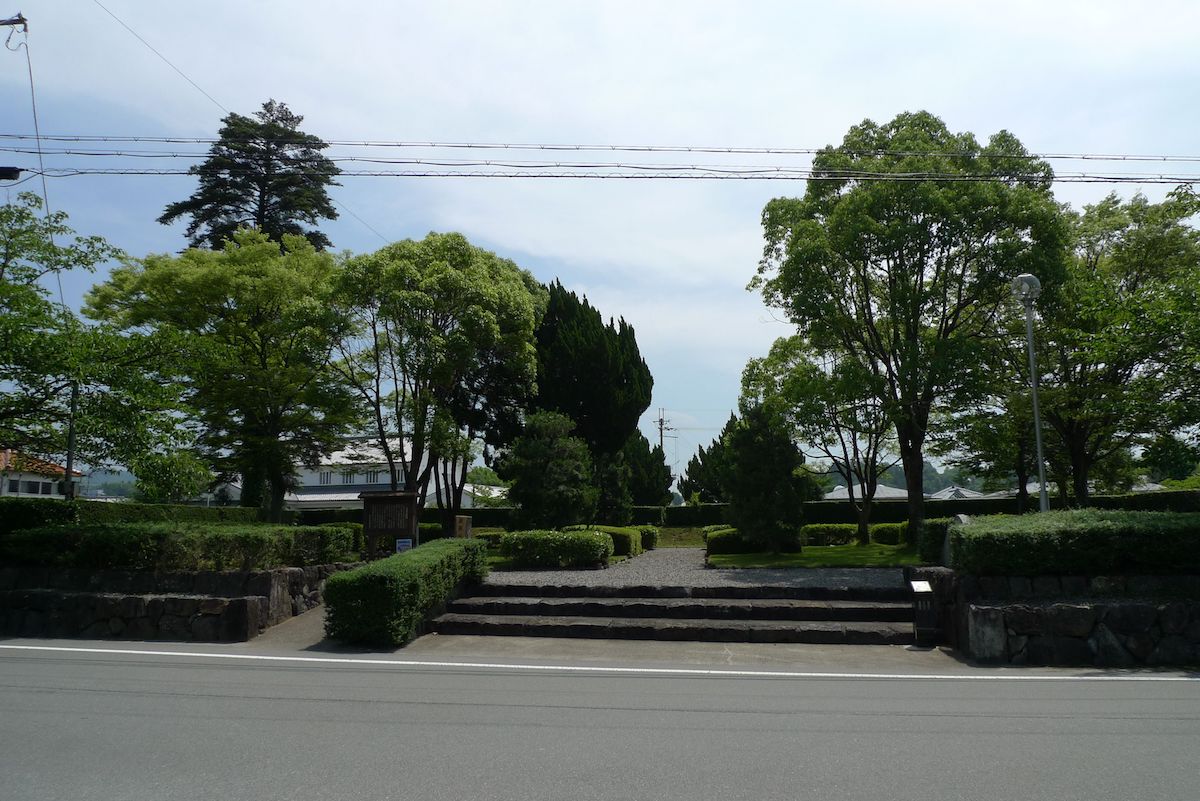
日本語 English 馬出とは、城で入口の守りを固めるために、外堀の外側に作られた区域であり、城から攻めだす時には兵馬を集めて一斉に攻撃する時にも使われた。馬出は城の大手、東、南に設けられた。東馬出にはかつて明治26年(1893)に建てられた多紀福祉事務所があったが、昭和53年(1978)に取り壊された。現在の東馬出は公園として整備されている。 所在地:北新町 Umadashi are areas built on the outside of the outer moat in order to strengthen the defenses of the castle entrance, and they were also used when attacking from the castle by gathering the army together and attacking all at once. Umadashi were set up in the Oote, the east and the south of the castle. The Taki Welfare Office was once built on the East Umadashi in the 26th year of the Meiji period (1893), but it was demolished in the 53rd year of the Showa period (1978). At present, the East Umadashi has been arranged as a park. Location:Kitashinmachi
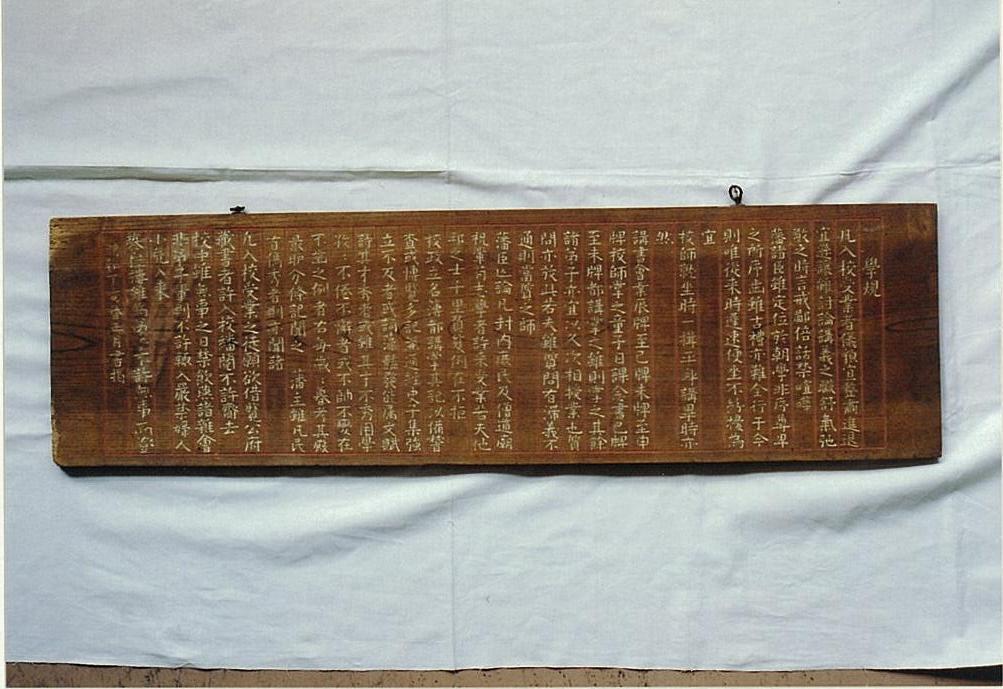
日本語 English 振徳堂は篠山藩の藩校である。藩士の中で学問を志す者が多くなったことから、篠山藩第10代藩主青山忠高が、明和3年(1767)に創設したことが始まりとされている。天明3年(1783)には篠山城南馬出の堀を隔てた南西に学舎を創建した。 振徳堂では、生徒の心得として「學規(藩校の規則のこと)」を定めていた。その内容は極めて開明的なもので、(1)一般庶民の入学許可、(2)他藩の志ある者の入学許可、(3)藩士子弟の入学の義務制などである。さらに藩士子弟を含めて授業料は取らなかった。 現在、學規が書かれた扁額をはじめとする振徳堂を伝える貴重な品々は、兵庫県立篠山鳳鳴高等学校に保管されている(市指定文化財)。 所在地:西新町24 Shintokudo was the Domain School of the Sasayama Domain. It began when it was founded in the third year of the Meiwa era (1767) by Tadataka Aoyama, the tenth feudal lord of the Sasayama Domain, due to not many people aspiring to study among the feudal retainers. In the third year of the Tenmei era (1783), a school building was built in the southwest of Sasayama Castle separate from the moat of the South Umadashi. Shintokudo established "Gakki" (the rules of the Domain School) as the rules for the students. Its contents were very civilized, and included (1) Entrance is allowed for the general public, (2) Entrance is allowed for people from other Domains who aspire to enter, (3) A system of obligation to enter for children of feudal retainers, etc. Furthermore, they did not take tuition fees, including from the children of feudal retainers. At present, valuable objects that tell of Shintokudo, including a framed picture that has the Gakki written on it, are stored in the Hyogo Prefectural Sasayama Homei High School (city-designated cultural property). Location:Nishishinmachi 24

日本語 English 馬出とは、城で入口の守りを固めるために、外堀の外側に作られた区域であり、城から攻めだす時には兵馬を集めて一斉に攻撃する時にも使われた。馬出は城の大手(城の正面)、東、南に設けられた。南馬出は篠山城の馬出の中でも最も規模が大きく東西幅38.2m、南北幅23.6m、高さ4mの土塁が現存している。水面下まで石垣を用いずに築かれた現存する唯一の「土塁の馬出」の遺構である。 所在地:北新町 Umadashi are areas built on the outside of the outer moat in order to strengthen the defenses of the castle entrance, and it was also used when attacking from the castle by gathering the army together and attacking all at once. Umadashi were set up in the Oote (the front of the castle), the east and the south. The south Umadashi was of the largest scale even among the Umadashi of Sasayama Castle and the earthwork with a width of 38.2 m from east to west, a width of 23.6 m from north to south and a height of 4 m exists today. It is the only relic of an "Earthwork Umadashi" that was built without using stone walls up to below the water's surface. Location:Kitashinmachi
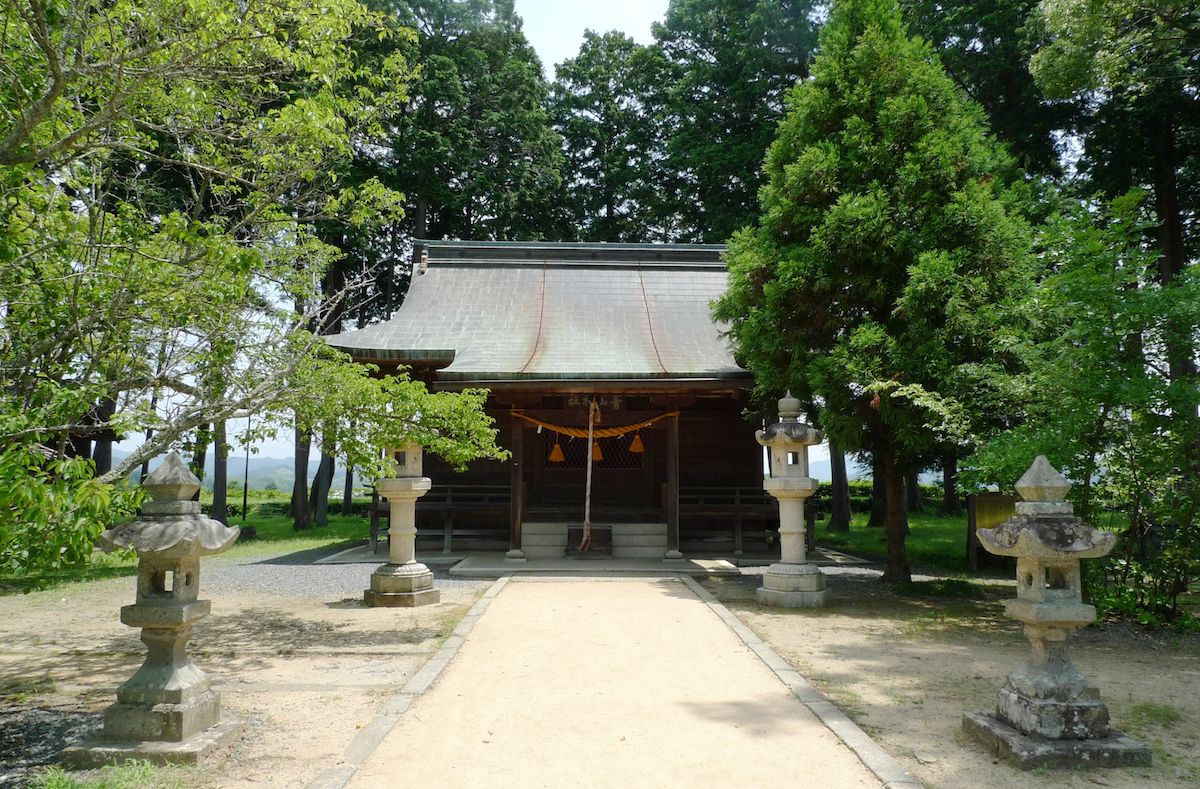
日本語 English 篠山城は、慶長14年(1609)に天下支配を盤石なものにしようとする徳川家康が、豊臣方の拠点である大坂城を包囲するとともに、豊臣家ゆかりの西日本の諸大名を牽制するために築かせた城である。城は、当時「笹山」と呼ばれた丘陵を利用して築かれ、堀を二重に廻し、外堀の三方に出入口の守りを固めるために馬出を設けるなど、防御に徹した城構えとなっている。天守は築かれなかったが、二の丸には大書院に代表される御殿が建てられた。 なお、築城当時は「殿守丸」とも呼ばれれており、正保元年(1614)に作成された『正保城絵図』にも「殿守丸」と記されている。 現在本丸跡には旧藩主青山家の遠祖、青山忠俊及び青山家中興の藩主と称された青山忠裕(あおやまただやす)を祭神とした神社である青山神社が建てられている。 所在地:北新町1-1 Sasayama Castle was built in the 14th year of the Keicho era (1609) by Ieyasu Tokugawa, who was trying to set his resolve firmly on ruling the country, in order to restrain the daimyos of western Japan connected to the Toyotomi family as well as surround Osaka Castle, which was the base of the Toyotomi side. The castle takes on a position that is devoted to defense, being constructed by using a hill which was called "Sasayama" at the time, being surrounded by two layers of moats and setting up Umadashi in three directions of the outer moat to heighten defenses of the entrances and exists, etc. A Tenshu keep was not built, but a palace represented as a Ohshoin guest space was built in the Ninomaru bailey. Furthermore, at the time of construction, it was also called "Tenshumaru," and in the "Shoho Castle Illustrations" created in the first year of the Shoho era (1614), it is also mentioned as "Tenshumaru." At present, Aoyama Shrine, which is a shrine that has Tadatoshi Aoyama, the remote ancestor of the old Aoyama family feudal lords, and Tadayasu Aoyama, who is called the feudal lord of the restored Aoyama family, as the enshrined deities, has been built on the Honmaru bailey ruins. Location:Kitashinmachi 1-1
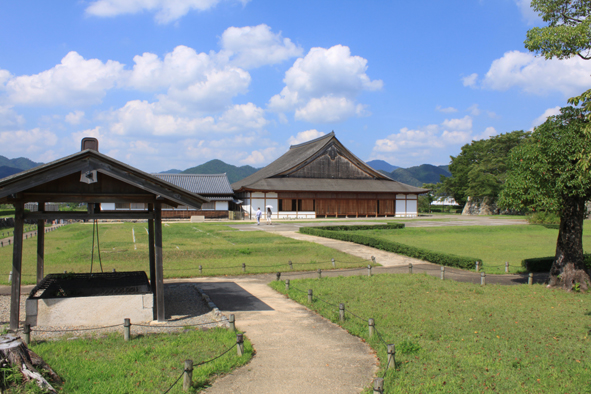
日本語 English 篠山城の二の丸には大書院の他に台所や役人の詰所のような生活空間があり、さらに奥には城主の居間や奥御殿、その南側には庭園があった。こうした当時の様子は現存しておらず、間取り図や絵図、発掘調査などによって判明した御殿の間取りを平面表示している。 所在地:北新町1-1 The Ninomaru bailey of Sasayama Castle had living spaces apart from the Ohshoin guest space which appeared to be kitchens and offices for government officials, and it had the castle lord's living room and private quarters further in the back and a garden on the south side. This state at the time does not exist in present day, and there are flat displays of the palace layout that have been made known through layout diagrams, illustrations, excavation and research, etc. Location:Kitashinmachi 1-1
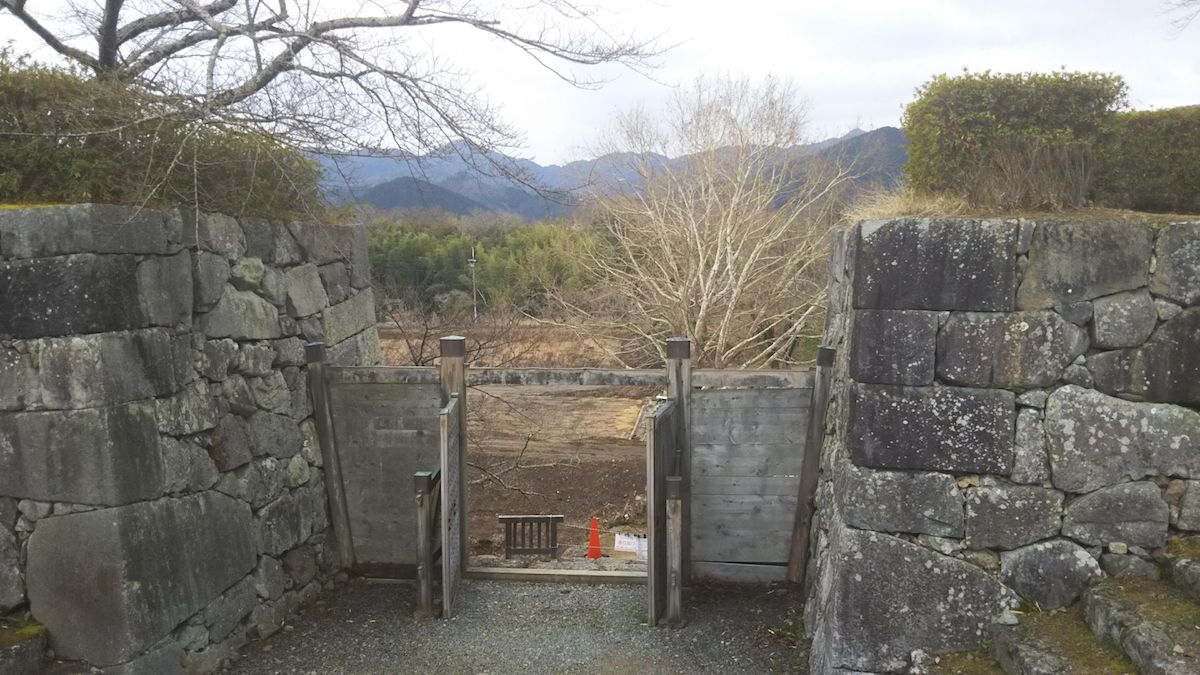
日本語 English 篠山城埋門は二の丸の南側にあり、敵に攻められて城内に立てこもる時に土で埋め立てて遮断できるようになっていた。正保元年(1614)に作成された『正保城絵図』を見ると、ここに櫓があり、強固な守りを誇っていたことがうかがえる。 所在地:北新町1-1 The Sasayama Castle Uzumimon gate was on the south side of the Ninomaru bailey, and it was made so that it could be filled in and cut off when shutting up inside the castle due to being attacked by the enemy. Looking at the "Shoho Castle Illustrations" created in the first year of the Shoho era (1614), there was a turret here, and it can be seen that it displayed strong defenses. Location:Kitashinmachi 1-1
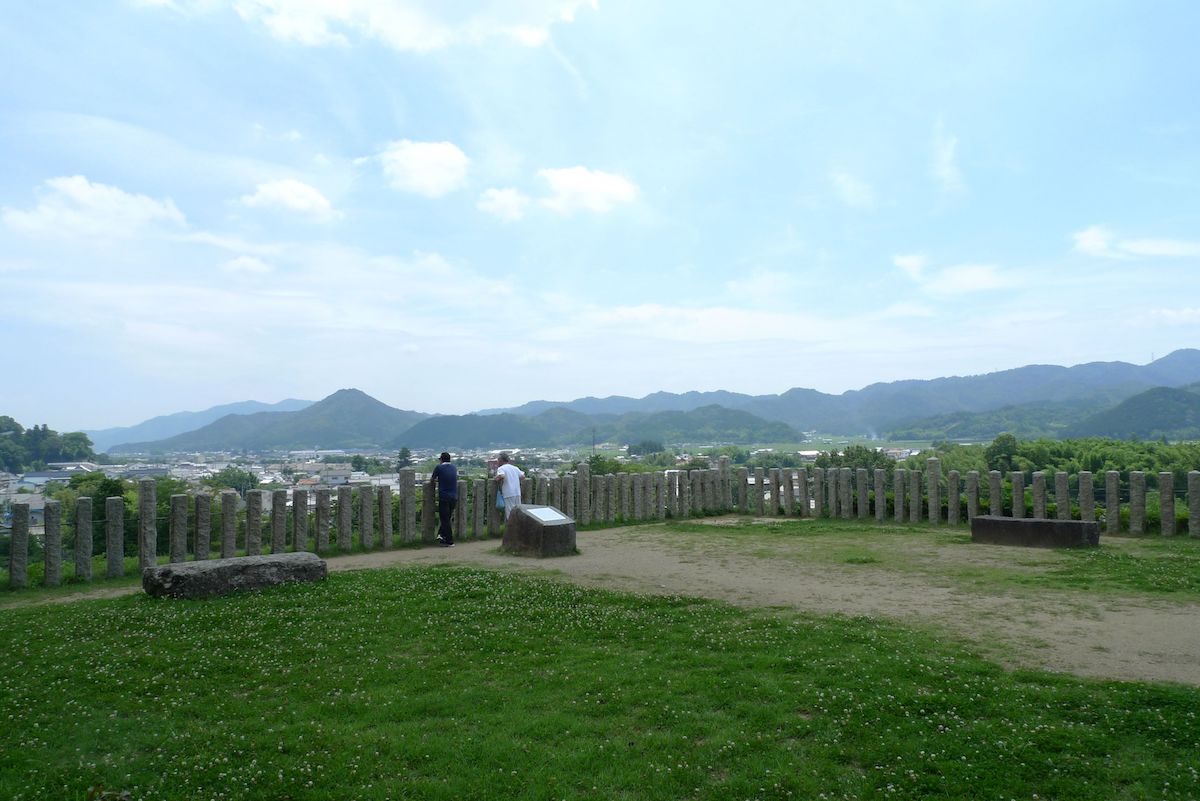
日本語 English 篠山城には、築城を命じた徳川家康が実践向きの城を早急に築くことを望んだため、天守が築かれなかった。正保元年(1614)に作成された『正保城絵図』では「殿守土台 御殿守ハナシ」と書かれている。なお、「正保城絵図」の東端に描かれている山は、この天守台から見える八上城跡(戦国大名波多野氏の居城だった城)のある高城山である。 所在地:北新町1-1 Due to Ieyasu Tokugawa, who ordered the construction of the castle, wishing to quickly build a practical castle, no Tenshu keep was built on Sasayama Castle. In the "Shoho Castle Illustrations" created in the first year of the Shoho era (1614), it is written, "Tenshu Keep Base No Gotenshu Keep." Furthermore, the mountain drawn on the east edge in the "Shoho Castle Illustrations" is Takagiyama Mountain, which is where the Yakami Castle Ruins (the castle of the Sengoku daimyos of the Hatano Clan) that can be seen from this Tenshu Keep Base, is located. Location:Kitashinmachi 1-1
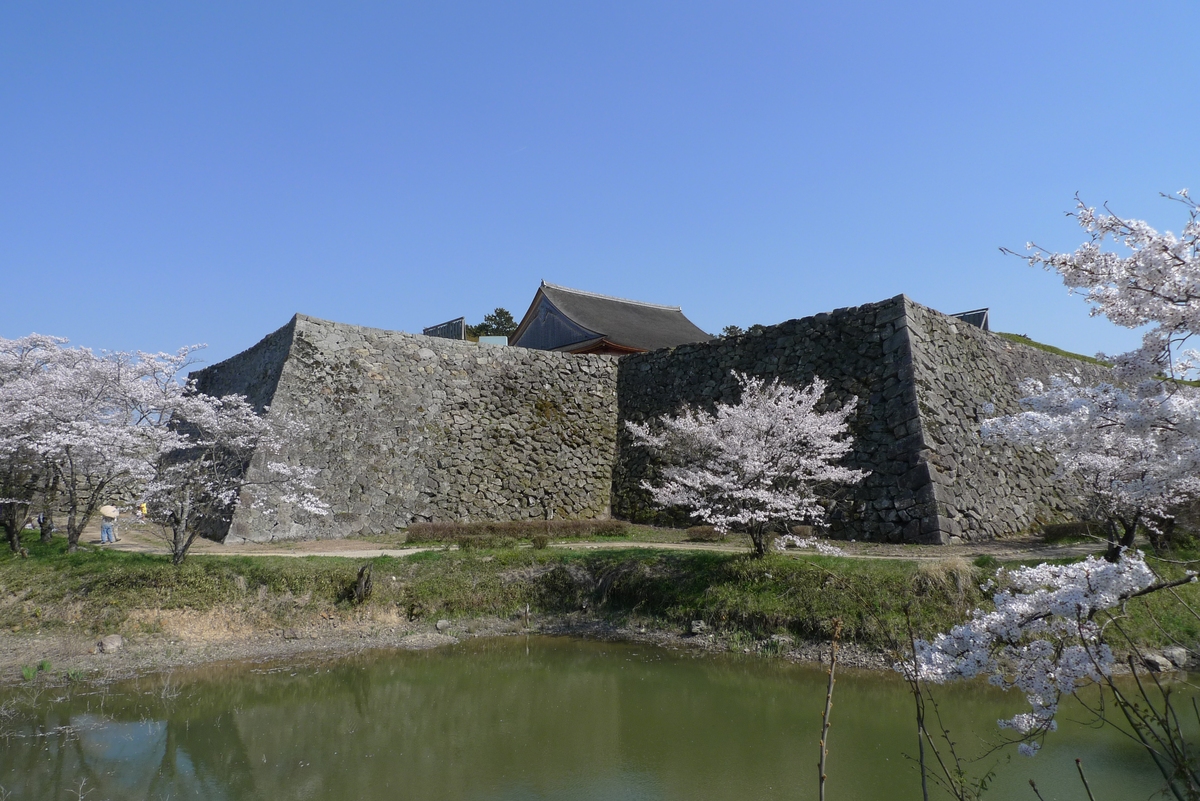
日本語 English 篠山城の石垣は、近江国(滋賀県)の穴太(あのう)から招かれた石工の指導によって築かれた。穴太衆は石垣の技術者集団として有名であり、その特徴である野面積(のづらづみ)と呼ばれる石に加工を加えない自然石を積む工法が使われている。なお、石垣全体の強度を上げるために、高石垣の出角には算木積(さんぎづみ)と呼ばれる石垣の長辺と短辺が交互になるように組み合わせた工法が用いられている。石垣には符号と呼ばれる印がつけられていることがあるが、篠山城の石垣には大阪城、名古屋城に次いで符号が多いといわれている。符号をつけた理由については石垣普請に参加した大名の間で石材の取り合いが起こらないようにした、石垣普請に携わった技術者集団の印であったなど様々な説がある。 所在地:北新町 The stone walls of Sasayama Castle were built through the guidance of stonemasons invited from Anou, Omi Province (Shiga Prefecture). The people of Anou were famous as a group of stone wall artisans, and their characteristic construction method called nozurazumi, which is stacking natural stones without adding processing to the stones, has been used. Furthermore, in order to raise the strength of the entire stone wall, they have used a construction method on the external corners of the high stone walls called sangizumi, which is having the long side and short side of the walls mutually combine. Marks called fugo are sometimes placed on stone walls, but Sasayama Castle is said to have a large number of fugo after Osaka Castle and Nagoya Castle. There are various theories on the reason behind placing the fugo, such as it was to ensure a scramble for stones would not happen between the daimyo who took part in the construction of the stone walls, or it was the mark of the group of artisans who participated in the construction of the stone walls. Location:Kitashinmachi

日本語 English 三の丸には、北側に諸役所や対面所(主従関係にある武士が対面する際に使用した施設)を置き、東側と西側には本丸と二の丸を取り囲むように屋敷が配されていた。正保元年(1614)に作成された『正保城絵図』では、三の丸の四隅が馬出と櫓で囲まれており、強固な守りを誇っていたことがうかがえる。また、三の丸の北東の内堀寄りには米蔵があった。 所在地:北新町1-1 In the Sannomaru bailey, government offices and audience halls (facilities used when samurai of master-servant relations met with each other) were placed on the north side, and on the east and west sides, estates were arranged in a way so that they surrounded the Honmaru and Ninomaru baileys. In the "Shoho Castle Illustrations" created in the first year of the Shoho era (1614), the four corners of the Sannomaru bailey were surrounded by Umadashi and turrets and it can be seen that they displayed strong defenses. Furthermore, there was a rice granary near the inner moat on the northeast of the Sannomaru bailey. Location:Kitashinmachi 1-1
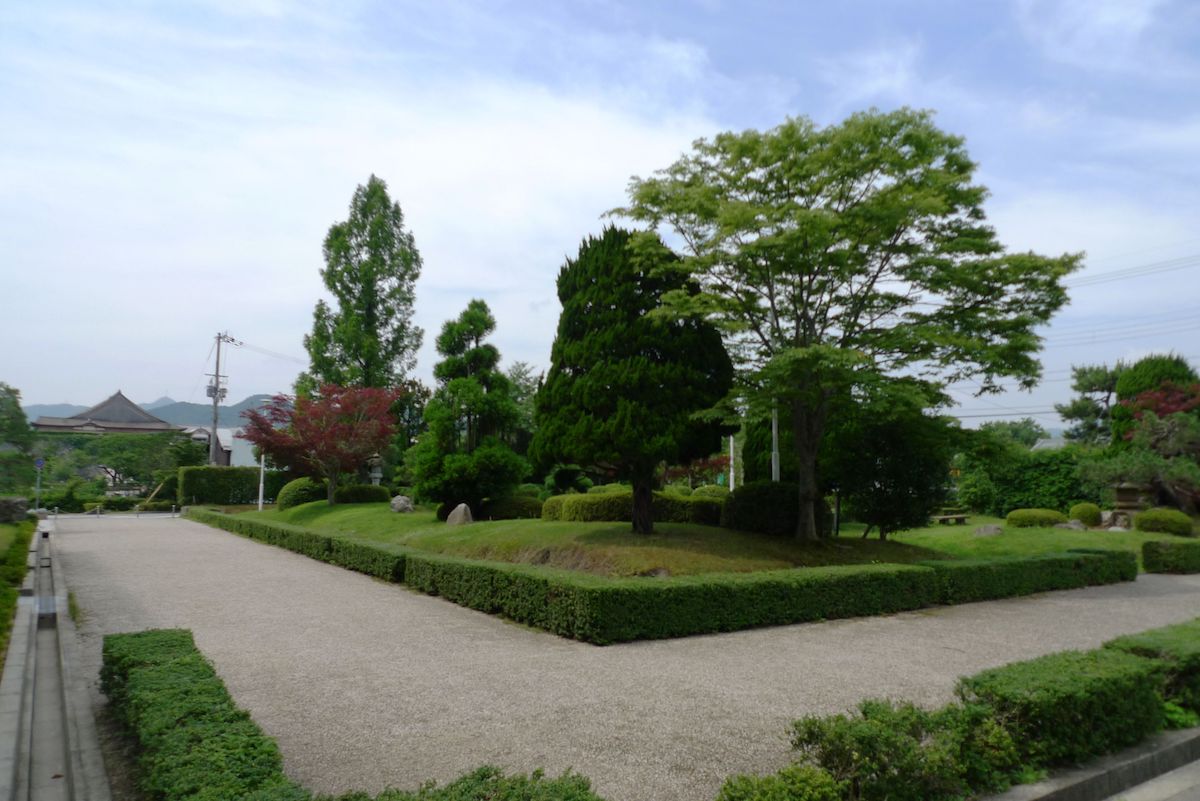
日本語 English 馬出とは、城で入口の守りを固めるために外堀の外側に作られた区域であり、城から攻めだす時には兵馬を集めて一斉に攻撃する時にも使われた。馬出は城の大手(城の正面)、東、南に設けられた。大手馬出は大正10年(1921)に埋め立てられ、現在は土塁の一部が残っている。正保元年(1614)に作成された『正保城絵図』では、大手馬出の近くに大手門が描かれている。篠山城には他に東門と南門があったが、いずれも櫓門(やぐらもん)と呼ばれる櫓を載せた門であり、強固な守りを誇っていたことがわかる。 所在地:北新町 Umadashi are areas built on the outside of the outer moat in order to strengthen the defenses of the castle entrance, and they were also used when attacking from the castle by gathering the army together and attacking all at once. Umadashi were set up in the Oote (the front of the castle), the east and the south. In the tenth year of the Taisho period (1921), the Oote Umadashi was filled in, and at present, a part of the earthwork is left. In the "Shoho Castle Illustrations" created in the first year of the Shoho era (1614), the Ootemon Gate is drawn near the Oote Umadashi. Sasayama Castle also had the east gate and the south gate, but both were gates that had turrets called Yaguramon placed on them, and it can be seen that they displayed strong defenses. Location:Kitashinmachi
 寺社
寺社

日本語 English 王地山まけきらい稲荷は元和5年(1619)、本経寺と同時に建立された。江戸時代中期には、本拝殿一棟の建物があったが、明治20年(1887)に焼失した。明治23年(1890)、現在の拝殿が建立され、昭和31年(1956)には中殿と本殿が建立された。 〇説話「負け嫌いのお稲荷さん」 篠山に残る説話の1つ。江戸時代では毎年春と秋に江戸で大相撲が開かれていたが、篠山の相撲取りは負けてばかりであった。当時の藩主青山忠裕(あおやまただやす)は負けるのが嫌いで、相撲の時期はいつも不機嫌になっていた。ある年の春場所のときに、10人の相撲取りが忠裕の前に現れ、自分たちに相撲を取らせてほしいと願い出てきた。試しに相撲を取らせたところ連戦連勝を飾った。喜んだ忠裕は相撲取りたちに褒美を与えようとしたが、後で調べてみても10人の相撲取りはどこにもおらず、相撲取りの名前は全員青山家領地にあるお稲荷さんをまつっている村の名前であるということが分かった。それを知った忠裕は、それぞれのお稲荷さんへ感謝の気持ちを込めたのぼり旗や絵馬を供えた。篠山市西岡屋にある飛の山三四郎稲荷には、そののぼり旗や絵馬が大切に残されている。この説話から王地山の稲荷神社は必勝祈願の神様として知られている。 所在地:河原町 Oojiyama Makekirai Inari was constructed in the fifth year of the Genna era (1619) at the same time as Honkyo-ji Temple. There was a single main hall of worship building in the middle of the Edo period, but it burned down in the 20th year of the Showa period (1887). In the 23rd year of the Meiji period (1890), the present hall of worship was constructed, and in the 31st year of the Meiji period (1956), the offertory hall and the sanctuary was constructed. 〇Story "The Inari Who Hated to Lose." One of the stories left in Sasayama. In the Edo period, a grand sumo tournament was held every year in the spring and fall seasons, but the sumo wrestlers of Sasayama were always losing. The ruler of the Domain at the time, Tadayasu Aoyama, hated losing, and so was always in a bad mood at the time of sumo. One year in the spring grand sumo tournament, ten sumo wrestlers appeared before Tadayasu and requested that they be allowed to partake in the sumo wrestling. After trying them out in the sumo wrestling, they crowned themselves with a succession of victories. Overjoyed, Tadayasu was about to give them a reward, but when he looked for them afterwards, the ten sumo wrestlers were nowhere to be seen, and the names of all the sumo wrestlers were found to be the names of the Aoyama Family Domain's villages where the Inari deity was enshrined. Upon knowing this, Tadayasu made an offering of banner flags and ema plaques filled with feelings of gratitude to each Inari deity. The same banner flags and ema plaques are carefully kept in Tobinoyama Sanshiro Inari in Nishiokaya, Sasayama City. From this story, Oojiyama Inari Shrine is known as a shrine of a deity for praying for victory. Location:Kawaramachi

日本語 English 観音寺は永禄5年(1562)に創立された曹洞宗の禅寺である。多紀郡(ほぼ現在の篠山市にあたる)を治めた戦国大名波多野秀治の母の働きかけによって、現在の篠山市知足にあった寺が八上城下に移築したされた。波多野氏が滅亡した後、篠山城築城に伴い慶長15年(1610)河原町の現在地に移転した。本堂は河原町に移転後、寛文10年(1670)1月11日に建立された。なお、現在の本堂は享保10年(1725)に再建されたものである。所有する木造十一面観音立像は平安時代の作品とも伝えられるものである(市指定文化財)。 所在地:河原町165 Kannon-ji Temple is a Zen temple of the Soto school founded in the fifth year of the Eiroku era (1562). Through the influence of the mother of Hideharu Hatano, the Sengoku daimyo who ruled Taki County (which is almost where Sasayama City is now), the temple, which was located where Chisoku, Sasayama City is now, was removed and rebuilt in the castle town of Yakami Castle. After the fall of the Hatano Clan, it moved to its present location in Kawaramachi in the 15th year of the Keicho era (1610), accompanying the construction of Sasayama Castle. The main hall was constructed after it was moved to Kawaramachi, on January 11th of the tenth year of the Kanbun era (1670). Furthermore, the present main hall was rebuilt in the tenth year of the Kyoho era (1725). The Wooden Statue of the Standing Eleven-Faced Kannon in its possession is said to be a piece from the Heian period (city-designated cultural property). Location:Kawaramachi 165
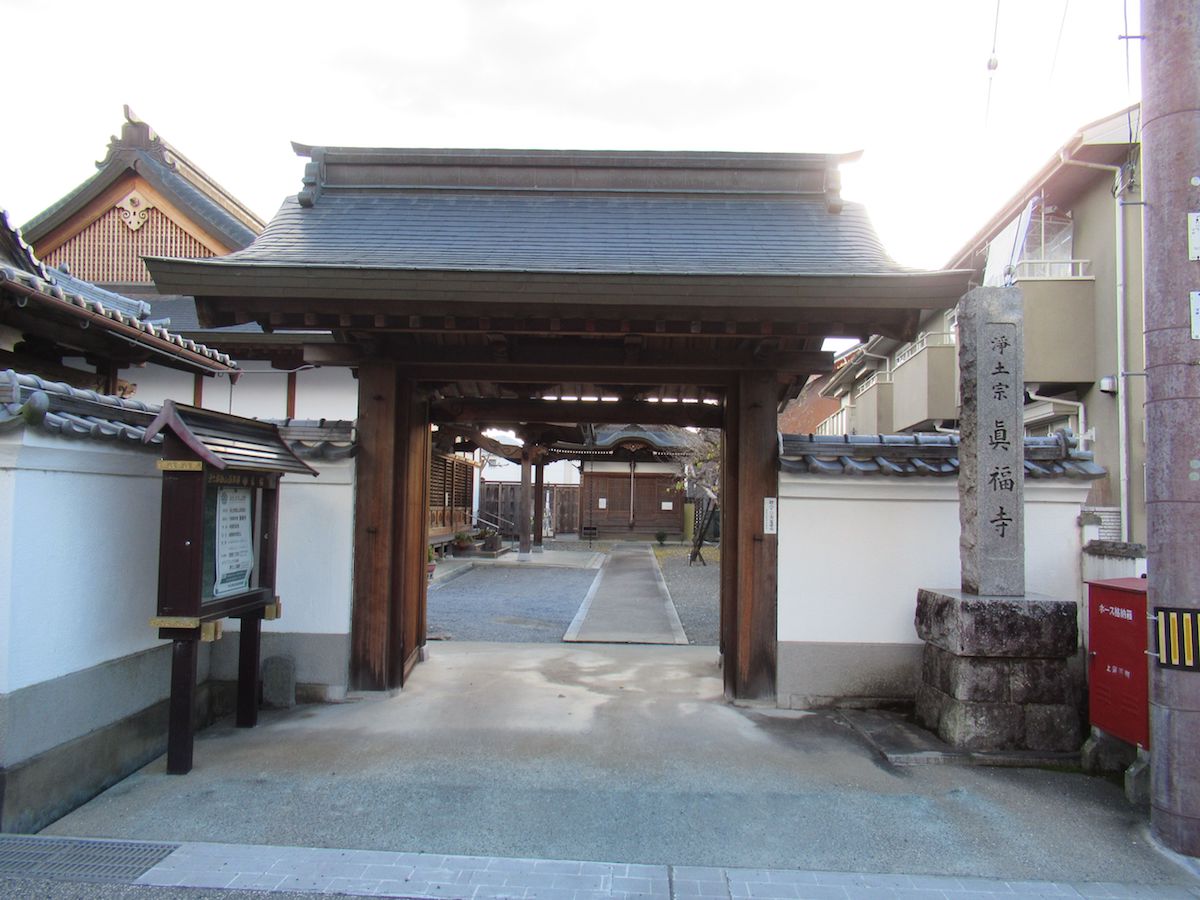
日本語 English 真福寺は魚屋町にある誓願寺の末寺であり、文禄2年(1593)の創建と伝えられている。もともとは八上城下にあったが、度重なる戦で焼失し、城下から離れた八上下の地に移り、慶長15年(1610)には篠山城築城に伴い現在の場所に移ったとされている。 所在地:河原町70 Shinpuku-ji Temple is a branch temple of Seigan-ji Temple, which is in Uoyamachi, and it is said to have been founded in the second year of the Bunroku era (1593). It is stated that it was originally in the castle town of Yakami Castle, but it burned down due to frequent wars and moved to the land of Yakamishimo away from the castle town, and then moved to its present location in the 15th year of the Keicho era (1610), accompanying the construction of Sasayama Castle. Location:Kawaramachi 70
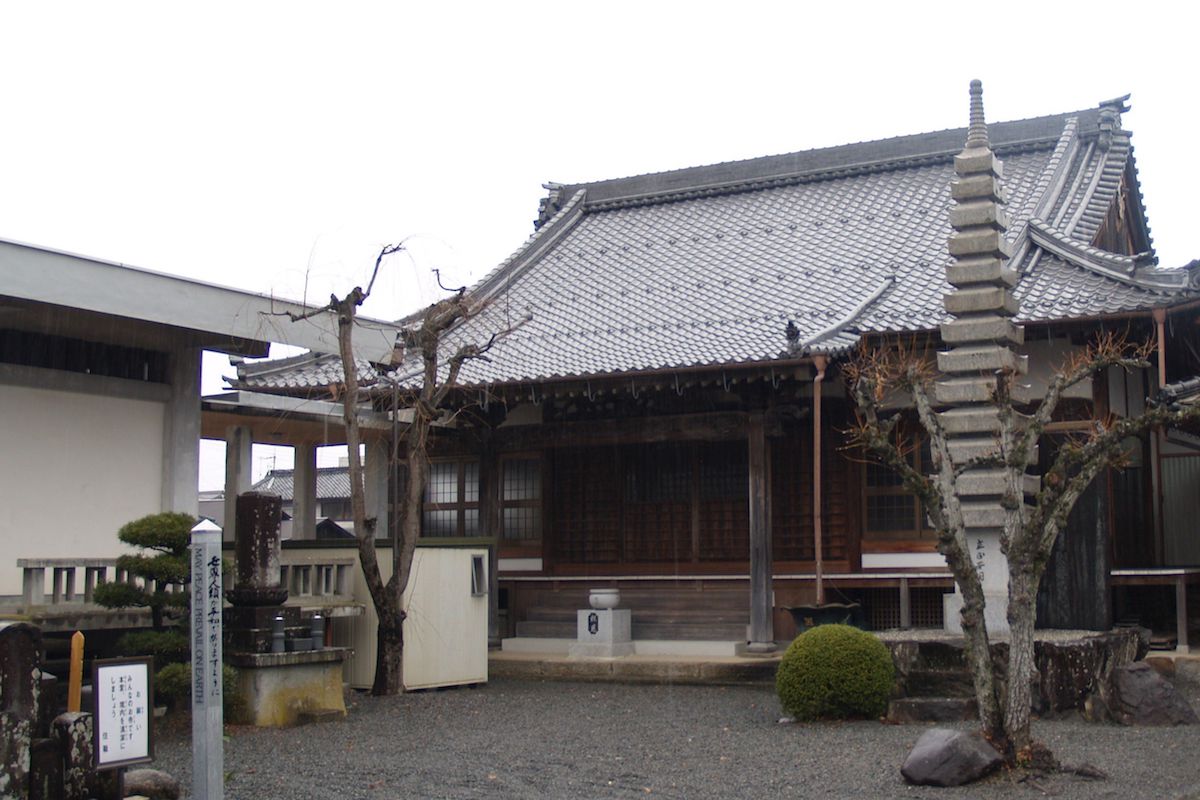
日本語 English 天文年間(1542~1548)に開山した伝えられている日蓮宗の寺院。永禄年間(1558~1569)、八上城主であった松永孫六により八上山中に移され、慶長16年(1611)8月に現在地へ移転した。寺宝である「木造日蓮上人坐像」は室町時代の作品であると伝えられている(市指定文化財)。 所在地:西町41 The temple of the Nichiren school said to have been founded in the years of the Tenbun era (1542-1548). It was moved to the Yakami mountains in the years of the Eiroku era (1558-1569) by Magoroku Matsunaga, the ruler of Yakami Castle, and it was moved to the present area in August of the 16th year of the Keicho era (1611). The temple treasure, the "Wooden Statue of Saint Nichiren Seated" is said to be a piece from the Muromachi period (city-designated cultural property). Location:Nishimachi 41
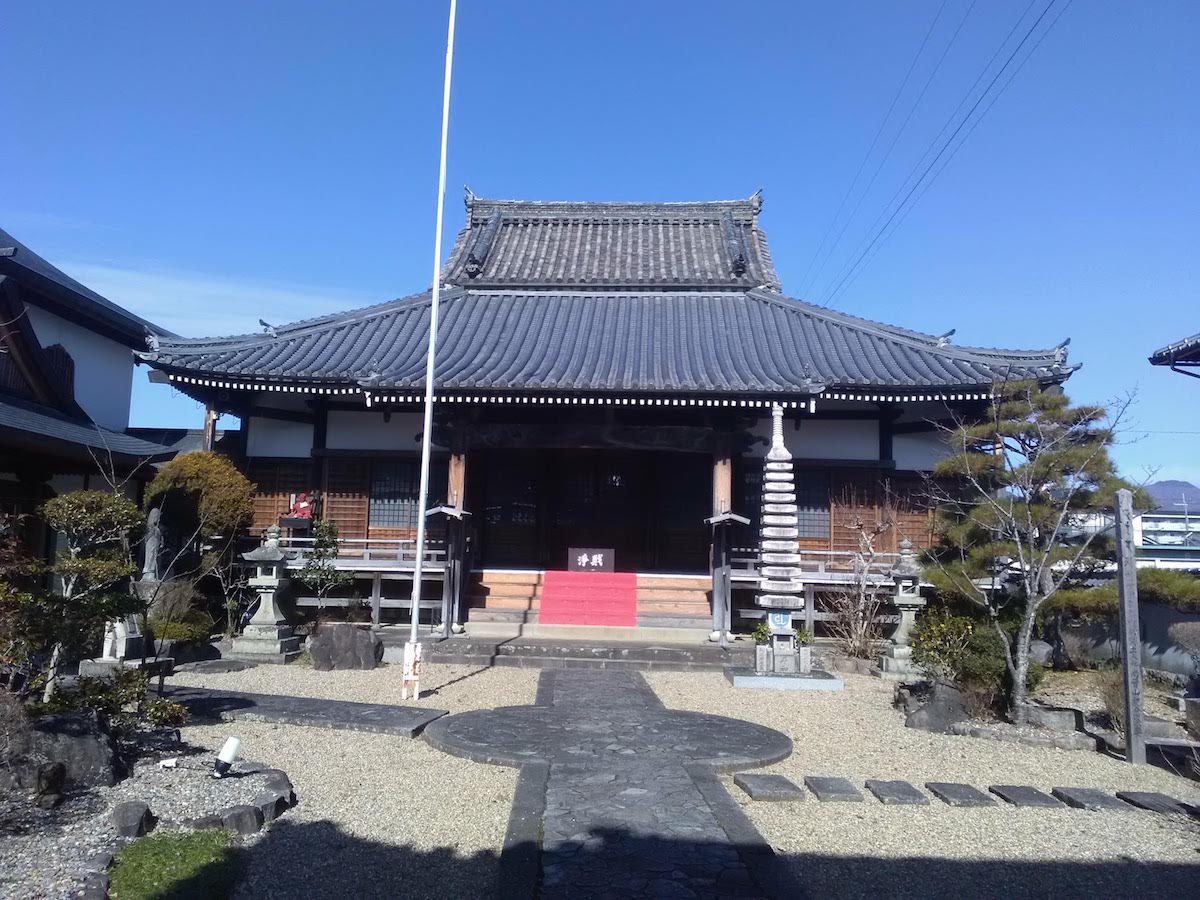
日本語 English 誓願寺は僧の天誉(室町幕府13代将軍足利義輝の子)が、多紀郡(ほぼ現在の篠山市にあたる)を治めた戦国大名波多野秀治の保護を受けて天正年間(1573~92)八上城下に創建した寺で、篠山城築城に伴い慶長15年(1610)に現在の地へ移築したものである。正保元年(1614)に作成された『正保城絵図』には「誓願寺町」の名前が確認できる。 楼門は修理は施されているものの室町時代の建築様式を残している貴重なものである(市指定文化財)。 所在地:魚屋町 The priest, Tenyo (the child of Yoshiteru Ashikaga, the 13th Shogun of the Muromachi Shogunate) founded Seigan-ji Temple in the castle town of Yakami Castle in the years of the Tensho era (1572-1592) while receiving protection from the Sengoku daimyo, Hideharu Hatano, who ruled Taki County (which is almost where Sasayama City is now), and it was removed and rebuilt in the present area in the 15th year of the Keicho era (1610), accompanying the construction of Sasayama Castle. The name, "Seigan-ji Temple Town" can be confirmed in the "Shoho Castle Illustrations" created in the first year of the Shoho era (1614). Although repairs have been carried out on the tower gate, it is a valuable gate in which the style of architecture of the Muromachi period remains (city-designated cultural property). Location:Uoyamachi

日本語 English 弘治元年(1555)に祇園社領波々伯部の地に創立された。後に八上城下に移築され、慶長15年(1610)篠山城築城とともに鬼門除けとして現在地に移築された。文化4年(1807)に大火災のため焼失した。現在の本堂及び庫裡は文政2年(1819)に再建されたものである。 所在地:立町145-1 Founded in the area of Hohokabe of the Gion Shrine domain in the first year of the Koji era (1555). Afterwards, it was removed and rebuilt in the castle town of Yakami Castle and was removed and rebuilt in the present location in the 15th year of the Keicho era (1610), alongside the construction of Sasayama Castle, to drive away bad luck from the unlucky direction. It burned down due to a great fire in the fourth year of the Bunka era (1807). The present main hall and the priest's living quarters had been rebuilt in the second year of the Bunsei era (1819). Location:Tatsumachi 145-1
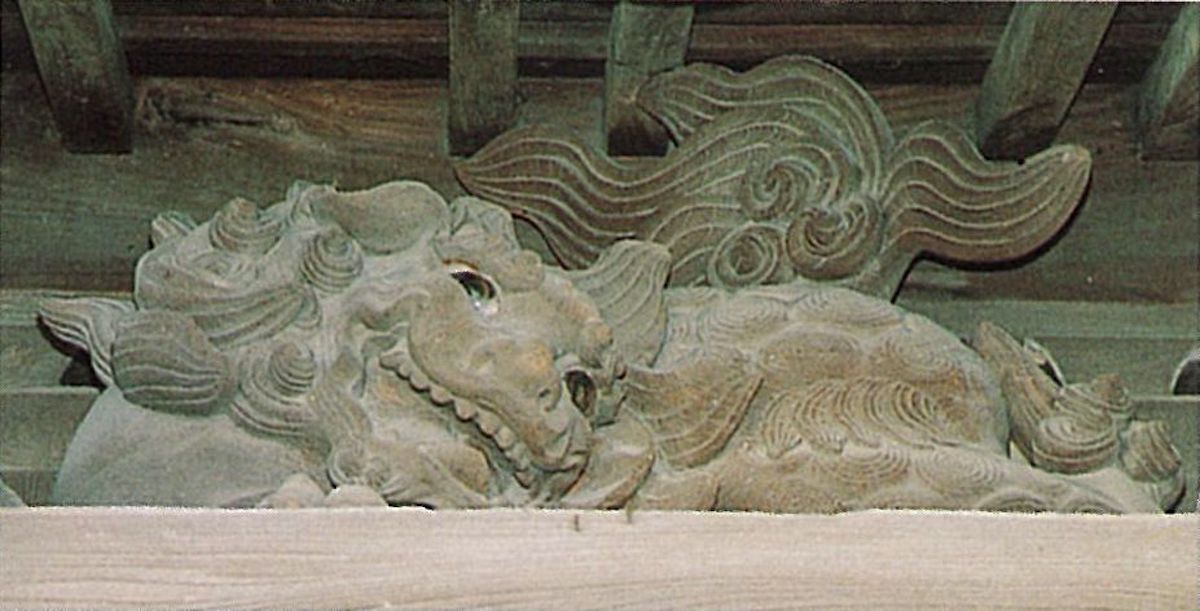
日本語 English 尊宝寺は永正3年(1506)2月に創建された。当初は天台宗の寺院であったが、後に浄土真宗に改宗した。多紀郡(ほぼ現在の篠山市にあたる)を治めた戦国大名波多野氏の崇敬が厚く、八上城の鬼門除けの祈願所となっていた。篠山城の築城に際し、同じく鬼門除けを目的として現在地へ移築された。 寺の山門の屋根下には木造の唐獅子がうずくまっている。文化4年(1807)2月18日、立町が大火に見まわれた時に、類焼して寺は焼失したが山門だけは猛火に包まれながらも焼け残ったという。あまりの不思議さに、「この唐獅子が火焔を吹き消したのだ」といわれている。姿態と表情の優秀さを物語る、唐獅子にまつわった伝説である(市指定文化財)。 所在地:立町141 Sonpo-ji Temple was founded in February of the third year of the Eisho era (1506). Originally, it was a Buddhist temple of the Tendai school, but afterwards it was converted to the Jodo Shinshu school. It was deeply revered by the Hatano Clan, the Sengoku daimyos that ruled Taki County (which is almost where Sasayama City is now), and it had become a place of prayer for driving away bad luck from the unlucky direction of Yakami Castle. When Sasayama Castle was being constructed, it was removed and rebuilt in its present area with the same aim of driving away bad luck from the unlucky direction. Beneath the roof of the temple gate crouches a lion made of wood. When Tatsumachi was struck by a great fire on February 18th in the fourth year of the Bunka era (1807), the temple caught fire and burned down, but only the temple gate remained despite being engulfed by raging flames. Due to it being so strange, it has been said that "That lion blew out the flames." It is a legend related to the lion that tells of excellent figure and expression (city-designated cultural property). Location:Tatsumachi 141
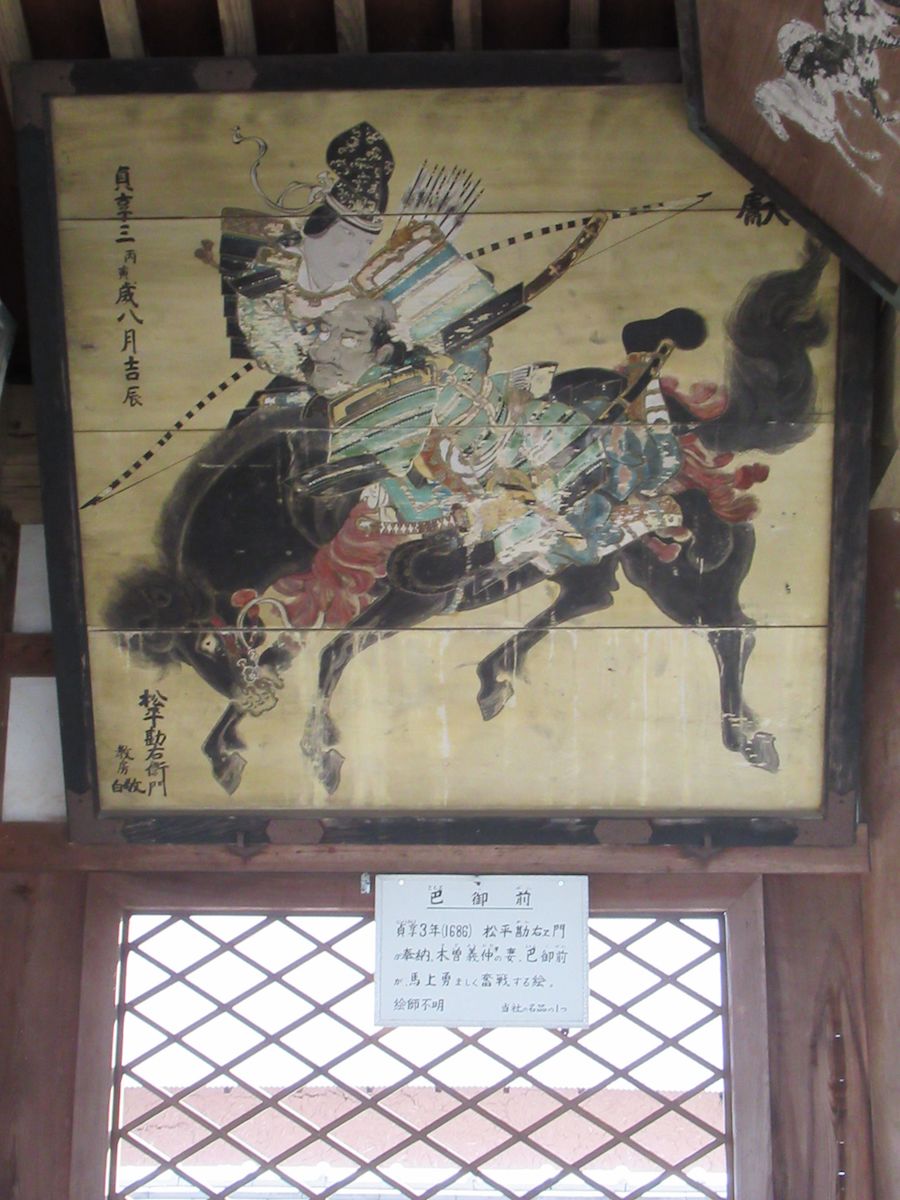
日本語 English (1)春日神社 平安時代はじめの貞観年間(859~877)に日置荘を所領としていた藤原氏が氏神である大和国(現在の奈良県)の春日大社より、笹山(現在篠山城のある丘陵)の地に歓請(かんじょう:仏神を新たに寺社に迎えること)したのが始まりとされている。 慶長14年(1609)、笹山に篠山城が築城されたことにより現在の黒岡の地に移されたと伝えられている。 (2)能舞台 春日神社の境内にあり、能楽愛好者として知られた篠山藩第13代藩主青山忠良(あおやまただなが)が、文久元年(1861)に寄進建立したものである。藩主の趣向に合わせて凝った造りとなっており、舞台背景には鏡板の松が描かれ、床板を踏む音を反響させるために床下には丹波焼の大甕が配置されている。当時、箱根より西において最も立派な能舞台であったという。 現在でも能舞台として使われており、毎年1月には元朝能「翁」が、4月には「春日能」が開催されている。 平成15年(2003)には「本格的で装飾も優れた西日本屈指の近世能舞台」として国の重要文化財に指定された。 (3)絵馬①黒神馬絵馬(くろしんめのえま) 慶安2年(1649)に、篠山藩第3代藩主松平忠国が明石へ転封の際に奉納した絵馬で、黒岡春日神社の絵馬堂に掲げられている。 江戸時代に活躍した狩野派の絵師の1人である狩野尚信(かのうなおのぶ)の筆と伝えられる見事な作品である。その勢いある画風から、黒神馬が絵から抜けだして畑の豆を食い荒らすため、金網を張って絵から出られないようにしたという話が伝えられている(市指定文化財)。②大森彦七絵馬 「大森彦七南朝の雄魂に悩まされる図」と題する絵馬である。大森彦七は室町幕府を開いた足利尊氏の家来で、湊川合戦において楠木正成に詰腹を切らせた応報として、敵対していた南朝の諸雄の霊魂に悩まされたという。その故事(太平記)をもとにして描かれたものである(市指定文化財) 所在地:黒岡75 (1)Kasuga Shrine It is said that Kasuga Shrine began when the Fujiwara Clan, which had Hikisho as its fiefdom in the years of the Jogan era at the start of the Heian period (859-877), carried out kanjo (which refers to newly inviting Buddhas or deities to temples or shrines) from where their patron deity was in Kasuga Grand Shrine of Yamato Province (now Nara Prefecture) to the land of Sasayama (which is now the hill where Sasayama Castle is). In the 14th year of the Keicho era (1609), it was moved to its present area in Kurooka due to Sasayama Castle being constructed in Sasayama. (2)The Noh Stage The Noh stage is in the shrine grounds of Kasuga Shrine, and it was donated and constructed in the first year of the Bunkyu era (1861) by Tadanaga Aoyama, the 13th feudal lord of the Sasayama Domain who was known as a fan of Noh plays. It is an elaborate make in accordance with the ideas of the feudal lord, and pines are depicted on the kagami-ita for the stage background, and giant Tamba ware pots are placed beneath the floor in order to have the sounds of stepping on the floorboards echo. It was said to have been the grandest Noh stage in the west, more than that of Hakone. It is still used as a Noh stage today, and every year in January, the New Year's Noh, "Okina," is held, and in April, the "Kasuga Noh" is held. In the 15th year of the Heisei period (2003), it was designated as an important cultural property of the country as "one of the best early modern Noh stages in western Japan that is genuine and with excellent decorations as well." (3)Ema①The Kuroshinme no Ema Plaque The ema plaque that was dedicated in the second year of the Keian era (1649) by Tadakuni Matsudaira, the third feudal lord of the Sasayama Domain, when he moved to Akashi due to tenpo, and it is hung in the Ema Plaque Hall of Kurooka Kasuga Shrine. It is a beautiful piece said to have been painted by the brush of Naonobu Kano, one of the painters of the Kano school who was active in the Edo period. From that powerful style of painting, there is a story saying that as the black sacred horse would escape from the painting and devour the beans of the field, wire netting was stretched across to stop it from coming out of the painting (city-designated cultural property).Hikoshichi Oomori Ema Plaque An ema plaque titled, "Illustration of Hikoshichi Oomori Being Troubled By Souls of the Men of Nancho." Hikoshichi Oomori was a retainer of Takauji Ashikaga, who established the Muromachi Shogunate, and as retribution for forcing Masahige Kusunoki to commit seppuku in the Battle of Minatogawa, he was troubled by the souls of the men of Nancho, who they were fighting against. This ema plaque was painted with that legend (Taiheiki) as the foundation (city-designated cultural property). Location:Kurooka 75
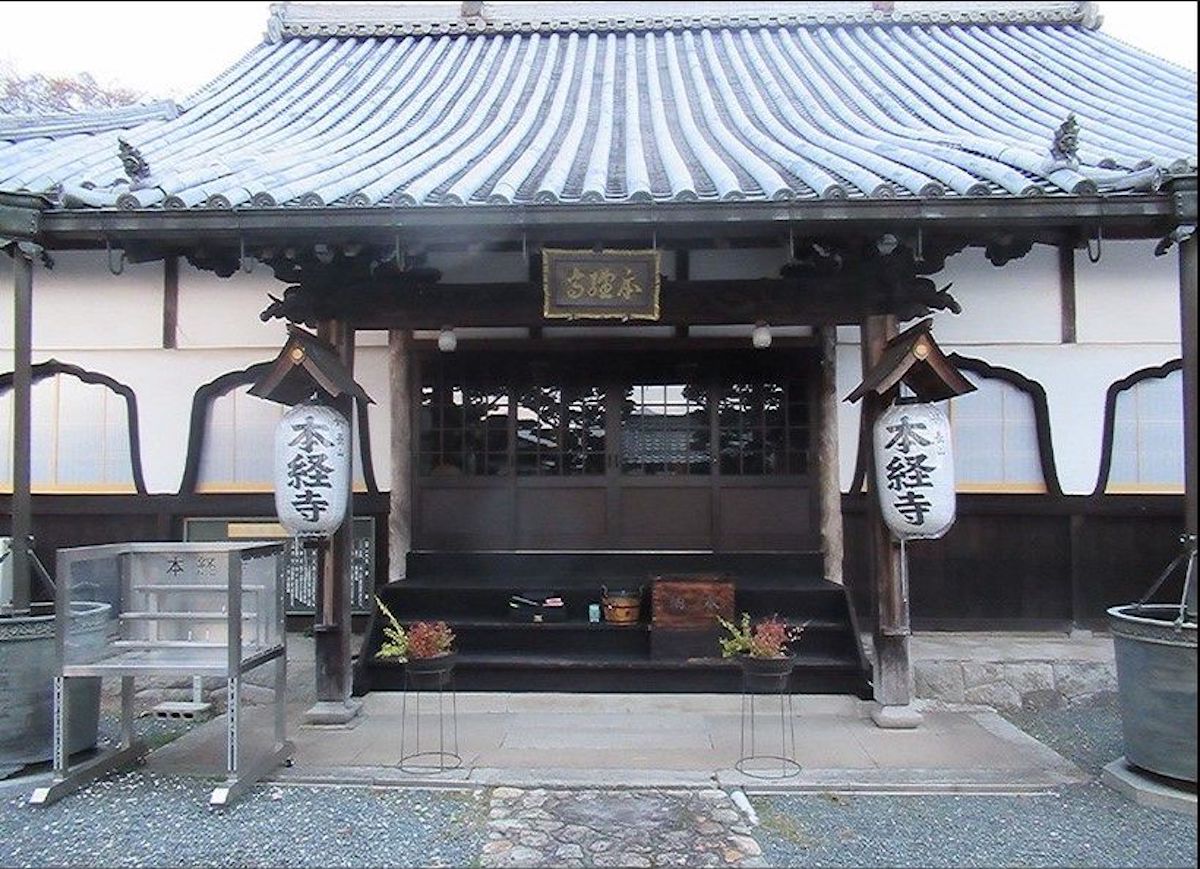
日本語 English 慶長6年(1601)、常陸国土浦(現在の茨城県土浦市)に建立された日蓮宗の寺院であり、元和5年(1619)に篠山藩第2代篠山城主の松平信吉が転封(大名が領地を移すこと)で篠山に移った時に、土浦から現在の地に移ったとされる。また、境内には貝の這い跡の化石が残されており、当時この一帯が湿地帯であったことを物語っている(市指定天然記念物)。 所在地:河原町92 Honkyo-ji Temple is a Buddhist temple of the Nichiren school constructed in the sixth year of the Keicho era (1601) in Tsuchiura, Hitachi Province (which is where Tsuchiura City, Ibaraki Prefecture is now), and when the second lord of Sasayama Castle of the Sasayama Domain, Nobuyoshi Matsudaira moved to Sasayama due to tenpo (referring to when daimyos move domains) in the fifth year of the Genna era (1619), the temple moved from Tsuchiura to its present area. Moreover, fossils of crawl marks of shells have been left in the temple grounds, which tells of how this whole area was wetlands at the time (city-designated natural monument). Location:Kawaramachi 92
 文化
文化
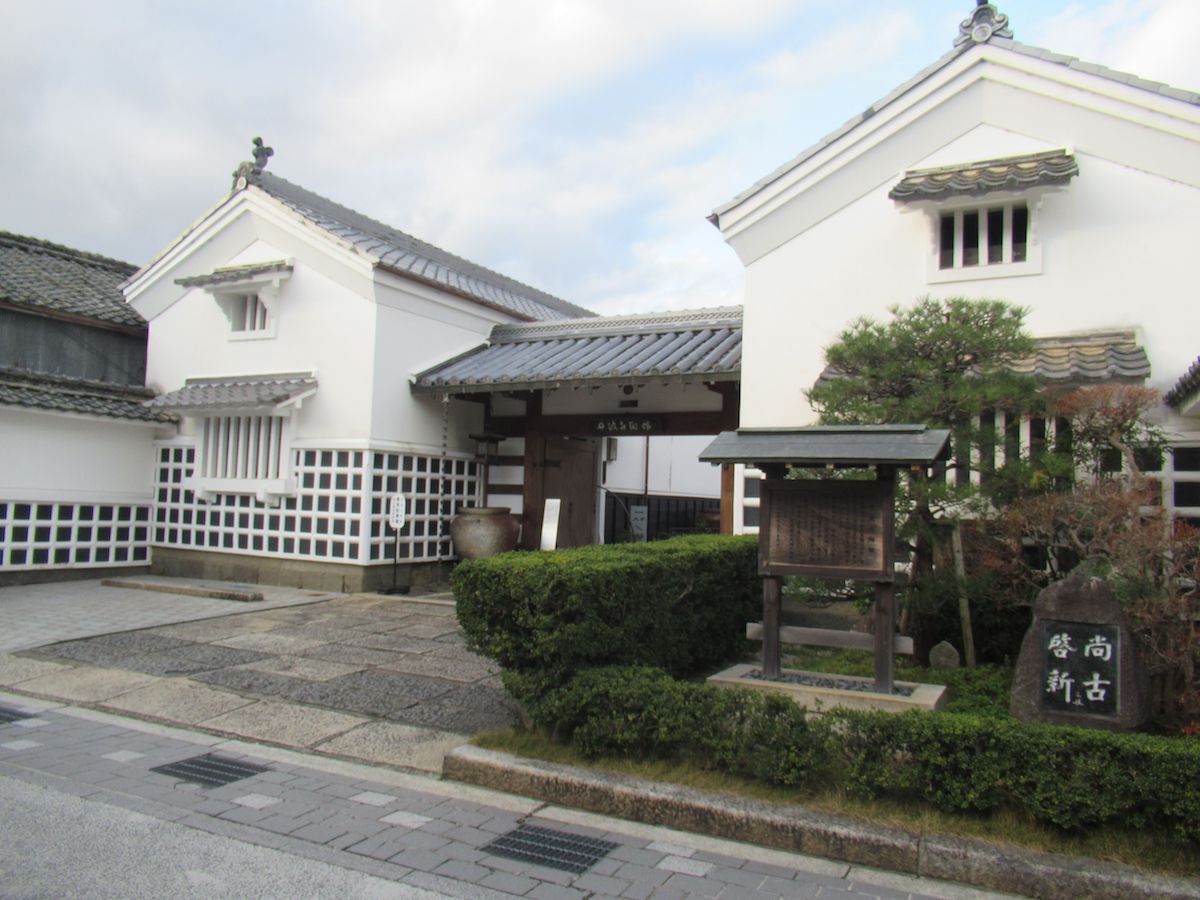
日本語 English 丹波古陶館は明治12年(1880)に建てられたもので、当時は両替屋の米蔵として利用されていた。門を挟む二つの蔵が特徴的な建物である。 古丹波コレクションは、丹波古陶館に収蔵展覧されている丹波焼の作品群であり、平安時代から江戸時代末期までに作られた作品の中でも、特に芸術的な価値が高い312点の作品を指す(兵庫県指定文化財)。 所在地:河原町185 The Old Tamba Pottery Museum was built in the 12th year of the Meiji period (1880), and at the time, it was used as a rice granary of a money-exchange store. It is a building with a distinctive storehouse on each side of the gate. The Old Tamba Collection is a group of Tamba ware works that are housed and displayed in the Old Tamba Pottery Museum, and refers to 312 pieces with especially high artistic value, even among the pieces made from the Heian period to the end of the Edo period (Hyogo Prefectural designated cultural property). Location:Kawaramachi 185
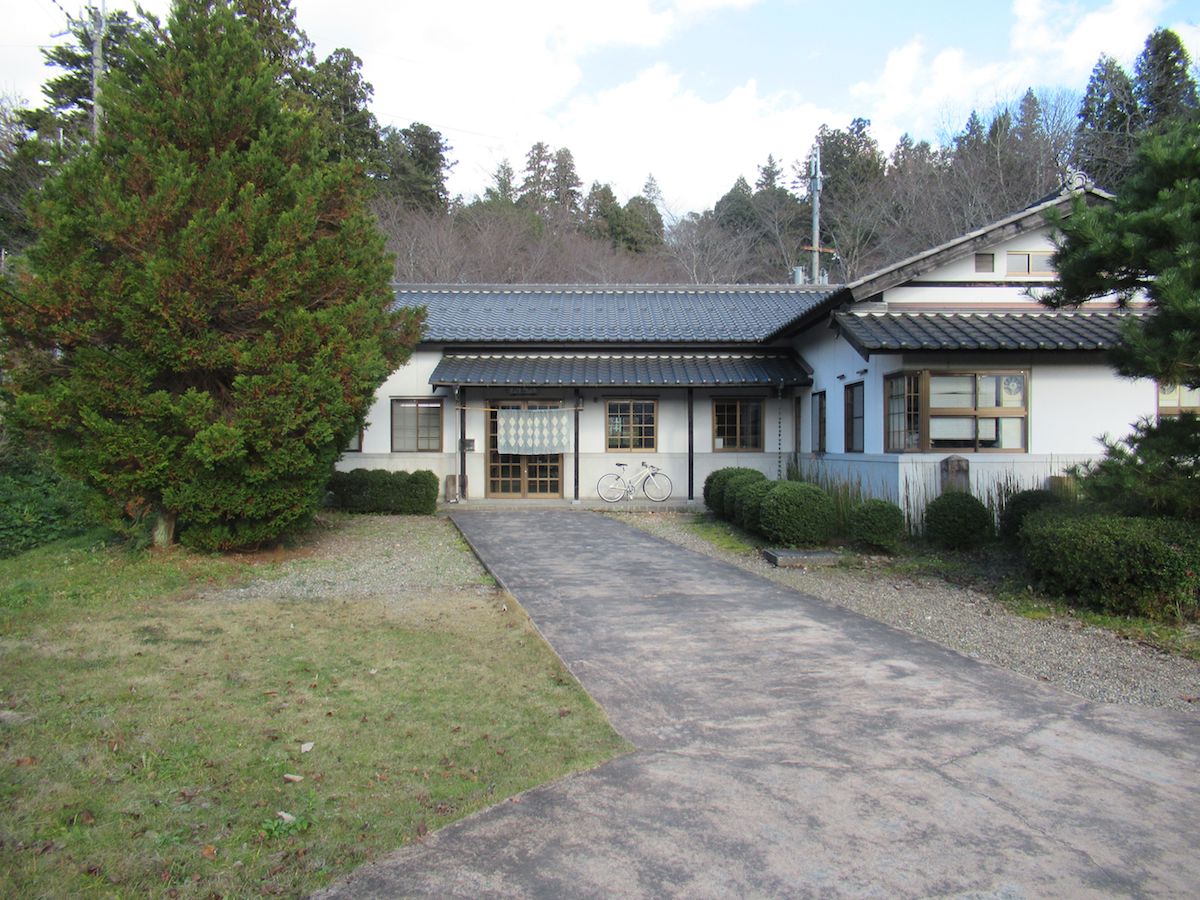
日本語 English 王地山焼の起源は、江戸時代末期の文政元年(1818)にさかのぼり、篠山藩第12代藩主青山忠裕(あおやまただやす)が王地山(篠山市河原町)の地に、京焼の名工として知られていた欽古堂亀祐(きんこどうかめすけ)を招いて始めた藩窯(藩が経営した窯のこと)がその発祥といわれている。 築窯時期から、王地山陶器所として名声を博したが、廃藩とともに明治2年(1870)に廃窯となって以来、その伝統が途絶えていた。現在の王地山陶器所は、かつて陶器所があった場所の近くに、当時の篠山町が昭和63年(1988)に再興したものである。現在でも当時の技法を忠実に再現した王地山焼を制作している。 所在地:河原町431 王地山陶器所公式HP:http://www.withsasayama.jp/ojiyama/ The beginning of Oujiyama ware goes back to the first year of the Bunsei era (1818), and it is said that its origin was when Tadayasu Aoyama, the 12th feudal lord of the Sasayama Domain, invited Kamesuke Kinkodo, who was known as a skillful artisan of Kyo ware, to the Oujiyama area (Kawaramachi, Sasayama City) and started a Domain Kiln (a kiln managed by the Domain). From the time the kiln was constructed, it obtained fame as the Oujiyama Pottery, but its tradition ceased since the closing of the kiln in the second year of the Meiji era (1870) alongside the abolishment of the Domain. The present Oujiyama Pottery is the one that had been restored by what was Sasayamacho at the time in the 63rd year of the Showa period (1988) near the location where the original pottery was. Even now, it is producing Oujiyama ware that faithfully recreates the techniques of that time. Location:Kawaramachi 431 Oujiyama Pottery Place Official Home PageHP:http://www.withsasayama.jp/ojiyama/